25 Stir-Fry Hacks
Great stir-fry is all about heat, timing, and prep — and these 25 stir-fry hacks deliver all three. Learn the velveting trick Chinese restaurants use, how to keep veggies crisp, the right oil for screaming-hot woks, and sauces that come together in 60 seconds.
1. Velvet Your Meat Like Chinese Restaurants
Toss sliced meat with 1 teaspoon each of cornstarch, soy sauce, and oil; rest 20 minutes before cooking. This coating locks in juices so beef and chicken stay silky-tender through high-heat searing instead of turning chewy.
2. Get Your Wok Smoking Hot First
Heat the empty wok until a drop of water evaporates within 2 seconds, then add oil. Food that hits a truly hot wok sears instantly instead of steaming — that smoky char is the famous wok hei flavor.
3. Cut Everything Before You Start
Stir-frying moves too fast for mid-cook chopping. Have every ingredient sliced, measured, and lined up by the stove — from first sizzle to plated dinner is often under 8 minutes.
4. Use High-Smoke-Point Oil Only
Cook with peanut, avocado, or refined vegetable oil, never olive oil or butter. They withstand 450°F+ heat without burning, so your stir-fry tastes clean and smoky, not acrid.
5. Cook Proteins First, Then Remove
Sear meat or shrimp in a single layer, then transfer to a plate while you cook the vegetables. Recombine at the end with the sauce — this keeps proteins from overcooking while veggies catch up.
6. Don't Crowd the Wok
Cook in batches if your wok looks full. Overcrowding drops the temperature and steams everything into a soggy pile — two quick batches beat one crowded, limp one every time.
7. Add Aromatics in the Right Order
Garlic, ginger, and scallion whites go in for just 30 seconds before other ingredients. They burn fast at wok heat, so they need only a flash to release their fragrance into the oil.
8. Keep Veggies Crisp With a Water Splash
For dense vegetables like broccoli or carrots, add 2 tablespoons of water and cover for 60 seconds after searing. The steam par-cooks them through while the seared exterior stays crisp-tender.
9. Slice Meat Against the Grain
Look for the lines running through the meat and cut perpendicular to them in 1/4-inch slices. Short fibers mean tender bites — with flank steak, this one cut makes the difference between chewy and melt-in-your-mouth.
10. Make a 60-Second Stir-Fry Sauce
Whisk 3 tablespoons soy sauce, 1 tablespoon each oyster sauce and rice vinegar, 1 teaspoon sugar, and 1 teaspoon cornstarch. It thickens into a glossy glaze in the hot wok — no bottled sauce needed ever again.
11. Freeze Ginger for Easy Grating
Keep a knob of ginger in the freezer and grate it frozen with a microplane directly into the wok. No peeling, no stringy fibers, and it keeps for months — frozen ginger grates finer than fresh.
12. Add Sauce at the Very End
Pour the sauce in during the last 60 seconds of cooking. Sugary sauces burn quickly at wok temperatures, so a late addition gives you glaze without char.
13. Use Day-Old Rice for Fried Rice
Refrigerate cooked rice uncovered overnight so the grains dry out and firm up. Fresh rice turns to mush in the wok; day-old grains stay separate and get those coveted crispy bits.
14. Blanch Greens Before the Wok
Drop bok choy or green beans in boiling water for 60 seconds, then shock in ice water before stir-frying. They cook evenly in the wok's short time and keep a vivid green color.
15. Toast Nuts and Seeds First
Dry-toast cashews, peanuts, or sesame seeds in the wok before anything else, then set aside. They turn deeply golden and nutty, and sprinkling them on at the end adds crunch that survives the sauce.
16. Deglaze With Shaoxing Wine
Splash 2 tablespoons of Shaoxing cooking wine around the hot wok after searing meat. It lifts the caramelized bits into the sauce and adds a complex, restaurant-depth flavor you can't get from stock alone.
17. Keep Tofu From Sticking
Press extra-firm tofu 20 minutes, cube it, toss in cornstarch, and sear in a well-heated oiled wok without moving it for 3 minutes per side. The cornstarch crust releases cleanly and fries up golden and crisp.
18. Cut Veggies by Cook Time
Slice hard vegetables (carrots, peppers) thin and soft ones (mushrooms, zucchini) thick so everything finishes together. Uniform timing matters more than uniform size in a 5-minute cook.
19. Finish With Sesame Oil Off the Heat
Drizzle toasted sesame oil over the finished stir-fry after removing from heat. Its delicate nutty flavor burns off at wok temperatures, so it belongs as a finisher, not a cooking oil.
20. Use a Large Skillet If You Have No Wok
A 12-inch cast iron or stainless skillet works nearly as well — the key is high heat and small batches, not the pan shape. Preheat it until just smoking and cook exactly as you would in a wok.
21. Marinate in the Time It Takes to Prep
Even 15 minutes in soy sauce, rice wine, and cornstarch transforms sliced meat. Start the marinade first, then chop your vegetables — by the time prep is done, the meat is ready.
22. Add a Pinch of Sugar to Balance Heat
When a stir-fry tastes flat or too spicy, add 1/2 teaspoon of sugar before more salt. Sugar rounds out chili heat and brightens soy-heavy sauces without making the dish taste sweet.
23. Serve Immediately — Stir-Fry Waits for No One
Have plates or the rice ready before the wok gets hot. Carryover heat keeps cooking the food, so a stir-fry that sits 5 minutes goes from crisp-tender to soggy — plate it the second it's done.
24. Save Scallion Greens for Garnish
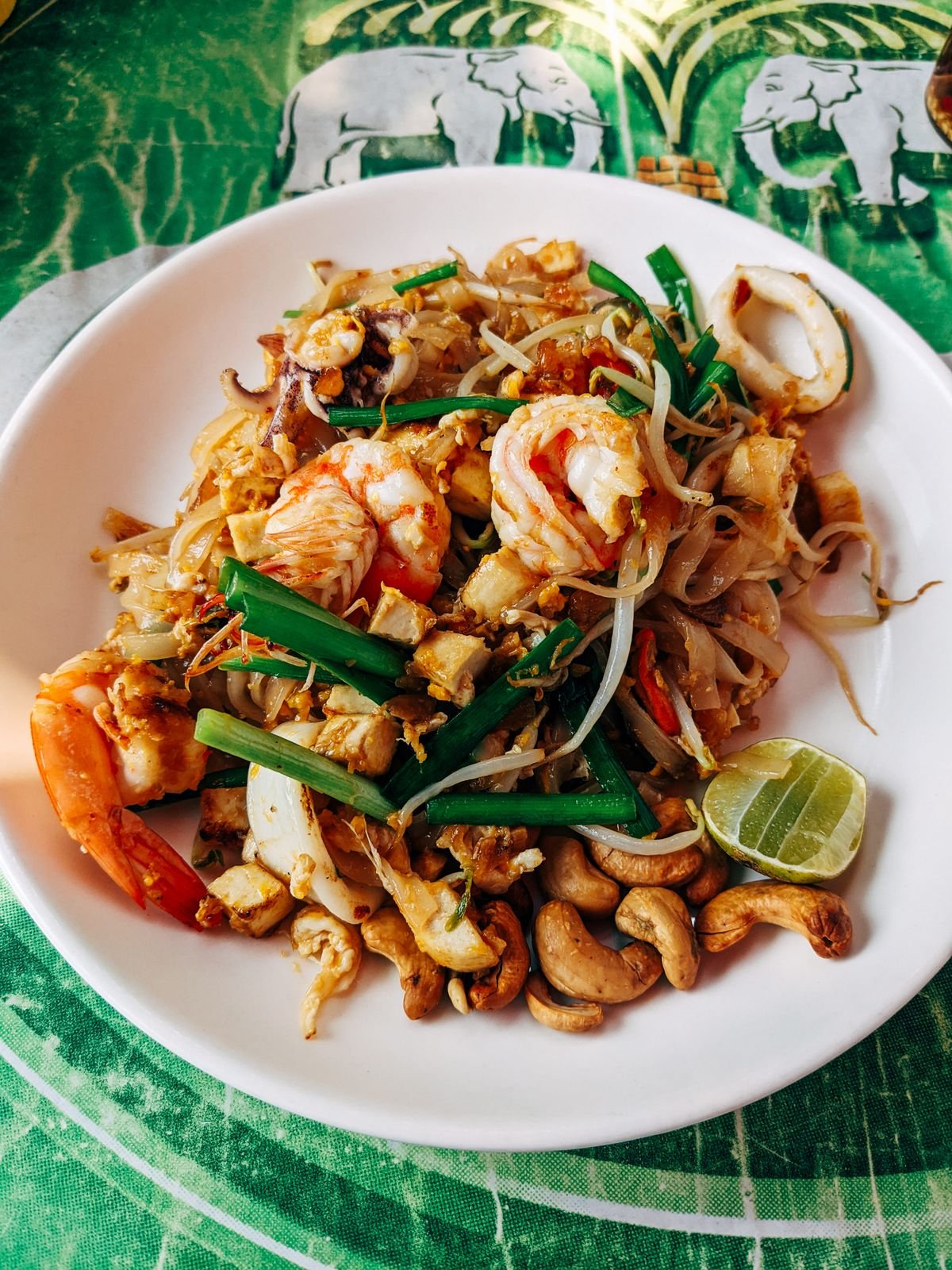
Slice the dark green tops thin and scatter them over the finished dish. They add fresh color and a mild onion bite that contrasts the rich, caramelized wok flavors.
25. Clean a Wok With Hot Water Only
Rinse the hot wok with water and scrub with a bamboo brush — no soap needed on seasoned carbon steel. Dry it over heat and wipe with a thin layer of oil to maintain the nonstick patina.