25 Casserole Hacks for Easy Make-Ahead Dinners
Casseroles are the ultimate weeknight weapon — one dish, total comfort. These 25 casserole hacks fix soggy middles, bland layers, and dry edges, and make every bake-ahead dinner taste freshly made.
1. Undercook Pasta by 2 Minutes
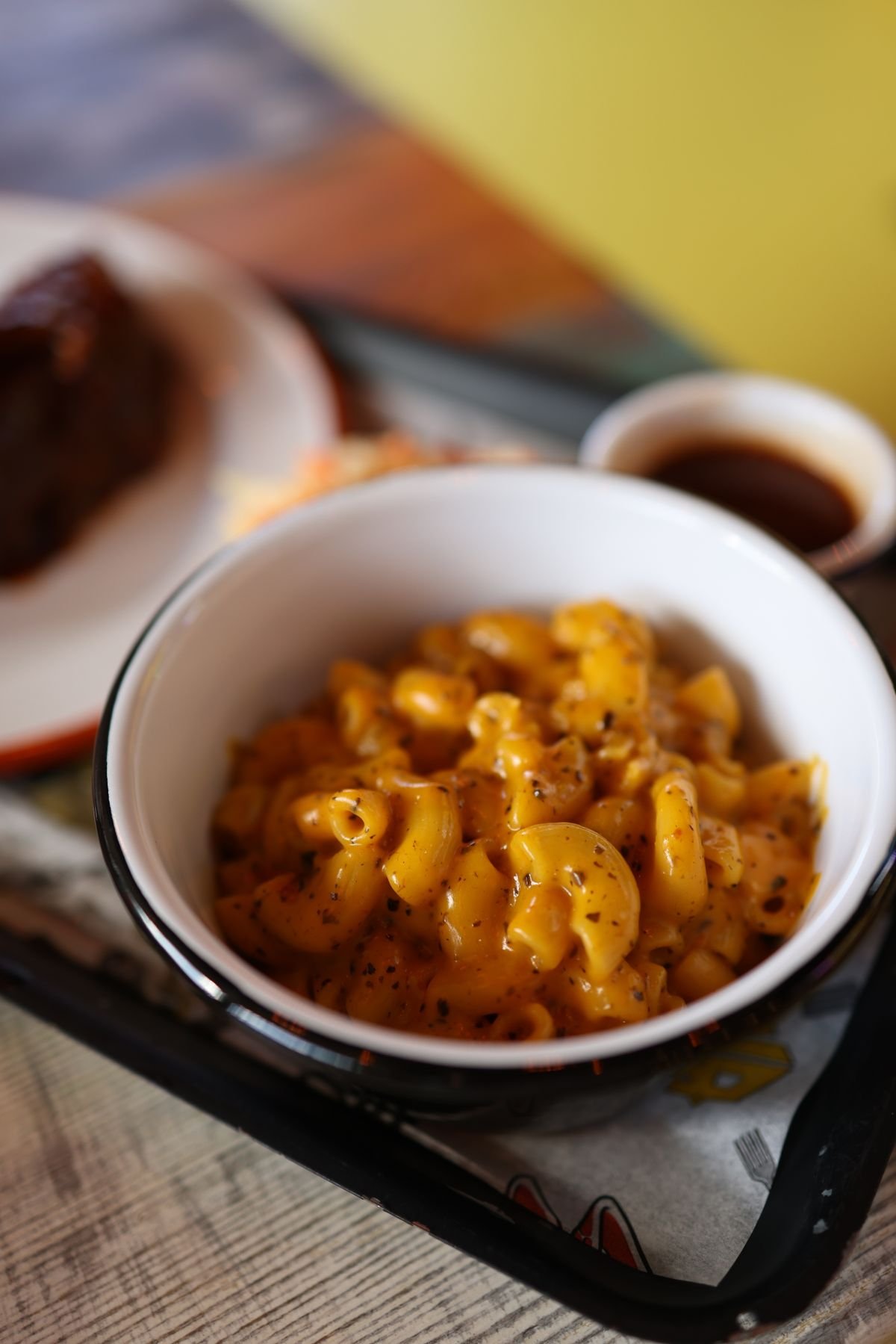
Pasta keeps absorbing liquid in the oven, so boil it two full minutes shy of the package time. It finishes perfectly tender in the bake instead of turning to mush.
2. Salt Every Layer
Season the meat, the sauce, and the pasta separately as you assemble. Casseroles are thick — salt added only on top never reaches the middle, leaving a bland center.
3. Let It Rest 10 Minutes Before Serving
A casserole straight from the oven is soupy; ten minutes of resting lets starches set so slices hold together. Cover loosely with foil to keep it hot.
4. Use Full-Fat Dairy
Low-fat cheese turns rubbery and low-fat sour cream splits under oven heat. Full-fat dairy melts creamy and holds up — this is not the dish to lighten up.
5. Cover with Foil, Then Uncover
Bake covered for the first two-thirds so the center cooks through, then uncover to brown the top. This two-stage method prevents burnt tops with raw middles.
6. Add a Crunchy Topping Last
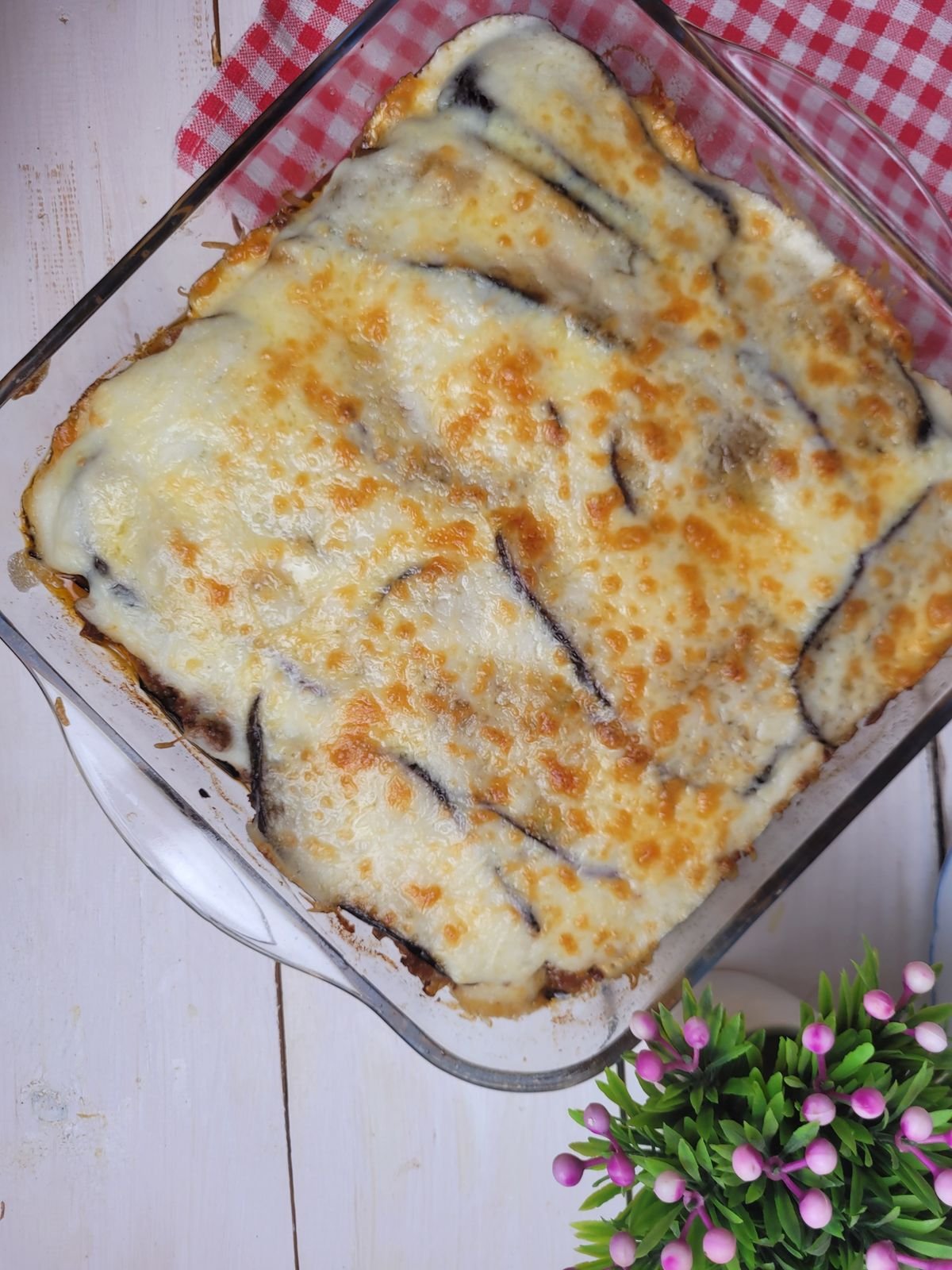
Breadcrumbs, crushed crackers, or fried onions go on for only the final 10-15 minutes. Added at the start they'd burn; added late they stay golden and crisp.
7. Grease the Dish Even for Nonstick
A thin coat of butter or spray guarantees clean serving, especially with cheesy bakes. The two seconds it takes saves ten minutes of scrubbing.
8. Thaw Frozen Casseroles in the Fridge
Move freezer casseroles to the fridge the night before baking. Baking from fully frozen adds 30-45 minutes and risks a hot exterior with an icy center.
9. Boost Canned Soup with Real Ingredients
Stir sautéed mushrooms, fresh garlic, or a splash of cream into canned cream-of soup before using. It tastes homemade while keeping the shortcut's convenience.
10. Shred Your Own Cheese
Pre-shredded cheese's anti-caking coating prevents smooth melting. Freshly grated cheddar or mozzarella melts into the creamy blanket a casserole needs.
11. Add Acid to Cut Richness
A squeeze of lemon or splash of hot sauce over a finished creamy casserole brightens every bite. Rich dishes need contrast or they taste flat by the third forkful.
12. Use a Glass Dish to See Doneness
Glass lets you check that the bottom and edges are bubbling, not just the top. When the edges bubble vigorously, the center is done too.
13. Double the Sauce
Casseroles dry out as starches absorb liquid during baking and holding. Making the sauce slightly looser than you think guarantees a creamy — not dry — result at the table.
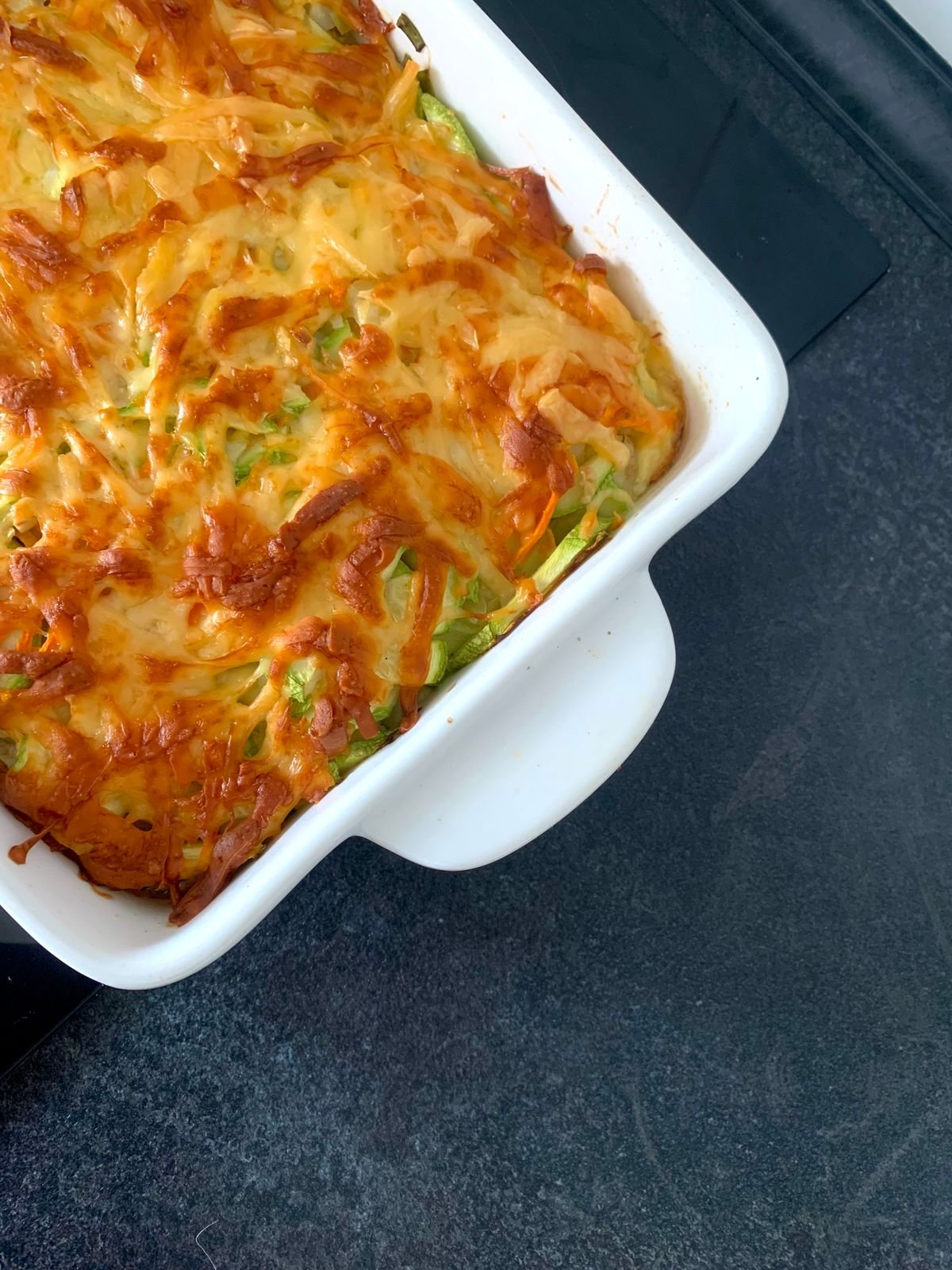
14. Brown Meat Before Adding
Raw ground meat steams gray inside a casserole. Browning it first in a skillet builds flavor and renders excess fat you'd otherwise be eating.
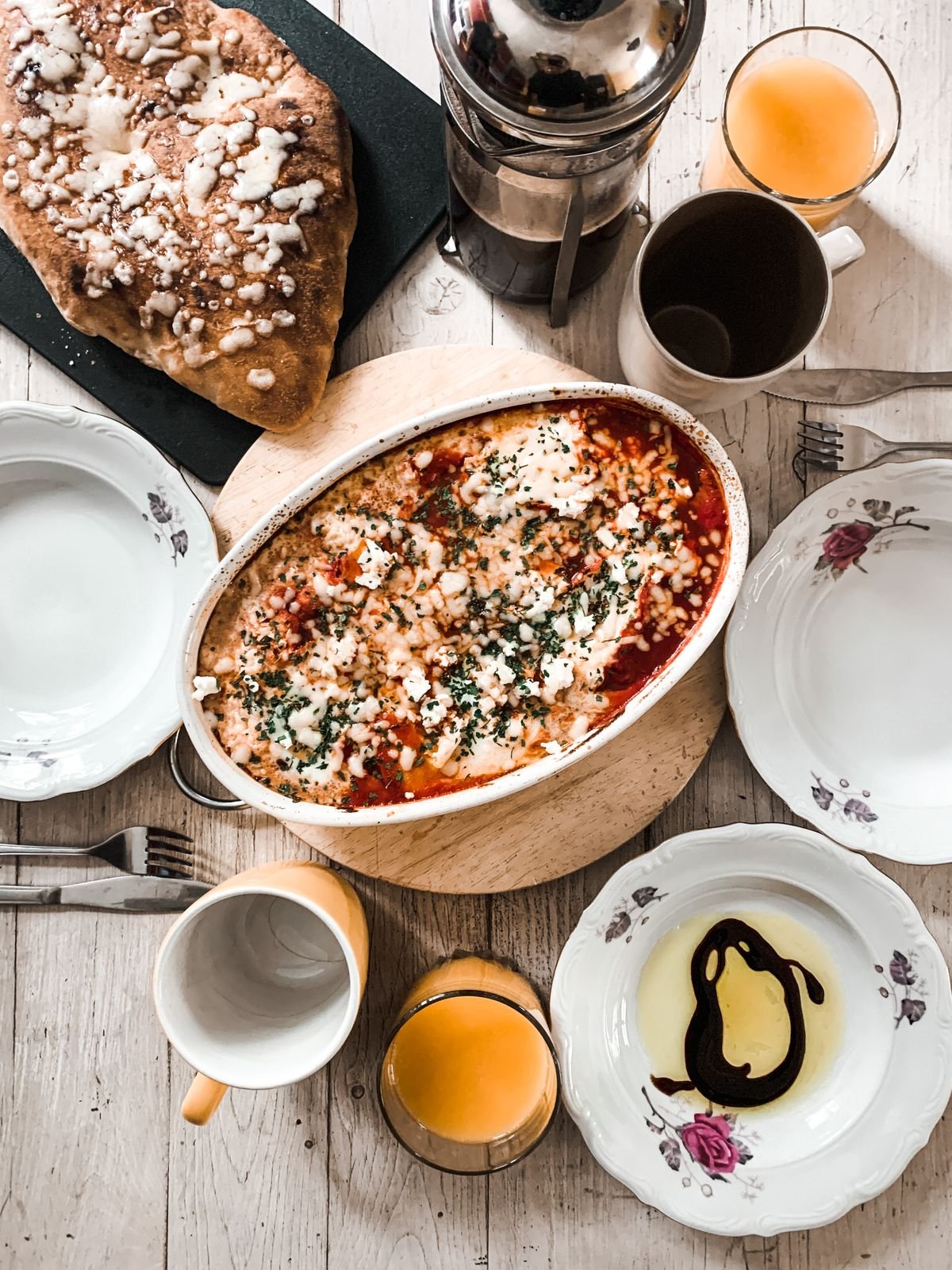
15. Layer, Don't Dump
Deliberate layers — pasta, sauce, cheese, repeat — give every bite balance. Dumped-and-stirred casseroles have pockets of plain pasta and puddles of sauce.
16. Freeze in Portion-Sized Pans
Bake in two 8-inch pans instead of one 9×13 when cooking for two. Eat one now, freeze one — future dinners with zero extra effort.
17. Add Fresh Herbs After Baking
Parsley, basil, or chives scattered over the hot casserole add color and fresh flavor that oven heat would destroy. It's the difference between dull and vibrant.
18. Preheat the Baking Dish
Set the empty dish in the oven while it preheats for faster, more even cooking from the bottom up. The hot dish jump-starts the bottom layer immediately.
19. Use Rotisserie Chicken
A shredded rotisserie bird replaces 30+ minutes of chicken cooking. Add it to the casserole assembled and it stays moist — no dry, overcooked chicken.
20. Tent with Foil If Browning Too Fast
If the top browns before the center is hot, lay foil loosely over it. This simple tent stops browning while heat keeps penetrating to the middle.
21. Season the Breadcrumbs
Plain breadcrumbs are bland filler. Toss them with melted butter, garlic powder, Parmesan, and herbs first — the topping becomes the best part of the dish.
22. Let Frozen Veg Thaw and Drain
Frozen broccoli or spinach releases a flood of water in the oven. Thaw and squeeze dry first, or your casserole swims in a watery layer.
23. Write Baking Instructions on the Foil
When freezing unbaked casseroles, write temp and time directly on the foil with a marker. Future you won't have to guess or look anything up.
24. Reheat Single Servings in the Oven
Microwaved casserole turns rubbery. Ten minutes in a 350F oven (or air fryer) re-crisps the top and heats evenly — worth the wait.
25. Add Cheese in the Middle, Not Just Top
A cheese layer halfway through the casserole creates those glorious melty pockets in every serving. Top-only cheese leaves the interior cheeseless.