
25 Bread Pudding Hacks for the Coziest Custardy Dessert
Bread pudding should be custardy in the middle with a caramelized top — never dry, never soggy. These 25 bread pudding hacks cover bread selection, custard ratios, soaking strategy, and sauce pairings for the ultimate comfort dessert.
1. Use Stale, Dry Bread — Always
Fresh bread turns to mush; day-old or oven-dried bread absorbs custard while keeping its structure. If your bread is fresh, cube it and dry at 300°F for 15 minutes. This is the single most important bread pudding rule.
2. Challah and Brioche Are the Gold Standard
Rich, eggy breads like challah, brioche, or croissants make the custardiest pudding. Their high egg and butter content means the pudding tastes luxurious even with a simple custard — plain sandwich bread works, but enriched bread shines.
3. Tear, Don't Cut, the Bread
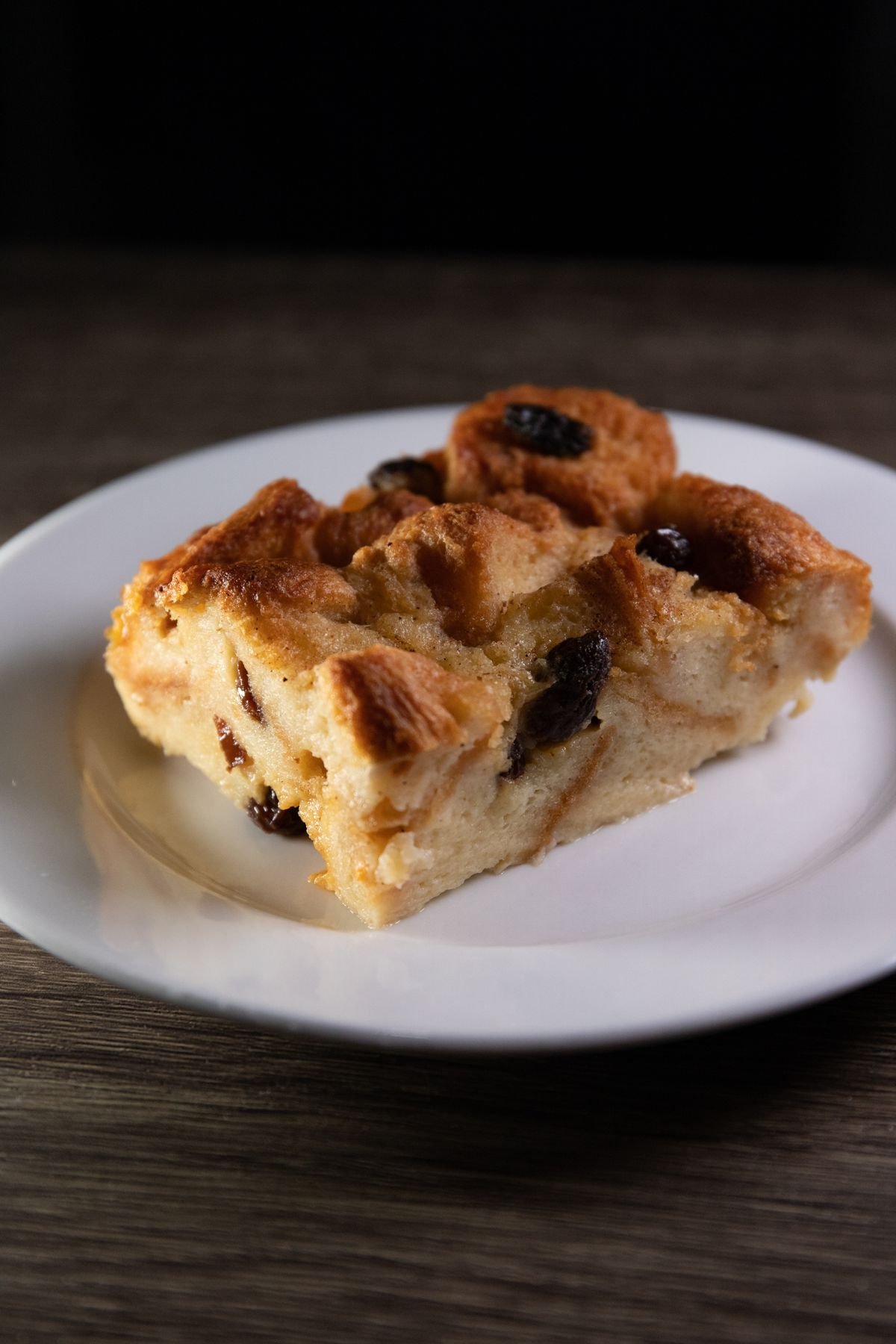
Torn pieces have craggy surfaces that catch custard and crisp into delicious crunchy bits. Neat cubes look tidy but bake up uniform; torn bread gives you textural variety in every spoonful.
4. Soak for at Least 30 Minutes
Let the assembled pudding rest 30 minutes (or overnight in the fridge) before baking. Proper soaking means custard penetrates every piece — skipping this gives you dry bread chunks floating in scrambled egg.
5. Use the 2-Cups-Liquid-per-6-Cups-Bread Ratio
Six cups of cubed bread needs about 2 cups of custard (roughly 4 eggs + 2 cups dairy). Too much liquid makes soup; too little makes dry stuffing. This ratio gives a set-but-creamy interior every time.
6. Press the Bread Down While Soaking
Gently press the bread cubes into the custard every 10 minutes during the soak. Bread floats — pressing ensures even absorption instead of dry tops and soggy bottoms.
7. Bake in a Water Bath for Silkiness
Set the baking dish inside a larger pan with 1 inch of hot water. The gentle, even heat prevents the edges from overcooking before the center sets — the difference between silky and rubbery.
8. Cover with Foil, Then Uncover to Brown
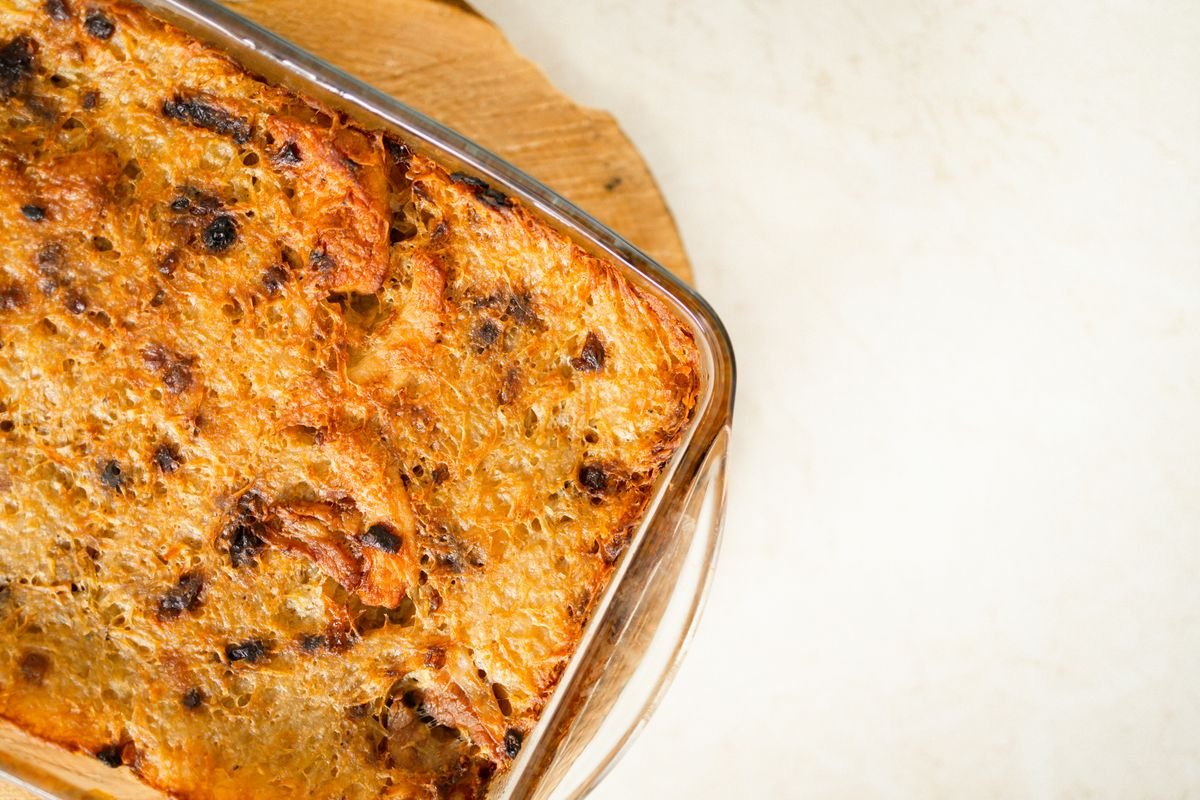
Bake covered for the first 30 minutes, then uncover for the last 15-20. The foil traps steam for even custard setting; uncovering lets the top caramelize into that irresistible golden crust.
9. The Jiggle Test Beats the Toothpick
Bread pudding is done when the center jiggles slightly like set gelatin — a clean toothpick means overbaked. Carryover heat finishes the job as it rests 15 minutes out of the oven.
10. Warm the Dairy Before Mixing
Warm milk/cream blends with eggs smoothly and starts custard-setting evenly in the oven. Cold dairy plus eggs can bake unevenly, with the center lagging behind the edges.
11. Add an Extra Yolk for Richness
Swap one whole egg for two yolks in your custard. Yolks add richness and silky texture without extra watery whites — the pudding tastes more decadent with zero extra effort.
12. Brown the Butter for the Sauce
Brown butter takes 5 minutes and tastes like hazelnuts and caramel. Use it in your bread pudding sauce (or drizzle over the top) — it's the upgrade that makes guests ask for the recipe.
13. Make a 3-Ingredient Bourbon Sauce
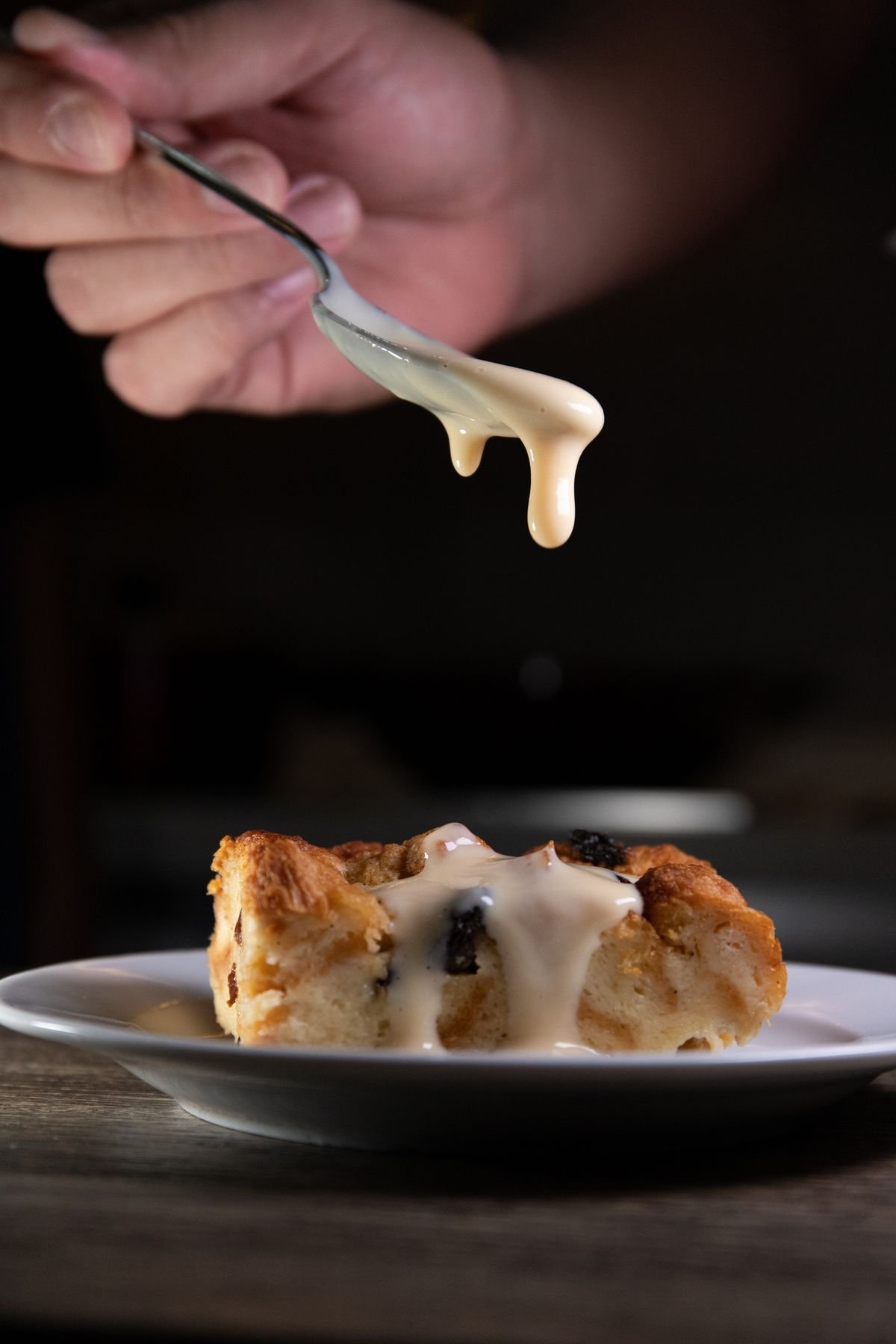
Simmer 1/2 cup brown sugar, 1/4 cup bourbon, and 4 tablespoons butter until syrupy. Pour warm over each serving — it's the classic pairing and takes less time than the pudding takes to rest.
14. Add Dried Fruit Soaked in Rum
Soak raisins, cranberries, or chopped dates in rum or orange juice for 30 minutes before adding. Plumped fruit distributes juicy bursts instead of hard, chewy nuggets that sink to the bottom.
15. Toss Add-Ins with Flour to Prevent Sinking
Toss chocolate chips, nuts, or fruit with a tablespoon of flour before folding in. The light coating suspends them in the custard instead of letting everything sink to the bottom layer.
16. Try a Savory Version for Brunch
Skip the sugar: use milk, eggs, cheese, sausage, and herbs for a savory strata-style pudding. It's the same technique, and it feeds a brunch crowd with 10 minutes of morning effort.
17. Use Individual Ramekins for Parties
Bake in buttered ramekins for 25-30 minutes instead of one big dish. Individual puddings look elegant, bake faster and more evenly, and every guest gets maximum crispy top.
18. Grate Nutmeg Fresh Into the Custard
Fresh-grated nutmeg is dramatically more aromatic than pre-ground. Grate it directly into the custard — about 1/4 teaspoon per batch — for the warm spice backbone of classic bread pudding.
19. Don't Skip the Salt
Half a teaspoon of salt per batch sharpens the sweetness and deepens the custard flavor. Undersalted bread pudding tastes flat and one-dimensional no matter how much sugar you add.
20. Serve Warm, Not Hot
Let the pudding rest 15-20 minutes after baking. Fresh from the oven it's molten and the flavors are muted; rested to warm, the custard sets fully and every flavor comes into focus.
21. Make It Ahead and Reheat by the Slice
Assemble the night before and refrigerate, then bake fresh. Or bake fully, refrigerate, and reheat slices at 350°F for 10 minutes — the top re-crisps beautifully and it tastes just-made.
22. Add Orange Zest to the Custard
A tablespoon of orange zest brightens the whole pudding. Citrus cuts the richness and pairs beautifully with vanilla, cinnamon, and dried fruit — the background note people love but can't name.
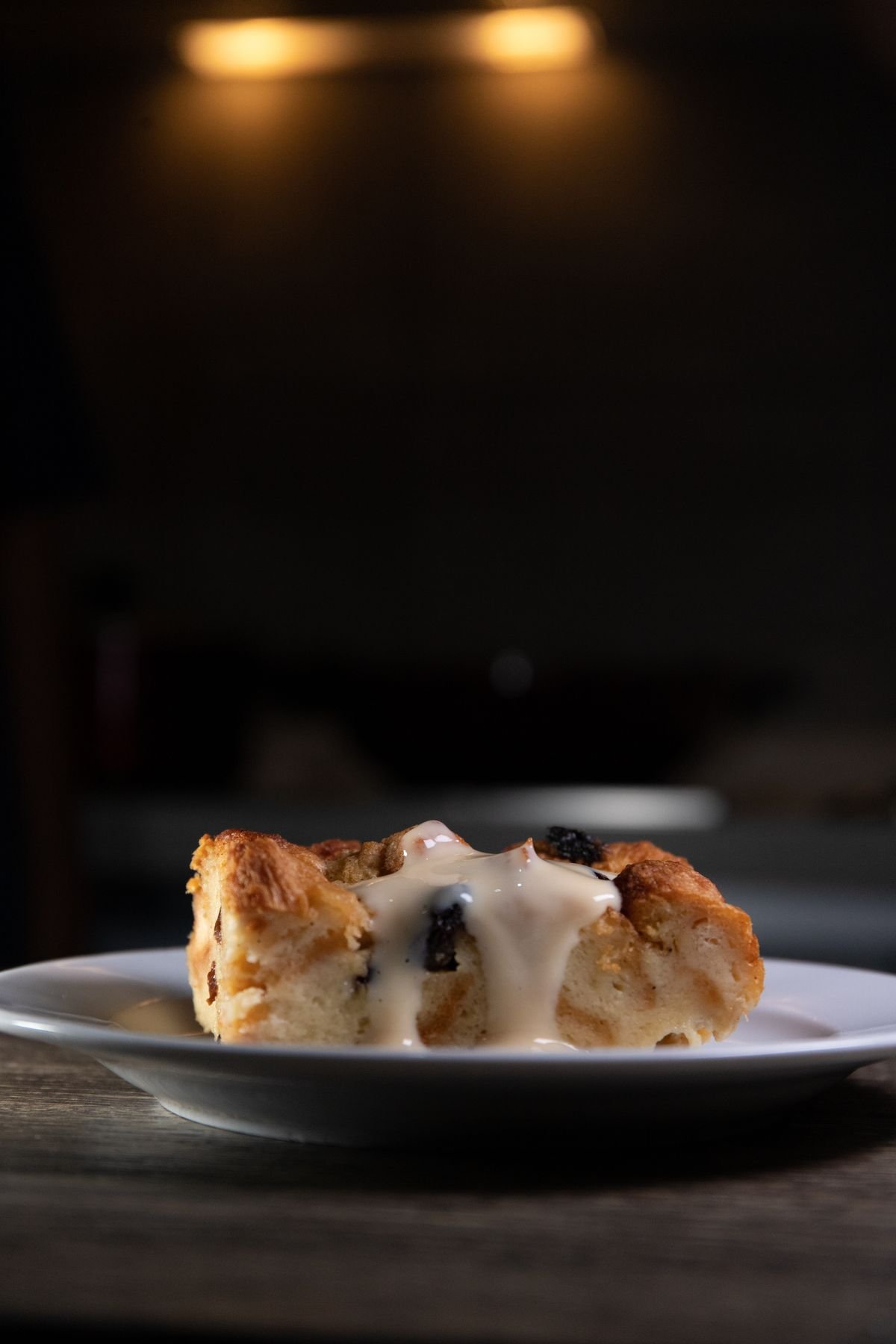
23. Use Vanilla Bean Paste for Specks
Vanilla bean paste gives you the visual seeds and deep flavor of a real bean at a fraction of the cost. One tablespoon per batch, whisked into the warm dairy.
24. Crisp the Top with a Sugar Sprinkle
Sprinkle 2 tablespoons of coarse sugar over the top before baking. It melts into a crackly caramelized crust — like crème brûlée's shell on top of your pudding.
25. Blend Leftovers into a Milkshake
Chilled leftover bread pudding blended with vanilla ice cream and milk makes an outrageous shake. It sounds strange; it tastes like the best cinnamon-vanilla shake you've ever had.