
25 Frittata Hacks
A frittata should be custardy and golden, never rubbery or watery. These 25 hacks nail the egg-to-dairy ratio, the stovetop-to-oven method, fillings that don't weep, and make-ahead tricks for effortless brunches.
1. The 1:4 Dairy Ratio
Use 1/4 cup dairy per 4 eggs — that's the magic ratio for a custardy set. Too much dairy and it never sets; too little and it's dense. Whole milk, half-and-half, or crème fraîche all work.
2. Whisk, Don't Beat
Whisk eggs just until yolks and whites combine — 30 seconds. Over-beaten eggs incorporate too much air, puff up dramatically in the oven, then collapse into a dense, rubbery disc.
3. Pre-Cook Watery Vegetables
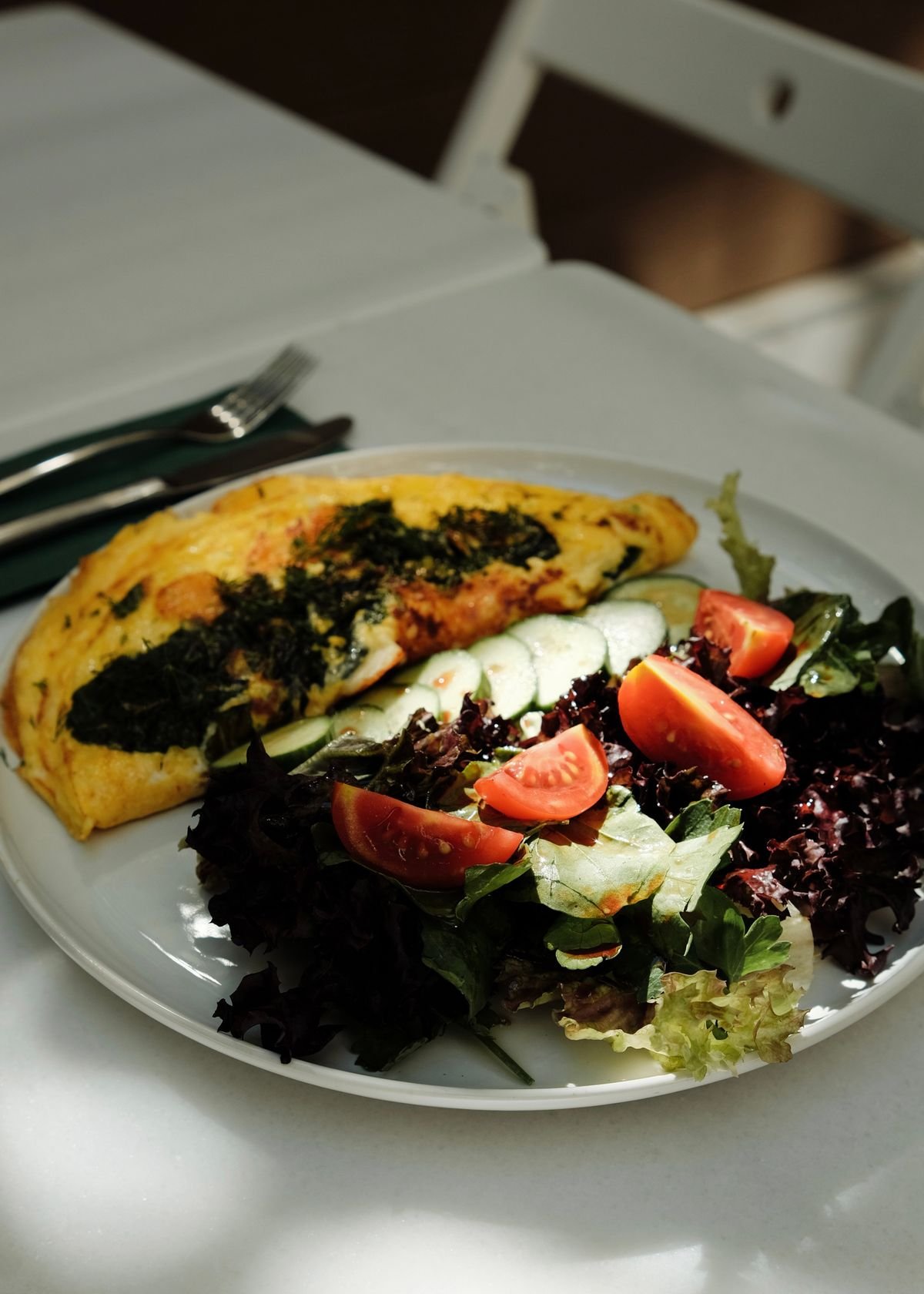
Sauté mushrooms, zucchini, spinach, and tomatoes before adding eggs. Raw watery veg releases liquid during baking and turns your frittata into a soggy mess — pre-cooking concentrates their flavor too.
4. Start on Stovetop, Finish in Oven
Cook the frittata on the stovetop until edges set (3–4 minutes), then transfer to a 375°F oven for 8–12 minutes. The stovetop sets the bottom, the oven's ambient heat cooks the top gently and evenly.
5. Low Oven = Tender Eggs
Bake at 350–375°F, never 425°F. High heat makes eggs seize and turn rubbery with a watery layer underneath; gentle heat gives you a silky, even custard from edge to center.
6. Salt the Eggs, Rest 10 Minutes
Salt the beaten eggs and rest 10 minutes before cooking. The salt dissolves and seasons evenly, and the rest lets the proteins relax for a more tender final texture.
7. Use an Oven-Safe Nonstick Skillet
A 10-inch oven-safe nonstick skillet is the ideal frittata pan — nothing sticks, and it goes straight from burner to oven. Cast iron works too but needs thorough greasing.
8. Cheese Goes on Top, Not In
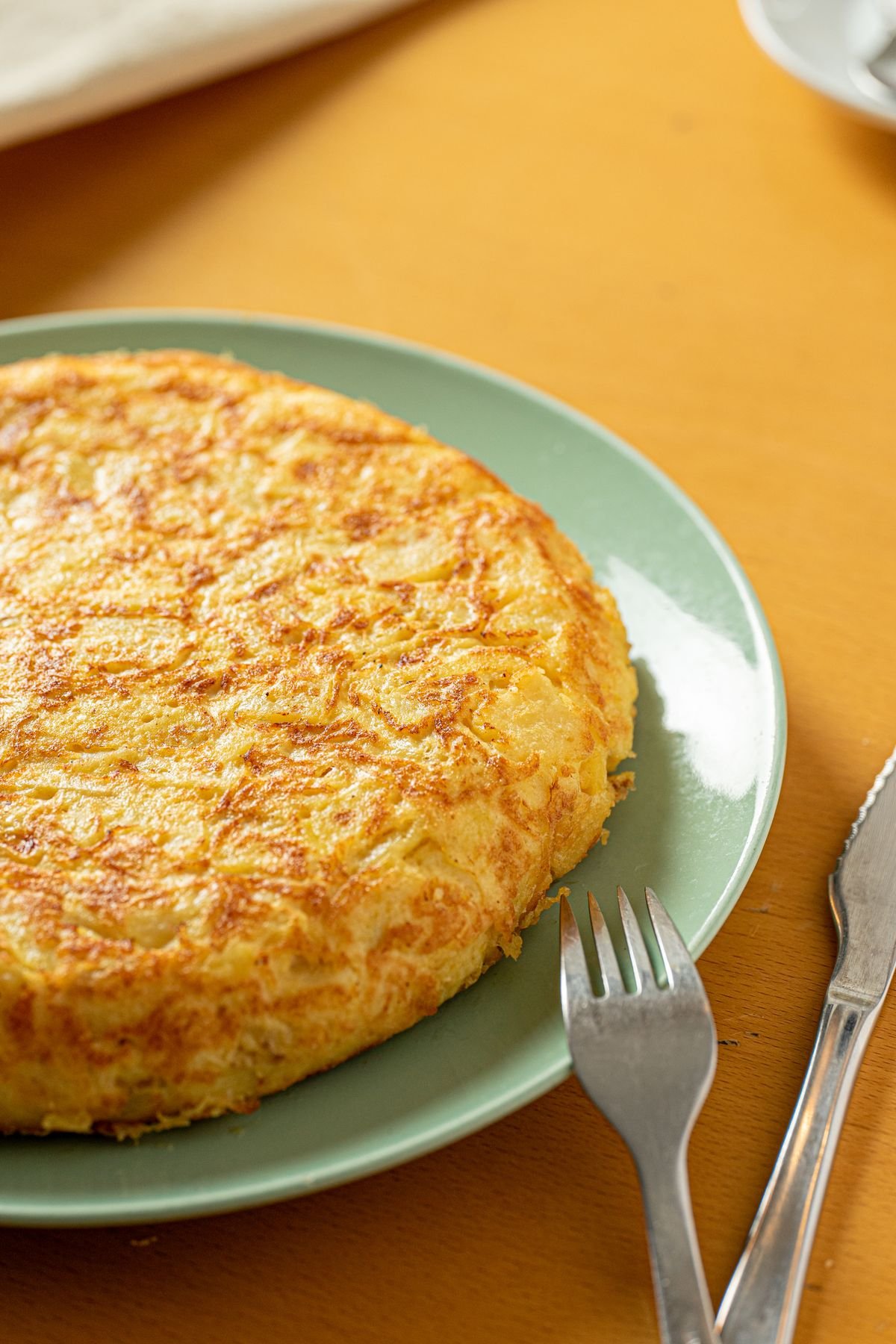
Sprinkle cheese over the top in the last 3 minutes of baking instead of mixing it in. Mixed-in cheese sinks and makes the bottom greasy; top cheese melts into a golden, bubbly crust.
9. The Jiggle Test
Pull the frittata when the center still jiggles slightly — it will finish setting from residual heat in 3 minutes. A fully firm center in the oven means overcooked by the time it reaches the table.
10. Room-Temp Eggs Cook Evenly
Let eggs sit out 15 minutes before whisking. Cold eggs hitting a hot pan seize on contact and cook unevenly; room-temp eggs flow smoothly and set into a uniform custard.
11. Blot Cooked Greens Dry
Squeeze sautéed spinach and chard in a towel before adding to the frittata. Greens hold shocking amounts of water that will pool at the bottom of your eggs.
12. Par-Cook Potatoes Thin
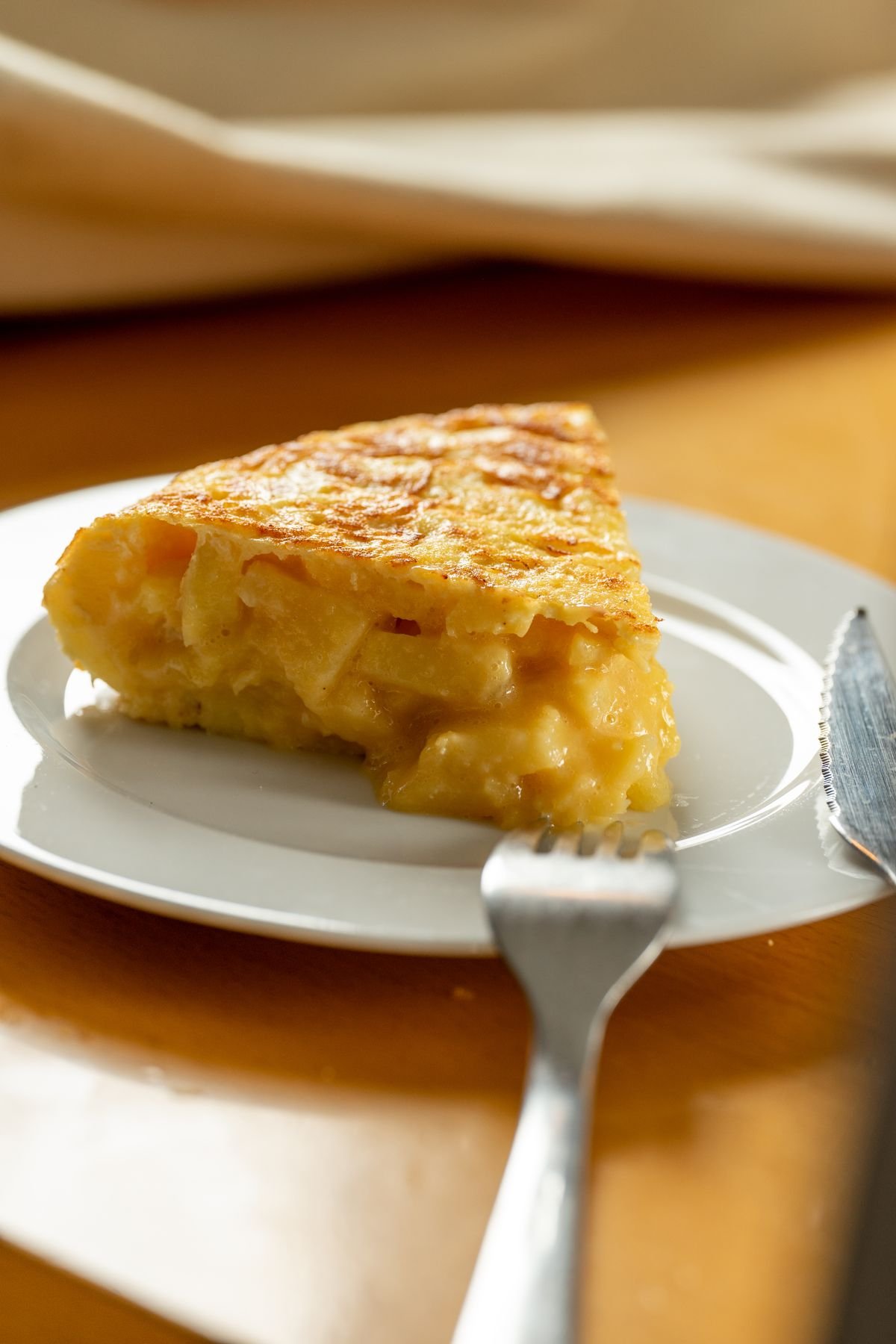
Slice potatoes 1/8-inch thin and par-cook in the skillet 8 minutes before adding eggs. Thick raw potato chunks never cook through in the egg's baking time — thin and pre-softened is the way.
13. Finish Under the Broiler
For a deeply golden top, broil the last 1–2 minutes. Watch it like a hawk — the line between golden and burnt under a broiler is about 45 seconds.
14. Add Herbs at the End
Stir delicate herbs (basil, chives, dill) into the eggs right before pouring, or scatter on top after baking. Herbs cooked the whole time turn brown and lose their fresh punch.
15. Dairy-Free? Use Coconut Cream
Swap dairy for full-fat coconut cream (1/4 cup per 4 eggs). It gives the same custardy richness with a faint sweetness that pairs beautifully with vegetables.
16. Slice with a Sharp Thin Knife
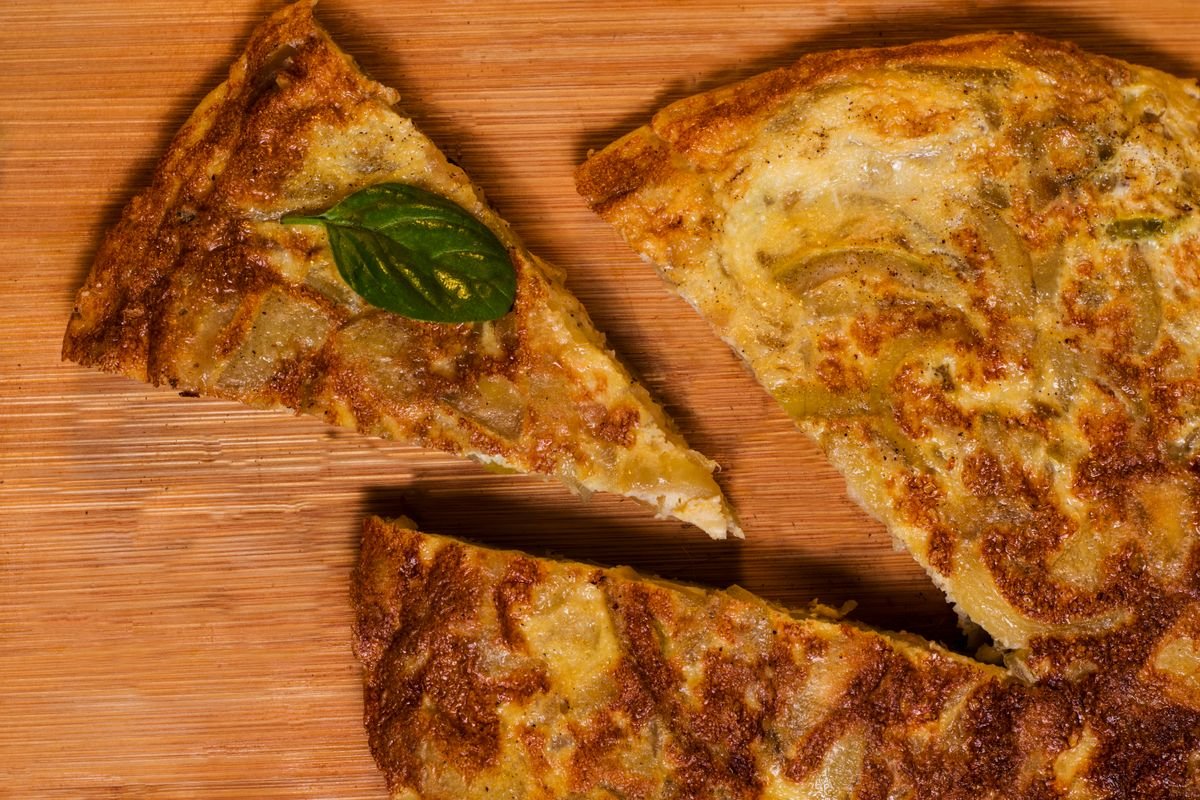
Cut cooled frittata with a long, thin, sharp knife, wiping between cuts. A dull or thick knife drags and tears the custard — clean cuts show off those beautiful layers.
17. Serve Warm, Not Hot
Let the frittata rest 5–10 minutes before slicing. It firms up for clean cuts, and the flavors actually taste better warm than piping hot — eggs are at their best just below steaming.
18. Mini Frittatas in Muffin Tins
Pour the same mixture into greased muffin tins and bake 15 minutes at 375°F. You get portable, portion-controlled frittata muffins perfect for meal prep and lunchboxes.
19. Meat Goes In Cooked
Bacon, sausage, and ham must be fully cooked before joining the eggs. Raw meat releases fat and juices that prevent the eggs from setting properly around them.
20. The Water Bath Trick
For an ultra-silky texture, bake the skillet inside a larger pan with an inch of hot water. The gentle, humid heat cooks the custard evenly — restaurant-quality tenderness at home.
21. Don't Overfill the Pan
Eggs should fill the skillet no more than 1.5 inches deep. Deeper frittatas need so long to set that the bottom burns before the center cooks — use a bigger pan, not a deeper pour.
22. Reheat Low and Slow
Reheat slices at 300°F for 10 minutes, covered with foil. Microwaving makes eggs rubbery in 60 seconds; gentle oven heat brings back that just-baked texture.
23. Add a Spoonful of Ricotta
Dollop ricotta over the top before baking. The spoonfuls melt into creamy pockets throughout the frittata — little surprises of richness in every slice.
24. Season Every Layer
Salt the vegetables as they sauté, salt the eggs, and finish with flaky salt. Layered seasoning means every bite is flavorful; salting only the eggs leaves the fillings bland.
25. Make It Ahead for Brunch
Bake the frittata the night before, cool, refrigerate, and serve at room temperature or gently reheated. Frittata is one of the rare egg dishes that's genuinely better made ahead — zero morning stress.