25 Asparagus Hacks
Asparagus goes from crisp-tender perfection to sad and stringy in about ninety seconds, which is exactly why hacks matter. These 25 tricks cover snapping versus cutting, blanching timing, roasting temperatures, and flavor pairings that make this spring star shine all year.
1. Snap, Don't Guess, the Woody End
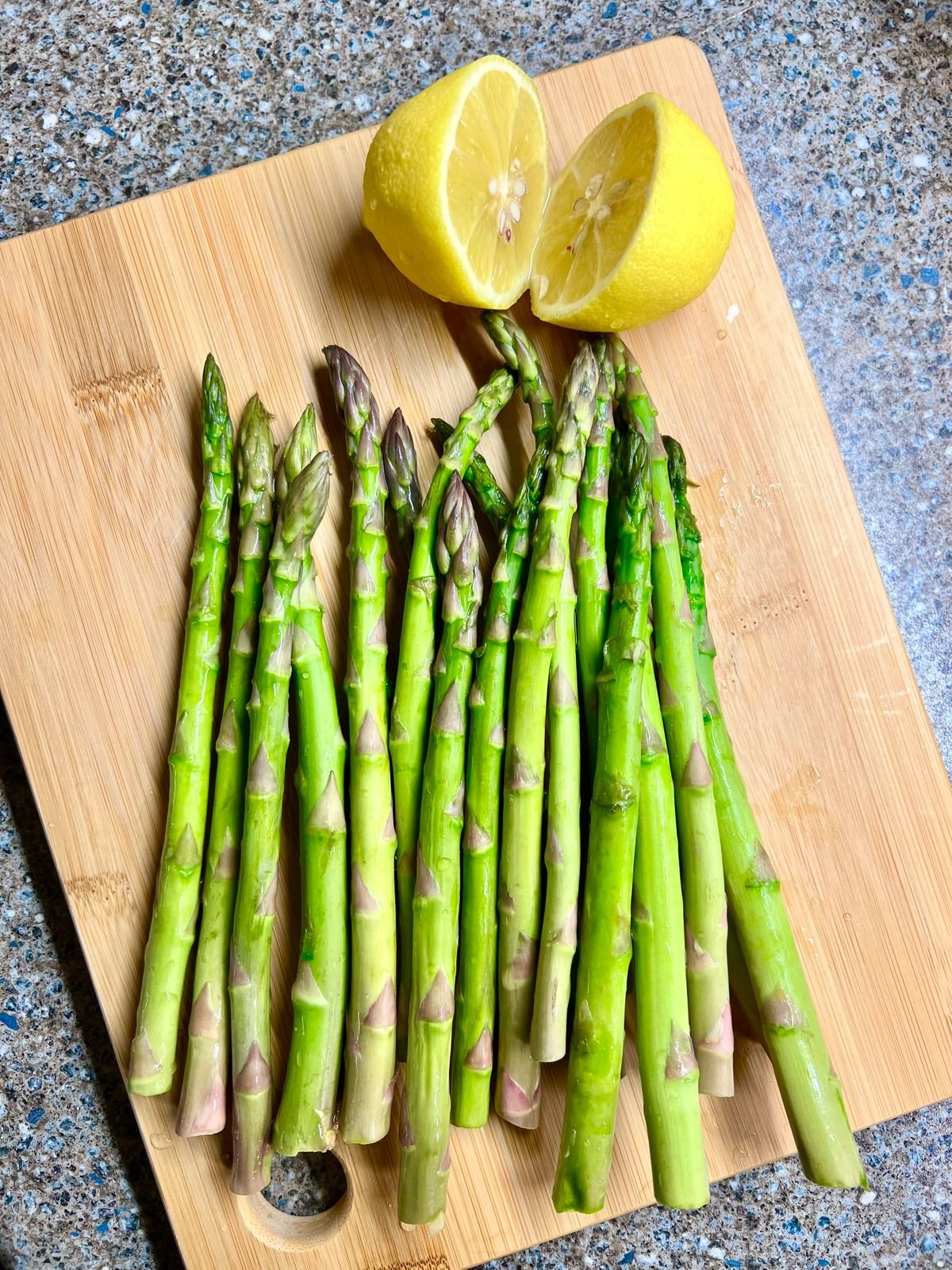
Bend each spear near the bottom and let it break naturally — it snaps exactly where the tender part begins. Use one snapped spear as a guide and cut the rest to match, so you trim a whole bunch in seconds.
2. Peel Thick Spears, Skip Thin Ones
Thick asparagus has a tough outer skin that stays fibrous even after cooking. Run a vegetable peeler over the bottom half of thick spears only; pencil-thin spears are tender all the way through and need nothing.
3. Blanch for Exactly 2 Minutes
Two minutes in aggressively boiling salted water is the magic number for medium spears — tender with a bite. Set a timer, because at three minutes they start going limp and there's no coming back.
4. Ice Bath Immediately After Blanching
Have a bowl of ice water ready before the asparagus even hits the pot. Ninety seconds in the ice bath stops carryover cooking cold and locks in that vivid, almost neon green color.
5. Roast at 425°F, Not 400
That extra 25 degrees is the difference between roasted and merely baked. At 425°F for 12–14 minutes, asparagus tips get crispy and caramelized while the stalks stay snappy — at 400 they just steam.
6. Single Layer or Bust
Crowded asparagus steams in its own moisture instead of roasting. Give every spear breathing room on the sheet pan — use two pans if you must. The crispy, browned tips are worth the extra dish.
7. Oil the Pan, Not the Spears
Instead of drizzling oil over the asparagus, oil the sheet pan itself and roll the spears in it. You use less oil, get more even coverage, and the bottoms make direct contact with hot metal for better browning.
8. Add Parmesan in the Last 3 Minutes
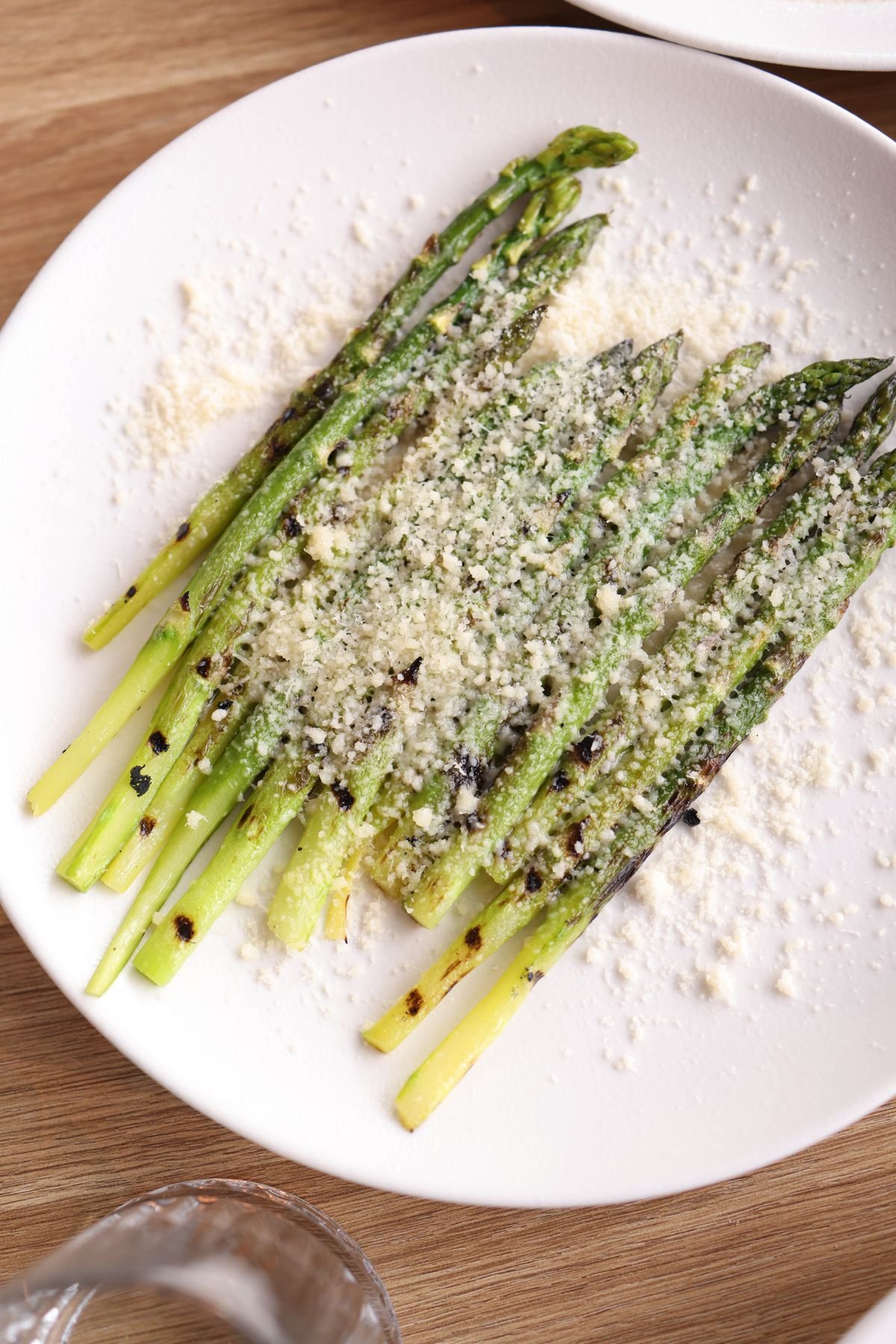
Shower roasted asparagus with grated Parmesan only for the final 3 minutes of roasting. Added earlier it burns; added at the end it melts into lacy, golden crisps that cling to the spears.
9. Grill Perpendicular to the Grates
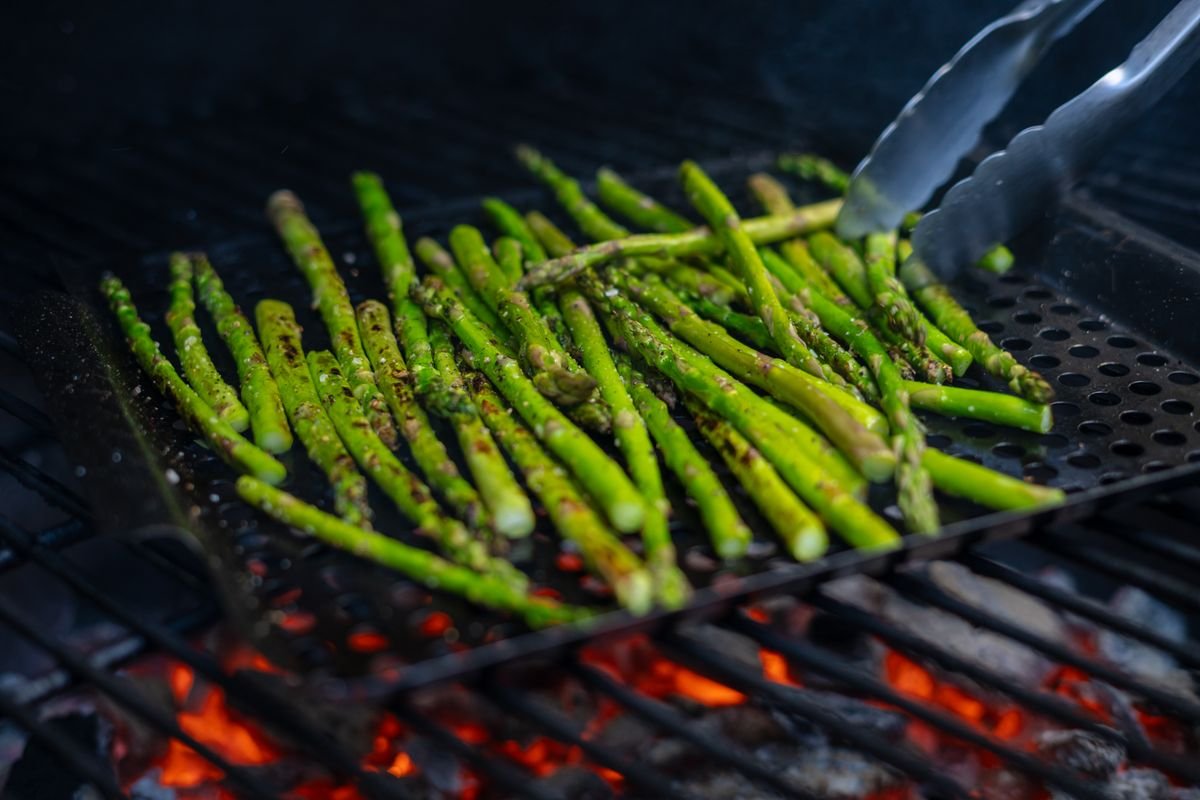
Lay asparagus across the grill grates — never parallel — or use a grill basket. Two to three minutes per side over direct heat gives you smoky char marks without losing a single spear to the flames.
10. Lemon Goes On After Cooking
Squeeze lemon over asparagus right before serving, not before roasting. Acid dulls the green color during cooking and can turn the texture mushy; finished with it, the brightness pops.
11. Shave It Raw for Salads
Use a vegetable peeler to shave raw asparagus into thin ribbons and toss with lemon, olive oil, and shaved Parmesan. Raw asparagus is sweet, grassy, and crunchy — a completely different vegetable from the cooked version.
12. Bundle with Prosciutto for Parties
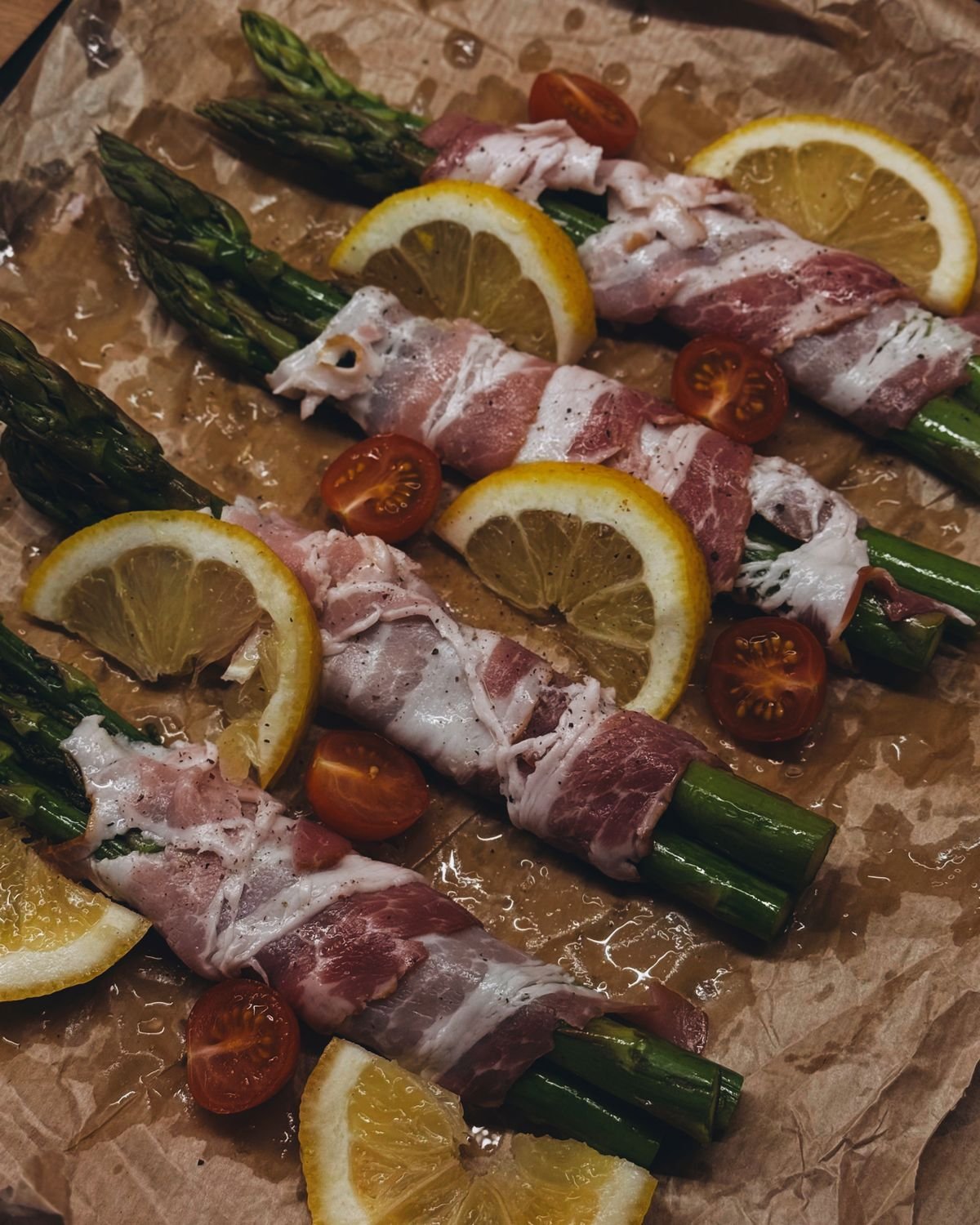
Wrap 3–4 blanched spears in a slice of prosciutto, secure with a toothpick, and broil 2 minutes. Salty, crisp, elegant — and it takes five minutes to make a platter that looks catered.
13. Steam Upright in a Tall Pot
Stand spears upright in an inch of boiling water with the tips above the waterline, covered. The stalks boil while the delicate tips steam — every part cooks perfectly at the same time.
14. Freeze Blanched for Year-Round
Blanch 2 minutes, ice bath, dry thoroughly, then freeze in a single layer before bagging. Frozen asparagus won't be salad-crisp, but it's perfect for soups, frittatas, and pasta all winter.
15. Save the Woody Ends for Soup
Don't throw away the snapped-off ends — simmer them in broth for 20 minutes, then strain. You get a surprisingly flavorful asparagus stock that's the perfect base for asparagus soup.
16. Hollandaise in a Blender, 60 Seconds
Blend 3 egg yolks with lemon juice, then stream in hot melted butter while blending. No double boiler, no whisking arm workout — silky hollandaise that makes asparagus feel like a restaurant dish.
17. Char the Tips Under the Broiler
After roasting, hit the pan with 90 seconds under the broiler. The tips — the sweetest part — get extra crispy and caramelized, adding a whole new texture layer to the dish.
18. Pair with Eggs for Breakfast
Blanched asparagus alongside soft-scrambled eggs or folded into an omelet is a classic for a reason. The grassy sweetness cuts through rich yolks, and it cooks in the time the eggs take.
19. Dress Warm, Serve Room Temp
Toss blanched asparagus with vinaigrette while still slightly warm so it absorbs the dressing, then serve at room temperature. Cold asparagus mutes flavors; room temp lets the dressing shine.
20. White Asparagus Needs Peeling
If you find white asparagus, peel the entire spear — the skin is much tougher than green. It also needs a longer cook, about 5–6 minutes in simmering salted water with a pinch of sugar.
21. Score a Quick Pickle
Pack raw spears upright in a jar with garlic, dill, and chili flakes, then pour over hot vinegar brine. In 24 hours you have snappy pickled asparagus that's incredible on a cheese board.
22. Stir-Fry on Screaming Heat
Cut spears into 2-inch pieces and stir-fry over the highest heat for 2–3 minutes with ginger and garlic. The intense heat keeps them crisp and bright — low heat just makes them soggy.
23. Add a Touch of Honey to the Glaze
A teaspoon of honey whisked into a balsamic or soy glaze for roasted asparagus balances the vegetable's slight bitterness. The sugars caramelize in the oven's heat into a beautiful lacquer.
24. Don't Drown It in Sauce
Asparagus is delicate — a heavy sauce bulldozes it. Stick to light finishes: lemon butter, a drizzle of good olive oil, shaved Parmesan, or a spoonful of crème fraîche. Less is genuinely more.
25. Buy Spears the Same Thickness
Grab bunches where the spears match in thickness so everything cooks at the same rate. Mixed thick and thin spears mean the thin ones overcook while the thick ones are still raw in the middle.