
25 Eggplant Hacks
Eggplant is either silky and luxurious or bitter and spongy — the difference is all technique. These 25 hacks cover salting, oil management, roasting, grilling, and frying so every eggplant dish comes out creamy and rich.
1. Salt and Rest for 30 Minutes
Slice eggplant, salt generously, and rest 30 minutes to draw out bitter juices. Pat completely dry before cooking. This one step is the difference between creamy eggplant and a bitter sponge.
2. Young Eggplants Need Less Salting
Small, firm eggplants with shiny skin and few seeds are barely bitter — a 15-minute salt is plenty. Big, seedy, dull-skinned eggplants are the bitter ones that need the full 30 minutes.
3. Don't Drown It in Oil
Eggplant flesh is a sponge that drinks oil instantly. Brush oil on instead of pouring, or salt and press it first so the collapsed cell structure absorbs far less. You'll use half the oil.
4. Roast at 425°F Cut-Side Up First
Halved eggplants roasted cut-side up at 425°F for 30–40 minutes collapse into custardy flesh you can scoop. Score the flesh in a crosshatch first so heat penetrates evenly.
5. Microwave Before Frying
Microwave eggplant slices 4–5 minutes until they collapse slightly, then fry. Pre-cooking collapses the sponge structure so the slices absorb dramatically less oil and fry up creamy, not greasy.
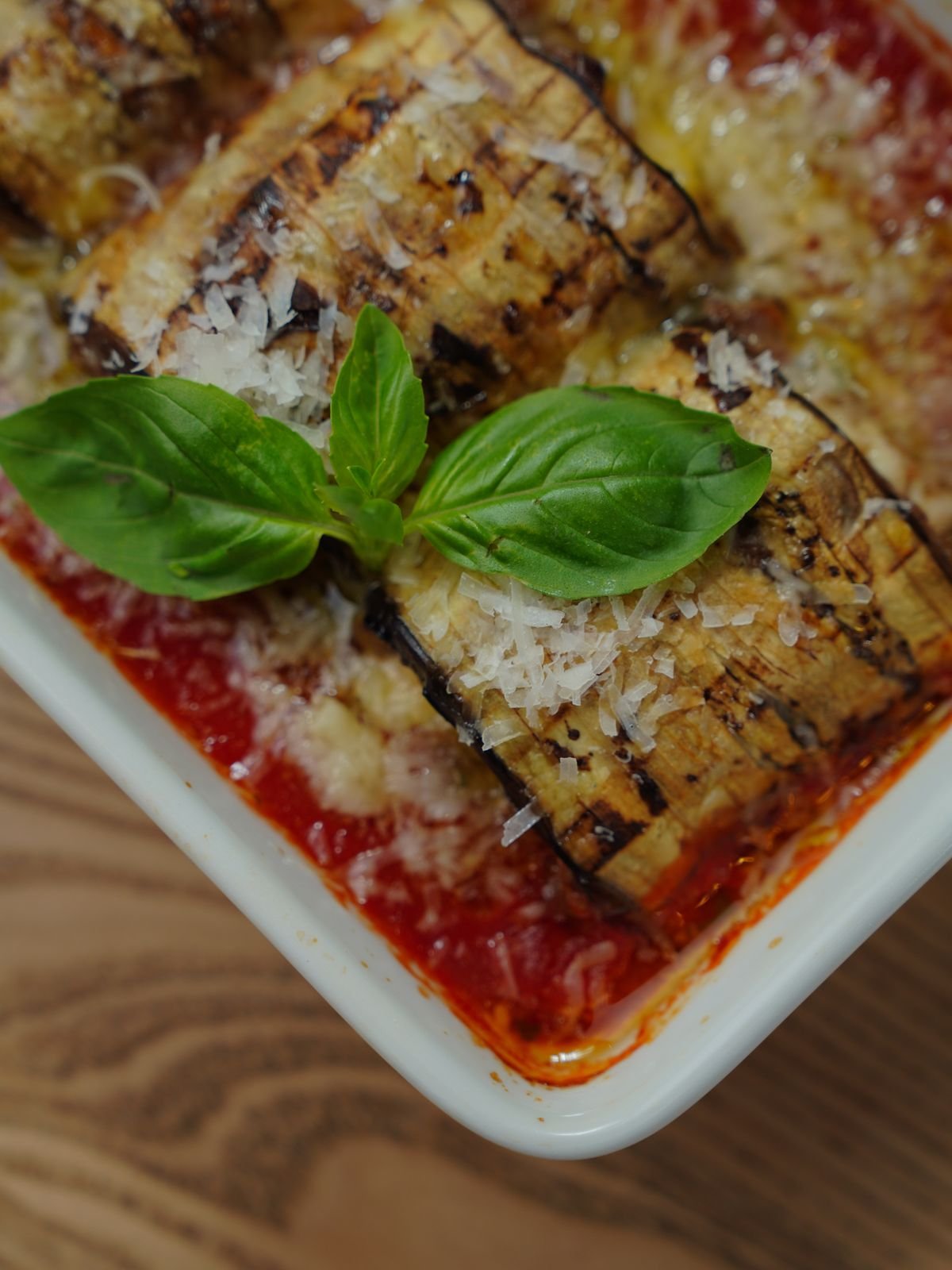
6. Bread It for Eggplant Parm
For eggplant Parmesan, bread the slices (flour, egg, breadcrumbs) and bake at 425°F instead of frying. You get the crispy coating with a fraction of the oil — and the oven does the work.
7. Sweat It in the Oven
Spread salted slices on a rack over a sheet pan and bake at 300°F for 20 minutes. The gentle heat draws out moisture without any attention — a hands-off alternative to countertop salting.
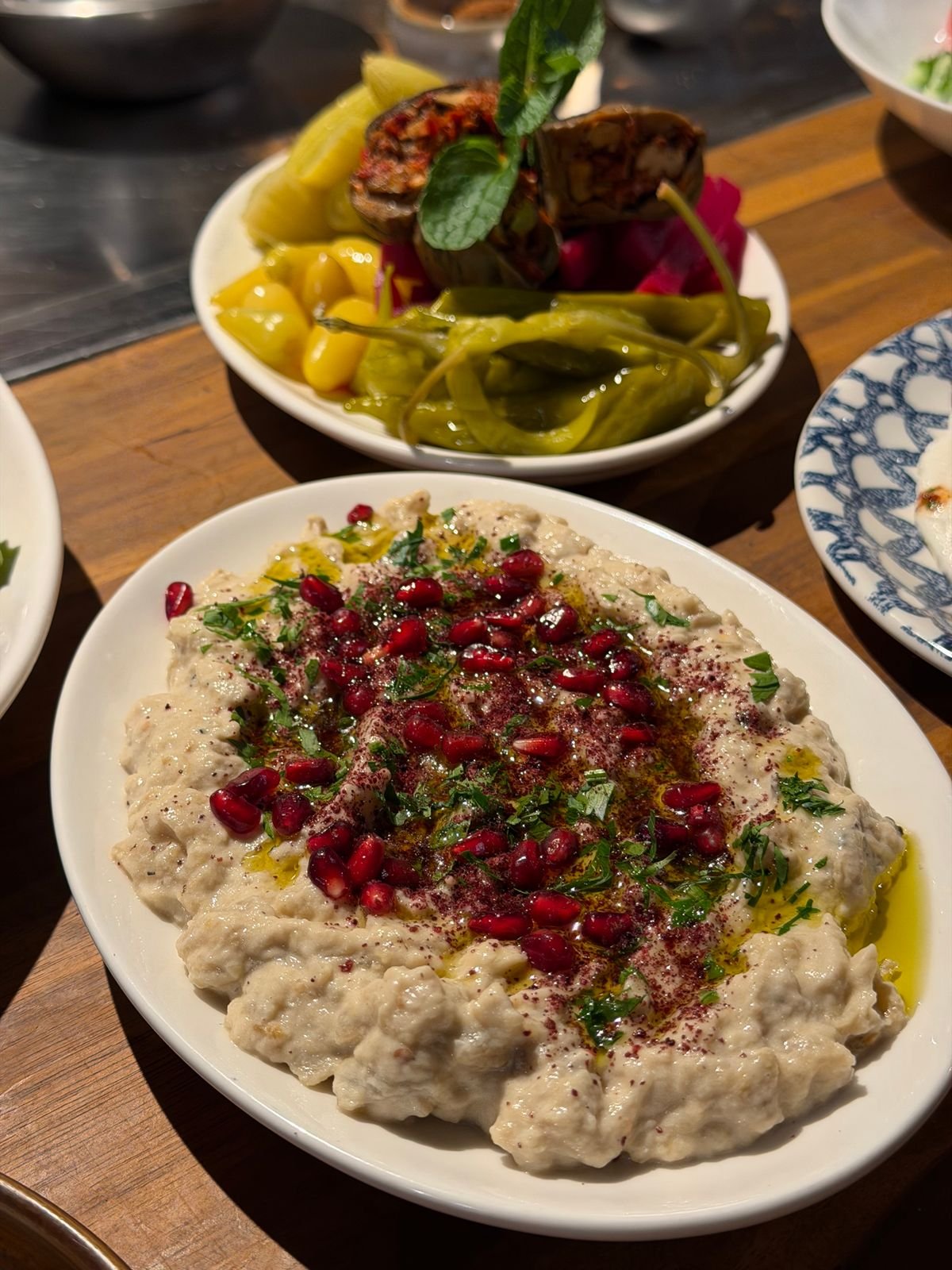
8. Char Whole for Baba Ganoush
Roast a whole eggplant directly on a gas flame or under the broiler, turning until completely collapsed and blackened. The smoky flesh blended with tahini makes baba ganoush that puts store-bought to shame.
9. Scoop, Don't Peel, Roasted Halves
After roasting halved eggplant, scoop the flesh out with a spoon and leave the skin behind. The skin can be bitter; the flesh is pure silk. Mash it for dips or chop for pasta sauce.
10. Cut Uniform Pieces for Even Cooking
Eggplant cooks unevenly when pieces vary in size — small bits burn while big chunks stay raw inside. Take 30 seconds to cut uniform 1-inch cubes and everything finishes together.
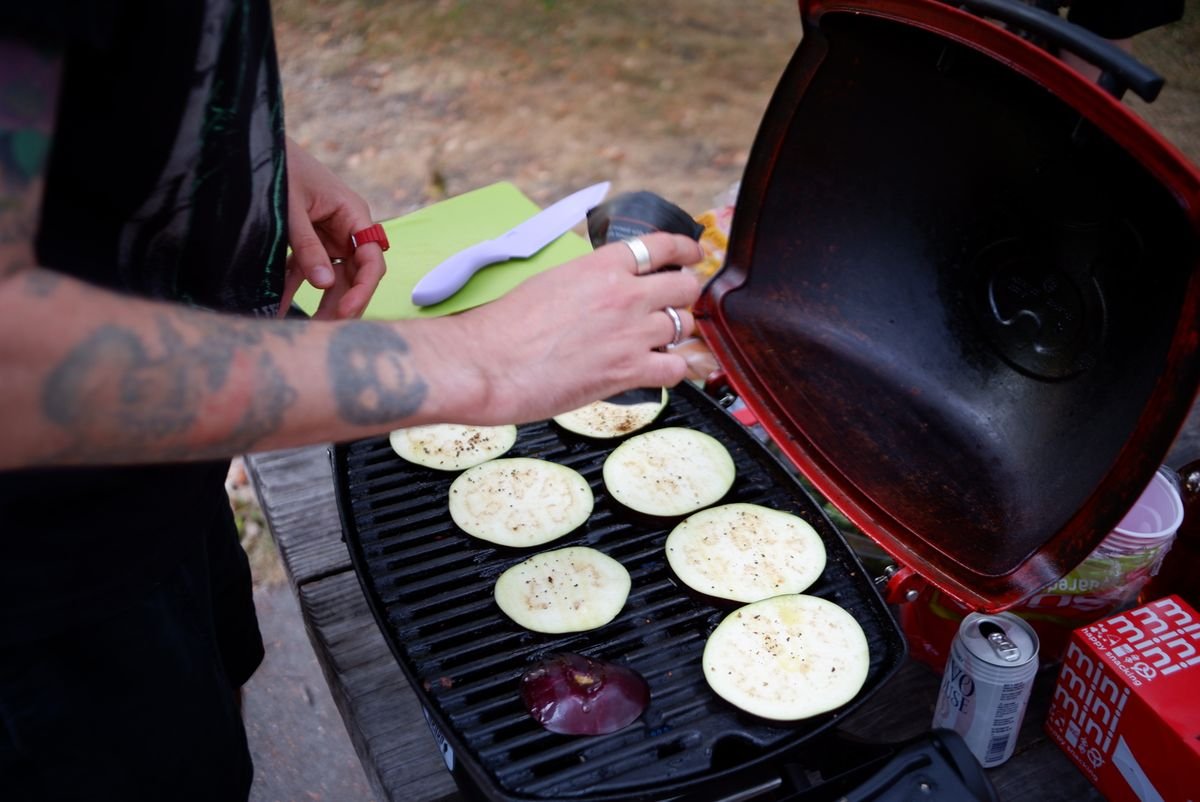
11. Grill Thick Slices, Not Thin
Cut eggplant into 3/4-inch planks for the grill. Thin slices fall apart and dry out; thick planks get beautiful char marks while staying creamy inside. Oil and salt right before grilling.
12. Press Out Water After Salting
After the 30-minute salt rest, press the slices firmly between paper towels or a clean kitchen towel. Removing the drawn-out liquid is what actually de-bitters — salting without pressing only does half the job.
13. Add Acid to Balance Richness
Eggplant's creamy richness loves acidity — lemon juice, vinegar, or tomatoes cut through and brighten it. A squeeze of lemon over roasted eggplant transforms it from heavy to vibrant.
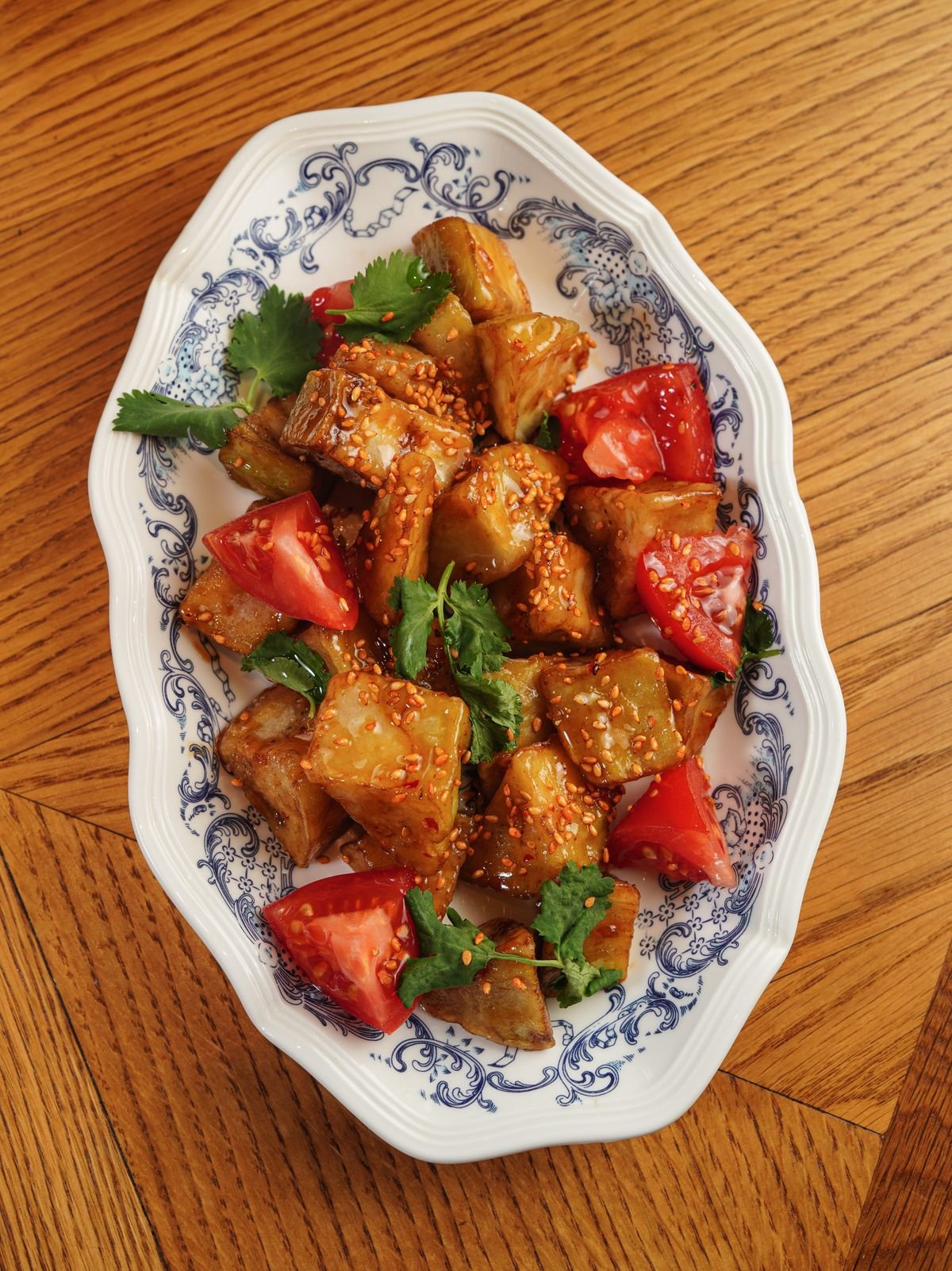
14. Try the Chinese Searing Method
Toss eggplant cubes with cornstarch, sear in hot oil until golden, then glaze with garlic-soy sauce. The cornstarch creates a crisp shell that keeps the interior creamy — never oily.
15. Don't Refrigerate the Raw Fruit
Cold damages eggplant's texture and flavor. Store whole eggplants at cool room temperature and use within 2–3 days — they deteriorate fast, getting bitter and seedy as they age.
16. Pick Them Small and Heavy
Choose eggplants that feel heavy for their size with smooth, glossy skin that springs back when pressed. Light, dull, wrinkled eggplants are old, seedy, and bitter inside.
17. Miso Glaze for Nasu Dengaku
Brush halved Japanese eggplants with sweet miso glaze and broil until caramelized. This Japanese classic turns eggplant into candy — sweet, savory, and deeply umami.
18. Layer It in Moussaka
Salted, roasted eggplant slices layered with spiced meat sauce and béchamel make moussaka — Greece's answer to lasagna. Roasting instead of frying the slices keeps it rich but not greasy.
19. Cube It for Curry
Eggplant cubes simmered in coconut curry for 15–20 minutes absorb all the sauce and turn meltingly tender. Add them after the sauce simmers so they don't disintegrate into mush.
20. Make Eggplant Bacon
Slice eggplant paper-thin lengthwise, brush with smoked paprika, soy sauce, and maple syrup, and bake low until crisp. It's smoky, sweet, and shatteringly crisp — shockingly bacon-like on a BLT.
21. Stuff the Halves
Halved eggplants roasted until scoopable, then filled with a mix of the scooped flesh, tomatoes, breadcrumbs, and cheese, make an impressive vegetarian main with almost no extra work.
22. Freeze Cooked, Not Raw
Raw eggplant turns to mush when frozen, but fully cooked eggplant (roasted cubes, ratatouille, baba ganoush) freezes beautifully for 3 months. Cook first, freeze second — always.
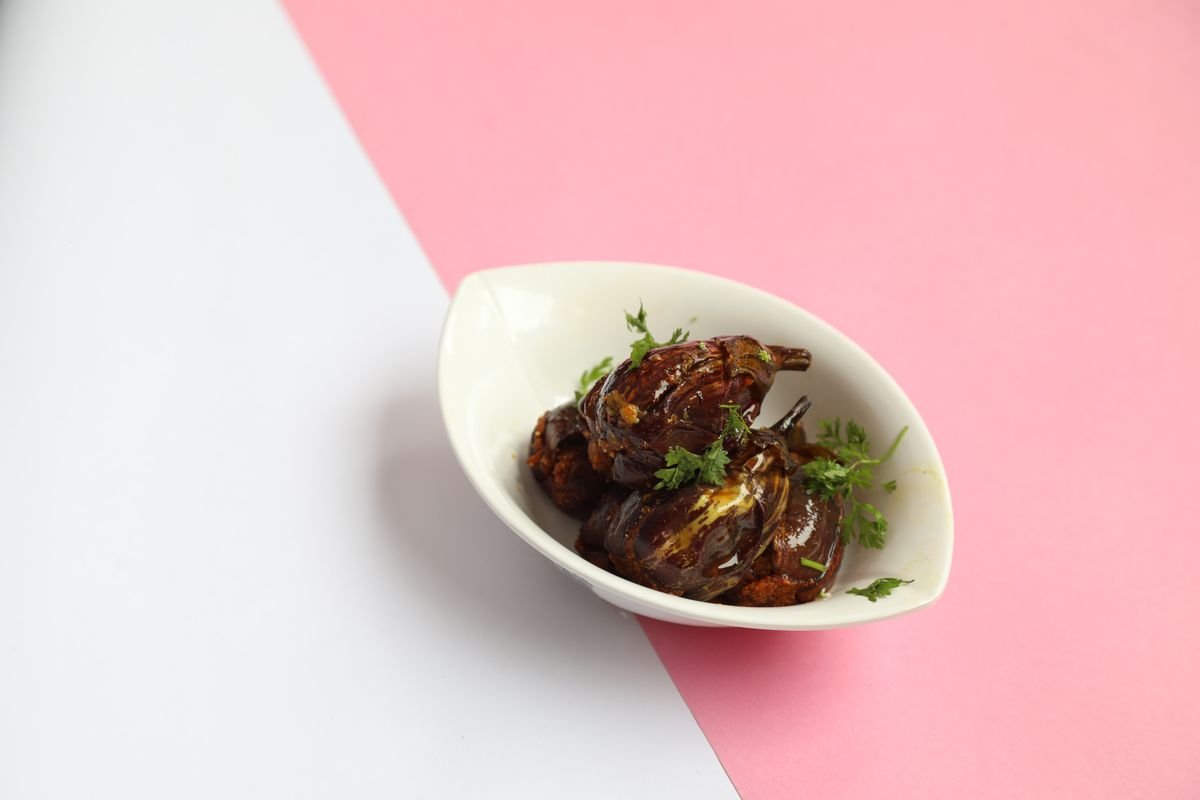
23. Ratatouille: Cook Vegetables Separately
The secret to great ratatouille is sautéing the eggplant, zucchini, and peppers separately before combining. Each vegetable keeps its own texture and flavor instead of melting into anonymous mush.
24. Smoke It for Depth
A whole eggplant on a smoker or grill with wood chips for 30 minutes picks up incredible smoky flavor. Mash the flesh into dips, or chop into grain bowls for instant complexity.
25. Finish with Fresh Herbs
Eggplant's deep, mellow flavor wakes up with fresh basil, mint, or parsley stirred in at the end. The herbs' brightness contrasts the richness — especially in Middle Eastern and Italian preparations.