
25 Roast Vegetable Hacks for Crispy Caramelized Veggies
Roasted vegetables should be crispy, caramelized, and deeply flavorful — not pale and steamed. These 25 roast vegetable hacks cover cutting, heat, seasoning, and finishing, so every sheet pan comes out of the oven looking and tasting irresistible.
1. Roast at 425°F or Higher
Roast at 425°F or Higher — Use high heat so vegetables caramelize instead of steaming. Below 400°F, vegetables release water faster than it evaporates, leaving them soft and pale.
2. Cut Pieces Evenly
Cut Pieces Evenly — Keep vegetable pieces roughly the same size so they finish together. Uneven cuts mean burnt small bits next to raw large ones on the same pan.
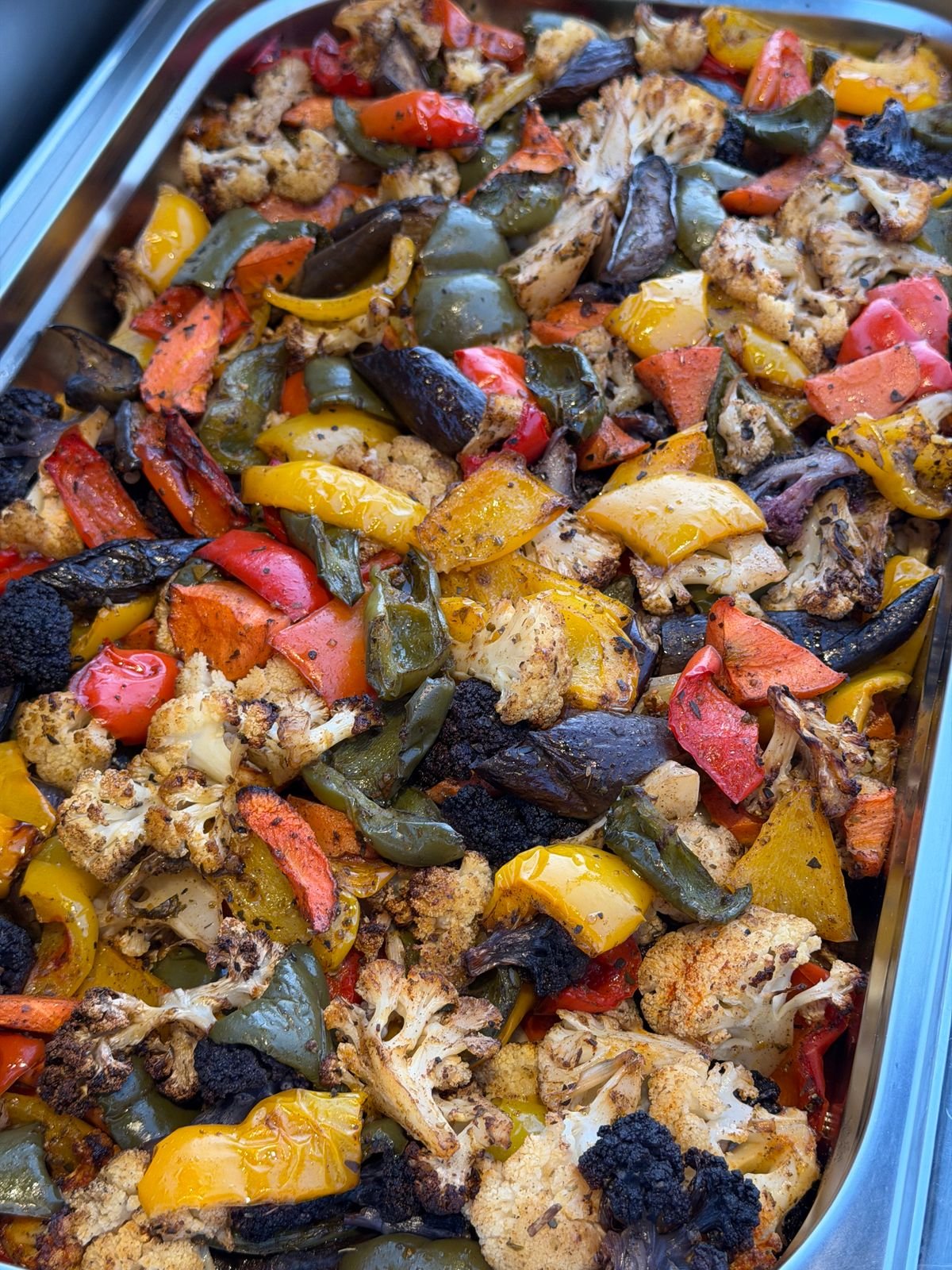
3. Do Not Crowd the Pan
Do Not Crowd the Pan — Spread vegetables in a single layer with space between them. Crowded pans trap steam, and steamed vegetables never crisp no matter how long they roast.
4. Dry Vegetables Before Oiling
Dry Vegetables Before Oiling — Pat washed vegetables dry with a towel before tossing with oil. Surface water repels oil and steams in the oven, blocking browning.
5. Toss Oil in a Bowl, Not on the Pan
Toss Oil in a Bowl, Not on the Pan — Toss vegetables with oil and seasoning in a big bowl for even coverage. Oil drizzled on the pan pools underneath and leaves tops dry.
6. Use Two Pans Instead of One Crowded One
Use Two Pans Instead of One Crowded One — Split a big batch across two sheet pans rather than piling one high. Two pans with airflow beat one crowded pan every time.
7. Preheat the Sheet Pan
Preheat the Sheet Pan — Heat the empty pan in the oven for 10 minutes before adding vegetables. A hot pan sears on contact, giving crispy bottoms from the start.
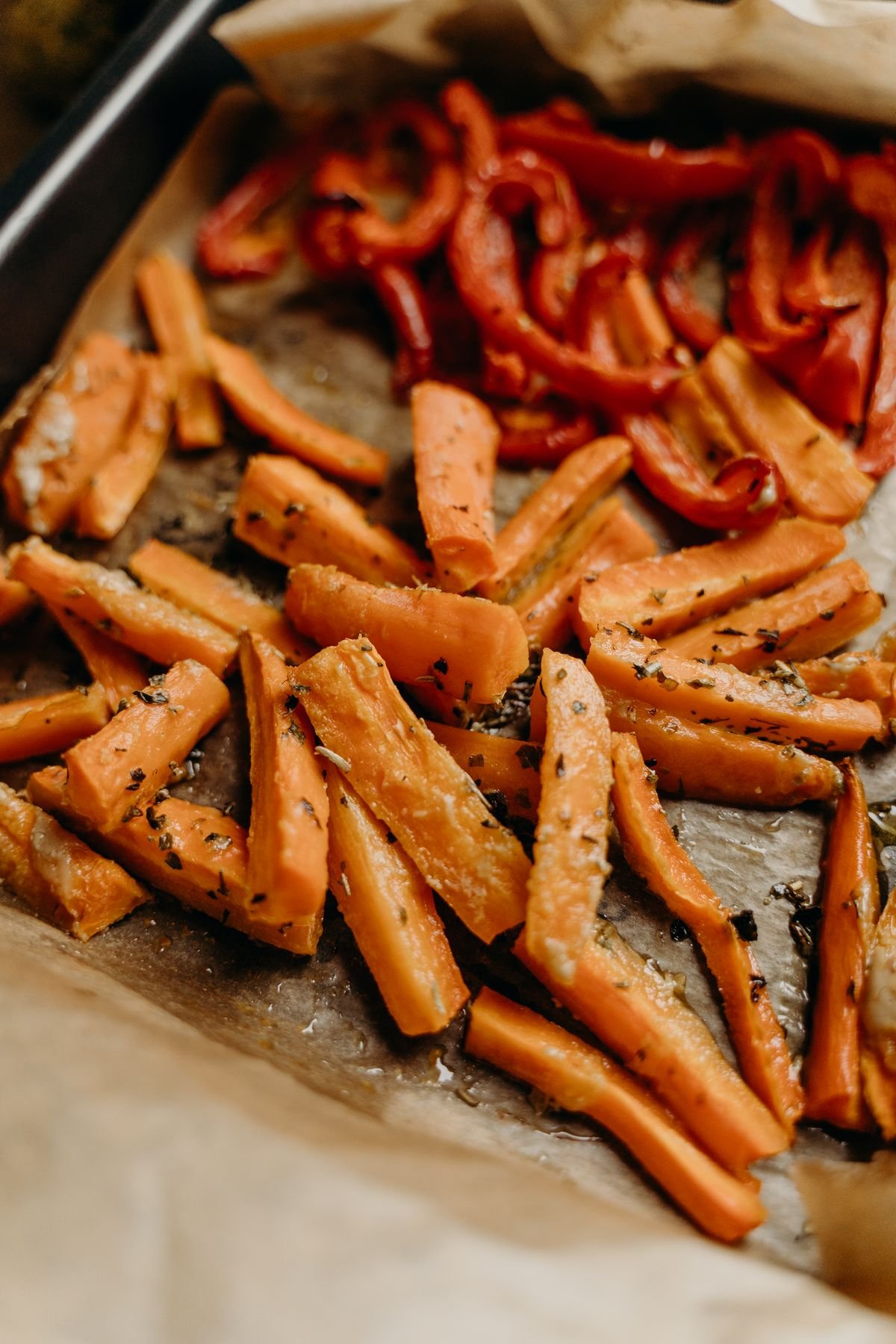
8. Flip Only Once
Flip Only Once — Turn vegetables a single time halfway through roasting. Constant flipping breaks crusts and cools the pan, while one flip builds deep browning.
9. Add Honey or Maple at the End
Add Honey or Maple at the End — Glaze with honey or maple only in the last 10 minutes. Sugars burn quickly at roasting temperatures, so late glazing gives shine without char.
10. Season After Roasting for Delicate Spices
Season After Roasting for Delicate Spices — Add flaky salt, fresh herbs, and delicate spices after roasting. High heat dulls fresh herbs, but a post-roast sprinkle keeps them vivid.
11. Roast Root Vegetables Longer
Roast Root Vegetables Longer — Give carrots, beets, and sweet potatoes extra time over quick-cooking vegetables. Dense roots need 35 to 45 minutes, while zucchini and peppers need only 20.
12. Use Parchment for Easy Cleanup
Use Parchment for Easy Cleanup — Line sheet pans with parchment so caramelized sugars do not weld to the metal. Cleanup becomes a single sheet toss instead of a scrubbing session.
13. Add Garlic Whole, Not Minced
Add Garlic Whole, Not Minced — Roast whole unpeeled garlic cloves alongside vegetables. Minced garlic burns long before vegetables finish, but whole cloves turn sweet and soft.
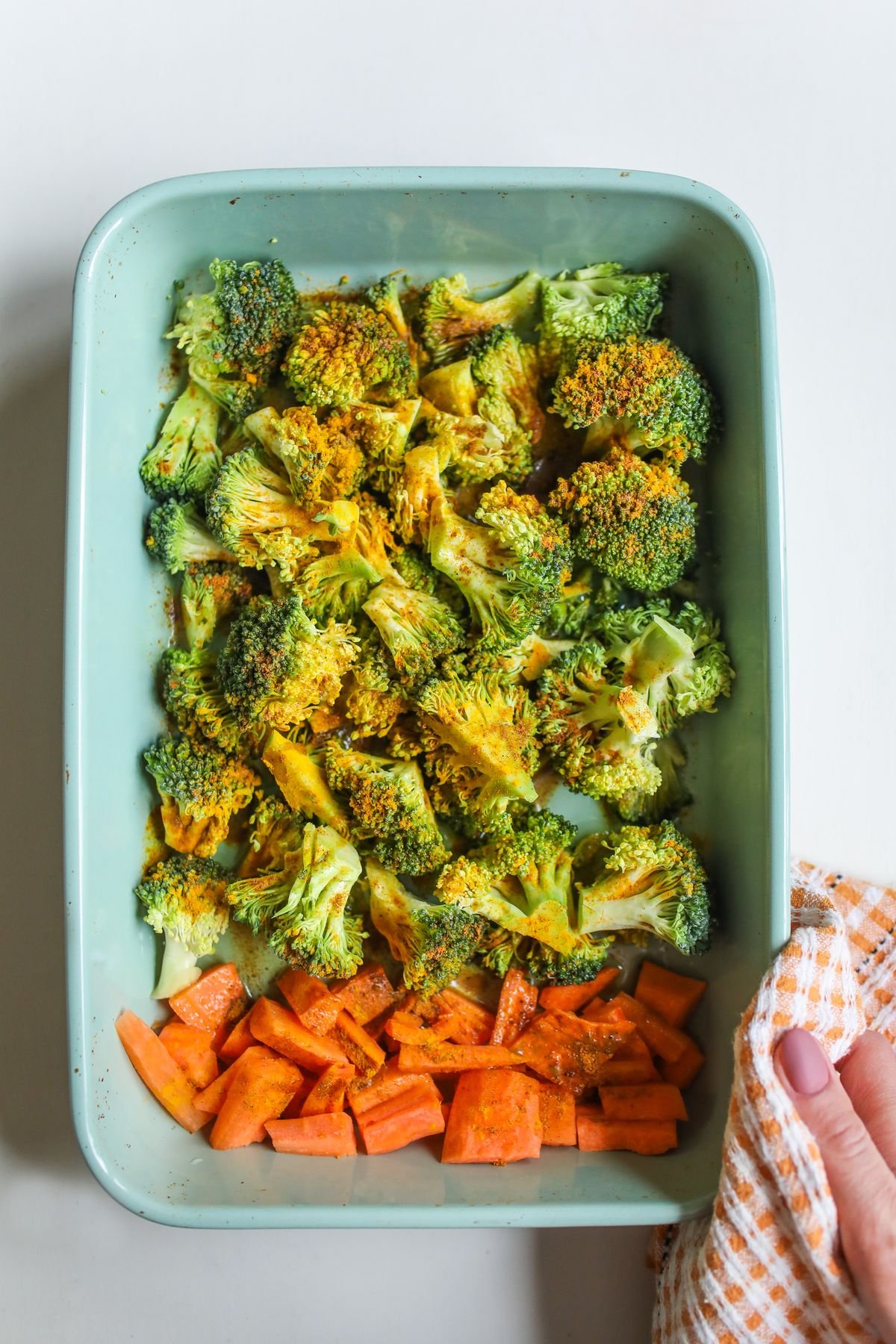
14. Cut Broccoli with Flat Sides
Cut Broccoli with Flat Sides — Slice broccoli stems so florets sit flat on the pan. Flat sides maximize contact with the hot pan, giving crispy, charred edges instead of steamed tops.
15. Toss with Cornstarch for Extra Crunch
Toss with Cornstarch for Extra Crunch — Dust vegetables lightly with cornstarch before roasting for a crispier exterior. It works especially well on potatoes and cauliflower.
16. Add Acid After Roasting
Add Acid After Roasting — Squeeze lemon or splash vinegar over vegetables once they leave the oven. Acid brightens caramelized flavors that long roasting can make one-note.
17. Roast at Different Times on One Pan
Roast at Different Times on One Pan — Add quick vegetables to the pan halfway through slow ones. Staggered timing lets carrots and green beans share a pan and finish together.

18. Use Enough Oil, Not Too Little
Use Enough Oil, Not Too Little — Coat vegetables generously, since too little oil leaves them dry and leathery. A thin even sheen is the right amount, not a bare sprinkle.
19. Try the Broiler for a Final Crisp
Try the Broiler for a Final Crisp — Finish vegetables under the broiler for 2 minutes for extra char. The intense top heat crisps edges fast without overcooking the centers.
20. Store Roasted Vegetables Uncovered at First
Store Roasted Vegetables Uncovered at First — Cool roasted vegetables uncovered before refrigerating. Covering hot vegetables traps steam and turns yesterday’s crisp edges soggy.
21. Reheat on a Sheet Pan, Not in the Microwave
Reheat on a Sheet Pan, Not in the Microwave — Crisp leftovers on a hot sheet pan at 400°F for 8 minutes. The microwave softens them, but the oven restores much of the original crunch.
22. Mix Textures in One Pan
Mix Textures in One Pan — Combine crispy, soft, and chewy vegetables like carrots, mushrooms, and chickpeas. Mixed textures make a simple side feel like a complete dish.
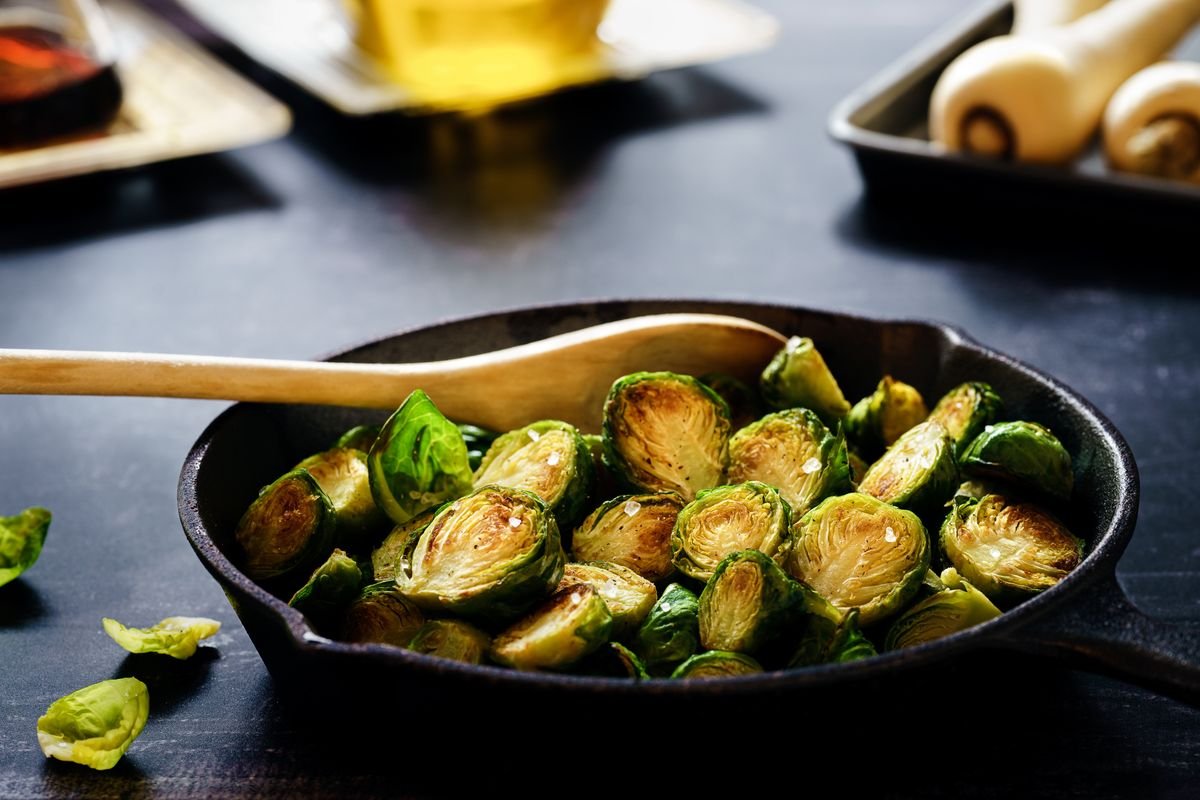
23. Add Cheese in the Last 5 Minutes
Add Cheese in the Last 5 Minutes — Sprinkle parmesan over vegetables near the end so it melts without burning. Early cheese turns bitter and dark before vegetables finish.
24. Save Vegetable Peels for Stock
Save Vegetable Peels for Stock — Freeze carrot peels, onion ends, and herb stems for homemade stock. Scraps you would toss add free flavor to future soups.
25. Finish with Fresh Herbs and Good Oil
Finish with Fresh Herbs and Good Oil — Top roasted vegetables with chopped parsley and a drizzle of quality olive oil. Fresh herbs and good oil are the final touch that makes simple vegetables taste special.