
25 Winter Dinner Hacks for Cozy Cold Nights
Cold nights call for dinners that warm you from the inside — but nobody wants to stand over the stove for hours after a long day. These 25 winter dinner hacks deliver maximum coziness with weeknight-friendly effort.
1. Bloom Spices in Fat First
Bloom Spices in Fat First — Toast ground spices in butter or oil for 30 seconds before adding liquids. Blooming wakes up fat-soluble flavor compounds, making curries, chilis, and stews taste deeper with the same ingredients.
2. Finish Soups with a Splash of Acid
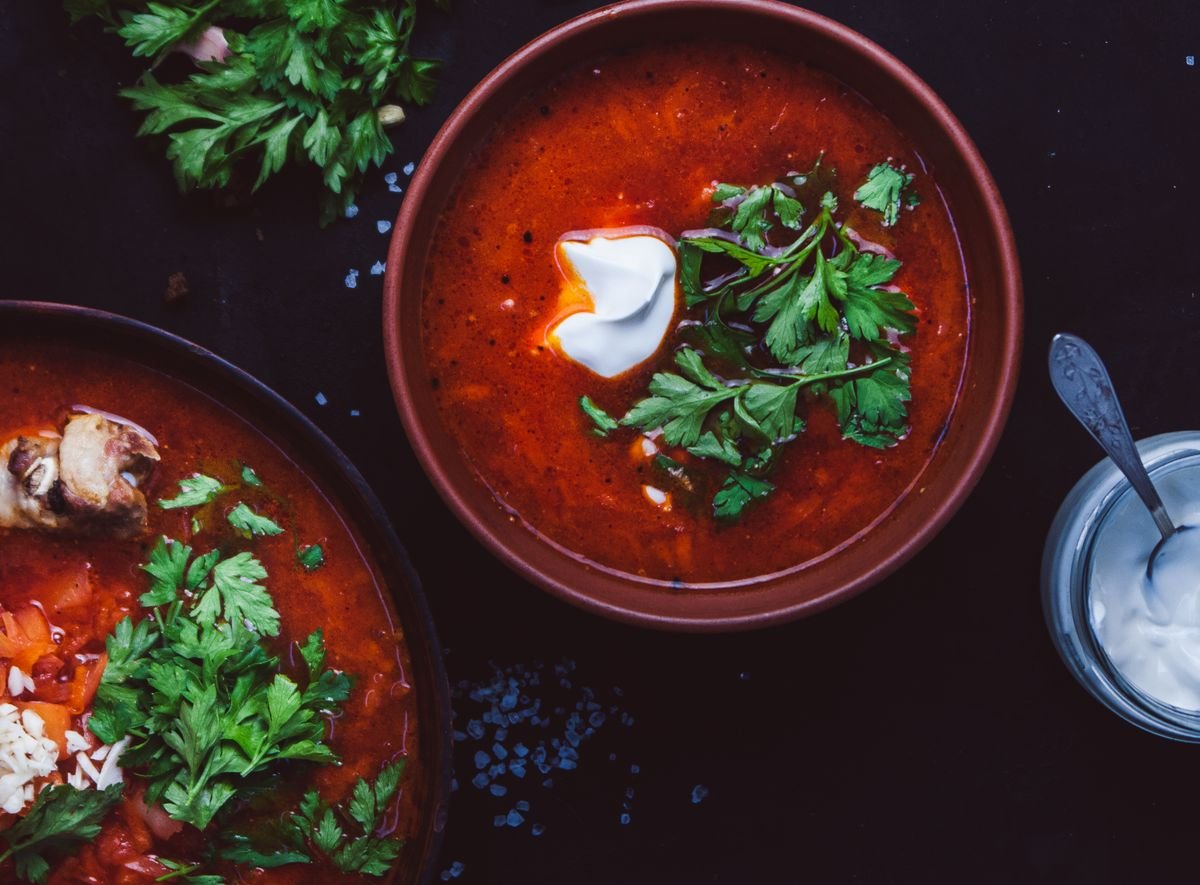
Finish Soups with a Splash of Acid — A squeeze of lemon or spoonful of vinegar at the end brightens heavy winter soups instantly. Acid lifts rich broths the way salt cannot, and it takes ten seconds.
3. Roast Vegetables at High Heat
Roast Vegetables at High Heat — Crank the oven to 425°F for root vegetables — the high heat caramelizes natural sugars for sweet, crispy edges. Crowding the pan steams them, so use two pans if needed.
4. Keep a Parmesan Rind for Soups
Keep a Parmesan Rind for Soups — Toss the hard rind of parmesan into simmering soups and stews, then fish it out before serving. It melts into the broth, adding savory depth you cannot get from grated cheese.
5. Sear Meat Before Braising
Sear Meat Before Braising — Brown chuck roast or short ribs hard on all sides before adding liquid. The Maillard crust becomes the flavor foundation of the whole braise — skipping it leaves the dish flat.
6. Use the Broiler for Crispy Tops
Use the Broiler for Crispy Tops — Finish casseroles and baked pastas under the broiler for two minutes. The blast of direct heat creates a golden, crackly crust that an oven alone never quite achieves.
7. Double Your Soup Batch
Double Your Soup Batch — Winter soups freeze perfectly, so always make twice what you need. One dinner now, one effortless dinner later — the best return on chopping time you will ever get.
8. Thicken with a Cornstarch Slurry
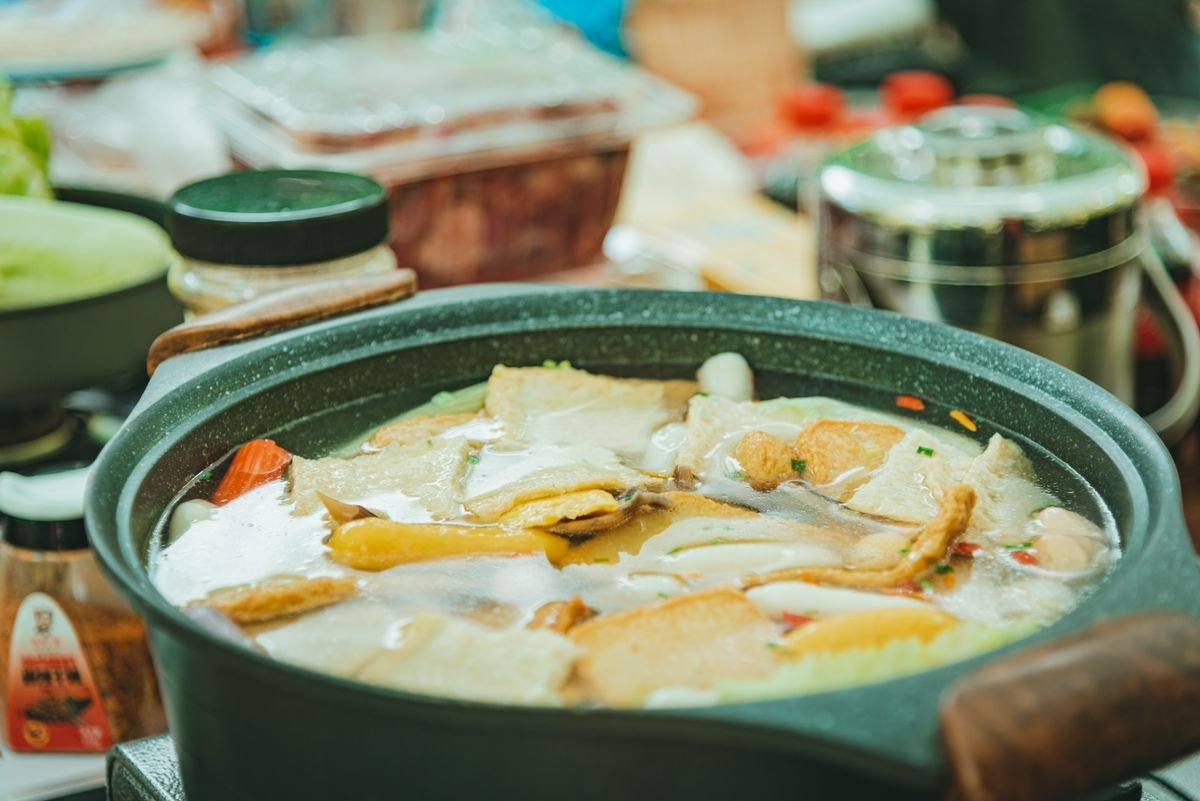
Thicken with a Cornstarch Slurry — Whisk a tablespoon of cornstarch into cold water and stir it into simmering stew. It thickens in one minute without the floury taste or lumps of a rushed roux.
9. Add Beans for Hearty Cheap Protein
Add Beans for Hearty Cheap Protein — A can of white beans or chickpeas stretches any winter dinner for pennies. They absorb the flavors around them and add creamy texture plus staying power to soups and bakes.
10. Deglaze the Pan with Wine
Deglaze the Pan with Wine — After searing meat, pour in a splash of wine and scrape up the browned bits. Those stuck-on bits are concentrated flavor, and deglazing turns them into the base of a rich pan sauce.
11. Cook Grains in Broth
Cook Grains in Broth — Swap water for chicken or vegetable broth when cooking rice, farro, or quinoa. The grains absorb savory flavor all the way through, upgrading the whole winter bowl.
12. Warm Your Bowls
Warm Your Bowls — Rinse serving bowls with hot water before ladling in soup. Warm bowls keep the first bites hot to the last spoonful, which matters on a freezing night.
13. Make a Big Batch of Mirepoix
Make a Big Batch of Mirepoix — Dice a huge batch of onion, carrot, and celery on Sunday and refrigerate. Scoop out a cup whenever a recipe starts with aromatics, and weeknight soups begin in seconds.
14. Use Frozen Vegetables Freely
Use Frozen Vegetables Freely — Frozen peas, corn, and spinach are picked at peak ripeness and work perfectly in winter cooking. They save chopping time and perform identically in soups, pot pies, and casseroles.
15. Finish with Fresh Herbs
Finish with Fresh Herbs — Stir in parsley, dill, or cilantro right before serving winter dishes. Fresh herbs add brightness and color that contrast beautifully with long-cooked, earthy flavors.
16. Bake Bread Alongside Dinner
Bake Bread Alongside Dinner — Slide a tray of refrigerated biscuit or roll dough into the oven while dinner bakes. Warm bread with zero extra timing turns an ordinary winter meal into an event.
17. Shred Meat with a Stand Mixer
Shred Meat with a Stand Mixer — Drop warm braised pork or chicken into the stand mixer with the paddle on low. Ten seconds of mixing shreds a whole roast evenly — no more fork-shredding for twenty minutes.
18. Add a Parmesan Crisp Garnish
Add a Parmesan Crisp Garnish — Bake small mounds of grated parmesan at 400°F for five minutes until lacy and golden. The crisps add salty crunch to soups and salads with almost no effort.
19. Keep Dumplings in the Freezer
Keep Dumplings in the Freezer — Frozen potstickers or tortellini turn any broth into a substantial winter dinner in ten minutes. Keep a bag on hand for nights when cooking from scratch is not happening.
20. Use the Oven’s Residual Heat
Use the Oven’s Residual Heat — When the roast comes out, slide in a tray of vegetables or a cobbler to bake in the cooling oven. You capture free heat and the side dish is ready when the meat rests.
21. Salt Pasta Water Generously
Salt Pasta Water Generously — Winter pasta dishes need well-seasoned noodles since the sauce clings lightly. Salt the water until it tastes like the sea — it is the only chance to season the pasta itself.
22. Make Compound Butter Ahead
Make Compound Butter Ahead — Mash softened butter with garlic, herbs, or miso and roll into a log. Slices melt over steaks, vegetables, and bread, adding instant richness to any winter plate.
23. Tent Meat While It Rests
Tent Meat While It Rests — Rest roasts loosely tented with foil for 15 minutes before slicing. The juices redistribute instead of running out, so every slice stays moist.
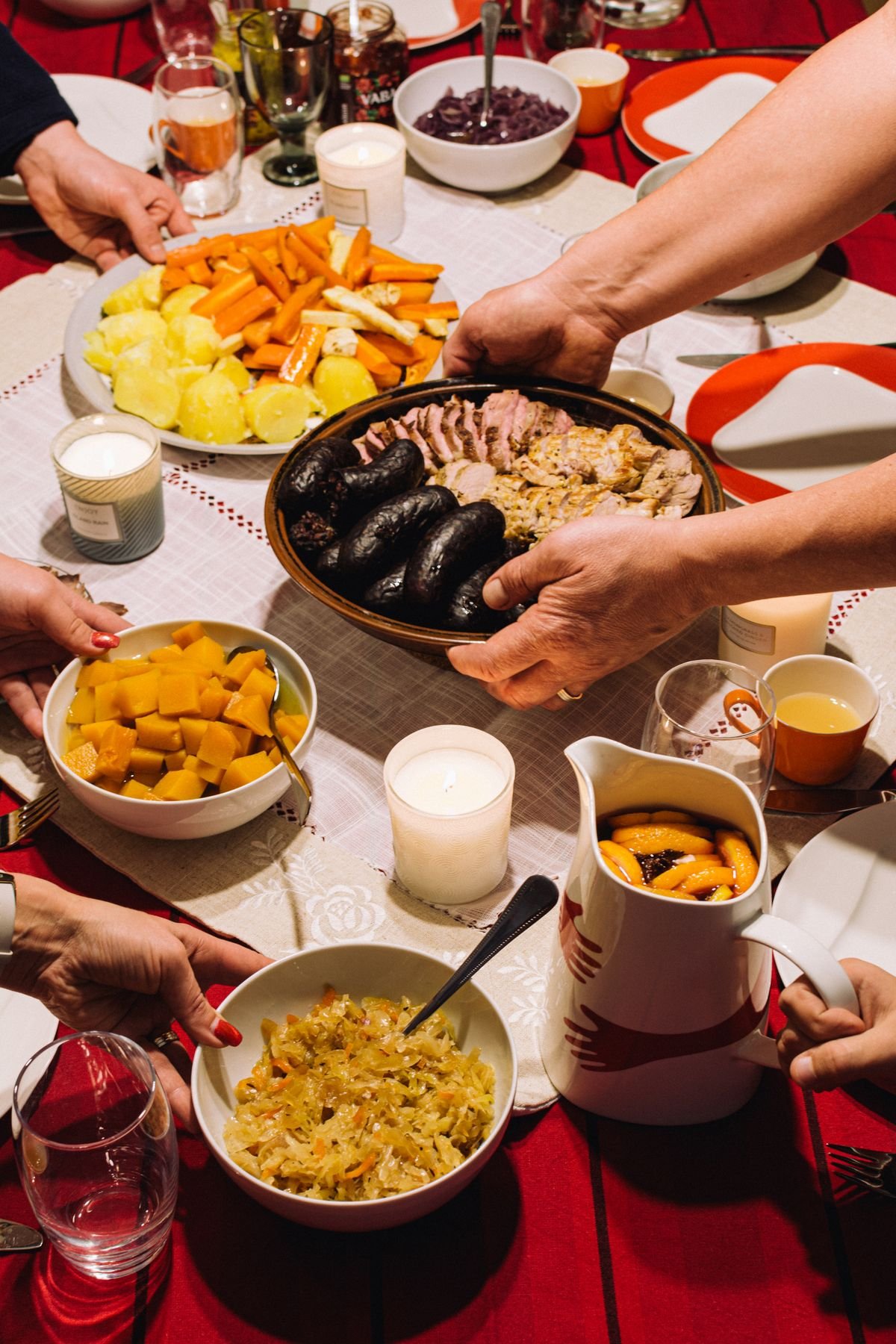
24. Serve Family Style
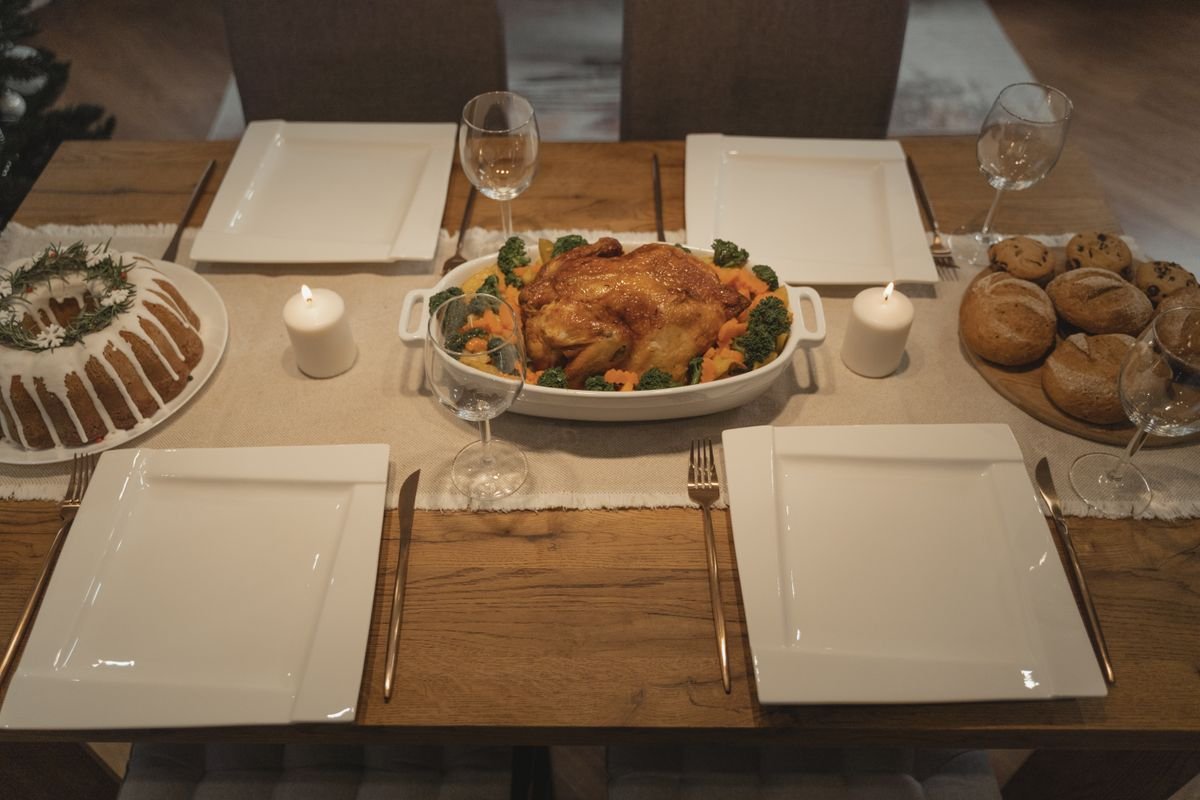
Serve Family Style — Put the whole pot or platter in the middle of the table. Family-style serving keeps food warmer longer, cuts down on plating time, and makes weeknight dinners feel special.
25. End with Something Warm
End with Something Warm — A mug of hot apple cider or a quick bread pudding finishes a winter dinner perfectly. Warm desserts extend the cozy feeling without requiring a separate baking project.