25 Cast Iron Skillet Hacks
A cast iron skillet is a lifetime tool — if you know how to use it. These 25 cast iron hacks cover seasoning that actually works, the no-soap myth, perfect sears, cornbread, pizzas, and rescuing rusty pans from the brink.
1. Preheat Longer Than You Think
Heat cast iron over medium for a full 5-8 minutes before adding food. The dense metal heats slowly but holds heat incredibly well — a properly preheated skillet sears like a restaurant flat-top.
2. Season With Thin Layers, Not Thick Ones
Wipe oil over the pan, then wipe it ALL off like you made a mistake before baking upside-down at 450°F. Thin layers polymerize into hard seasoning; thick layers turn sticky and gummy.
3. Use Flaxseed Oil for the Hardest Seasoning
Flaxseed oil polymerizes into the hardest, most durable seasoning layer. It's pricier, but 3-4 thin flaxseed coats create a nearly nonstick surface that lasts for years.
4. Cook Bacon First in a New Pan
Frying bacon is the best break-in for fresh seasoning. The rendering fat fills the pan's pores evenly as it cooks — a delicious way to build up that initial nonstick layer.
5. Don't Fear Soap Anymore
A little mild dish soap won't destroy modern seasoning — that rule dates to lye-based soaps. Wash with soap and a stiff brush, then dry immediately on heat; the seasoning survives just fine.
6. Dry on the Stove, Never Air-Dry
After washing, set the skillet on medium heat for 2-3 minutes until bone dry. Any lingering water droplet causes rust spots overnight — stovetop drying guarantees a rust-free pan.
7. Oil It While Still Warm
Wipe a teaspoon of neutral oil over the warm, dry skillet after every use. The warm metal absorbs it into the seasoning, maintaining the protective layer with 30 seconds of effort.
8. Sear Steaks With the Reverse Sear
Bake thick steaks at 275°F to 115°F internal, then sear 60 seconds per side in a smoking-hot skillet. You get edge-to-edge pink with a deep crust — steakhouse results at home.
9. Make Shattering Cornbread
Preheat the skillet with butter in a 425°F oven, then pour in the batter — it should sizzle on contact. The screaming-hot pan creates an unbeatable crispy, buttery crust.
10. Bake Pizza for a Puffy, Charred Crust
Preheat the skillet in a 500°F oven, stretch dough into the hot pan, top quickly, and bake 10-12 minutes. The intense bottom heat puffs the crust like a wood-fired oven.

11. Use It as a Burger Press
Heat a second small skillet and press it onto burger patties for the first 2 minutes. The weight maximizes crusty contact with the pan — smash-burger edges without a special tool.
12. Fry Chicken for the Crispiest Crust
Maintain 325-350°F oil in the deep skillet and don't crowd the pieces. Cast iron's heat retention keeps the temperature steady when cold chicken hits the oil — the key to shattering crust.
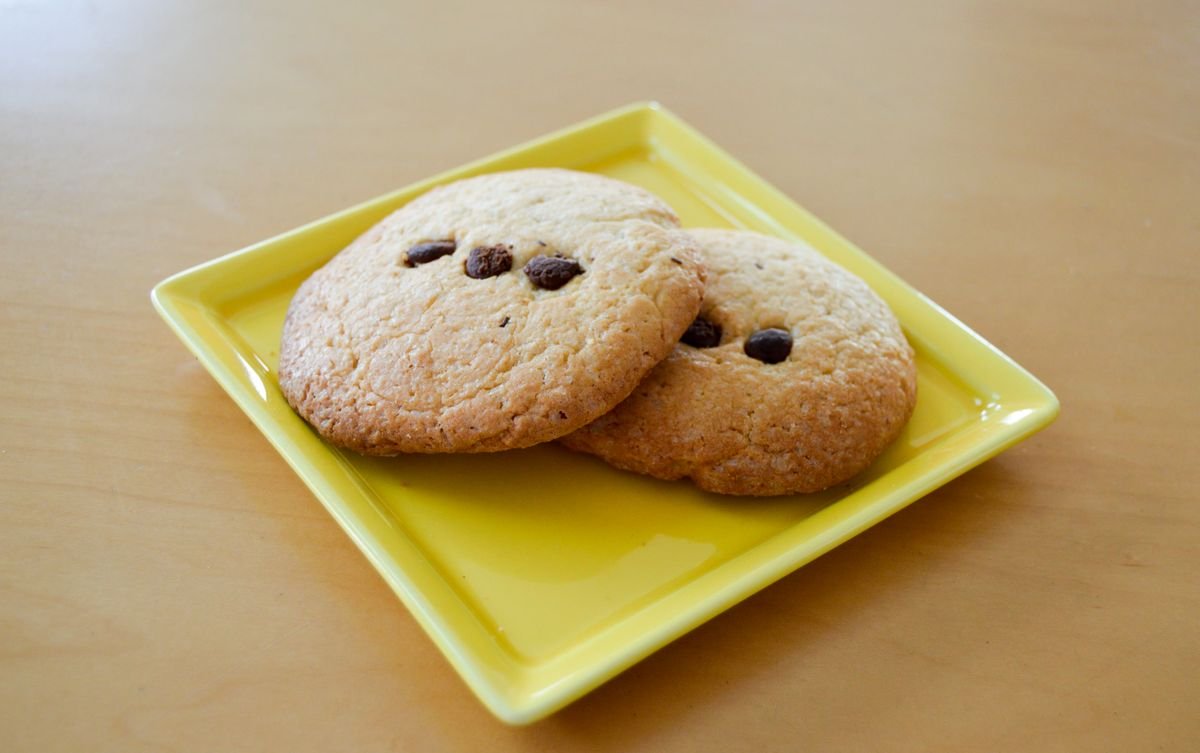
13. Make a Giant Skillet Cookie
Press cookie dough into a buttered skillet and bake at 350°F for 20-25 minutes until golden at the edges. Serve warm with ice cream scooped right in the pan — the ultimate shareable dessert.
14. Deglaze for Instant Pan Sauce
After searing meat, pour in wine or stock and scrape up the browned fond. Reduce 3 minutes, swirl in butter — a restaurant pan sauce from the bits most people wash away.
15. Roast a Whole Chicken Evenly
Set a spatchcocked chicken directly in the skillet and roast at 450°F. The pan's even heat crisps the bottom skin while the top roasts — no soggy underside, all crispy.
16. Rescue Rust With Salt and Potato
Scrub rust spots with coarse salt and a halved potato — the oxalic acid in the potato dissolves rust while the salt abrades it. Rinse, dry on heat, and re-season the spot.
17. Strip and Re-Season Hopeless Pans
For truly ruined pans, spray with oven cleaner in a sealed bag overnight, scrub to bare metal, and apply 4 thin seasoning coats. Even the rustiest thrift-store find can become a daily driver.
18. Use Metal Utensils Freely
Good seasoning laughs at metal spatulas — they're actually ideal for keeping the surface smooth. Avoid only extreme scraping on brand-new, fragile seasoning in its first weeks.
19. Bake No-Knead Bread in It
Preheat the skillet with the oven at 450°F, drop in risen no-knead dough, cover with a lid or foil, and bake 30 minutes. The trapped steam and fierce heat produce a crackling artisan crust.
20. Control Heat by Moving, Not Adjusting
Slide the skillet partially off the burner for instant gentler heat instead of fiddling with the dial. Cast iron responds slowly to dial changes but immediately to position changes.
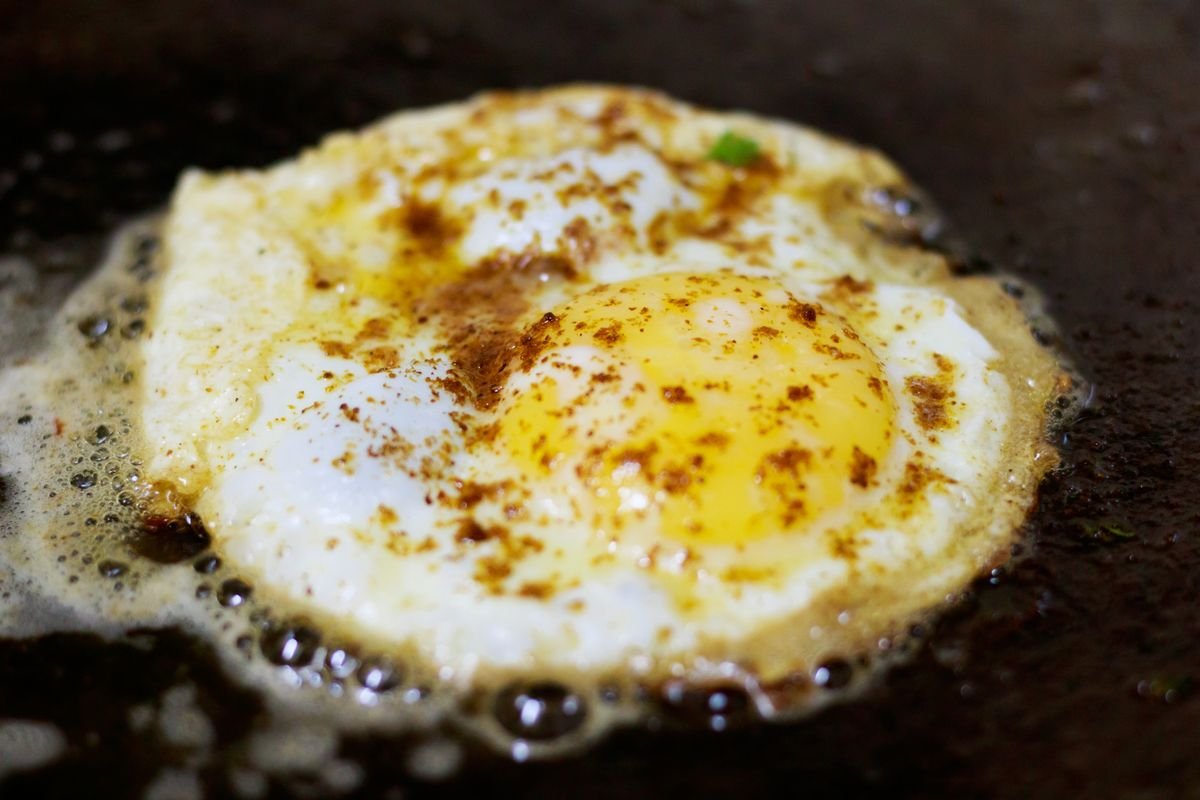
21. Make Perfect Fried Eggs
Heat the skillet medium-low with butter until it foams, crack in eggs, and cover 2 minutes. Low, even heat sets the whites without browning while the lid steams the tops — no flipping needed.
22. Store With a Paper Towel Inside
Place a folded paper towel or cloth inside before stacking or hanging. It absorbs any residual moisture and prevents the seasoning from getting scratched by lids or other pans.
23. Deep-Fry Safely in Cast Iron
The heavy pan holds oil temperature rock-steady for frying. Use a thermometer, fill only halfway, and never leave it unattended — steady heat means less grease absorption.
24. Make Frittatas Start to Finish
Sauté fillings on the stovetop, pour in beaten eggs, then transfer the whole skillet to a 375°F oven for 12 minutes. One pan from raw ingredients to puffed, golden frittata.
25. Pass It Down — It Gets Better
Well-maintained cast iron improves for decades as seasoning layers build into glassy smoothness. Cook acidic foods sparingly in young pans, generously in old ones — time is the ultimate seasoning.