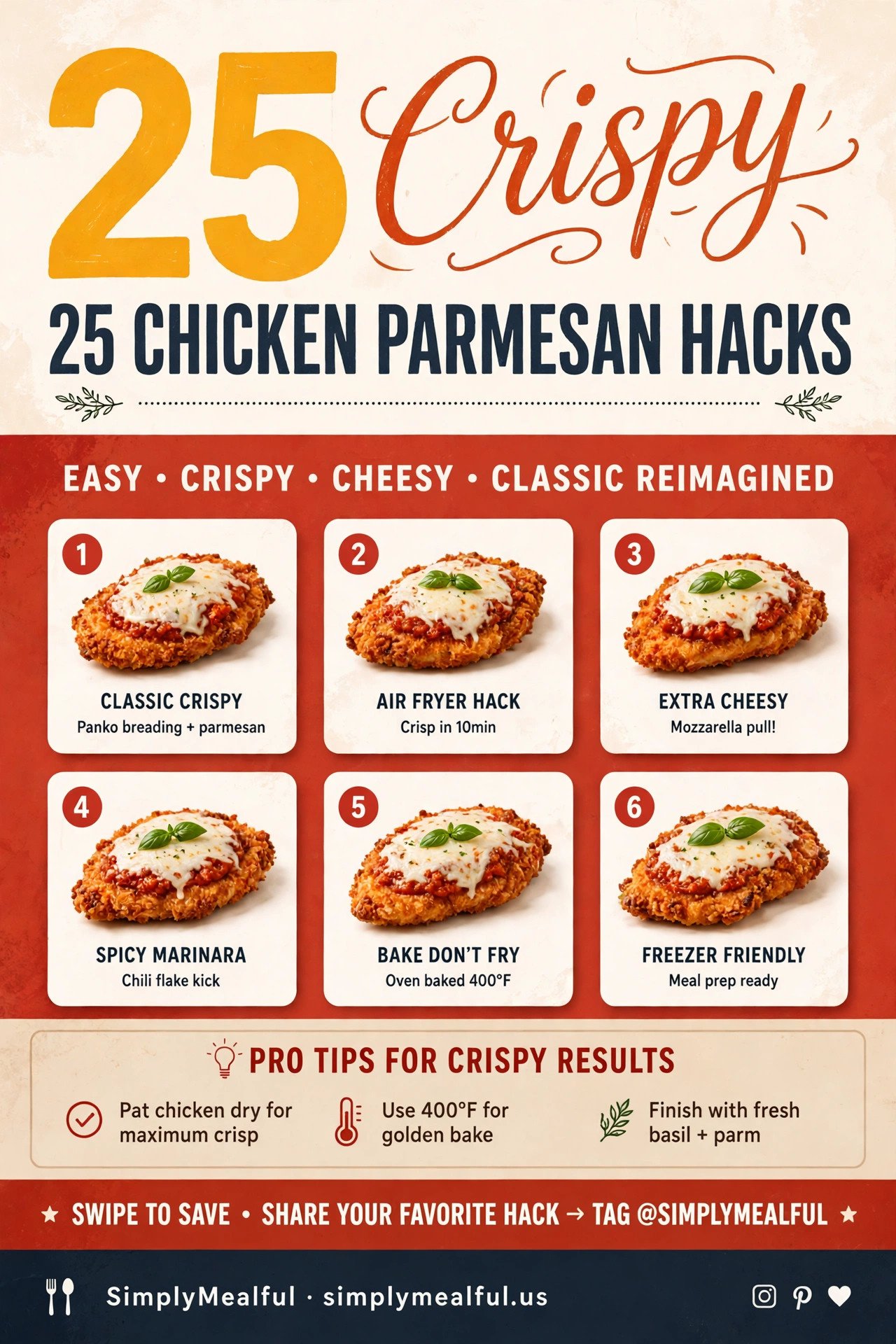
25 Chicken Parmesan Hacks for Crispy, Cheesy, Never-Soggy Chicken Parm
Chicken parmesan should be shatteringly crisp under a blanket of melted cheese — never soggy, never dry. These 25 hacks cover pounding, breading, frying, saucing, and melting so your chicken parm comes out golden and juicy every single time.
1. Pound Chicken to an Even Half Inch
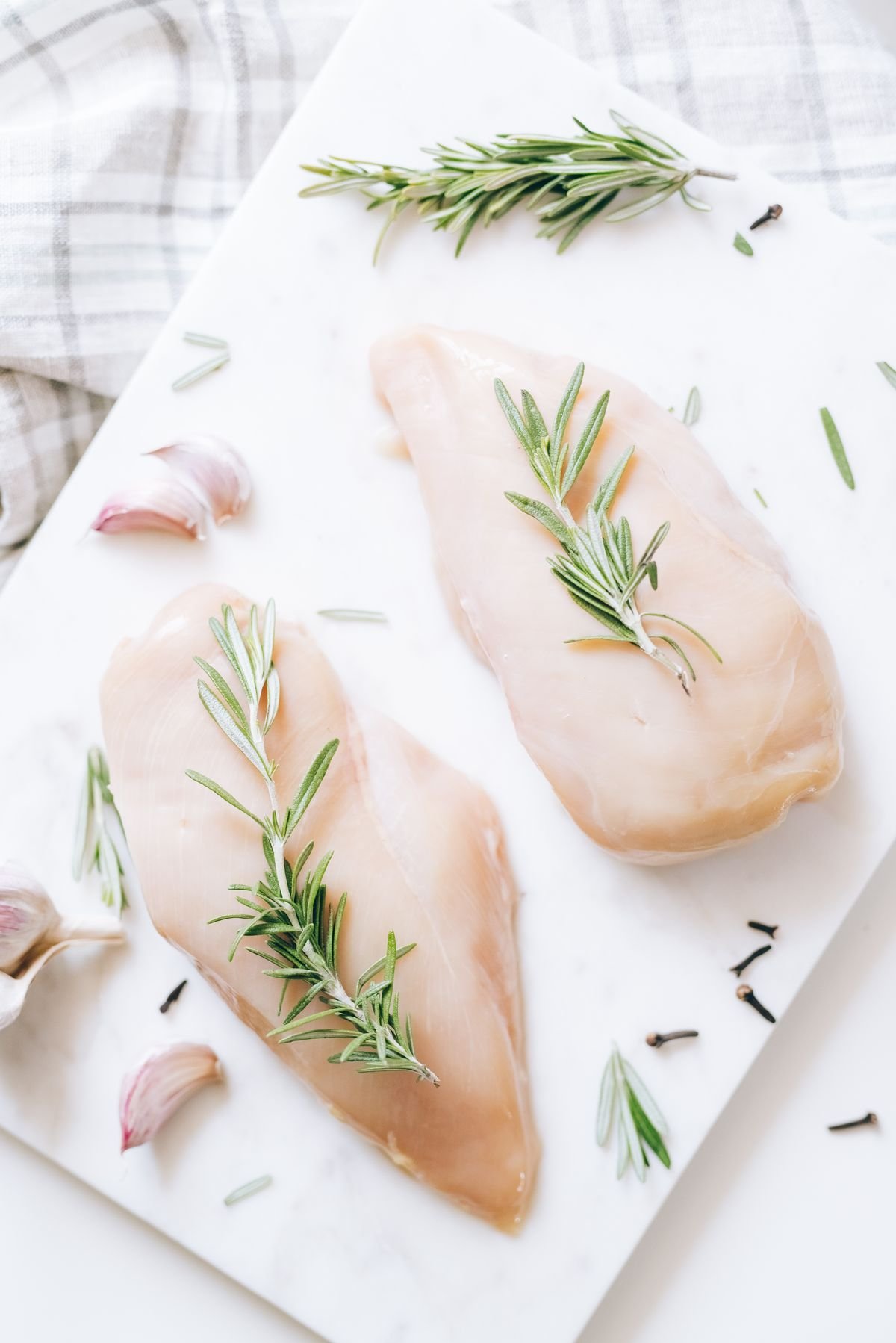
Pound Chicken to an Even Half Inch — Pound each breast to an even half inch thick between plastic wrap. Even thickness is the whole game: thin spots dry out while thick spots stay raw, and an even cutlet fries golden all over in the same time.
2. Butterfly Thick Breasts First
Butterfly Thick Breasts First — Slice very thick breasts horizontally into two thinner cutlets before pounding. You get more servings from the same chicken, and thin cutlets cook faster and crispier than one thick, hard-to-cook piece.
3. Salt the Chicken an Hour Ahead
Salt the Chicken an Hour Ahead — Season the cutlets with salt at least 45 minutes before breading, or overnight in the fridge. Salted early, the meat seasons all the way through and stays juicier; salted at the last second only seasons the coating.
4. Dry the Chicken Before Breading
Dry the Chicken Before Breading — Pat cutlets completely dry with paper towels before the flour dredge. A dry surface lets the coating grip tightly instead of sliding off in the pan, and moisture is the enemy of crisp breading.
5. Season Every Breading Layer
Season Every Breading Layer — Put salt, pepper, garlic powder, and parmesan into the flour, the egg, and the breadcrumbs. If only the crumbs are seasoned, the first bite tastes great and the rest tastes plain — season every layer.
6. Use Panko for Maximum Crunch
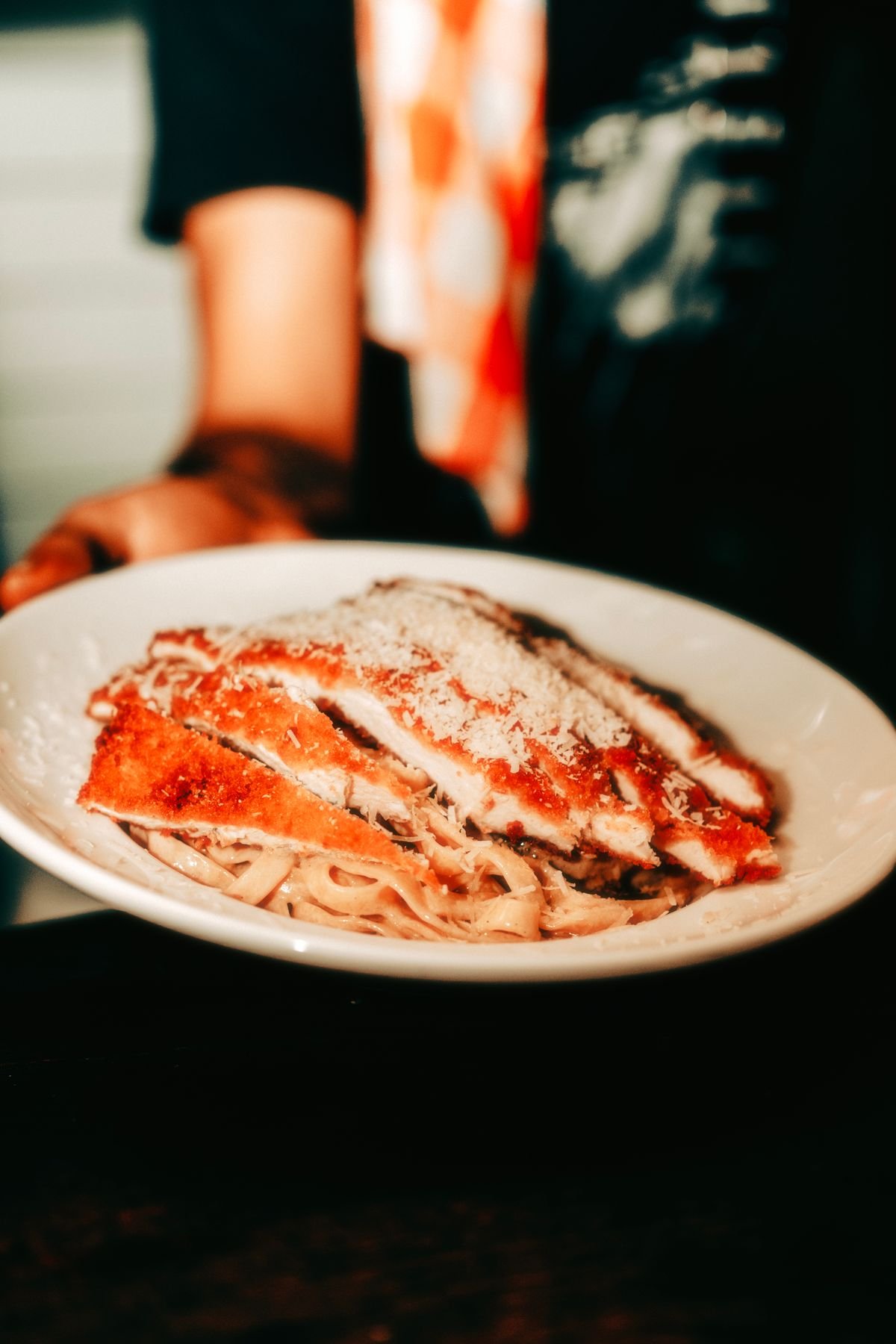
Use Panko for Maximum Crunch — Panko breadcrumbs fry up dramatically crunchier than fine dried crumbs because their large, airy flakes crisp instead of compacting. For extra crunch, use panko mixed with a handful of grated parmesan.
7. Double-Dredge for a Sturdy Crust
Double-Dredge for a Sturdy Crust — Dip in flour, egg, crumbs, then egg and crumbs again for a thick, sturdy crust that survives saucing. A single thin coat goes soggy under sauce; a double coat stays crisp to the last bite.
8. Rest Breaded Cutlets Before Frying
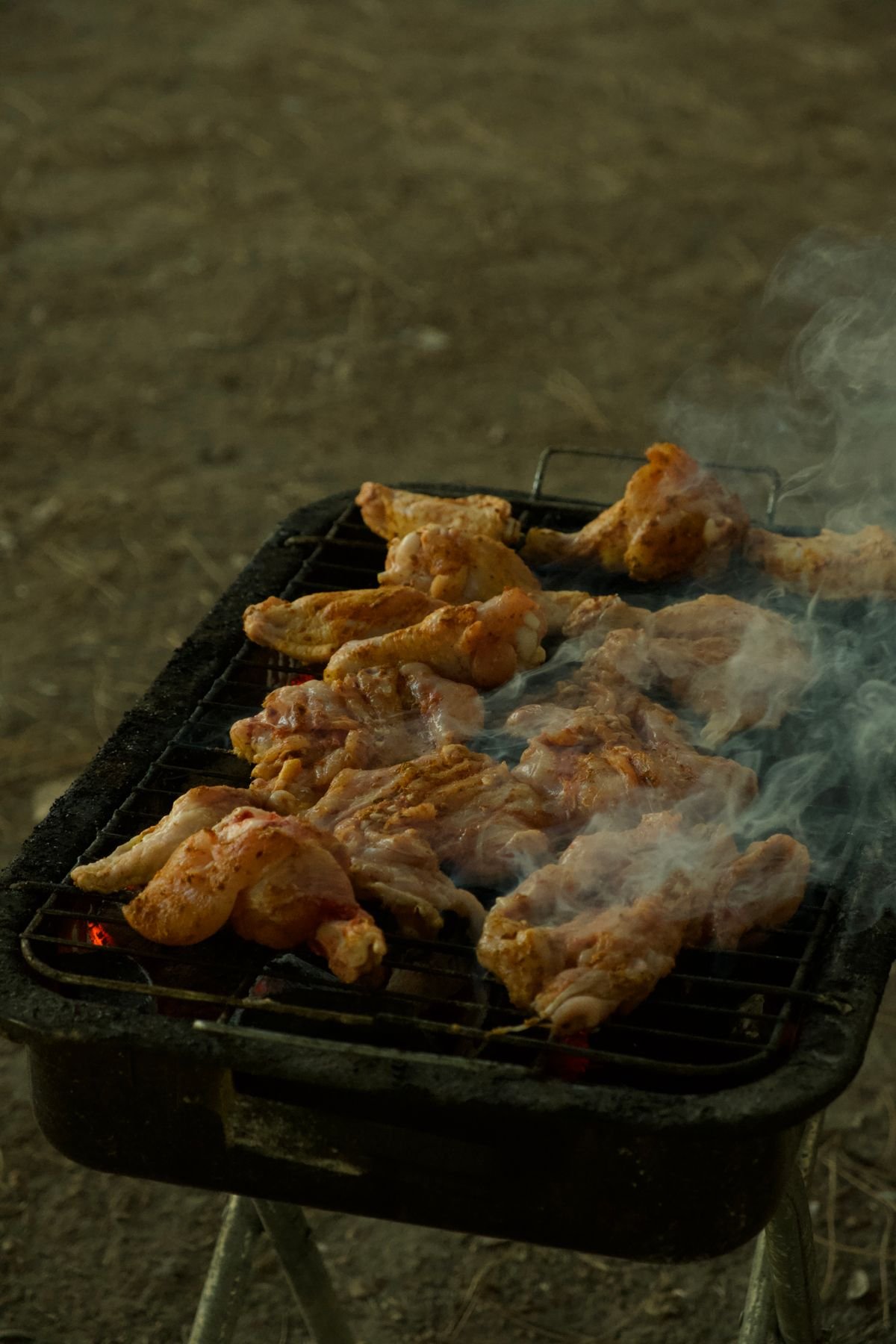
Rest Breaded Cutlets Before Frying — Let breaded cutlets rest on a rack for 10 minutes before they hit the oil. The rest lets the coating hydrate and bond to the chicken, so it does not fall off in the pan.
9. Fry in a Half Inch of Oil
Fry in a Half Inch of Oil — Shallow-fry in about half an inch of neutral oil at 350 degrees Fahrenheit. Too little oil steams the coating; too much is wasteful. Half an inch gives a deep-fried crunch with a regular skillet.
10. Do Not Crowd the Pan
Do Not Crowd the Pan — Fry two cutlets at a time at most. Crowding drops the oil temperature, and the chicken steams instead of crisping. Keep finished cutlets on a rack in a warm oven while the next batch fries.
11. Use a Wire Rack, Never Paper Towels
Use a Wire Rack, Never Paper Towels — Drain fried cutlets on a wire rack set over a sheet pan. Paper towels trap steam underneath and soften the crust you just worked for; a rack keeps air circulating and the bottom crisp.
12. Bake, Do Not Broil, to Melt Cheese
Bake, Do Not Broil, to Melt Cheese — After saucing and topping with cheese, bake at 425 degrees for 8 to 10 minutes instead of broiling. Broiling scorches the cheese before the center warms; baking melts everything evenly and re-crisps the edges.
13. Sauce Lightly — Less Is More
Sauce Lightly — Less Is More — Spoon sauce over just the center of each cutlet, leaving the edges exposed. Drowning the whole cutlet in sauce is the fastest route to soggy chicken parm; a light hand keeps the crust audible.
14. Warm the Sauce Before Spooning
Warm the Sauce Before Spooning — Heat the marinara before it goes on the chicken. Cold sauce on hot chicken cools everything down and forces a longer bake, which dries the meat and softens the crust.
15. Mix Mozzarella with Provolone
Mix Mozzarella with Provolone — Use half low-moisture mozzarella and half provolone for the topping. Mozzarella melts stretchy but mild; provolone adds a sharper, more savory flavor and browns beautifully.
16. Grate Your Own Cheese
Grate Your Own Cheese — Grate cheese from a block instead of using pre-shredded bags. Bagged cheese is coated in anti-caking starch that resists melting and tastes chalky; freshly grated cheese melts into a smooth, glossy blanket.
17. Add Parmesan to the Breadcrumbs
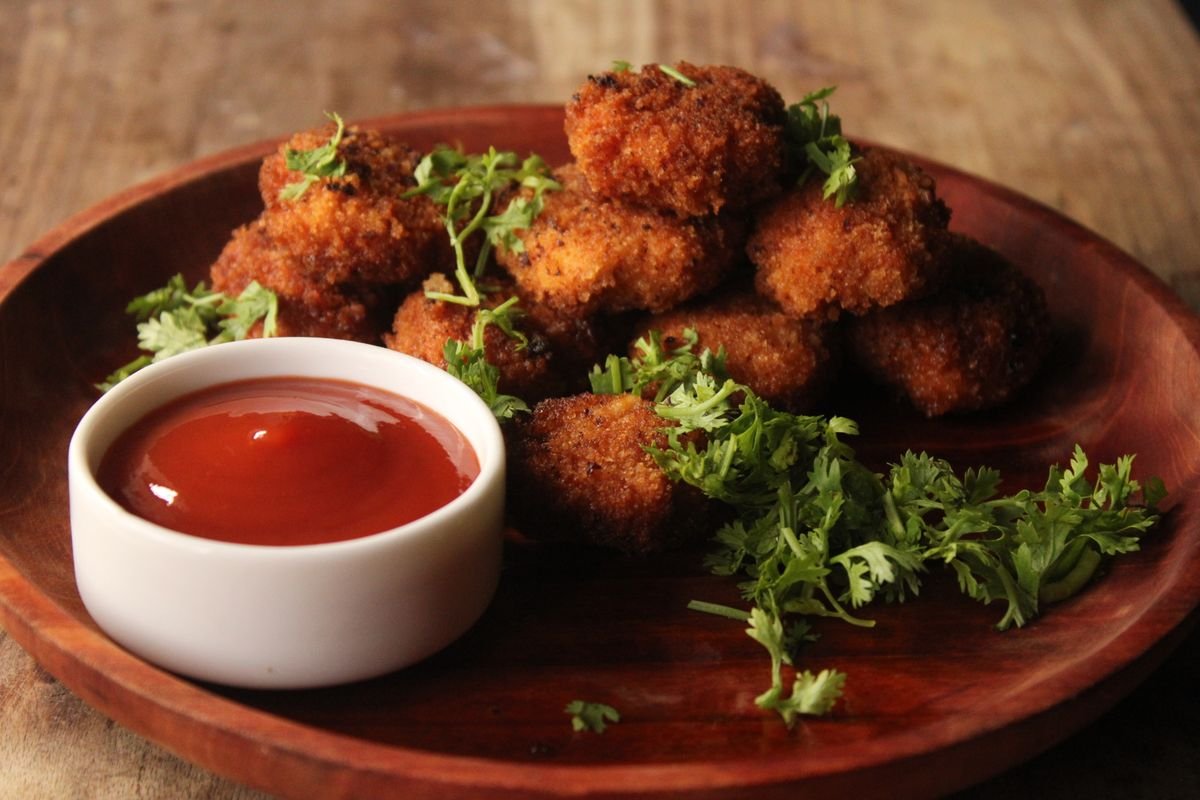
Add Parmesan to the Breadcrumbs — Mix a quarter cup of finely grated parmesan into every cup of breadcrumbs. The cheese toasts in the oil, adding a savory, nutty crunch that plain crumbs cannot deliver.
18. Season the Sauce with a Pinch of Sugar
Season the Sauce with a Pinch of Sugar — If your marinara tastes sharp, add a pinch of sugar and a knob of butter while warming it. The sugar rounds out tomato acidity and the butter gives the sauce a silky, restaurant-style finish.
19. Use Low-Moisture Mozzarella Only
Use Low-Moisture Mozzarella Only — Fresh mozzarella releases water as it melts and turns chicken parm soupy. Low-moisture, whole-milk mozzarella melts cleanly and stretches perfectly — save fresh mozzarella for salads.
20. Finish with Fresh Basil After Baking
Finish with Fresh Basil After Baking — Tear fresh basil over the chicken parm after it comes out of the oven, not before. Basil baked under cheese turns black and bitter; fresh basil on top stays bright and fragrant.
21. Make Cutlets Ahead and Freeze Them
Make Cutlets Ahead and Freeze Them — Fry cutlets, cool them, and freeze in a single layer before saucing. Frozen fried cutlets re-crisp beautifully in a hot oven straight from frozen — a weeknight chicken parm in 20 minutes.
22. Serve Pasta on the Side, Not Under
Serve Pasta on the Side, Not Under — Plate the pasta beside the chicken, not underneath it. Sauce pooling under the cutlet steams the crust from below; keeping them separate preserves the crunch until the first bite.
23. Reheat in the Oven, Never the Microwave
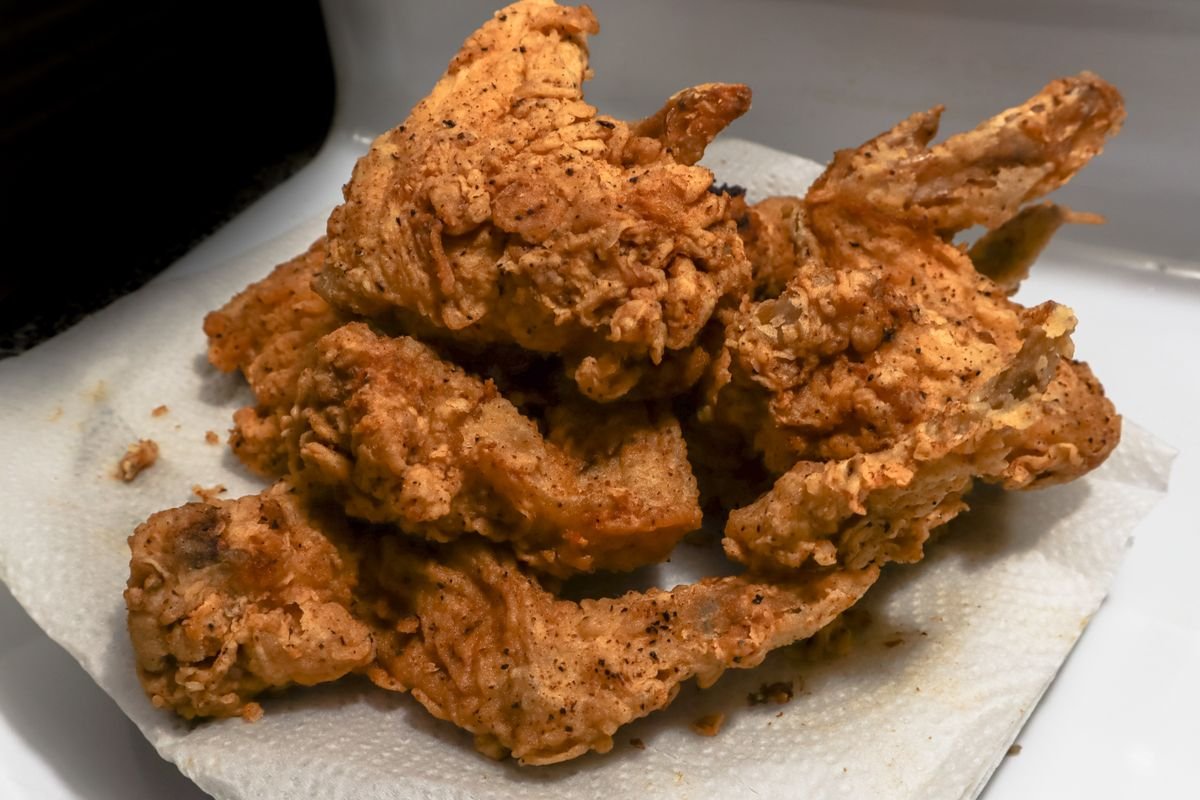
Reheat in the Oven, Never the Microwave — Reheat leftover chicken parm on a rack at 400 degrees for 10 minutes. The microwave turns the crust rubbery in seconds, while the oven restores the crunch and re-melts the cheese.
24. Turn Leftovers into a Sandwich
Turn Leftovers into a Sandwich — Tuck leftover chicken parm into a toasted hoagie roll with extra sauce and cheese for a chicken parm hero. It is arguably better than the original dinner — and the best reason to cook extra.
25. Use the Same Method for Eggplant Parm
Use the Same Method for Eggplant Parm — This exact method works for eggplant parmesan: salt and drain the slices first, then bread, fry, sauce lightly, and bake. One technique, two classic dinners, zero sogginess.