
25 Chicken Thigh Hacks for Juicy, Crispy Results
Chicken thighs are the most forgiving cut of chicken — nearly impossible to dry out and packed with flavor. These 25 chicken thigh hacks cover buying, prepping, seasoning, and cooking bone-in and boneless thighs so they come out juicy inside and crispy outside, every time.
1. Choose Thighs Over Breasts for Flavor
Thighs have more fat and connective tissue than breasts, which means more flavor and a much wider margin before they dry out. For any recipe where chicken might sit or wait, thighs are the safer, tastier choice.
2. Pat Them Bone-Dry First
Moisture is the enemy of browning. Pat thighs thoroughly dry with paper towels before seasoning — dry skin sears and crisps in the pan, wet skin steams and stays pale and rubbery.
3. Salt 1 Hour Ahead (or 24)
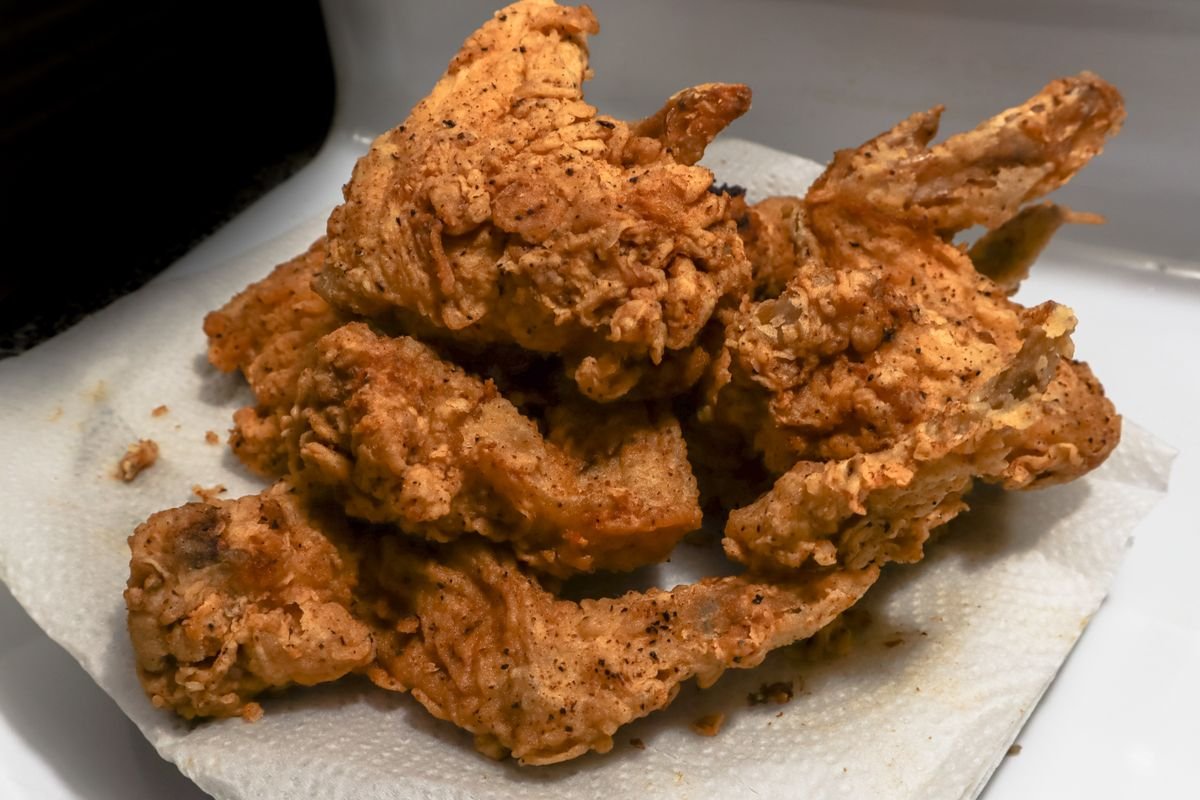
Salt thighs at least an hour before cooking, or up to 24 hours ahead in the fridge. The salt penetrates deep into the meat instead of sitting on the surface, seasoning the thigh all the way through.
4. Sear Skin-Side Down, Don't Touch
Lay thighs skin-side down in a hot oiled pan and don't move them for 6-7 minutes. The skin renders its fat, crisps, and releases naturally when it's ready — moving them early tears the skin.
5. Start in a Cold Pan for Max Crisp
For the crispiest skin, place skin-side-down thighs in a cold cast iron skillet, then turn the heat to medium. The slow render melts out maximum fat before the skin sets — shatteringly crisp, evenly golden.
6. Render, Then Roast
Sear skin-side down on the stovetop 6 minutes, then flip the whole skillet into a 425F oven for 12-15 minutes. You get crackling skin plus fully cooked meat with zero babysitting.
7. Use a Thermometer: 175F Is the Sweet Spot
Unlike breasts, thighs are better cooked past 165F — take them to 175-185F. The extra heat melts connective tissue into gelatin, making the meat more tender and juicy, not drier.
8. Don't Trim All the Fat
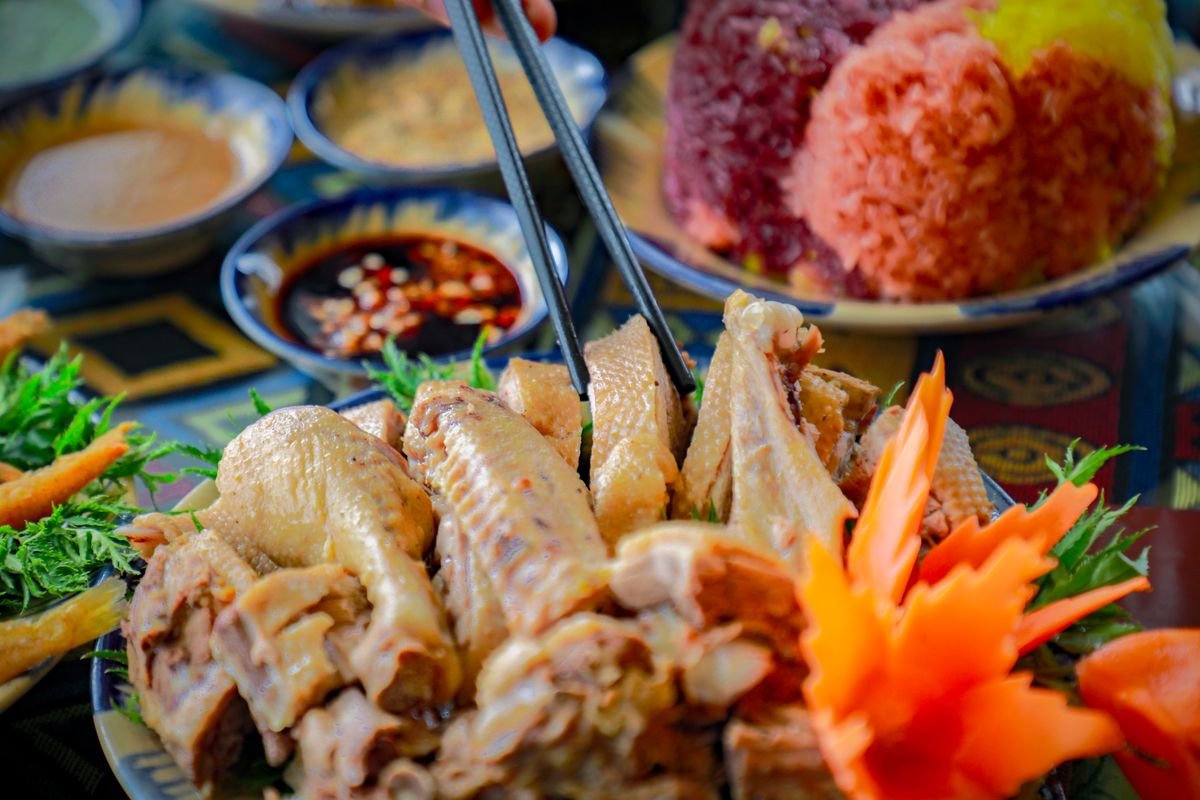
Leave a thin layer of fat and skin on — it bastes the meat as it cooks and protects against drying. Trim only the thick flaps and blobs; the rest is flavor insurance.
9. Debone for Even Cooking
Slit along the bone with a sharp knife and peel the meat away for boneless thighs that cook evenly and fast. Boneless thighs are perfect for stir-fries, skewers, and anywhere you want bite-size pieces.
10. Butterfly Thick Thighs
If thighs are uneven, butterfly the thick end open so the whole piece is uniform thickness. Even thickness means even cooking — no more burnt edges with a raw center.
11. Marinate in Yogurt for Tenderness
Yogurt, lemon, garlic, and spices for 2-24 hours makes thighs incredibly tender — the lactic acid gently breaks down proteins without turning the texture mushy the way strong acids can.
12. Brine in Pickle Juice
Save your pickle jar brine and soak thighs in it for 2-4 hours. The salty, tangy brine seasons and tenderizes at once — it's the fast-food chicken secret, and it works at home too.
13. Cornstarch for Crispy Coating
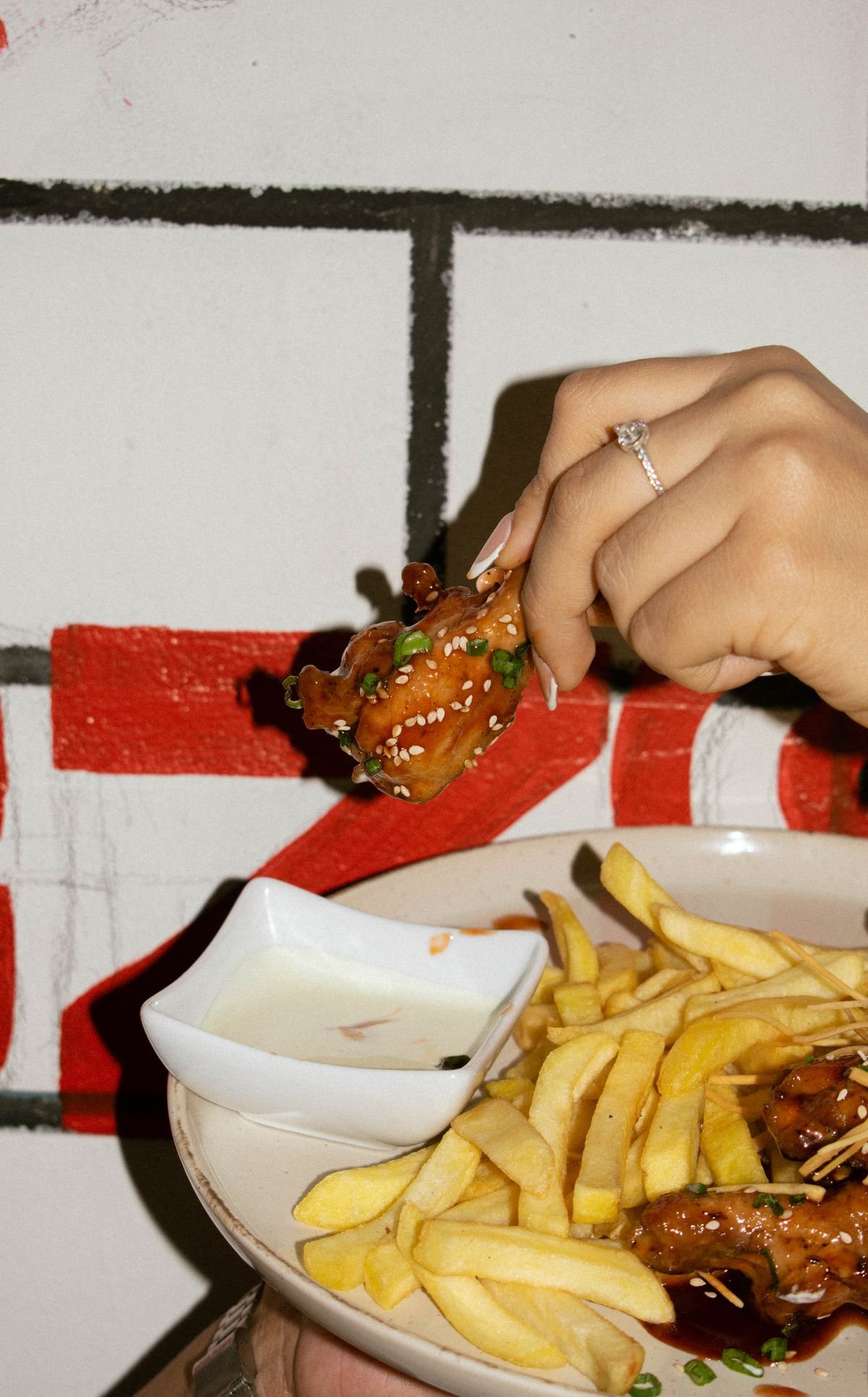
For fried or air-fried thighs, dredge in seasoned cornstarch instead of flour. Cornstarch fries up lighter and stays crispy longer — the shattering crust on Korean fried chicken is pure cornstarch.
14. Double-Fry for Extra Crunch
Fry thighs at 325F until cooked, rest 10 minutes, then fry again at 375F for 2 minutes. The second fry drives off surface moisture and sets an audibly crunchy crust that stays crisp.
15. Air Fry at 400F Skin-Side Up
Air fry thighs at 400F for 18-22 minutes, skin-side up the whole time. The circulating hot air renders and crisps the skin beautifully — no flipping needed, and the fat drips away below.
16. Sheet Pan Dinners Start with Thighs
Thighs are the ideal sheet-pan protein because they can handle the full vegetable roasting time without drying. Start thighs and hearty veg together at 425F; add quick-cooking veg halfway through.
17. Braise for Fall-Off-the-Bone
Brown thighs, then braise in wine, tomatoes, or coconut milk at 325F for 45 minutes. The gentle liquid heat dissolves all the connective tissue — the meat practically falls apart with a fork.
18. Rest 5 Minutes Before Cutting
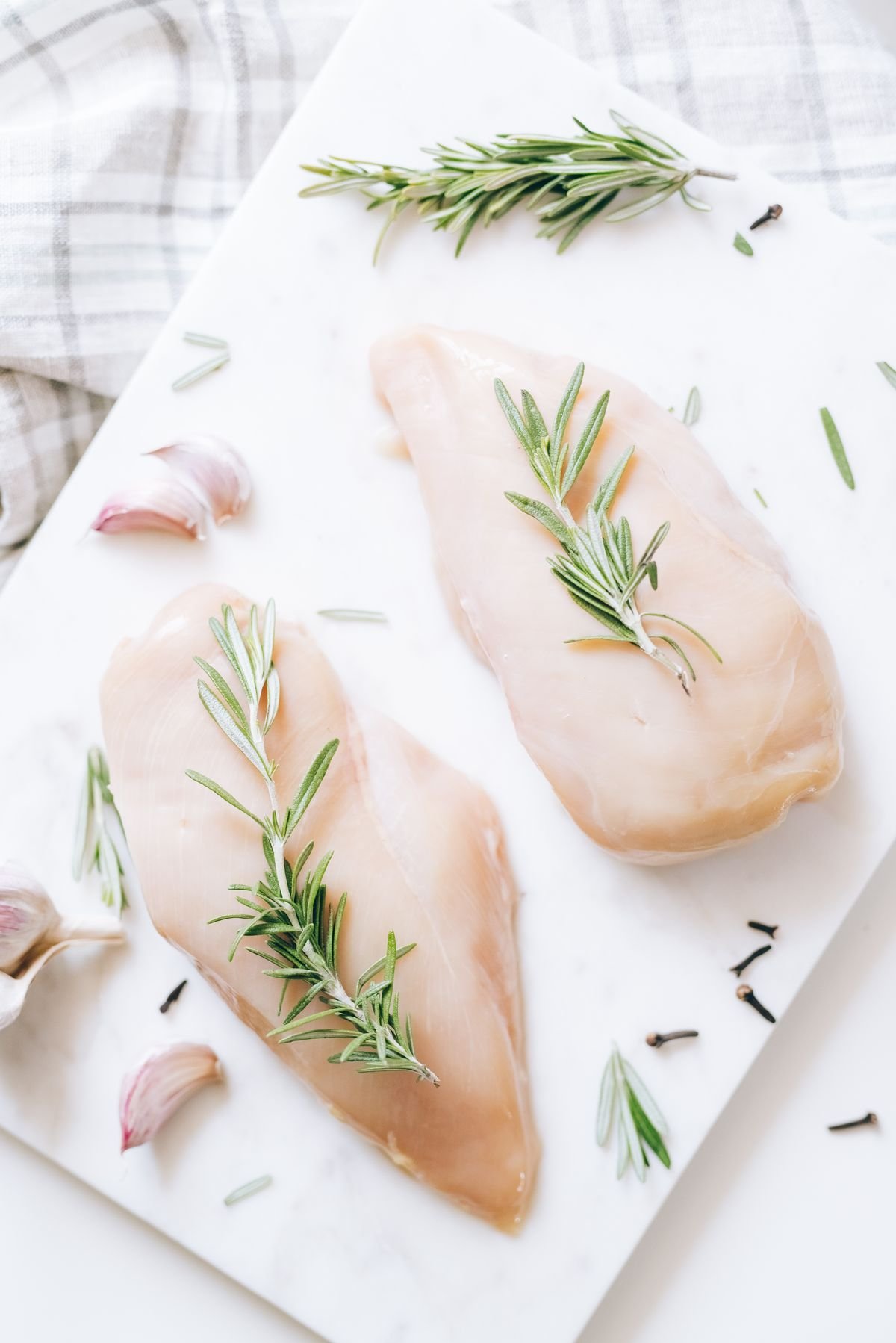
Even thighs benefit from a short rest. Five minutes tented with foil lets the juices settle back into the meat instead of running out onto the board the second you slice.
19. Save the Schmaltz
Pour off and strain the rendered chicken fat after pan-searing. That liquid gold — schmaltz — makes the best roasted potatoes of your life and keeps weeks in the fridge.
20. Shred Leftovers for Tacos
Pull leftover thigh meat and crisp it in a hot skillet for carnitas-style tacos. The higher fat content means reheated thighs stay juicy where reheated breast goes dry — thighs are the leftover champions.
21. Freeze in Marinade
Put thighs and marinade together in a freezer bag and freeze — they marinate as they thaw in the fridge. Dinner prep becomes 'move bag from freezer to fridge in the morning.'
22. Cut Against the Grain
When slicing cooked thighs for salads or bowls, cut across the grain. Shorter muscle fibers mean more tender bites — with the grain gives you chewy strips even from perfectly cooked meat.
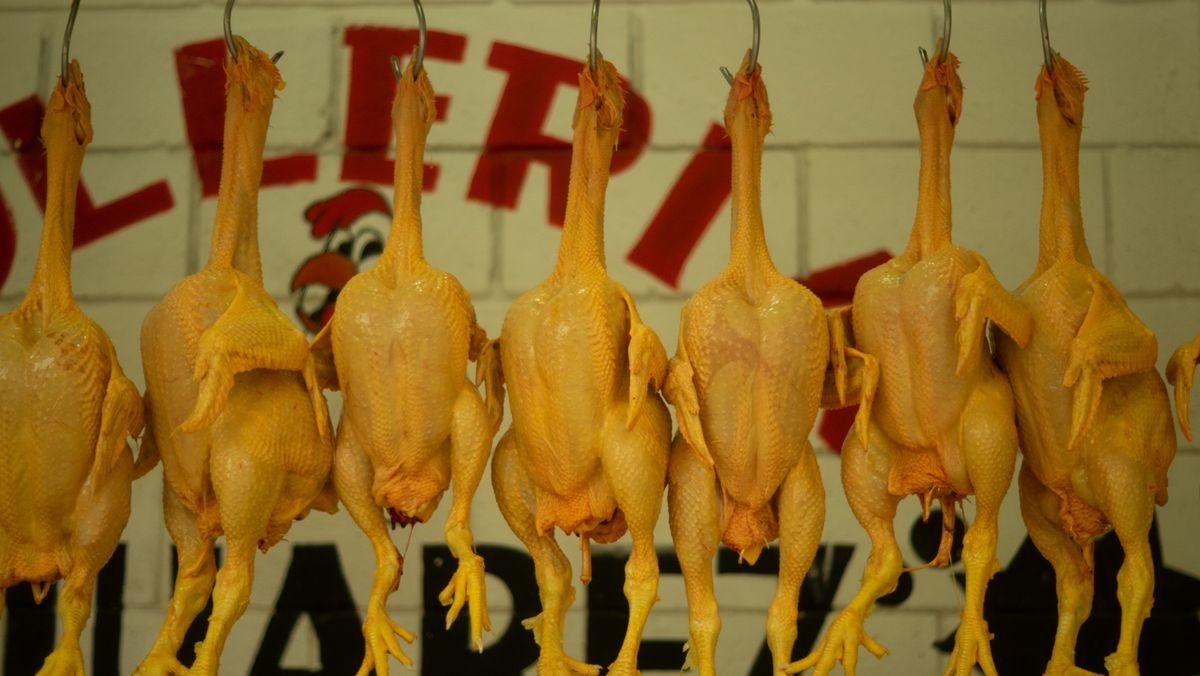
23. Skin Makes the Best Cracklings
Peel skin off boneless thighs, stretch flat on a sheet pan, salt, and roast at 400F until crisp. Chicken skin cracklings are better than bacon bits on salads, soups, and grain bowls.
24. Thighs for Meal Prep Win
Cook a big batch of thighs on Sunday — they reheat better than any other cut. The fat keeps them moist through days 3 and 4 of lunches, where breasts would be sad and dry by Tuesday.
25. Bone-In Broth from Scraps
Save thigh bones in a freezer bag until you have a few pounds, then simmer into stock. Thigh bones make a richer, more gelatinous broth than breast bones — liquid gold for soups and risottos.