25 Chocolate Hacks for Rich, Decadent Treats
Chocolate desserts live or die on technique — melting, tempering, and balancing sweetness. These 25 chocolate hacks cover working with chocolate like a pro, fixing seized chocolate, intensifying flavor, and making every chocolate treat richer and more decadent.
1. Chop Chocolate, Don't Use Chips for Melting
Chocolate chips contain stabilizers that resist melting smoothly. For ganache and melting, chop a bar into uniform pieces — it melts faster and silkier than chips ever will.
2. Melt Low and Slow
Chocolate scorches above 120°F. Melt in a double boiler over barely simmering water (bowl not touching water) or in the microwave at 50% power in 30-second bursts, stirring between each.
3. Never Let Water Touch Melting Chocolate
A single drop of water seizes melted chocolate into a grainy, stiff mass. Keep bowls, spatulas, and hands completely dry — and never cover melting chocolate (condensation drips).
4. Fix Seized Chocolate with Hot Cream
Seized chocolate isn't ruined: stir in hot cream a tablespoon at a time until smooth. You won't get dipping chocolate back, but you'll get a perfect ganache — pivot, don't panic.
5. Add Espresso to Intensify Chocolate
A teaspoon of instant espresso powder in any chocolate batter or ganache doesn't make it taste like coffee — it makes the chocolate taste more like itself. The oldest trick in professional baking.
6. Use Dutch-Process Cocoa for Dark Color
Dutch-process cocoa is alkalized: darker color, smoother, less acidic flavor. For that deep black, bakery-style chocolate look and taste, it's non-negotiable — natural cocoa gives a lighter, tangier result.
7. Bloom Cocoa in Hot Liquid
Whisk cocoa powder into hot coffee, water, or milk and let sit 5 minutes before adding to batter. Blooming dissolves the cocoa fully and unlocks dramatically deeper chocolate flavor.
8. Salt Every Chocolate Dessert
Chocolate without salt tastes flat and one-dimensionally sweet. Add 1/2 teaspoon salt per batch of batter, and finish with flaky sea salt on top — salt is what makes chocolate taste expensive.
9. Underbake Brownies Slightly
Pull brownies when a toothpick shows moist crumbs, not clean — about 5 minutes before you think they're done. Carryover baking finishes them into fudgy perfection; clean-toothpick brownies are cakey and dry.
10. Chill Cookie Dough for Thicker Cookies
Refrigerate chocolate cookie dough at least 1 hour (overnight is better). Cold dough spreads less, bakes thicker, and the rest deepens the toffee and chocolate notes.
11. Use Brown Butter in Chocolate Desserts
Brown the butter before adding to brownie or cookie batter. The nutty, caramel notes layer with chocolate into something that tastes like it came from a patisserie.
12. Make 2-Ingredient Ganache
Equal parts hot cream and chopped chocolate, poured over the chocolate, rested 2 minutes, then stirred from the center out. That's ganache — glaze, truffle base, and frosting in one.
13. Whip Ganache for Frosting
Let ganache cool to peanut-butter consistency, then whip it. It transforms into a light, mousse-like frosting that pipes beautifully — no powdered sugar needed.
14. Freeze Chocolate Desserts for Clean Slices
Freeze brownies, tortes, and cheesecakes 30 minutes before slicing with a hot, dry knife (wiped between cuts). You get bakery-clean layers instead of dragged, smeary edges.
15. Grate Frozen Chocolate for Garnish
Freeze a chocolate bar 20 minutes, then grate with a vegetable peeler or box grater. You get delicate curls and shards that melt on the tongue — far prettier than chips.
16. Dip Strategically: Cold Filling, Warm Chocolate
For truffles and dipped treats, chill the centers firm and keep the coating chocolate at 90°F. Cold centers set the shell fast for a thin, snappy coating instead of a thick, clumpy one.
17. Add a Splash of Liqueur to Ganache
A tablespoon of Grand Marnier, Chambord, or bourbon per cup of ganache adds adult complexity. The alcohol mostly cooks off in hot applications; in truffles it stays as background warmth.
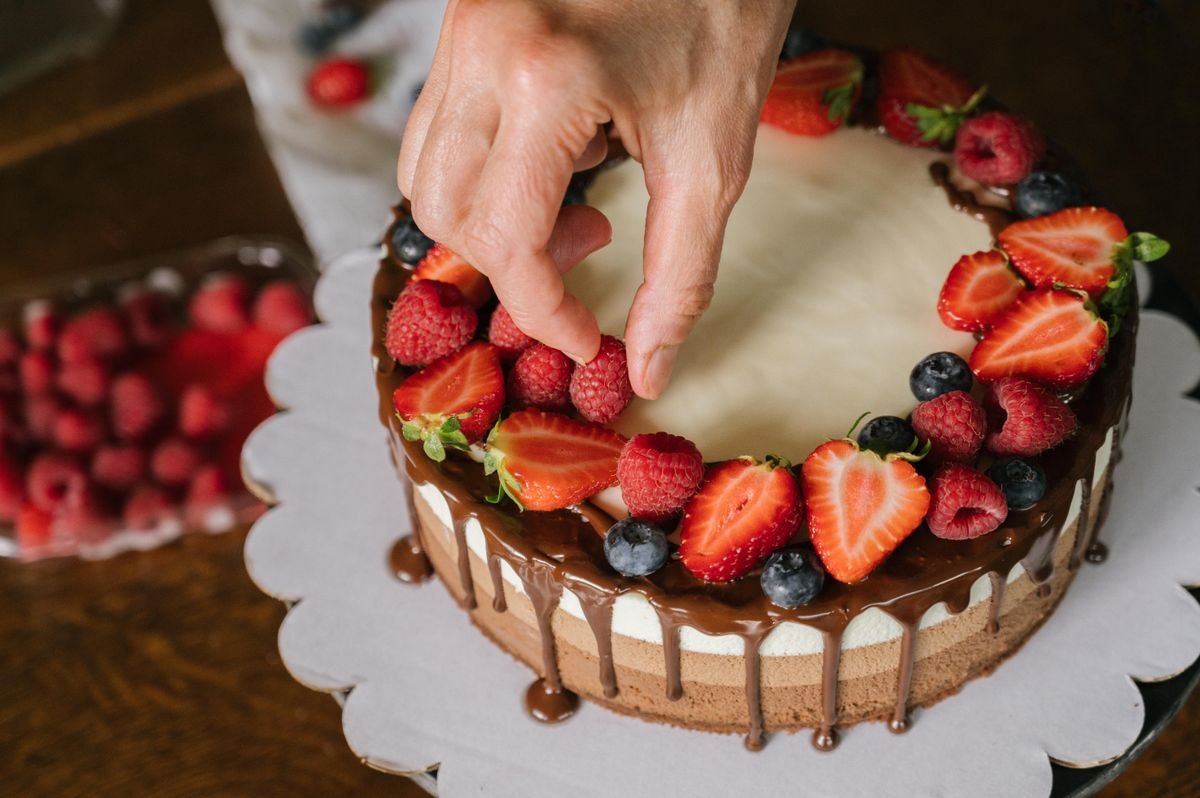
18. Use Cocoa for Dusting, Not Flour
Dust cake pans and finished desserts with cocoa powder instead of flour. Flour leaves white patches and a raw taste; cocoa disappears into the chocolate and adds flavor.
19. Make Hot Chocolate with Real Chocolate
Melt 2 oz chopped dark chocolate per cup of hot milk with a pinch of salt. Real melted chocolate gives body and richness that cocoa-powder mixes can't touch — it's a different beverage entirely.
20. Temper Chocolate for Snap
For shiny, snappy dipped treats: melt 2/3 of the chocolate to 115°F, remove from heat, stir in the remaining 1/3 until it cools to 88-90°F. That temperature control is what creates the professional snap and shine.
21. Store Chocolate Cool, Not Cold
Chocolate keeps best at 60-70°F in a dark cupboard. Refrigeration causes sugar bloom (white dusty coating) from condensation — still edible, but ugly. Only refrigerate in hot climates, well wrapped.
22. Pair Chocolate with Sea Salt Caramel
The salt-fat-sweet triangle is why salted caramel brownies dominate. Drizzle salted caramel over any chocolate dessert and finish with flaky salt — it's a combination with a near-100% hit rate.
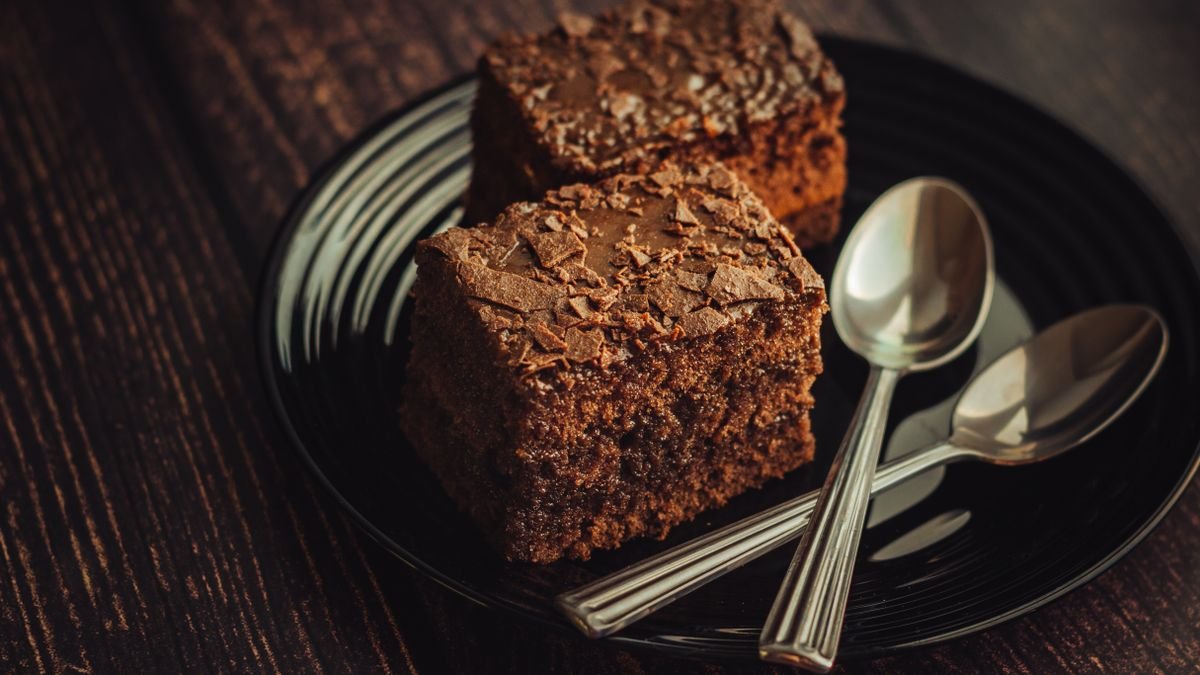
23. Use High-Fat Cocoa for Frosting
Cocoa powders with higher cocoa butter content (22-24%) make noticeably richer, smoother frostings. Check the label — cheap low-fat cocoa gives grainy, flat-tasting frosting.
24. Microwave in Short Bursts Only
Microwaving chocolate on full power scorches it in seconds. Use 50% power, 30-second bursts, stirring thoroughly each time — stirring distributes heat and prevents hot spots.
25. Serve Chocolate Desserts at Room Temperature
Cold mutes chocolate flavor. Pull tortes, brownies, and truffles from the fridge 30-45 minutes before serving — room-temperature chocolate tastes richer, softer, and more aromatic.