25 Cookie Hacks
Chewy centers, crisp edges, bakery-level flavor — great cookies come down to a handful of techniques. These 25 cookie hacks cover chilling dough, browning butter, the perfect bake time, freezing strategies, and fixes for every common cookie disaster.
1. Chill the Dough for Thicker Cookies
Refrigerate cookie dough at least 1 hour (or up to 72) before baking. Cold dough spreads less, bakes up thicker, and the rest hydrates the flour for deeper, more complex flavor — the #1 pro cookie secret.
2. Brown the Butter First
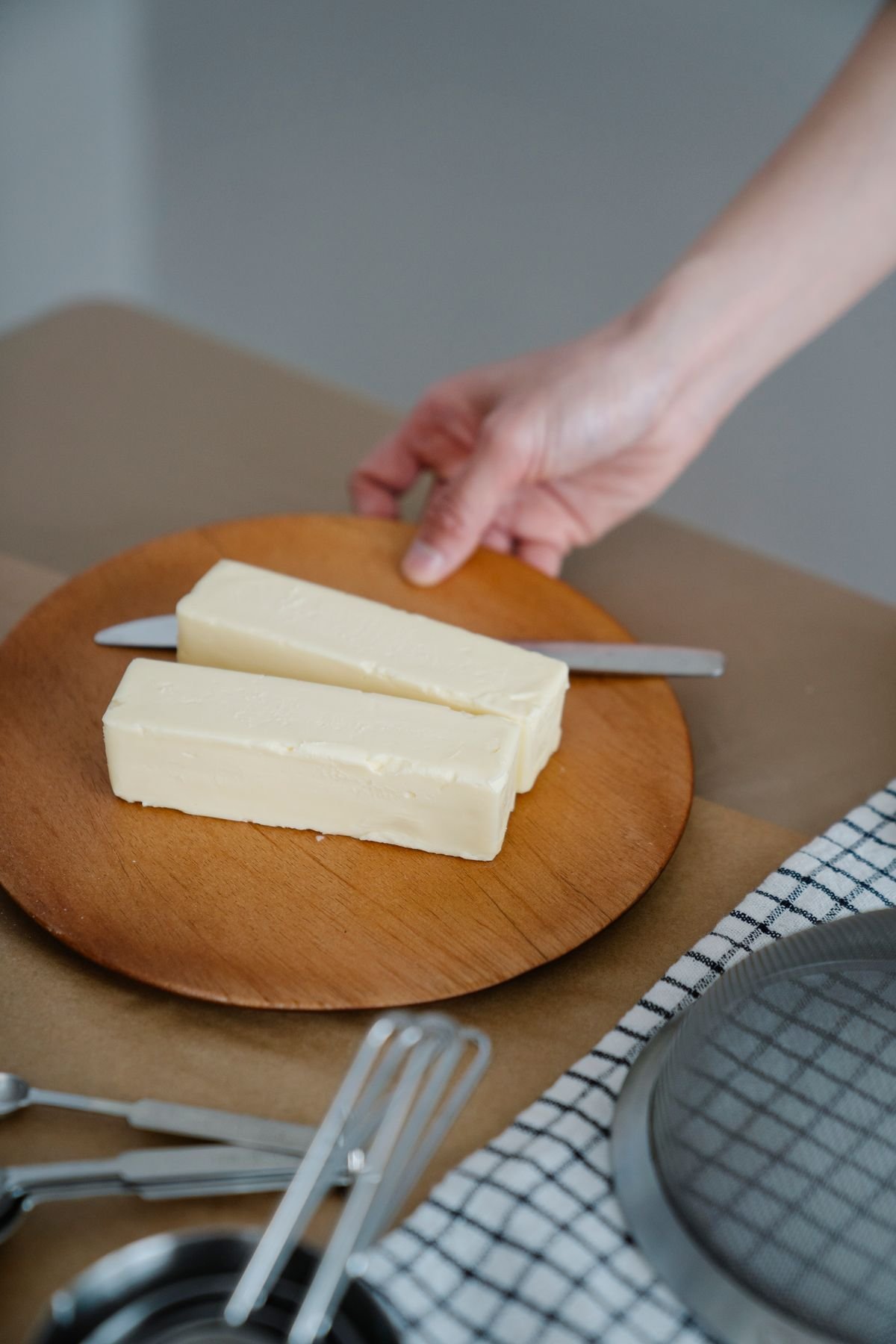
Cook butter until it foams, then turns amber with a nutty smell (about 5 minutes), and use it in your dough. Brown butter adds toffee-like depth that makes chocolate chip cookies taste like they came from a fancy bakery.
3. Use More Brown Sugar Than White
Swap the ratio to 3/4 brown sugar, 1/4 white. Brown sugar's molasses adds moisture and chewiness plus a caramel note — the key to cookies that stay soft for days instead of going crisp overnight.
4. Underbake Slightly for Chewy Centers
Pull cookies when the edges are set but the centers look slightly underdone (they'll finish on the hot pan). Carryover cooking sets the middle perfectly — this is how you get gooey centers instead of crunchy pucks.
5. Bang the Pan for Rippled Edges
Halfway through baking, lift the pan 2 inches and drop it on the counter. The 'pan-bang' technique creates the rippled, crinkly edges of famous bakery cookies and a delightfully dense chew.
6. Freeze Dough Balls for Instant Cookies
Scoop dough into balls, freeze on a sheet pan, then bag. Bake straight from frozen, adding 2-3 minutes — fresh-baked cookies on demand with zero weeknight effort.
7. Add Cornstarch for Extra Softness
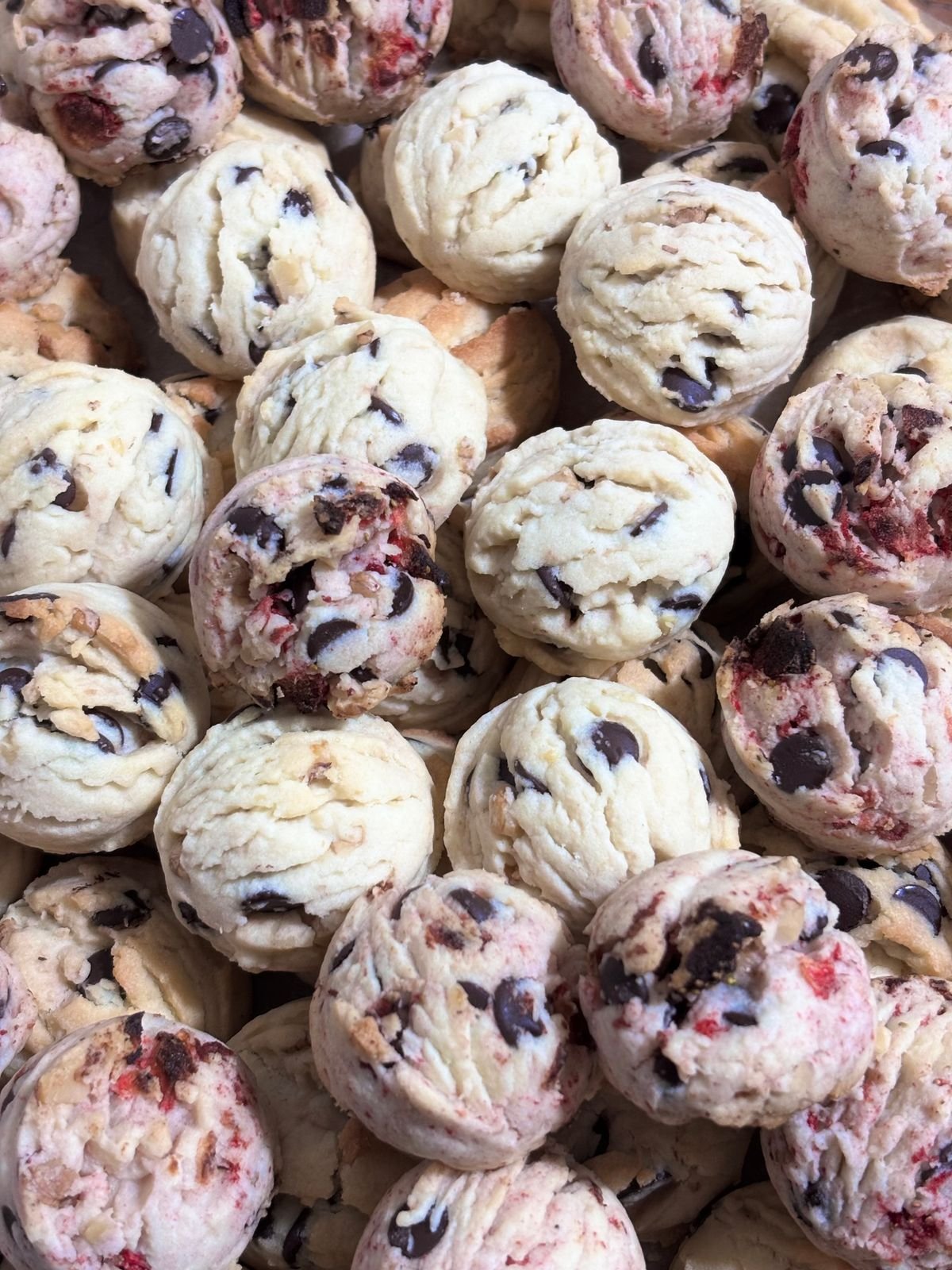
Mix 2 teaspoons of cornstarch into your dry ingredients. It tenderizes the crumb and keeps cookies pillowy-soft for days — the secret behind those impossibly soft bakery-style cookies.
8. Sprinkle Flaky Salt on Top
Finish warm cookies with a pinch of flaky sea salt. The salt crystals contrast the sweetness and make chocolate taste more intense — Maldon or fleur de sel, never table salt.
9. Use Room-Temperature Eggs and Butter
Take eggs and butter out 1 hour before baking. Room-temperature ingredients emulsify properly for even texture; cold butter won't cream and cold eggs can curdle the batter.
10. Weigh Your Flour
Spoon flour into the cup and level, or better yet weigh it (120g per cup). Too much flour is the #1 cause of dry, cakey cookies — most home bakers accidentally add 20-30% extra by scooping.
11. Toast Nuts Before Adding
Toast chopped nuts at 350°F (175°C) for 8 minutes before folding into dough. Toasting deepens their flavor dramatically — raw nuts taste flat and waxy by comparison.
12. Chop Chocolate Instead of Using Chips
Chop a bar of good chocolate instead of using chips. Chunks create pools of melted chocolate and chocolate-streaked dough; chips are engineered to hold their shape and never melt properly.
13. Let Baked Cookies Rest on the Pan
Cool cookies on the hot baking sheet for 5 minutes before moving to a rack. They finish setting from residual heat — moving them too soon breaks fragile warm cookies.
14. Make One Giant Skillet Cookie
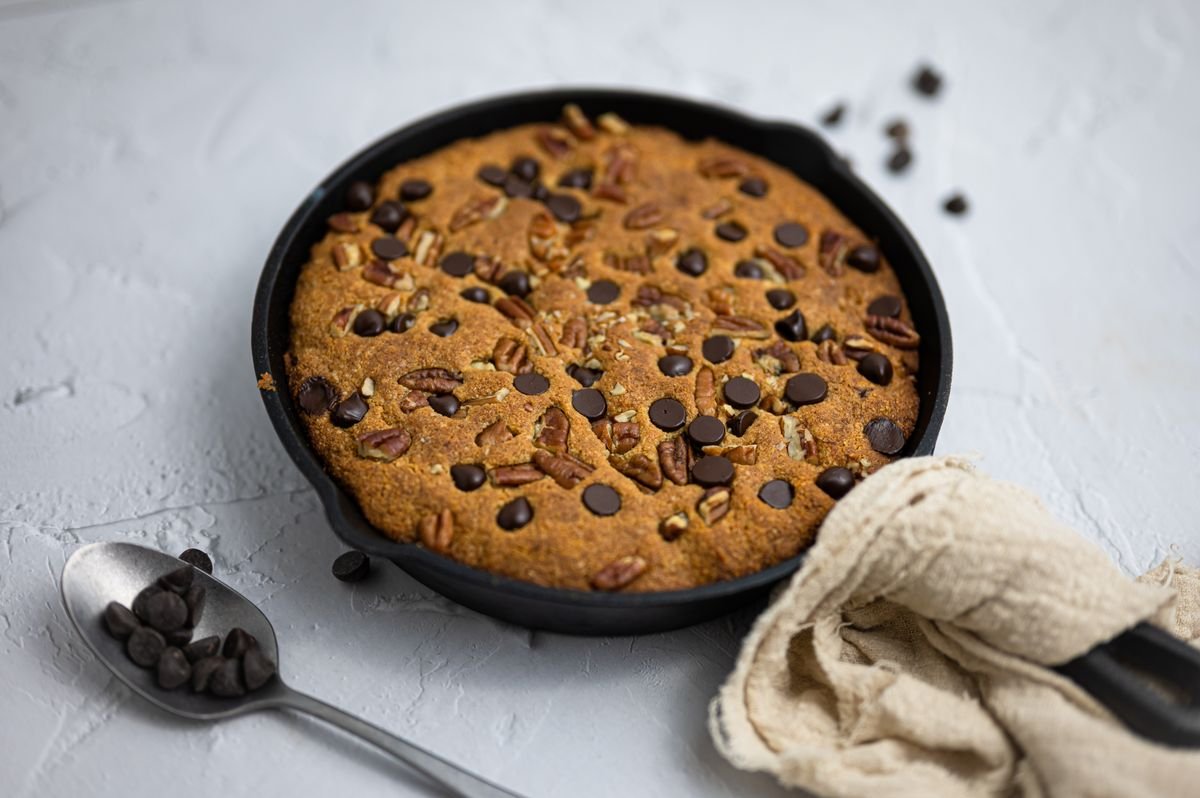
Press dough into a buttered cast iron skillet and bake at 350°F (175°C) for 20-25 minutes. Serve warm with ice cream straight from the pan — maximum drama, minimum portioning effort.
15. Add Espresso Powder to Chocolate Cookies
Stir 1 teaspoon of instant espresso powder into chocolate cookie dough. It doesn't make them taste like coffee — it intensifies the chocolate the way salt intensifies caramel.
16. Use Parchment, Not Greased Pans
Line baking sheets with parchment paper instead of greasing. Greased pans cause over-spreading and greasy bottoms; parchment gives even browning and effortless release every time.
17. Rotate the Pan Halfway Through
Turn the baking sheet 180 degrees halfway through baking. Most ovens have hot spots, and rotating guarantees every cookie in the batch bakes evenly — no more half-burnt trays.
18. Stuff Cookies With Caramel or Nutella
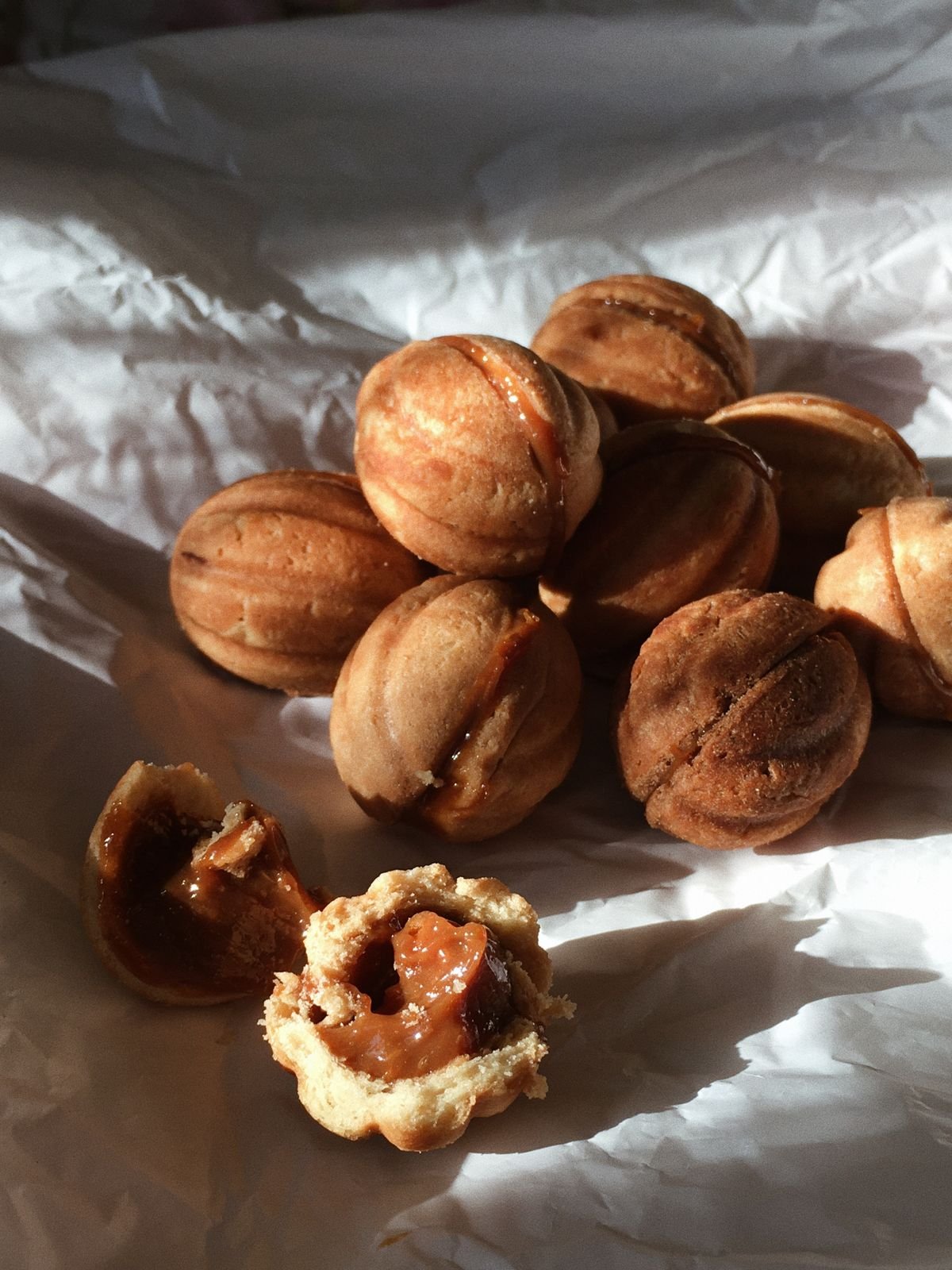
Wrap dough around a frozen teaspoon of caramel or Nutella before baking. The frozen center melts as the cookie bakes, creating a molten surprise that elevates basic cookies to legendary.
19. Keep Cookies Soft With a Bread Slice
Store cooled cookies in an airtight container with a slice of fresh bread. The cookies absorb the bread's moisture and stay soft for days — replace the bread slice when it goes stale.
20. Make Icebox Cookies for Zero-Fuss Baking
Roll dough into a log, refrigerate, and slice-and-bake as needed. Icebox cookies give you uniform rounds, minimal cleanup, and fresh cookies whenever the craving hits.
21. Add Oats for Chewy Texture
Replace 1/2 cup of flour with rolled oats in drop cookies. Oats add chewiness, hearty texture, and keep cookies moist longer — the backbone of every great oatmeal cookie.
22. Don't Crowd the Baking Sheet
Space dough balls 2-3 inches apart. Crowded cookies merge into one giant blob and steam instead of browning — bake in batches for perfectly individual cookies with crisp edges.
23. Try the Tangzhong Method for Softness
Cook 3 tablespoons flour with 1/2 cup milk into a paste, cool, and add to the dough. This Japanese technique pre-gelatinizes starch for exceptionally soft, moist cookies that stay fresh longer.
24. Match Cookie Size for Even Baking
Use a cookie scoop so every dough ball is identical. Uniform size means uniform baking — no more trays where small cookies burn while big ones stay raw in the middle.
25. End With Warm Cookies and Milk
Serve chocolate chip cookies warm (10 seconds in the microwave revives day-olds) with cold milk. It's a cliché because it works — the temperature contrast is the perfect finish.