25 Curry Night Hacks for Rich Flavorful Dinners
Great curry tastes like it simmered for hours — and with the right tricks, it can taste that way in 30 minutes. These 25 curry night hacks build deep flavor fast, fix thin sauces, and nail the rice, so curry night becomes the best night of the week.
1. Bloom Spices in Hot Oil First
Bloom Spices in Hot Oil First — Fry your spice blend in hot oil or ghee for 30–60 seconds before adding anything wet. The fat carries flavor compounds that water can’t extract — this single step is the difference between flat curry and fragrant curry.
2. Caramelize Onions Deeply
Caramelize Onions Deeply — Cook onions a full 15–20 minutes until deep golden brown, not just translucent. That caramelization is the flavor foundation of most great curries — rushing the onions is the most common curry mistake.
3. Use Full-Fat Coconut Milk
Use Full-Fat Coconut Milk — Light coconut milk makes thin, sad curry. Full-fat gives the rich, luscious body that makes curry satisfying — and you can always thin with stock, but you can’t add richness back in.
4. Grate Ginger and Garlic Fresh
Grate Ginger and Garlic Fresh — Fresh-grated ginger and garlic paste beats jarred versions dramatically — the volatile oils are at their peak. Grate on a microplane directly into the pot for maximum pungency with minimum chopping.
5. Toast Whole Spices Before Grinding
Toast Whole Spices Before Grinding — Dry-toast cumin seeds, coriander seeds, and cardamom pods until fragrant, then grind fresh. Pre-ground spices lose potency in months; whole spices toasted fresh taste like a different ingredient entirely.
6. Add Coconut Milk at the End
Add Coconut Milk at the End — Stir coconut milk in during the last 10 minutes, never at a hard boil. Boiling can split coconut milk into an oily layer — gentle heat keeps the sauce silky and emulsified.
7. Sear Protein Before Saucing
Sear Protein Before Saucing — Brown chicken, beef, or paneer in the pot first, remove, then build the sauce in the same pot. The fond from searing dissolves into the curry adding meaty depth — and the protein finishes cooking in the sauce without overcooking.
8. Tamarind for Sour Depth
Tamarind for Sour Depth — A spoonful of tamarind paste adds a fruity sourness that lemon can’t replicate. It’s the secret tang in many South Indian and Thai curries — start with a teaspoon and adjust to taste.
9. Rinse Basmati Until Water Runs Clear
Rinse Basmati Until Water Runs Clear — Rinse basmati 3–4 times to remove surface starch, then soak 20 minutes. The grains cook up long, separate, and fluffy instead of gummy — restaurant-quality rice from a 5-minute habit.
10. Finish with Garam Masala Off Heat
Finish with Garam Masala Off Heat — Stir garam masala in after you turn off the heat. Its delicate aromatics — cardamom, cinnamon, clove — flash off under prolonged cooking; a last-minute addition keeps them vivid.
11. Yogurt Marinade Tenderizes Chicken
Yogurt Marinade Tenderizes Chicken — Marinate chicken in yogurt, lemon, and spices for at least 30 minutes (overnight is better). The lactic acid tenderizes gently without turning the meat mushy — the secret behind restaurant tikka texture.
12. Curry Leaves: Fry, Don’t Simmer
Curry Leaves: Fry, Don’t Simmer — Sizzle fresh curry leaves in hot oil for 10 seconds until crisp instead of simmering them in sauce. Frying releases their unique citrus-nutty aroma fully — simmered leaves go oddly bitter.
13. Thicken with Ground Cashews
Thicken with Ground Cashews — Blend soaked cashews into a paste and stir in for korma-style richness. Cashew cream thickens without dairy and adds a luxurious body — it’s also the trick behind restaurant butter chicken’s silkiness.
14. The Finger Method for Rice Water
The Finger Method for Rice Water — Rest your fingertip on the rice surface — water should reach your first knuckle. This ancient ratio works for any pot size and beats measuring cups, especially when you’re scaling up for curry night crowds.
15. Char Vegetables for Smoky Depth
Char Vegetables for Smoky Depth — Blacken bell peppers or eggplant directly over a gas flame before adding to curry. The char adds a smoky complexity that mimics tandoor cooking — no special equipment needed.
16. Make Naan in a Cast Iron Skillet
Make Naan in a Cast Iron Skillet — A ripping-hot cast iron skillet blisters naan beautifully in 90 seconds per side — no tandoor required. Brush with garlic butter straight off the heat for naan better than takeout.
17. Fenugreek Leaves: The Secret Ingredient
Fenugreek Leaves: The Secret Ingredient — Crush dried fenugreek leaves (kasuri methi) between your palms and sprinkle in at the end. That distinctive restaurant-curry aroma? It’s mostly fenugreek — one teaspoon transforms a homemade curry.
18. Double the Garlic, Always
Double the Garlic, Always — Curry recipes are chronically under-garlicked. Doubling the garlic and cooking it until sweet (not burnt) builds a savory base that makes everything else taste more like itself.
19. Freeze Curry in Flat Bags
Freeze Curry in Flat Bags — Freeze leftover curry flat in zip bags — they stack like files and thaw in minutes under warm water. Flat-frozen curry is the ultimate future-you gift on nights you can’t cook.
20. Cucumber Raita Cools Everything
Cucumber Raita Cools Everything — Stir grated cucumber, salt, and cumin into plain yogurt for a 2-minute raita. It cools spicy curries, adds a fresh contrast, and takes less time than the rice cooker needs.
21. Red Lentils Dissolve into Body
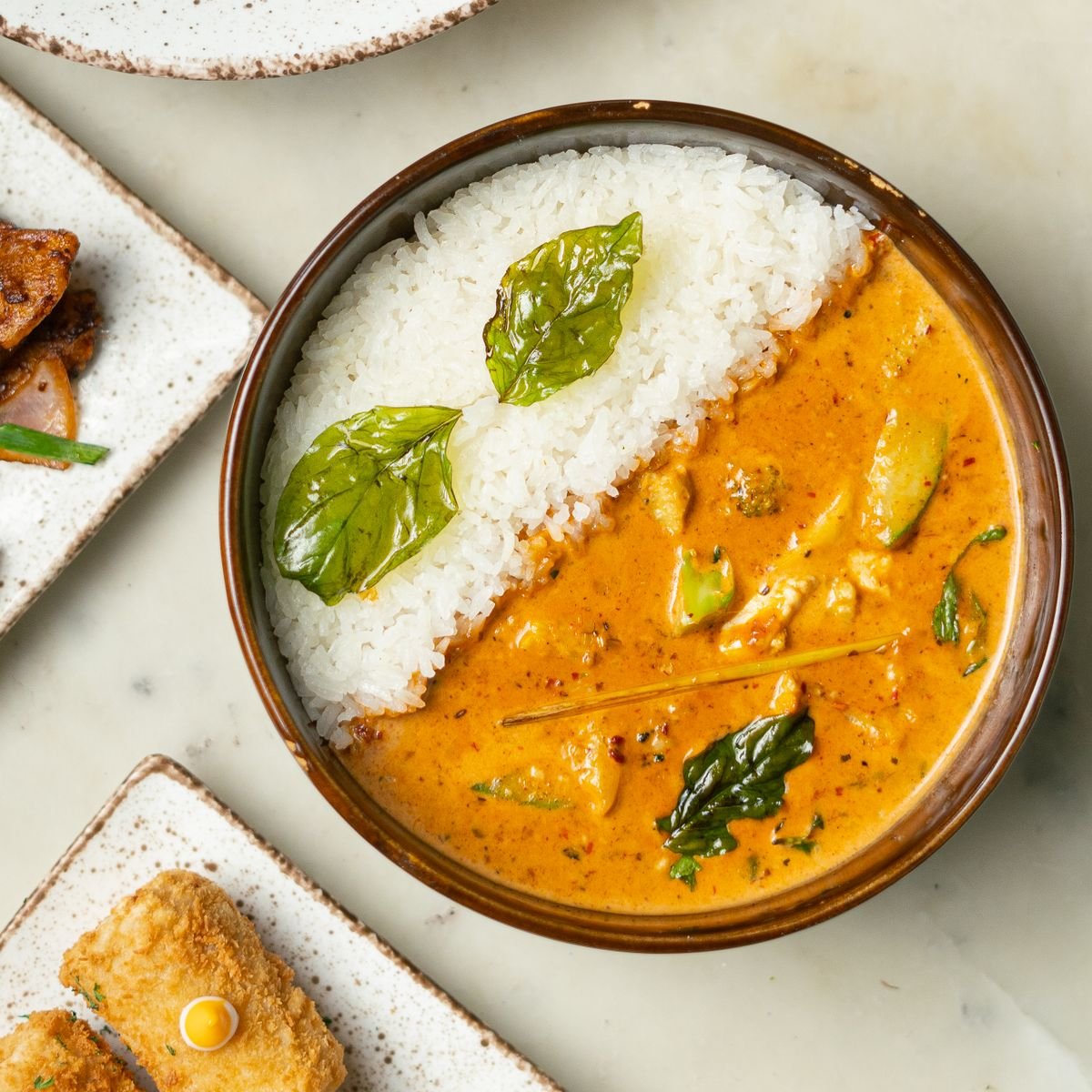
Red Lentils Dissolve into Body — Add a handful of red lentils to thin vegetable curries — they completely dissolve in 20 minutes, thickening the sauce and adding protein invisibly. No one will know they’re there.
22. Jaggery Balances Heat
Jaggery Balances Heat — A small chunk of jaggery or brown sugar rounds out aggressive heat and acidity. Indian cooking uses sweet to balance, not to sweeten — the curry won’t taste sugary, just complete.
23. Reheat Gently, Never Boil
Reheat Gently, Never Boil — Reheat leftover curry over low heat with a splash of water. Boiling breaks coconut-milk sauces and toughens proteins — gentle reheating keeps day-two curry as good as day one (or better).
24. Pickle Onions as a Side
Pickle Onions as a Side — Quick-pickle red onion slices in lime juice and salt while the curry simmers. The sharp, bright crunch cuts through rich sauces — it’s the 10-minute side that elevates the whole plate.
25. Rest Curry 10 Minutes Before Serving
Rest Curry 10 Minutes Before Serving — Let the finished curry sit off heat for 10 minutes before serving. The flavors meld, the sauce thickens slightly, and the temperature settles to the perfect eating warmth — patience pays.