25 Egg Hacks
Eggs are the hardest-working ingredient in your kitchen — if you know how to handle them. These 25 egg hacks cover foolproof peeling, fluffier scrambles, jammy yolks, crispy fried edges, and storage tricks that keep every egg dish at its best.
1. Steam Eggs for Easy Peeling
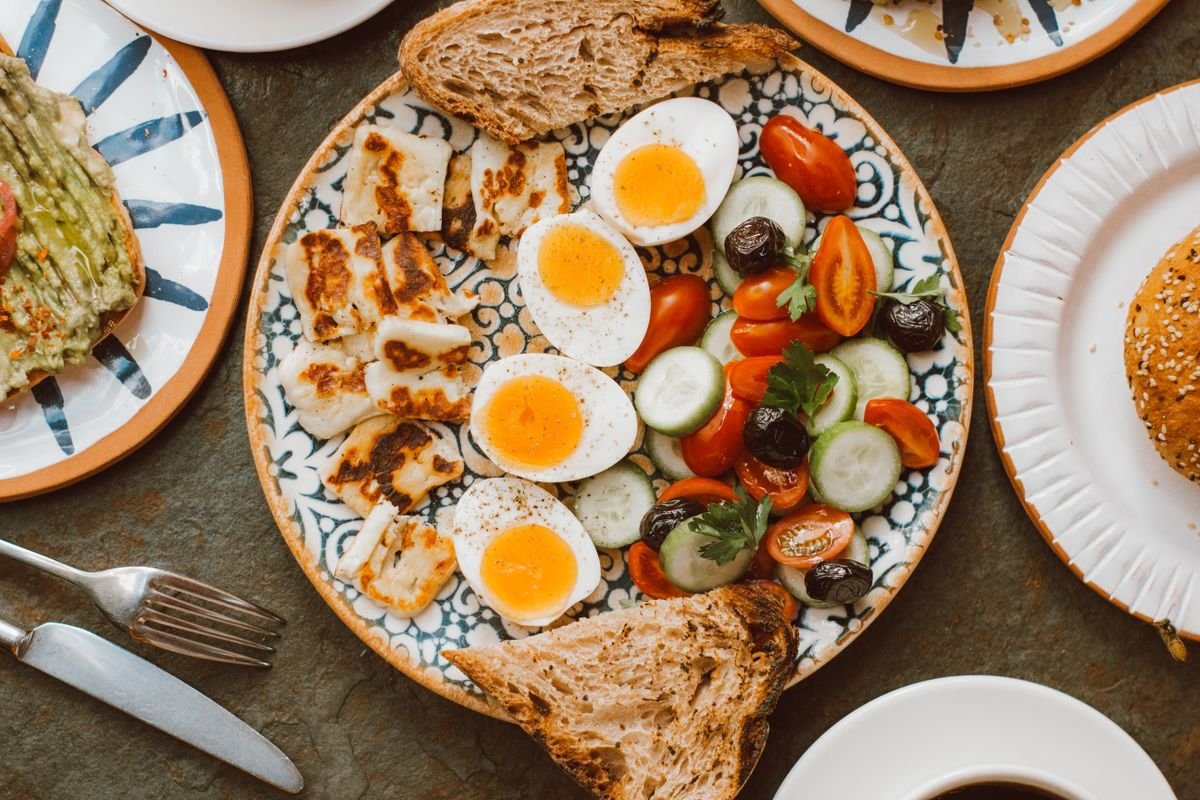
Steam eggs in a basket over boiling water for 12 minutes instead of boiling them. The gentler heat keeps the membrane from bonding to the shell — shells slip off in big pieces, even on farm-fresh eggs.
2. Shock Boiled Eggs in Ice Water
Transfer just-cooked eggs straight into ice water for 5 minutes. The sudden chill shrinks the egg inside the shell, creating a gap that makes peeling dramatically easier.
3. Add Baking Soda to Boiling Water
A teaspoon of baking soda per quart raises the water's pH, which loosens the membrane's grip on the white. Older eggs peel easiest of all — buy them a week ahead for deviled eggs.
4. Peel Eggs Under Running Water
Crack the shell all over, then peel under a thin stream of cool water. The water gets under the membrane and lifts shell fragments away — no more picking at stubborn bits.
5. Shake Eggs in a Jar to Peel
Put a boiled egg in a jar with an inch of water, lid it, and shake hard for 10 seconds. The shell shatters and slides off almost whole — the fastest peeling method there is.
6. Salt the Water for Poached Eggs
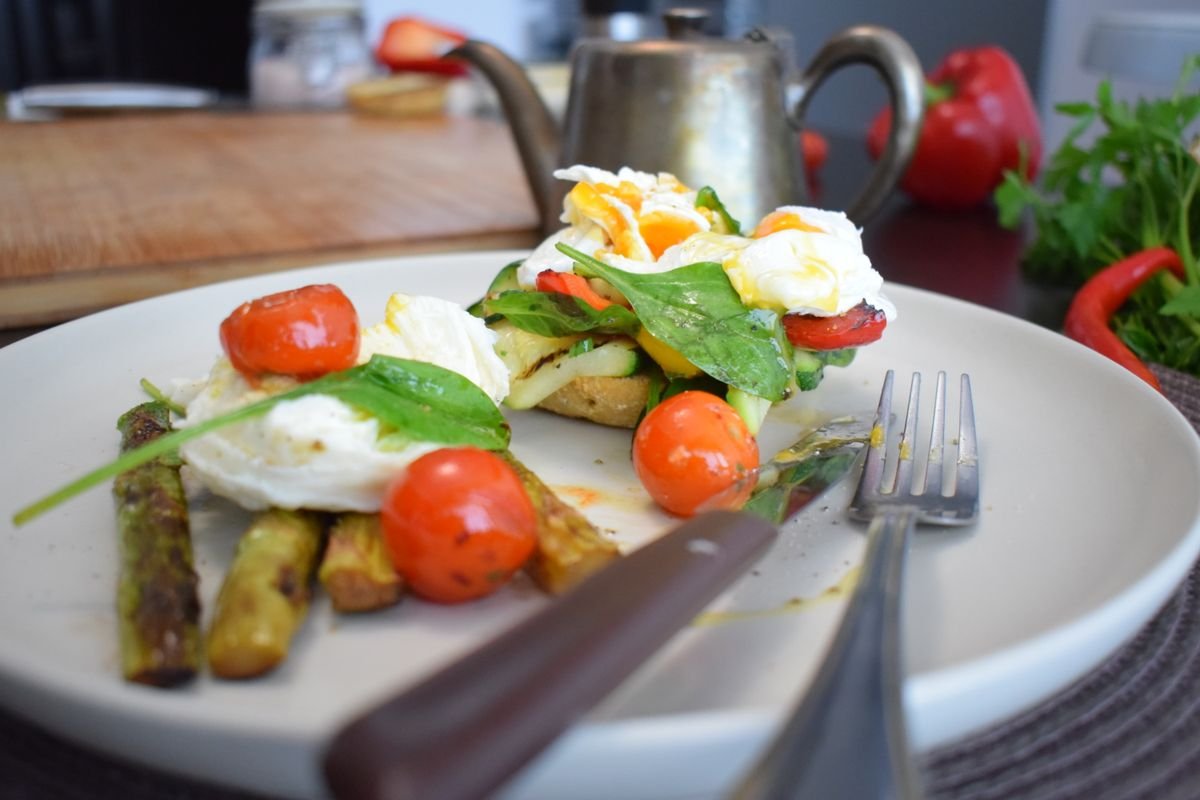
A tablespoon of salt per quart helps poached egg whites set faster and hold their shape. Skip the vinegar myth unless you like the taste — salt alone does the job.
7. Strain Eggs Before Poaching
Crack each egg into a fine-mesh strainer and let the watery outer white drain off for 10 seconds. Only the firm white goes in the pot, so you get neat poached eggs with no wispy trails.
8. Create a Whirlpool for Poaching
Stir the simmering water into a gentle whirlpool before slipping the egg in. The swirl wraps the white around the yolk into a tidy package instead of a flat pancake.
9. Cook Scrambled Eggs Low and Slow
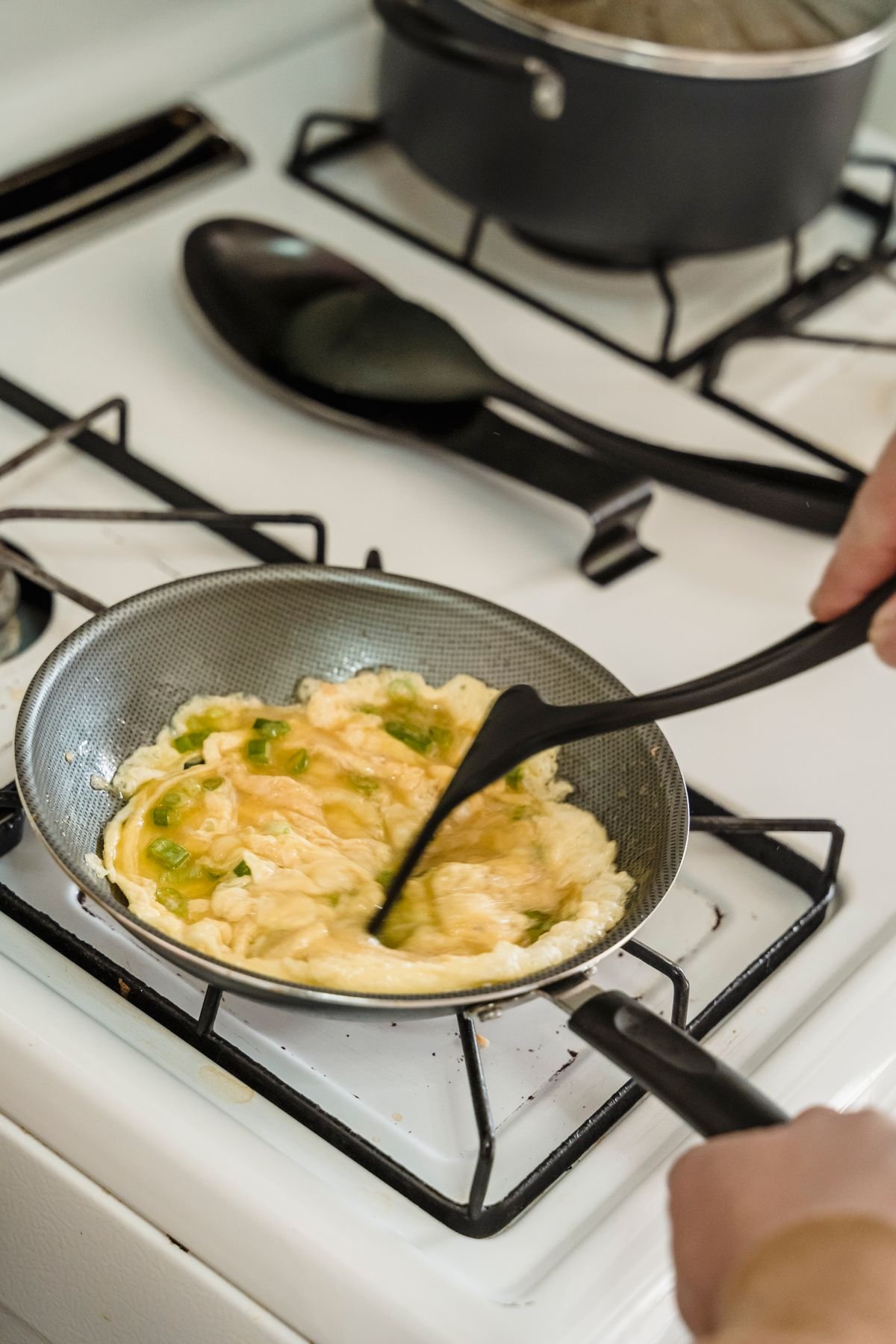
Keep the heat on low and stir constantly with a spatula, pushing curds from the edges. Small, creamy curds beat rubbery ones — and pull them off just before they look done.
10. Add a Splash of Milk or Cream
A tablespoon of dairy per two eggs makes scrambles richer and more tender. For the fluffiest texture, whisk until completely uniform with no visible streaks of white.
11. Season Scrambled Eggs at the End
Salt draws moisture out of eggs, so salting early makes watery scrambles. Season off the heat right before serving for the creamiest, best-seasoned eggs.
12. Make 6-Minute Jammy Eggs
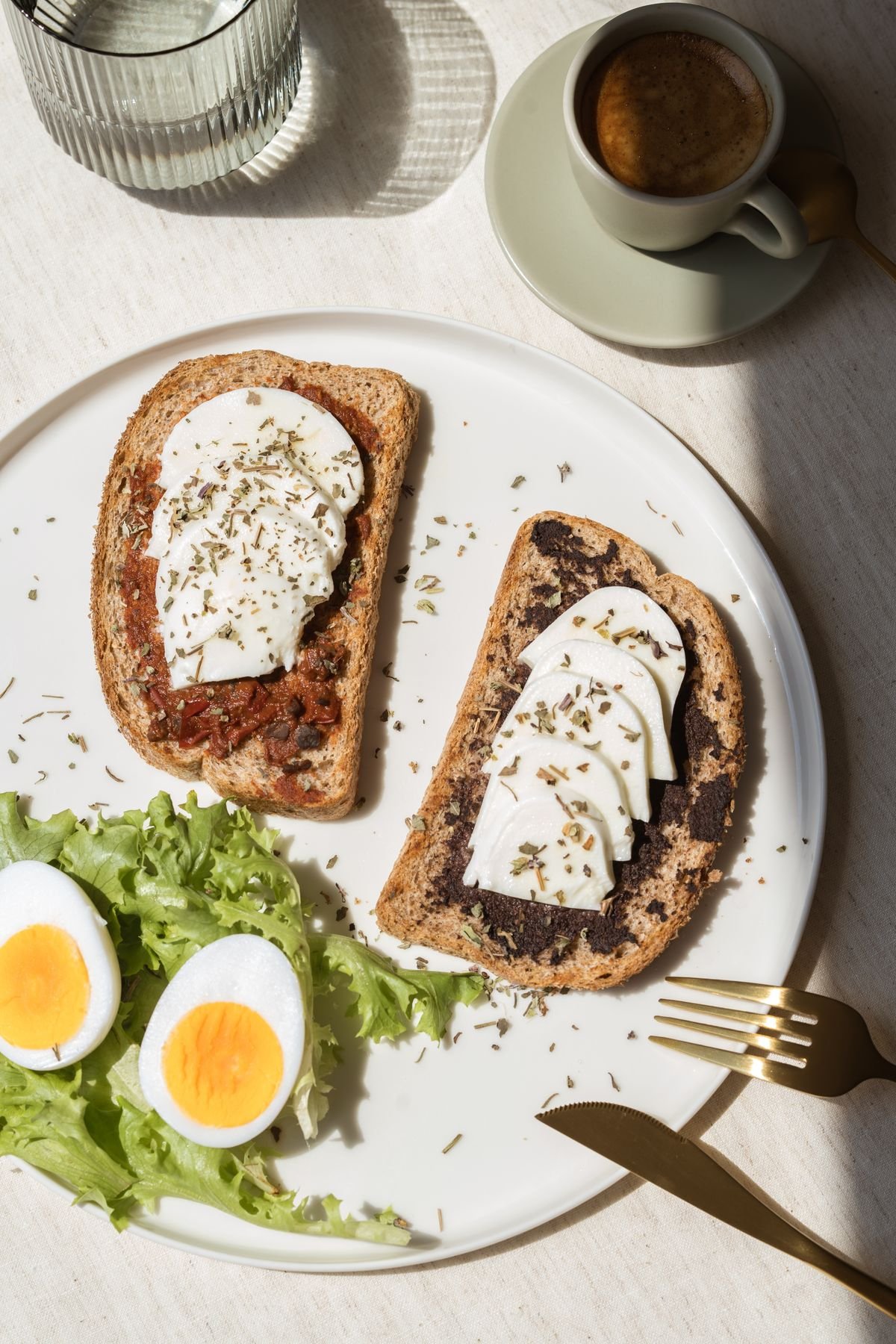
Lower room-temp eggs into boiling water for exactly 6 minutes 30 seconds, then ice-bath. The result: set whites and gloriously jammy, spoonable yolks perfect for ramen and toast.
13. Fry Eggs in Olive Oil for Crispy Edges
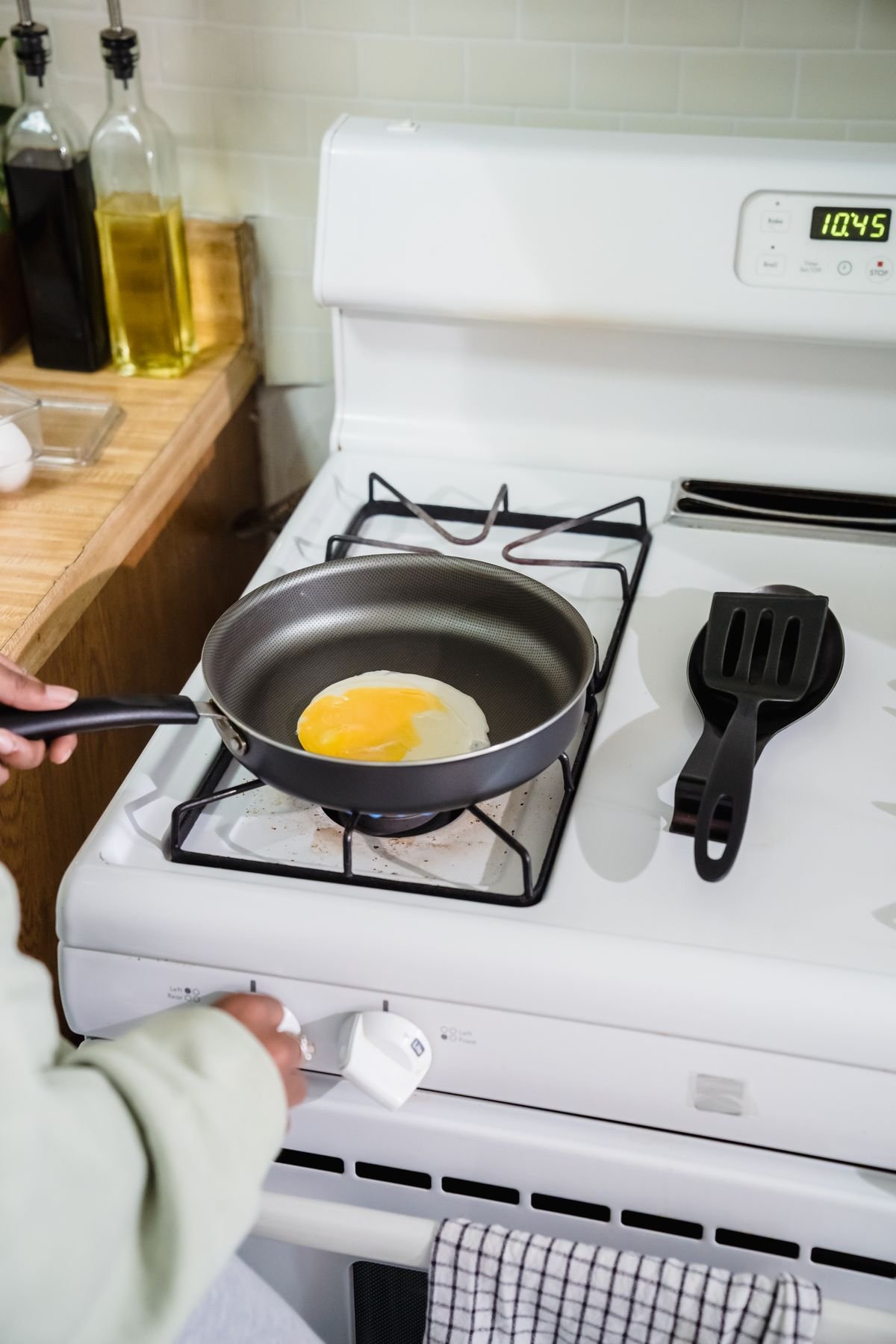
Fry in a generous glug of olive oil over medium-high heat and baste the whites with hot oil. You get lacy, golden-crisp edges with runny yolks — the best of both worlds.
14. Crack Eggs on a Flat Surface
Cracking on a bowl's rim drives shell shards into the egg. Crack on a flat counter instead — you get a cleaner break and almost never fish out shell pieces.
15. Separate Eggs With Your Hands
Crack the egg into your hand and let the white slip through your fingers into a bowl. It's faster and more reliable than shell-to-shell, and you never risk puncturing the yolk on a sharp edge.
16. Freeze Leftover Egg Whites
Pour extra whites into an ice cube tray (one white per well), freeze, then bag them. Label the count — future meringues, omelets, and cocktails thank you.
17. Test Freshness With the Float Test
Drop an egg in a glass of water: fresh eggs sink and lie flat, older-but-fine eggs stand up, and floaters should be tossed. The air cell grows as eggs age.
18. Bring Eggs to Room Temp Fast
Need room-temp eggs for baking? Submerge cold eggs in warm (not hot) water for 5-10 minutes. They'll whip higher and blend into batters without seizing.
19. Make Sheet-Pan Eggs for a Crowd
Whisk a dozen eggs with a splash of milk, pour into a greased rimmed sheet pan, and bake at 350°F for 12-15 minutes. Slice into squares — breakfast sandwiches for the whole crew.
20. Microwave a Mug Omelet in 90 Seconds
Beat 2 eggs with cheese and fillings in a greased mug, microwave 60-90 seconds, stirring once. A genuinely fluffy single-serve omelet with one dish to wash.
21. Store Eggs Pointy-End Down
The air cell sits at the blunt end; storing eggs point-down keeps the yolk centered and away from the air pocket, staying fresher longer. Keep them in the carton, not the fridge door.
22. Use an Eggshell to Fish Out Shell
Wet your fingertip or use a half eggshell to scoop out a stray shell fragment. The shell's edge cuts through the white cleanly where fingers just push the shard around.
23. Make Deviled Eggs With a Zip Bag
Mash yolks with mayo and mustard in a zip-top bag, snip a corner, and pipe into whites. No pastry bag to wash, and the filling comes out smooth and swirled.
24. Bake Eggs in Avocado Halves
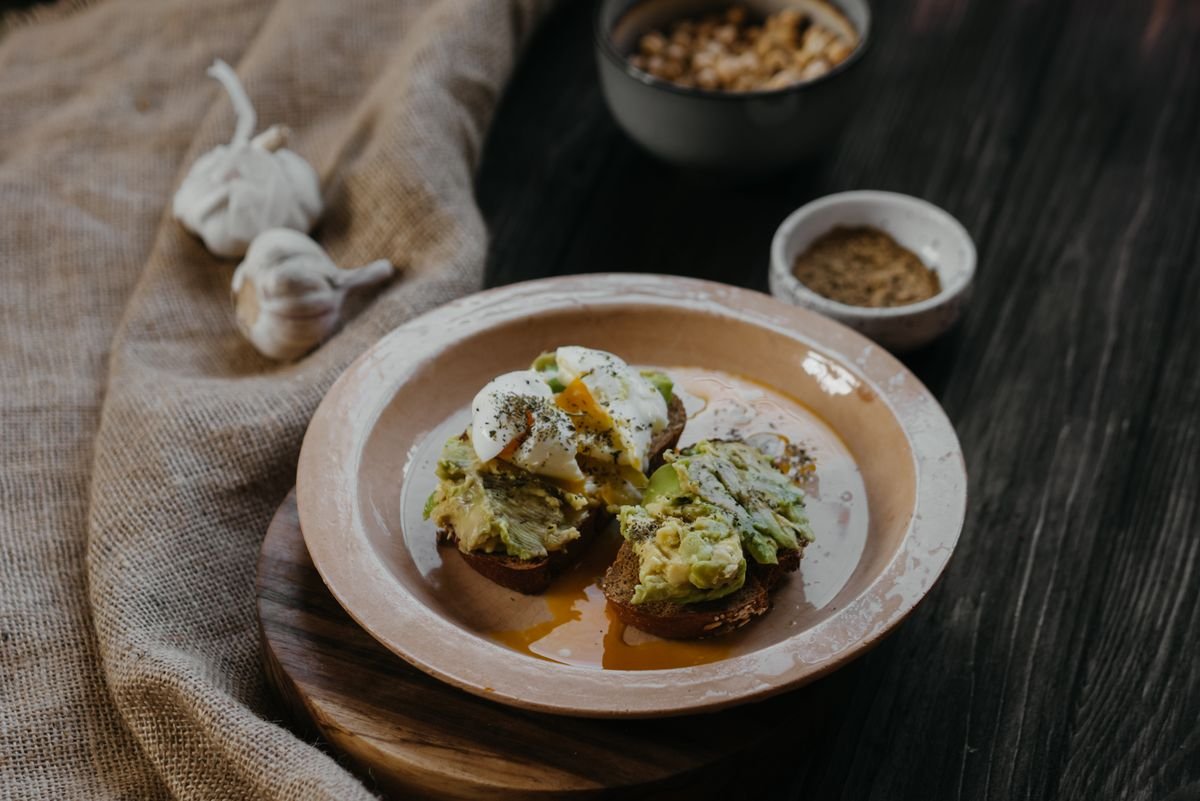
Scoop a little extra flesh from avocado halves, crack an egg into each, and bake at 425°F for 12-15 minutes. Season with chili flakes and lime — breakfast and healthy fats in one.
25. Grate Frozen Butter Into Omelets
Grate a tablespoon of frozen butter on a box grater and fold into beaten eggs. It melts into tiny pockets as the omelet cooks, making it impossibly rich and tender.