25 Frozen Veggie Hacks for Fast, Healthy Dinners
Frozen vegetables are picked at peak ripeness and often more nutritious than week-old 'fresh' produce. These 25 frozen veggie hacks turn freezer bags into crispy roasted sides, speedy stir-fries, and weeknight dinners — no thawing required.
1. Roast Straight From Frozen
Spread frozen vegetables on a preheated oiled sheet pan at 450°F — high heat evaporates surface ice before it can steam them. Don't thaw first; thawing makes them soggy. They need about 5 extra minutes versus fresh.
2. Don't Crowd the Pan
Give frozen veggies space on the sheet pan or the released moisture steams everything. Use two pans rather than one packed one. Crowding is the number one cause of mushy roasted frozen vegetables.
3. Season After Roasting Starts
Roast frozen veggies unseasoned for 10 minutes first, then toss with oil and seasoning — spices burn during the initial moisture-release phase. Salt draws out water, so late salting keeps them crispier. Finish with a final 10-15 minutes.
4. Use High Heat, Always
Roast frozen vegetables at 425-450°F minimum — lower temperatures steam them in their own moisture. High heat is non-negotiable for browning. A convection setting helps even more if your oven has one.
5. Pat Dry When Thawing Is Needed
If a recipe needs thawed vegetables, thaw in a colander and press dry with towels — excess water ruins stir-fries and casseroles. Squeeze spinach in particular until no more liquid comes out. Dry vegetables brown; wet ones steam.
6. Stir-Fry From Frozen on Max Heat
Add frozen vegetables directly to a screaming-hot wok with oil — the intense heat sears before they release water. Work in small batches. Add sauce only after the veggies have color.
7. Microwave-Steam for Speed
Microwave frozen vegetables in a covered bowl with 2 tablespoons water for 4-5 minutes — the fastest side dish possible. Drain well and toss with butter, lemon, and salt. This beats boiling, which leaches nutrients and flavor.
8. Add Frozen Peas at the End
Stir frozen peas into soups, pastas, and fried rice during the last 2 minutes — they cook through from residual heat and stay bright green. Adding them early turns them gray and mushy. Peas are the easiest vegetable upgrade in existence.
9. Roast Frozen Broccoli Until Charred
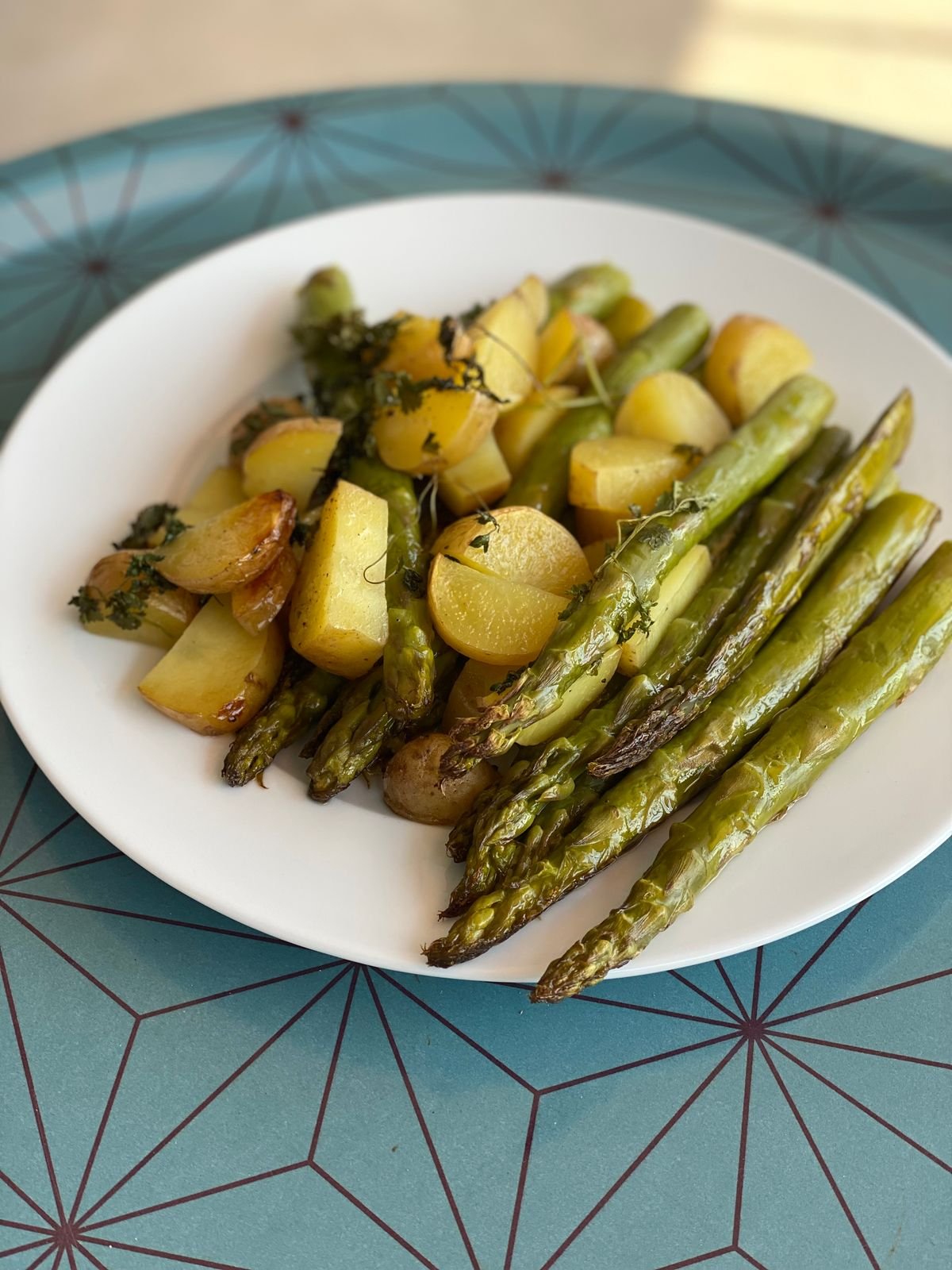
Toss frozen broccoli with oil and roast at 450°F for 25 minutes until the edges char — charred frozen broccoli tastes like the restaurant appetizer. The florets crisp like chips. Finish with lemon juice and parmesan.
10. Make Frozen Cauliflower Rice Work
Sauté frozen cauliflower rice in a dry nonstick pan 5-7 minutes until the moisture evaporates, then add oil and season — drying it first prevents the soggy texture people hate. It then fries up like real rice. Use it in any fried-rice recipe.
11. Blend Frozen Spinach Into Smoothies
A handful of frozen spinach disappears completely into berry smoothies — color, flavor, and texture all hidden. It adds iron and vitamins invisibly. Freeze fresh spinach in portions before it wilts.
12. Use Frozen Peppers and Onions for Fajitas
The frozen pepper-and-onion blend goes straight into a hot skillet for 10-minute fajitas. It's pre-sliced and always ready. Squeeze lime and add fajita seasoning at the end for full flavor.
13. Air-Fry Frozen Green Beans
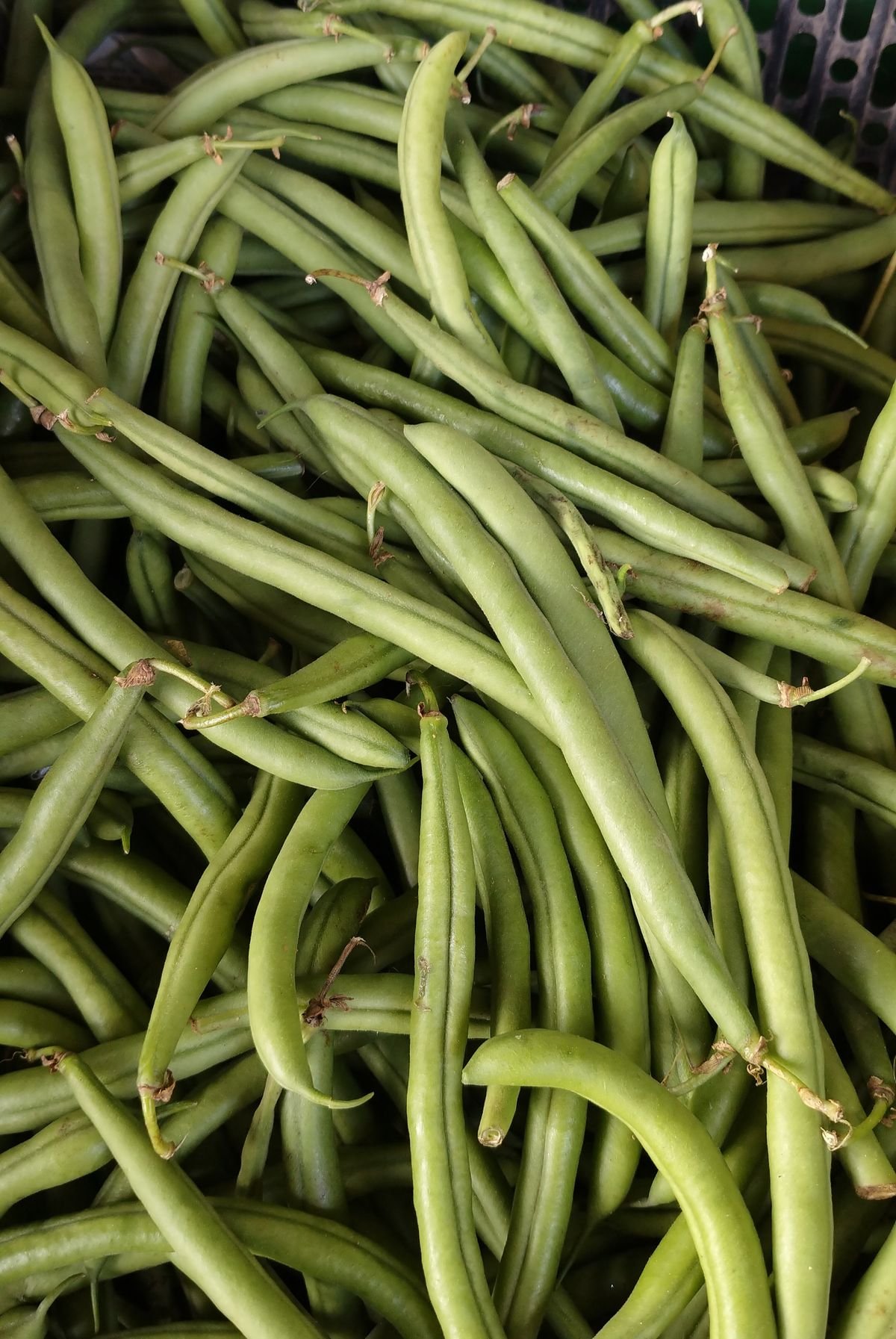
Toss frozen green beans with oil and garlic powder, air-fry at 400°F for 12 minutes, shaking once — they come out blistered and snackable. The air fryer is the best tool for frozen vegetables. Finish with a squeeze of lemon.
14. Add Frozen Corn to Everything
Frozen corn stirred into chili, soups, salads, and grain bowls adds sweetness and color with zero prep. It thaws in minutes from residual heat. Char it in a dry skillet first for smoky depth.
15. Make Sheet-Pan Frozen Veggie Medleys
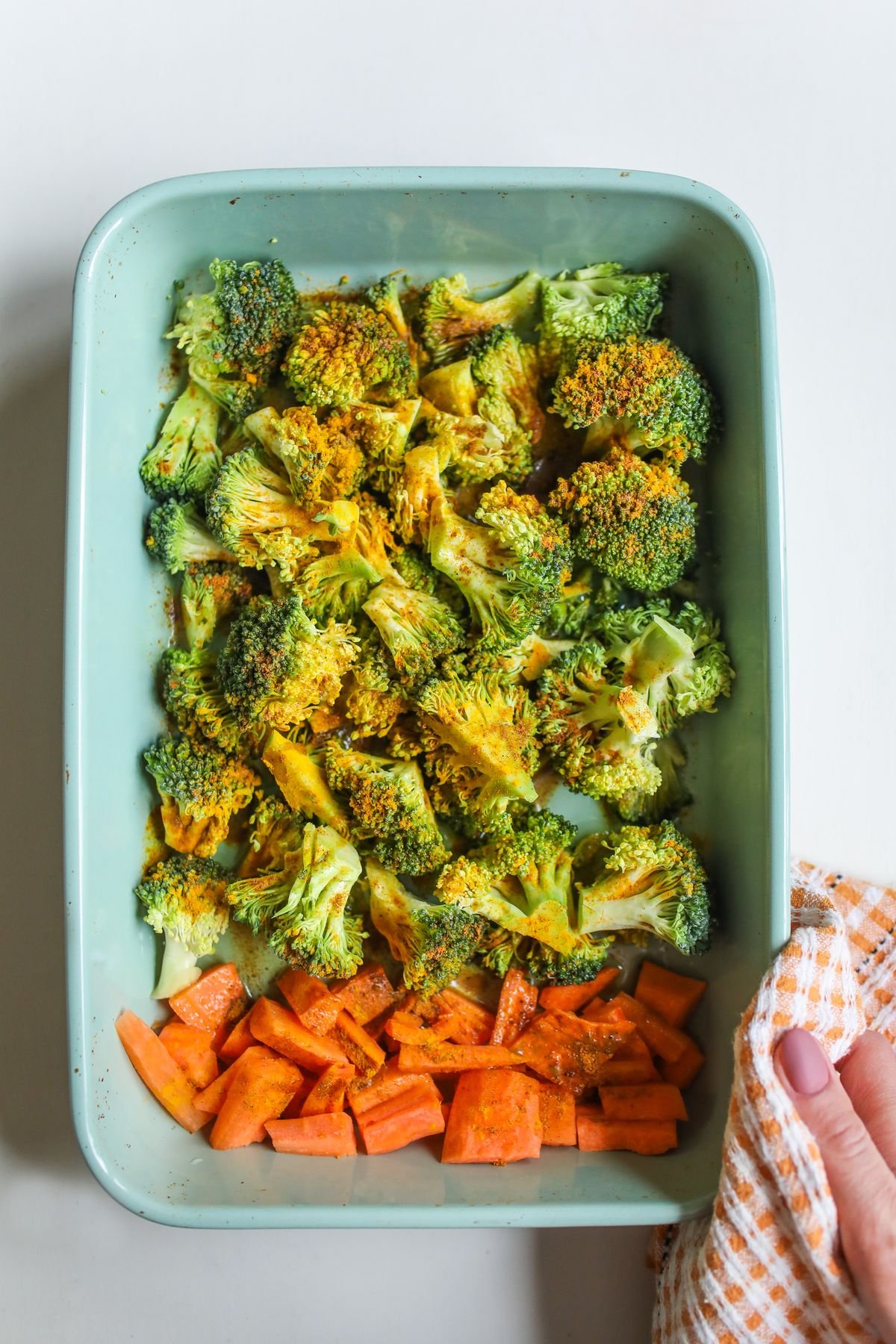
Combine frozen broccoli, cauliflower, and carrots on one pan with smoked paprika and garlic powder — a complete roasted side from the freezer. The different vegetables finish at roughly the same time. Serve over grains for a full meal.
16. Thicken Soups With Frozen Butternut
Simmer frozen butternut squash cubes in soup, then blend — they dissolve into creamy body without any cream. The natural sweetness balances savory soups. This works in any pureed vegetable soup.
17. Roast Frozen Brussels Sprouts Halved
Cut frozen Brussels sprouts in half (easier when partially thawed 10 minutes) and roast cut-side down at 425°F — maximum caramelization on the flat side. Toss with balsamic and honey at the end. The charred leaves are the best part.
18. Keep Stir-Fry Blends for Emergencies
A bag of frozen stir-fry vegetables plus bottled sauce plus rice equals dinner in 15 minutes flat. It's the emergency meal that prevents takeout. Keep two bags in the freezer at all times.
19. Add Frozen Edamame for Protein
Microwave frozen edamame 3 minutes and toss with sea salt — 17g of protein per cup as a snack or bowl topper. The pods make it fun to eat. Shelled edamame blends into grain bowls seamlessly.
20. Make Frozen Veggie Fritters
Thaw and squeeze dry any frozen vegetable, mix with egg, flour, and parmesan, and pan-fry — fritters that use up freezer odds and ends. Zucchini, corn, and broccoli all work. Serve with sour cream or aioli.
21. Char Frozen Peppers for Fajita Flavor
Sear frozen sliced peppers in a dry cast-iron skillet until blackened in spots — the char mimics fire-roasted flavor. Add onions and fajita seasoning after charring. This beats the steamed texture of covered cooking.
22. Use Frozen Artichokes in Pasta
Thawed frozen artichoke hearts sautéed with garlic, lemon, and parmesan make an elegant pasta in 15 minutes. They're already trimmed and tender. The frozen version beats canned on texture every time.
23. Bake Frozen Veggies Into Casseroles
Add frozen vegetables directly to casseroles without thawing — they release moisture during baking that the starches absorb. Increase bake time by 10 minutes. This is the classic tuna-noodle and chicken-pot-pie shortcut.
24. Season Boldly
Frozen vegetables need 25% more seasoning than fresh — the blanching process before freezing mutes their flavor. Garlic powder, smoked paprika, and lemon zest wake them up. Taste and adjust; under-seasoning is the top complaint.
25. Stock a Veggie Freezer Inventory
Keep broccoli, peas, corn, spinach, stir-fry blend, and peppers-and-onions stocked — six bags cover nearly any weeknight dinner emergency. Tape an inventory list to the freezer door. Restock when you hit one bag remaining.