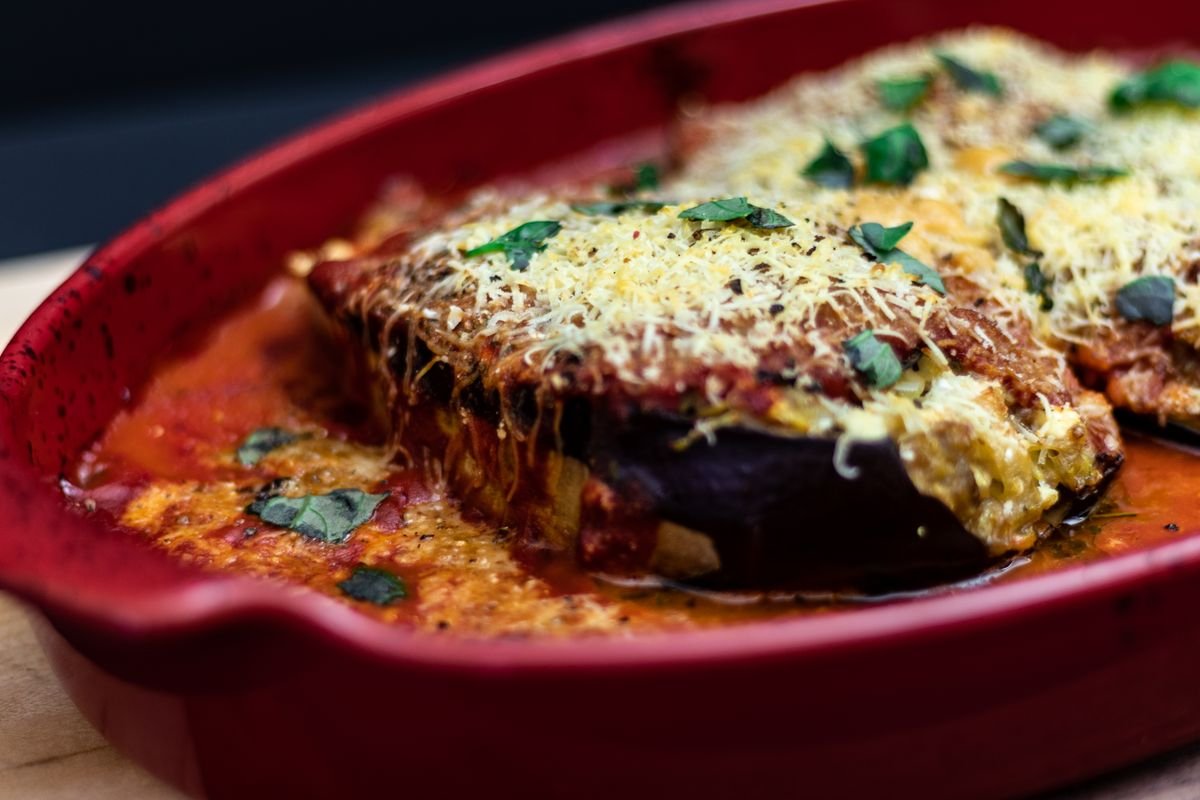
25 Instant Pot Hacks
Your Instant Pot can do far more than you think. These 25 Instant Pot hacks unlock faster weeknight dinners, foolproof rice and eggs, one-pot pastas, and clever tricks for the lid, sealing ring, and sauté mode that even seasoned owners miss.
1. Deglaze After Sauté to Avoid Burn Warnings
After using sauté mode, pour in 1/2 cup of broth or water and scrape the browned bits off the bottom before pressure cooking. Those stuck bits trigger the dreaded BURN warning — deglazing takes 30 seconds and prevents it entirely.
2. Use the Pot-in-Pot Method for Two Dishes
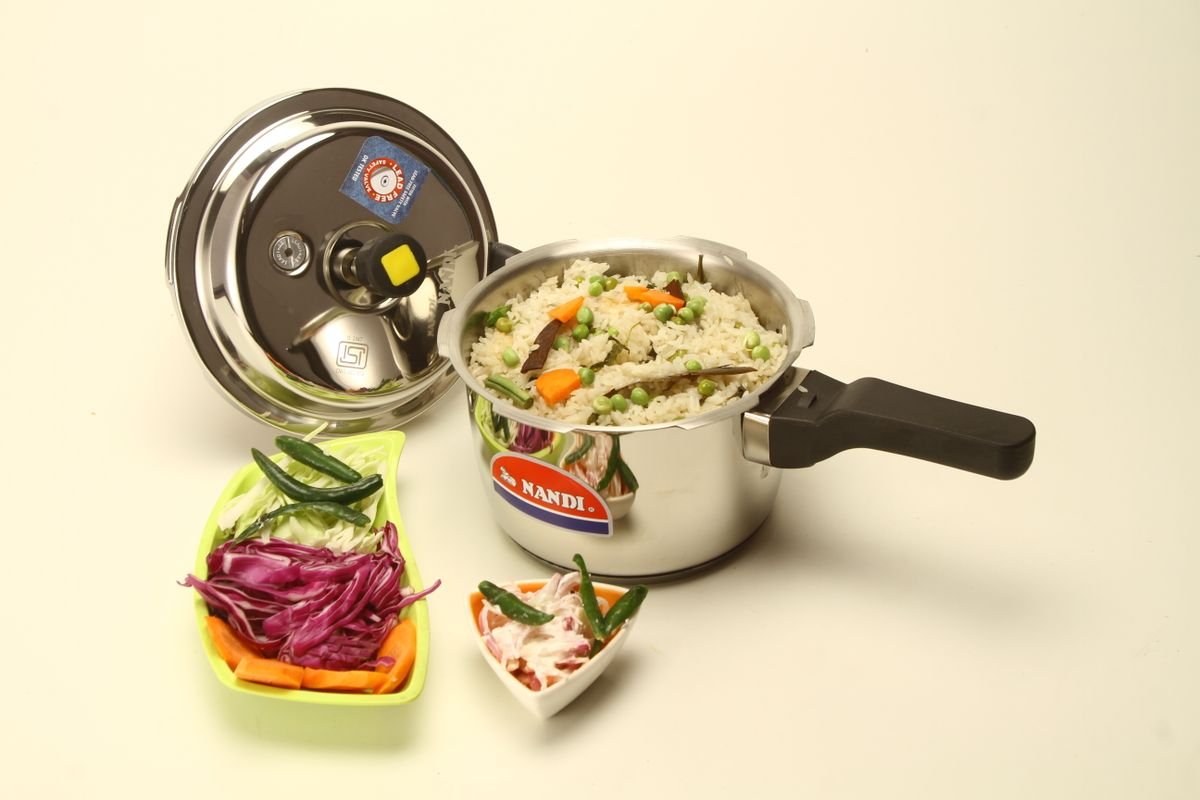
Place a trivet over your main dish, then set a smaller oven-safe bowl on top with rice, veggies, or dessert. Both cook in one pressure cycle — dinner and a side done simultaneously with zero extra time.
3. Keep the Sealing Ring Odor-Free
Soak the silicone sealing ring in white vinegar for 30 minutes after cooking curries or chili, then air-dry in sunlight. The vinegar neutralizes absorbed odors that soap alone can't touch — keep a second ring just for sweet dishes.
4. Make Perfect Hard-Boiled Eggs With 5-5-5
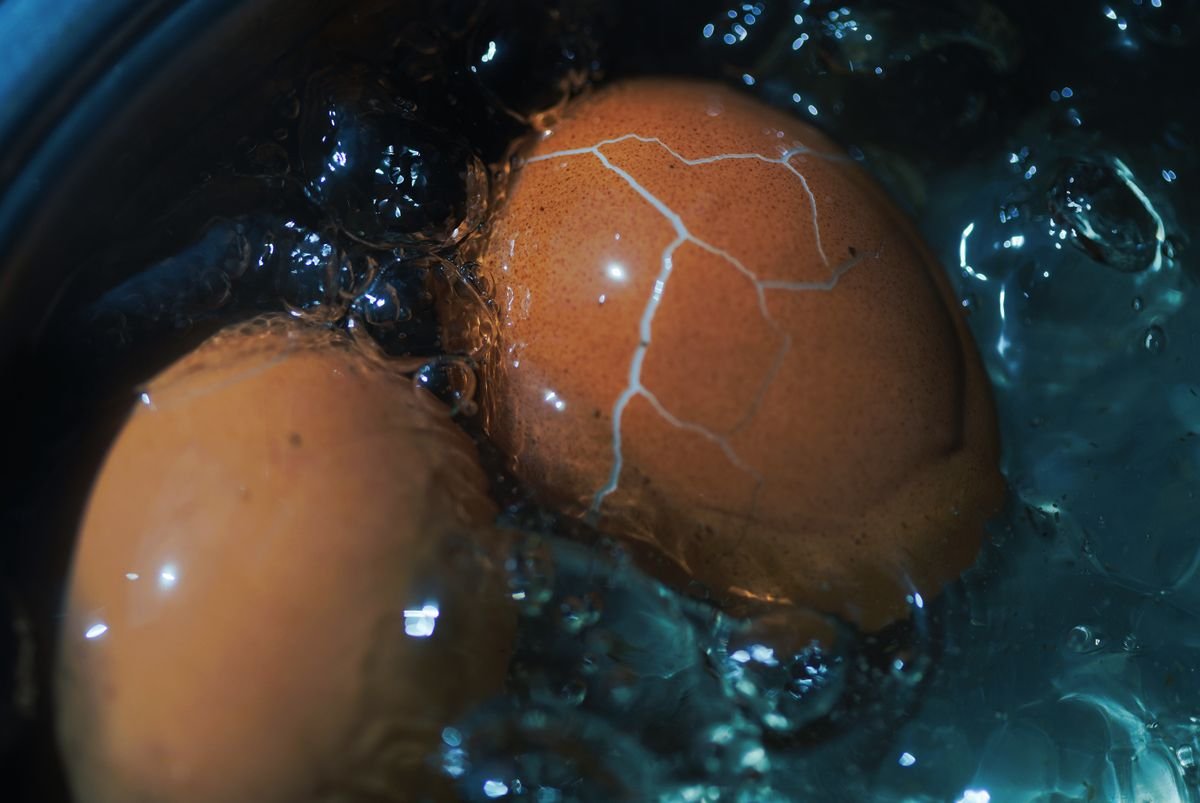
Cook eggs on the trivet with 1 cup water: 5 minutes high pressure, 5 minutes natural release, 5 minutes ice bath. The shells practically fall off, and the yolks come out creamy-yellow with no green ring, every single time.
5. Layer Ingredients — Don't Stir Tomato Dishes
When making chili or pasta sauce, layer tomatoes on TOP and never stir before sealing. Tomato products scorch on the bottom and cause burn errors; layering keeps them suspended while the thin liquid below builds pressure.
6. Use Sauté Mode Like a Real Skillet
Press Sauté and wait until the display reads HOT before adding oil. Browning meat and blooming spices in the pot first builds a flavor base you can't get from pressure cooking alone — then deglaze and seal.
7. Cook Frozen Meat Without Thawing
Add 50% more cook time and 1 cup of thin liquid, and the Instant Pot takes meat straight from frozen. A 2-pound frozen chicken breast needs about 15 minutes high pressure — dinner rescued with zero planning.

8. Make Yogurt Overnight for Pennies
Heat milk to 180°F on Sauté, cool to 110°F, whisk in 2 tablespoons of live-culture yogurt, then incubate 8 hours on the Yogurt setting. You get thick, tangy yogurt for a fraction of store prices.
9. Quick-Release Delicate Foods Only
Use quick release for vegetables, seafood, and pasta to stop the cooking instantly. For meats and grains, always natural-release at least 10 minutes — quick-releasing meat makes it seize up and turn tough.
10. Double the Trivet as a Steamer Basket
Flip the included trivet upside down or stack two to create a raised platform for steaming. Dumplings, tamales, and artichokes steam perfectly above 1 cup of water in 5-10 minutes.
11. Proof Bread Dough on the Yogurt Setting
Grease the inner pot, add your dough, and run Yogurt on LOW for 1 hour with a glass lid. The gentle, consistent warmth proofs dough in half the time of a countertop rise, even in a cold kitchen.
12. Store the Lid Upside Down
Rest the lid upside-down on top of the pot between uses. It airs out the sealing ring and prevents that stale, trapped smell — plus it doubles as a handy drip-free serving station.
13. Make Bone Broth in 2 Hours, Not 24
Pressure-cook bones with water, vinegar, and aromatics for 120 minutes on high. You extract the same gelatin-rich broth that takes a full day on the stove, and it gels beautifully when chilled.

14. Use the Delay Start for Morning Oatmeal
Load steel-cut oats, water, and a pinch of salt at night and set Delay Start so cooking finishes when you wake up. Hot, creamy oatmeal is waiting — just never delay-start meat or dairy for food safety.
15. Convert Slow Cooker Recipes Easily
As a rule of thumb, 8 hours on slow-cooker LOW equals about 25-30 minutes at high pressure. Reduce the liquid by about a third since pressure cooking loses almost no moisture to evaporation.
16. Clean the Rim With a Foam Paintbrush
The groove around the pot's rim traps gunk no sponge can reach. A cheap foam paintbrush or an old toothbrush scrubs it out in seconds — do it weekly to keep the lid sealing properly.
17. Make Dulce de Leche From One Can
Pour a can of sweetened condensed milk into a mason jar, seal the lid finger-tight, and pressure-cook on the trivet in water for 35 minutes. Cool completely for thick, caramel-y dulce de leche with one ingredient.
18. Keep Warm Without Overcooking
The Keep Warm function holds food safely for up to 10 hours, but switch it off for pasta and rice after 30 minutes. Starches keep absorbing liquid and turn mushy — transfer them to a container instead.
19. Use Natural Release for Foamy Foods
Beans, lentils, and grains foam up and can spit through the valve on quick release. Let them natural-release 10-15 minutes first, then quick-release the rest — no starchy spray on your cabinets.
20. Sanitize Baby Bottles and Jars
Run the Steam function for 5 minutes with 1 cup of water and items on the trivet. It's a chemical-free sanitizer for bottles, canning jars, and sponges — far faster than boiling a big pot.
21. Make Fluffy Rice With the 1:1 Ratio
For white rice, use exactly 1 cup water per 1 cup rinsed rice, 3 minutes high pressure, 10 minutes natural release. The sealed environment loses no steam, so the classic stovetop ratios don't apply — 1:1 is perfect.

22. Reheat Leftovers With Steam, Not the Microwave
Add 1 cup water, place leftovers in an oven-safe dish on the trivet, and steam 5 minutes. Food reheats evenly without the rubbery edges or dried spots microwaves cause.
23. Mark Sealing Rings Sweet vs. Savory
Buy a two-pack of rings in different colors and dedicate one to desserts and yogurt, one to curries and garlic-heavy dishes. Silicone holds onto strong flavors, and this keeps your cheesecake from tasting like last night's chili.
24. Use the Condensation Collector
Snap the little plastic cup onto the back of the pot. It catches drips from the lid rim so your counter stays dry — empty it after each use so it doesn't get funky.
25. Do a Water Test Before Your First Meal
Run 3 cups of water on Steam for 5 minutes before cooking anything. It burns off factory residue, teaches you the sealing and release process, and confirms your unit pressurizes correctly — 10 minutes that prevent first-meal disasters.