25 Pork Chop Hacks for Juicy, Never-Dry Chops
Pork chops have a bad reputation for dryness — but that's a technique problem, not a meat problem. Modern pork is leaner than ever, so it needs different handling than grandma's recipe. These 25 hacks cover brining, searing, temperature, and resting so your chops come out juicy, tender, and full of flavor every time.
1. Brine for 30 Minutes Minimum
Brine for 30 Minutes Minimum — Dissolve 1/4 cup salt in 4 cups water and soak chops 30 minutes to 4 hours. Brining adds moisture insurance — the single best defense against dry pork. Rinse and pat dry before cooking.
2. Buy Thick Chops, 1 Inch or More
Buy Thick Chops, 1 Inch or More — Thin chops overcook before they brown. Choose chops at least 1 inch thick — they give you time to develop a crust while the center stays juicy. Bone-in thick chops are the most forgiving.
3. Pull at 140°F, Not 160°F
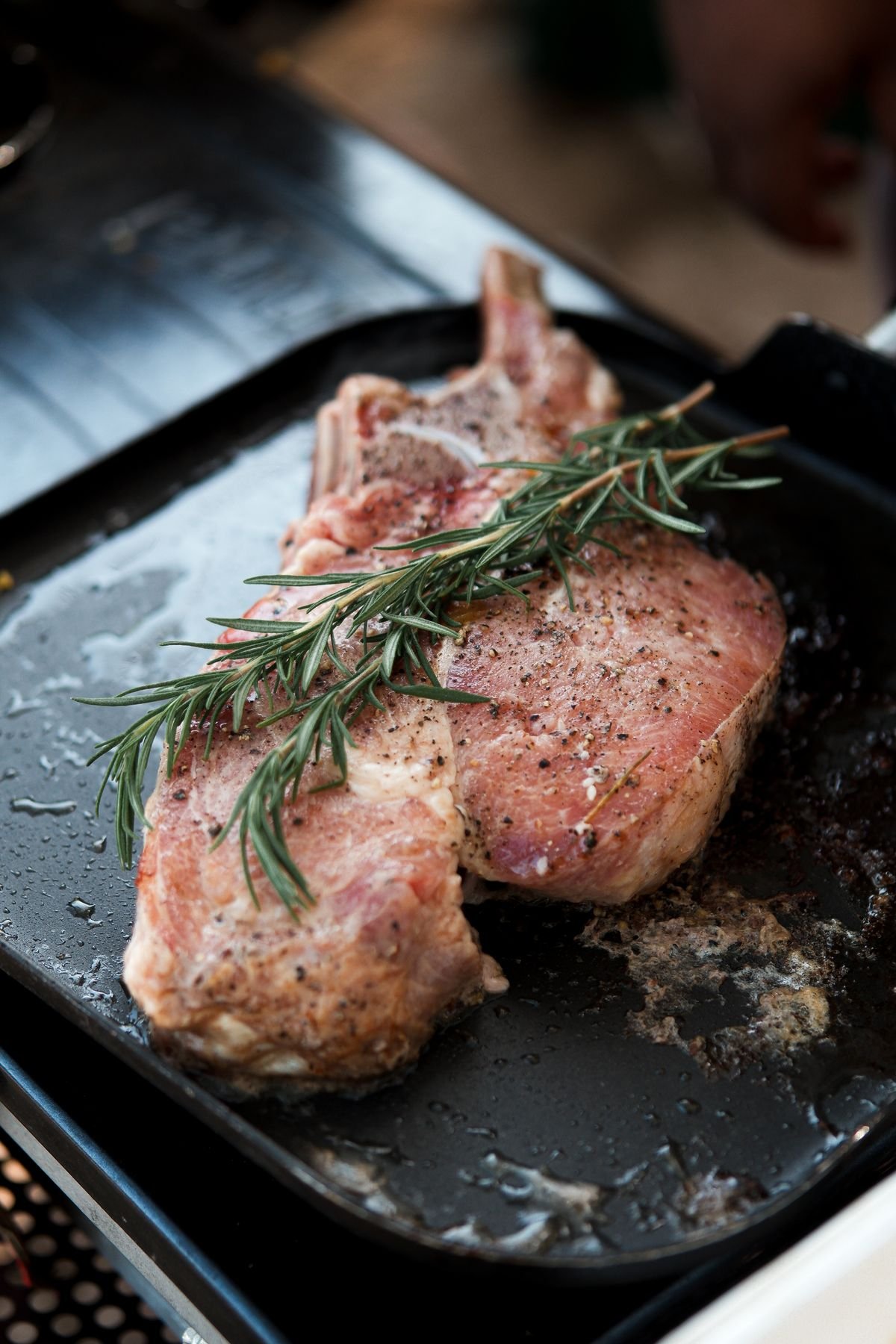
Pull at 140°F, Not 160°F — The USDA says 145°F is safe, and carryover cooking adds 5 degrees. Pull chops at 140°F and rest them to a perfect 145°F. Cooking to 160°F is the classic dryness mistake.
4. Rest 5 Minutes Before Cutting
Rest 5 Minutes Before Cutting — Resting lets juices redistribute instead of flooding the cutting board. Tent chops loosely with foil for 5 minutes. Cut too early and all that juiciness ends up on the plate, not in the meat.
5. Sear Hot, Finish Gentle
Sear Hot, Finish Gentle — Sear chops in a ripping-hot pan for 2 minutes per side for crust, then move to a 375°F oven to finish. The two-stage method gives you browning AND even cooking without a burnt outside.
6. Pat Completely Dry Before Searing
Pat Completely Dry Before Searing — Moisture on the surface steams instead of sears. Pat chops dry with paper towels right before they hit the pan. Dry surface + hot pan = deep golden crust in minutes.
7. Season 40 Minutes Ahead or Right Before
Season 40 Minutes Ahead or Right Before — Salt either 40+ minutes ahead (so it absorbs) or immediately before cooking. Salting 10 minutes ahead draws out moisture that then sits on the surface and ruins your sear.
8. Use a Thermometer Every Time
Use a Thermometer Every Time — Pork's doneness window is narrow — 5 degrees separates juicy from dry. An instant-read thermometer is non-negotiable for chops. Guess doneness and you'll guess wrong half the time.
9. Butter-Baste for Restaurant Flavor
Butter-Baste for Restaurant Flavor — In the last minute of cooking, add butter, garlic, and thyme to the pan and tilt it to spoon the foaming butter over the chops. This French technique adds incredible richness and aroma.
10. Pound to Even Thickness
Pound to Even Thickness — Chops are often thick on one end and thin on the other. Pound the thick end gently to even it out. Uniform thickness means the whole chop finishes at the same time.
11. Reverse Sear Thick Chops
Reverse Sear Thick Chops — Bake thick chops at 275°F until they hit 120°F internally, then sear in a hot skillet. Reverse searing gives edge-to-edge perfect doneness with zero gray band — steakhouse technique for pork.
12. Apple Pairing Is Classic for a Reason
Apple Pairing Is Classic for a Reason — Apples' sweetness and acidity cut pork's richness perfectly. Sauté sliced apples in the pork drippings after cooking for an instant pan sauce. Add a splash of cider for depth.
13. Don't Press the Chops
Don't Press the Chops — Pressing chops with a spatula squeezes out juices and flattens your crust. Let them sit undisturbed — the sear forms on its own. Hands off the spatula.
14. Marinate With Acid, Briefly
Marinate With Acid, Briefly — A 2-hour marinade with citrus or vinegar tenderizes the surface. But don't go overnight — acid turns the exterior mushy on lean pork. Two hours is the sweet spot.
15. Bone-In Stays Juicier
Bone-In Stays Juicier — The bone insulates the meat and adds flavor. Bone-in chops are more forgiving of a minute too long in the pan. When in doubt at the butcher counter, choose bone-in.
16. Make a Pan Sauce in 3 Minutes
Make a Pan Sauce in 3 Minutes — After searing, deglaze the pan with broth or wine, scrape up the browned bits, and swirl in butter. Those caramelized bits are pure flavor — never wash them down the drain.
17. Room Temp for 20 Minutes First
Room Temp for 20 Minutes First — Cold chops seize in a hot pan and cook unevenly. Let them sit on the counter 20 minutes before cooking. The center cooks faster and the sear is more even.
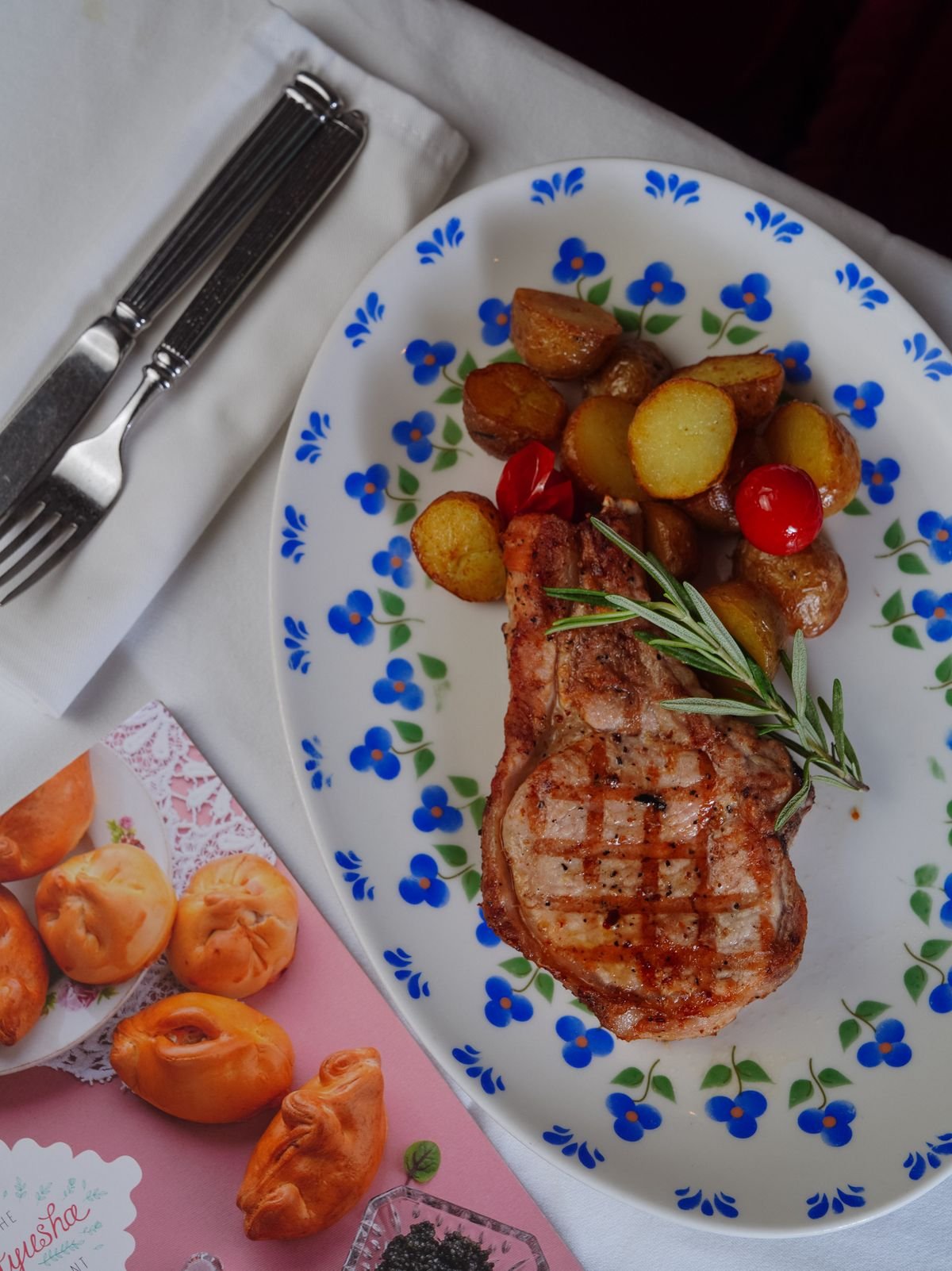
18. Score the Fat Cap
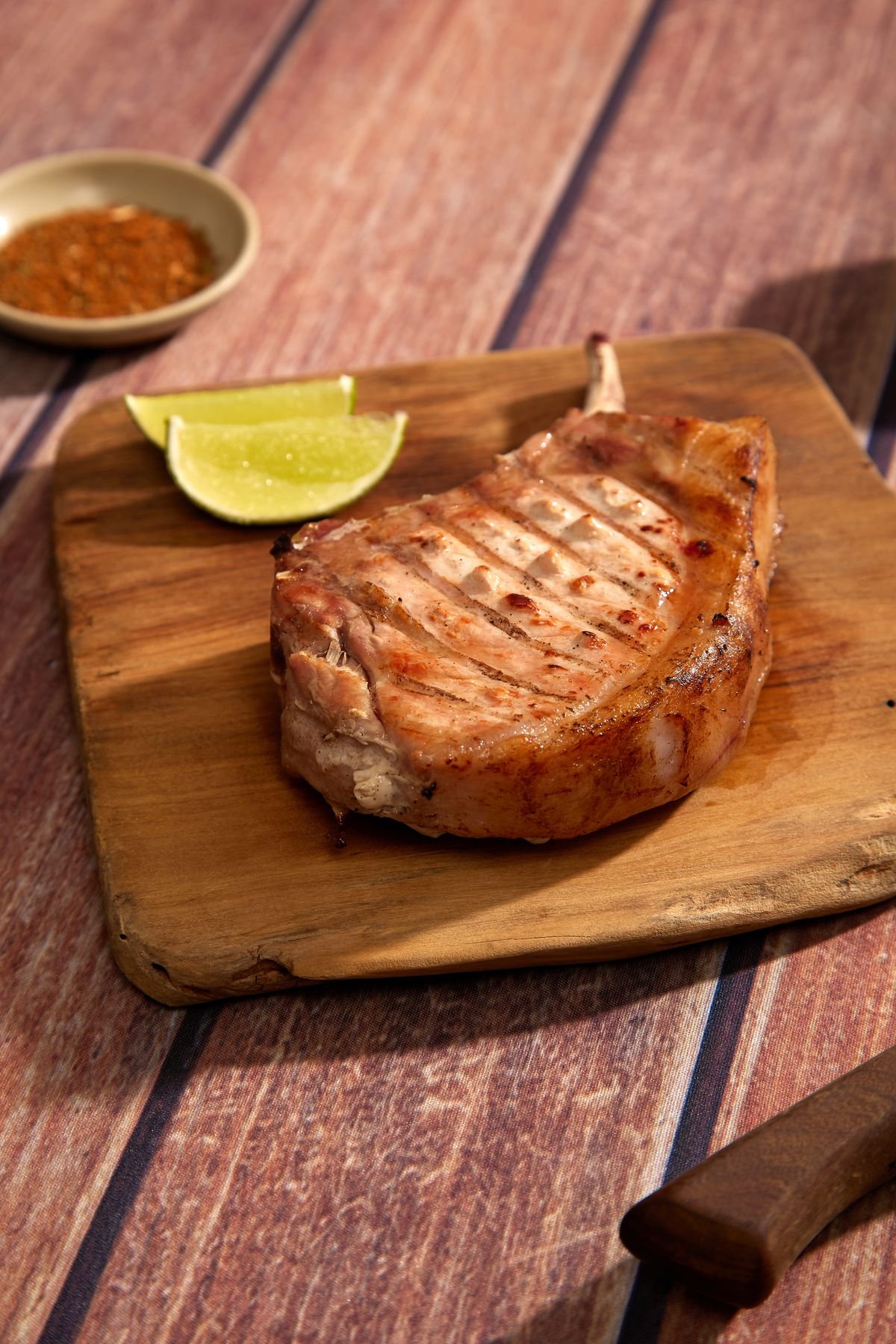
Score the Fat Cap — If your chops have a fat cap, score it in a crosshatch pattern. Scoring prevents the chop from curling in the pan and lets the fat render into the meat for extra flavor.
19. Stuff Thick Chops for a Showpiece
Stuff Thick Chops for a Showpiece — Cut a pocket in 1.5-inch chops and fill with apple-sausage or spinach-cheese stuffing. Secure with toothpicks and bake. Stuffed chops look impressive but take 10 extra minutes.
20. Smoked Paprika = Instant Depth
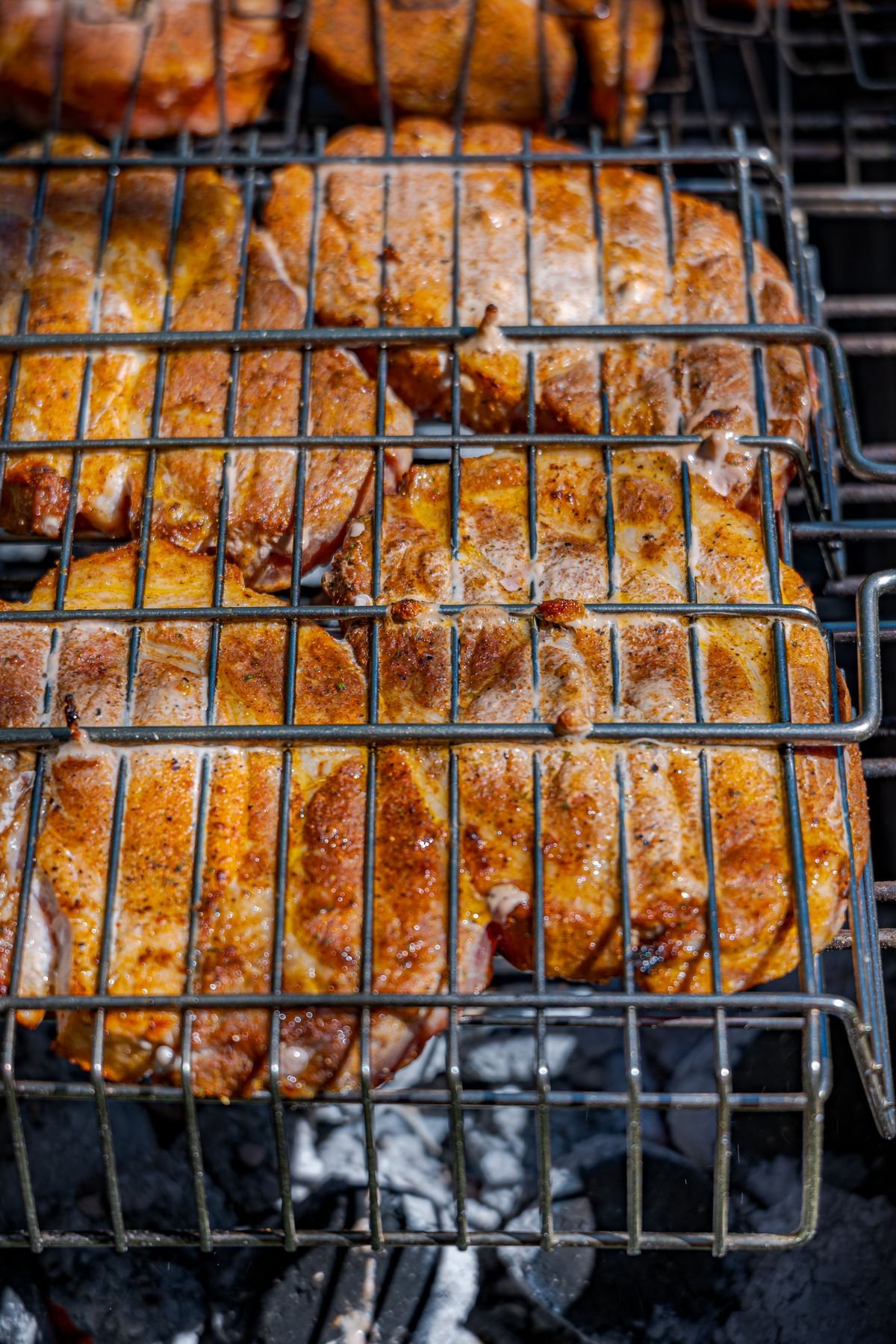
Smoked Paprika = Instant Depth — Rub chops with smoked paprika, garlic powder, and brown sugar before searing. The smoky-sweet crust tastes like it came off a grill, even from a stovetop pan.
21. Brine in Apple Cider
Brine in Apple Cider — Swap water for apple cider in your brine. The cider adds subtle sweetness and acidity that complements pork beautifully. It's the fall version of a classic technique.
22. Slice Against the Grain
Slice Against the Grain — Look for the lines in the meat and slice perpendicular to them. Shorter muscle fibers mean more tender bites. This matters most for chops served sliced rather than whole.
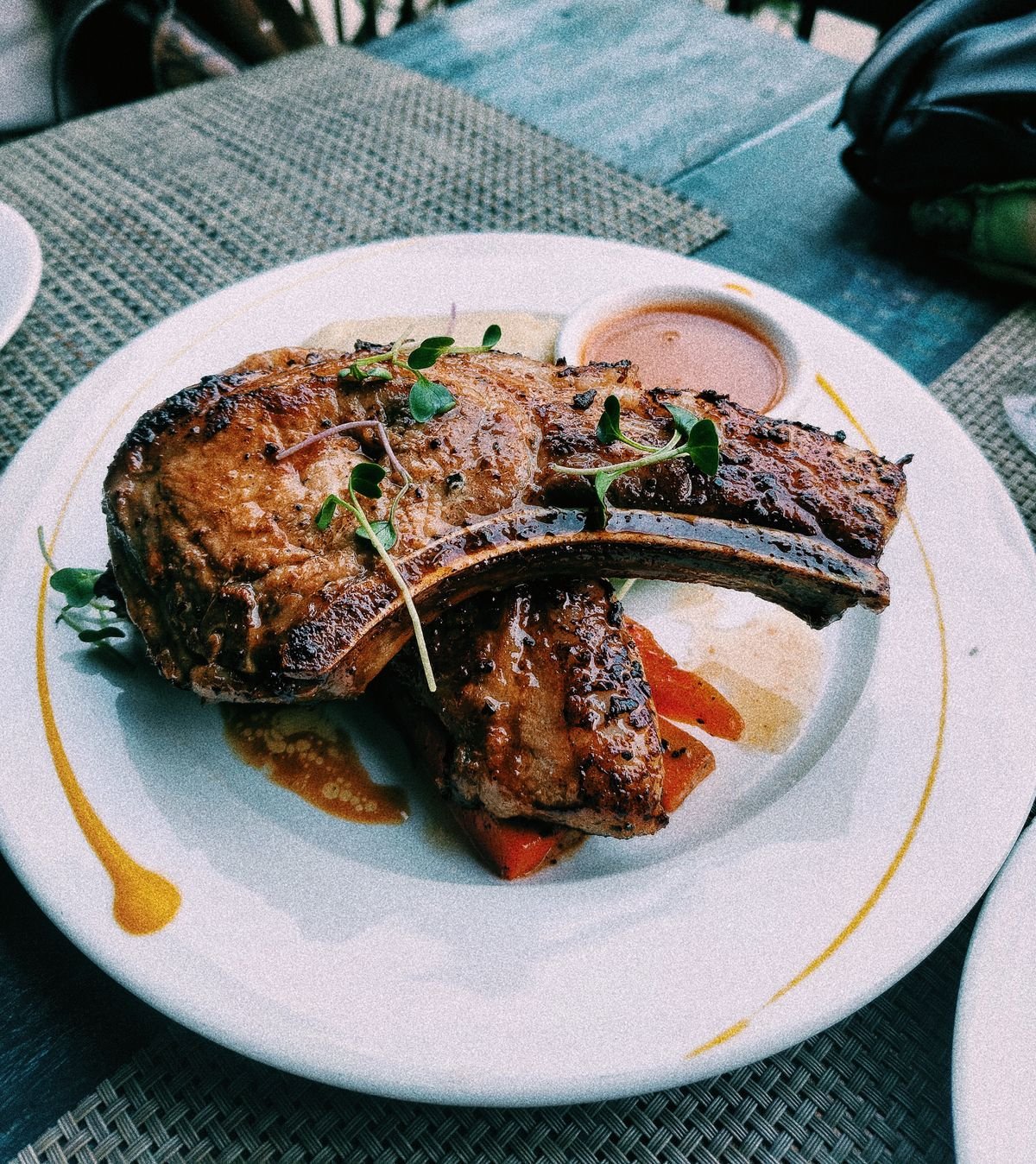
23. Leftover Chops: Low and Slow Reheat
Leftover Chops: Low and Slow Reheat — Reheat leftover chops at 300°F covered with a splash of broth. High heat turns leftovers to leather; gentle reheating keeps them tender. Slice thin for sandwiches.
24. Mustard Binder for Breading
Mustard Binder for Breading — Brush chops with Dijon before dredging in breadcrumbs. The mustard helps the coating stick AND adds tangy flavor. The breading stays put instead of sliding off in the pan.
25. Freeze in Marinade for Instant Dinners
Freeze in Marinade for Instant Dinners — Put chops in a freezer bag with marinade and freeze. They marinate as they thaw in the fridge. Move from freezer to fridge in the morning for a ready-to-cook dinner.