25 Pork Hacks for Juicy, Tender Pork Every Time
Pork's reputation for dryness is a cooking problem, not a meat problem. These 25 pork hacks cover brining, temperature, and technique for every cut — from weeknight chops to low-and-slow shoulder — so your pork comes out juicy and tender every single time.
1. Brine Chops for 30 Minutes Minimum
A quick brine (1/4 cup salt per quart of water) for even 30 minutes dramatically improves pork chops. The salt dissolves muscle proteins so they hold onto moisture instead of squeezing it out in the pan.
2. Pull Pork at 145°F, Not 160°F
Modern pork is safe at 145°F with a 3-minute rest — and it's a completely different meat at that temperature: blushing, juicy, tender. The old 160°F rule is why a generation thinks pork is dry.
3. Rest Thick Cuts 10 Minutes
A pork loin or thick chop needs a full 10-minute rest tented in foil. The juices redistribute instead of flooding the cutting board, and carryover cooking finishes the center gently.
4. Sear Then Finish in the Oven
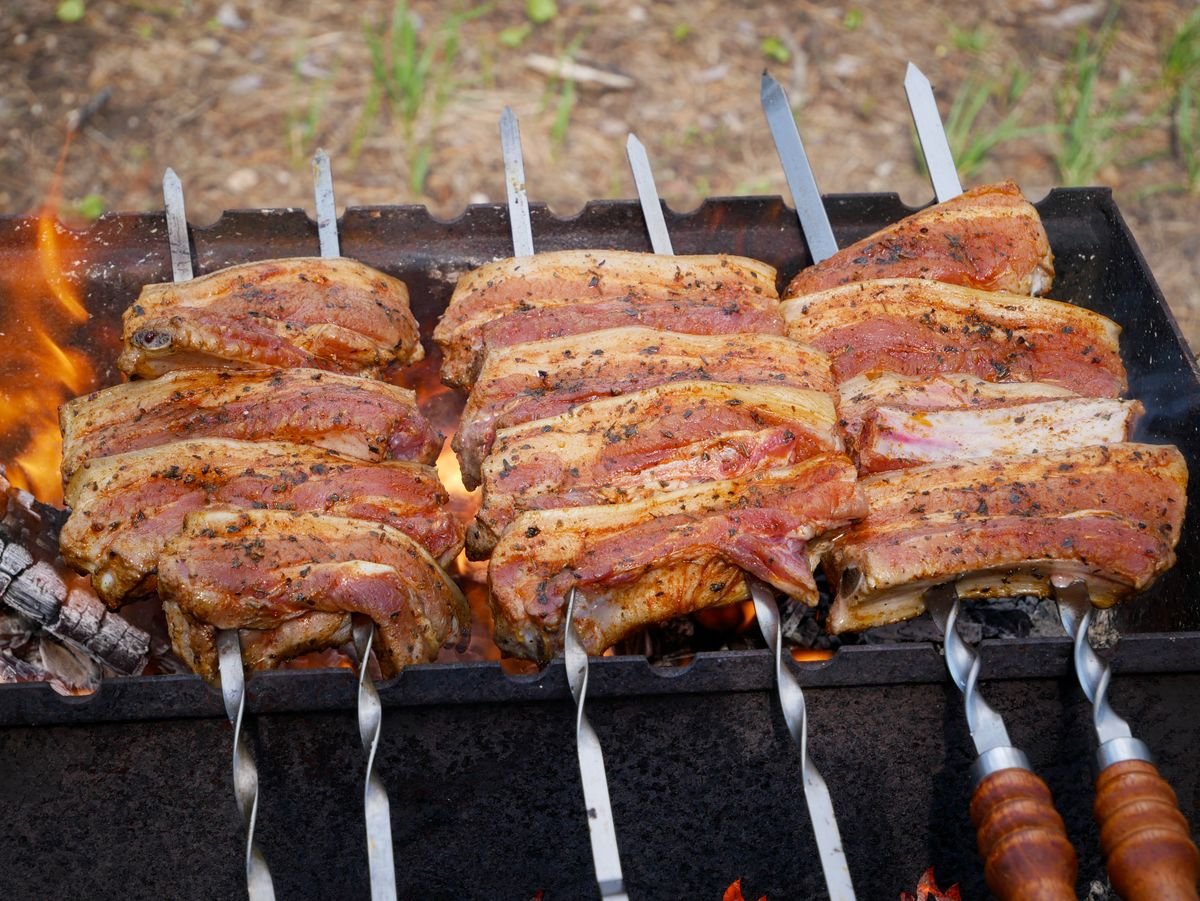
For chops thicker than 1 inch, sear hard 2 minutes per side, then finish in a 400°F oven. The oven's even heat cooks the center without torching the exterior — the reverse-sear logic works for pork too.
5. Use a Thermometer, Not Time
Pork thickness varies wildly, so time-based recipes lie. A $15 instant-read thermometer is the only reliable way to hit 145°F — guessing is how chops go from perfect to sawdust.
6. Score the Fat Cap
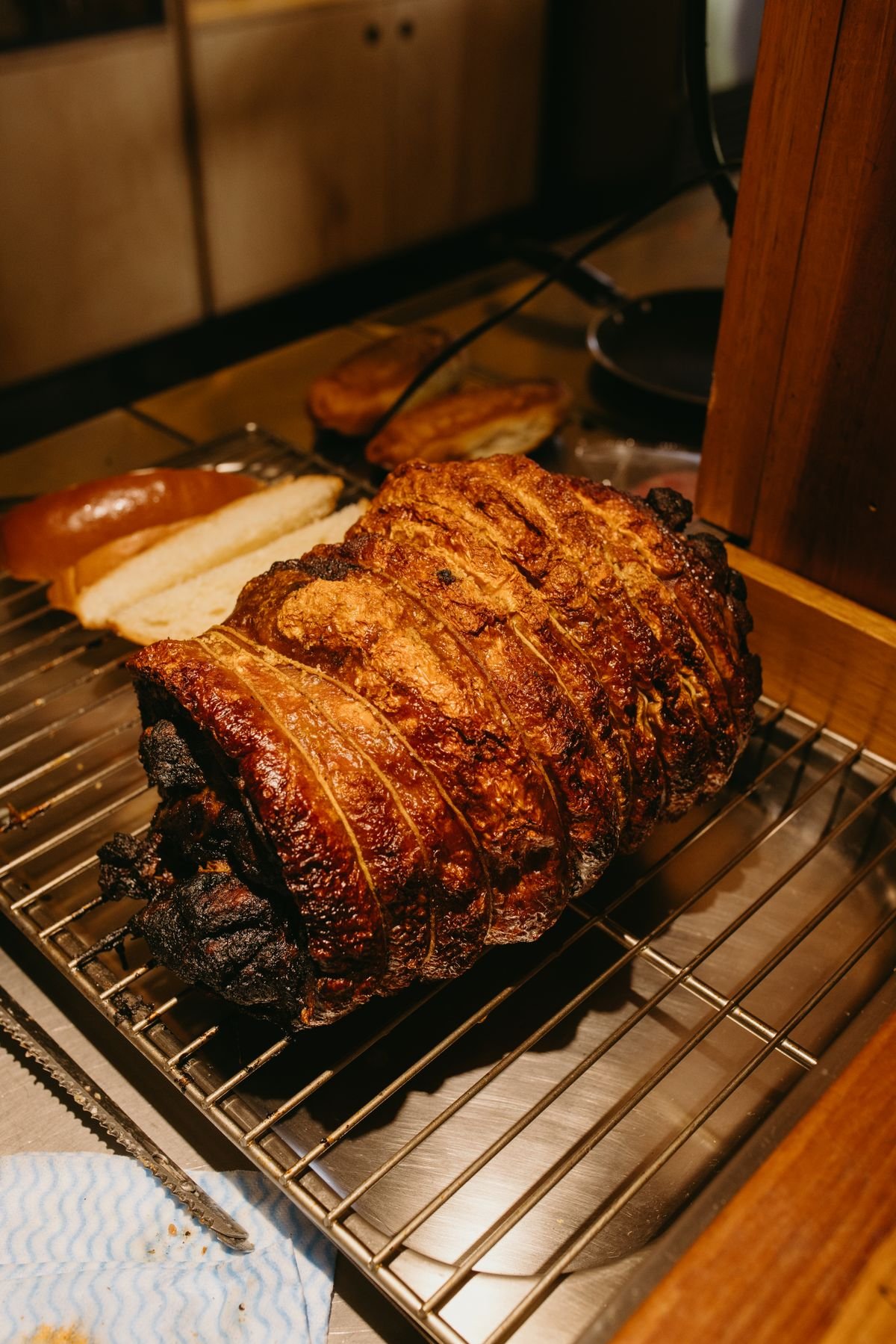
On pork shoulder or loin roasts, score the fat cap in a crosshatch before roasting. The cuts let the fat render and baste the meat, and the scored edges crisp into crackling.
7. Cook Shoulder Low and Slow
Pork shoulder needs 275-300°F for 5-6 hours until it hits 200-205°F internally. That long, slow cook melts collagen into gelatin — pull it earlier and it's tough; patience is the whole recipe.
8. Don't Trim All the Fat
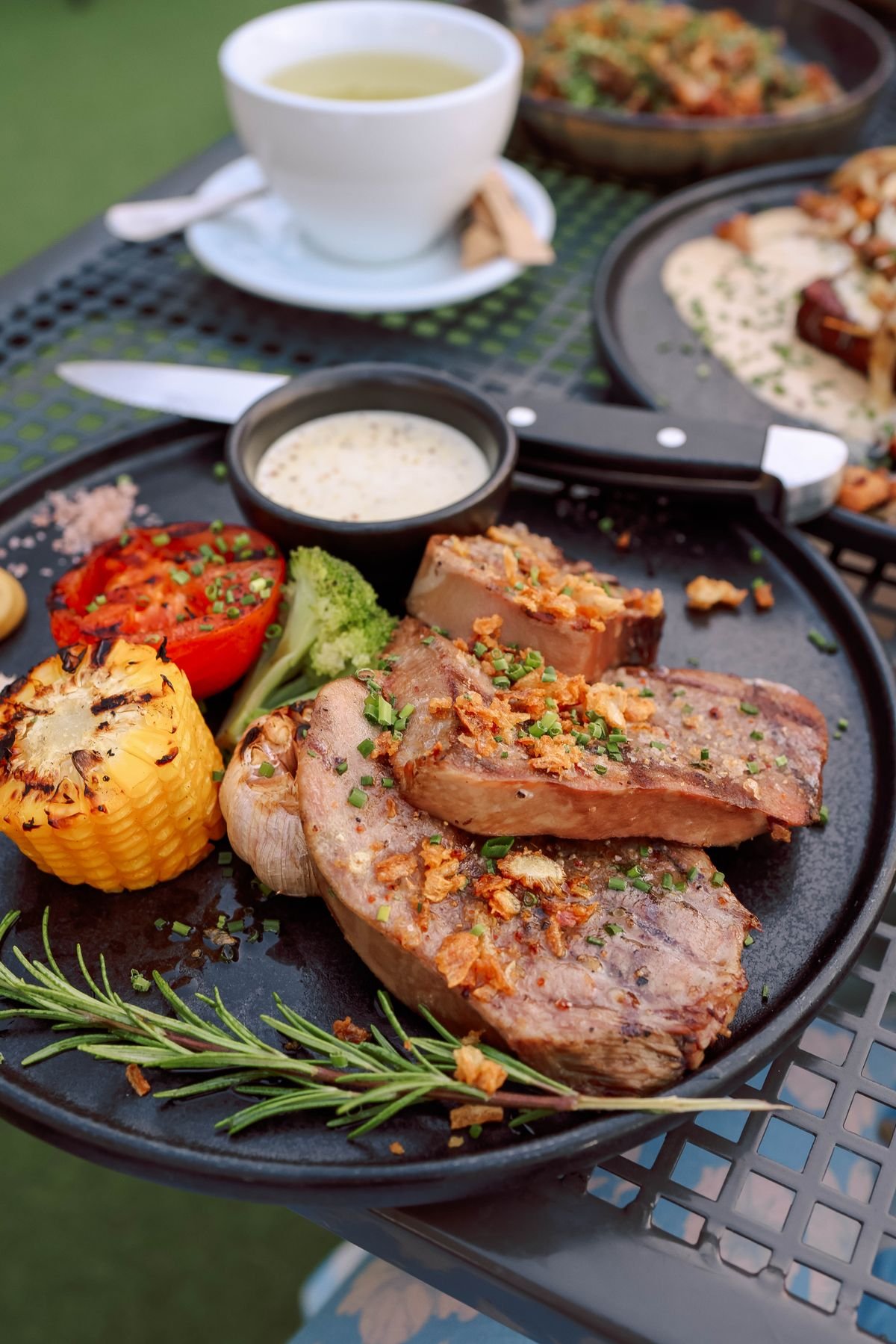
Leave at least 1/4 inch of fat on shoulder and chops. Fat is flavor and insurance: it bastes the meat as it cooks and keeps lean pork from drying out. Trim the excess, not all of it.
9. Marinate with Acid Briefly
Citrus or vinegar marinades tenderize pork, but limit acid exposure to 2 hours max — longer and the exterior turns mushy while the inside stays untouched. For overnight marinades, skip the acid and use salt and oil.
10. Pound Chops to Even Thickness
Uneven chops cook unevenly — thin edges dry out while thick centers stay raw. Pound to a uniform 3/4 inch between plastic wrap for chops that cook through at the same rate.
11. Salt Pork the Night Before
Dry-brining (salting uncovered in the fridge overnight) seasons pork deeply and dries the surface for better browning. It's easier than a wet brine and gives superior crust on roasts.
12. Use Bone-In Cuts for Flavor
Bone-in chops and roasts cook more gently (the bone insulates) and taste richer. The meat near the bone is always the juiciest piece — buy bone-in whenever the price is close.
13. Make Pan Sauce from the Fond
After searing pork, deglaze the pan with wine, stock, or even apple juice, scraping up the browned bits. Reduce 3 minutes, swirl in butter — a 5-minute sauce that tastes like you tried hard.
14. Braise Tough Cuts in Liquid
Country ribs and shoulder steaks turn tender in a covered braise: 325°F for 2-3 hours in stock, cider, or beer until fork-tender. Dry heat ruins these cuts; moist heat transforms them.
15. Shred, Don't Slice, Pulled Pork
Let the shoulder rest 30-45 minutes after cooking, then shred with two forks or bear claws, mixing the bark (crusty exterior) throughout. Slicing misses the point — shredding distributes the bark's flavor.
16. Save the Drippings
The rendered fat and juices from any pork roast are liquid gold. Skim and use for roasting potatoes, or whisk pan drippings into gravy — throwing them out is throwing away flavor.
17. Butterfly Thick Tenderloin
Butterfly a pork tenderloin and pound it flat for even cooking, or butterfly and stuff it with herbs and cheese before rolling and tying. Even thickness is the key to not overcooking the thin tail.
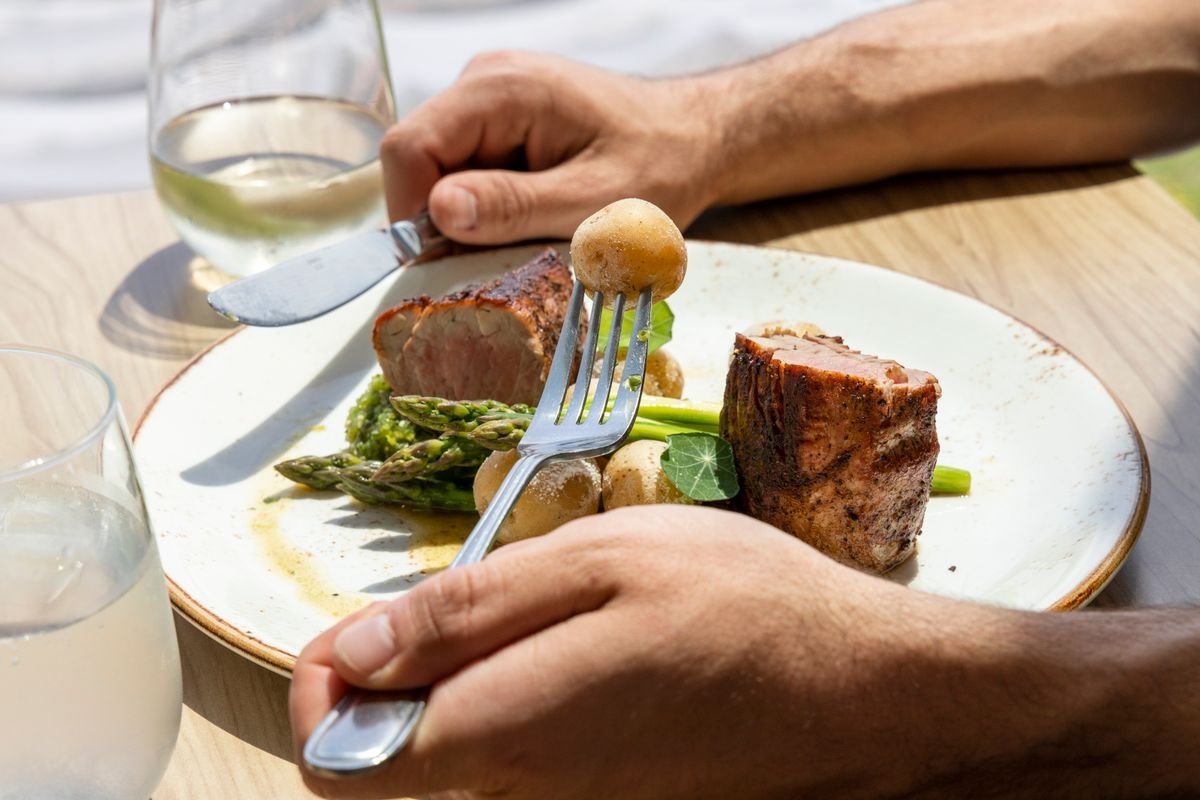
18. Tie Tenderloin for Uniform Shape
A tenderloin's tapered tail overcooks while the thick end catches up. Fold the thin tail under and tie the roast at intervals — uniform thickness means uniform doneness.
19. Glaze in the Last 15 Minutes
Sugary glazes (honey, brown sugar, maple) burn over long cooks. Apply them only in the final 15-20 minutes of roasting so they caramelize instead of charring into bitterness.
20. Let Pulled Pork Bark Form Undisturbed
For the best bark on smoked or slow-roasted shoulder, don't wrap or mop for the first 4-5 hours. The undisturbed exterior dries into that dark, crusty, intensely flavored bark.
21. Slice Against the Grain
Find the direction of the muscle fibers and slice perpendicular to them. Short fibers chew tender; long fibers chew tough — this matters enormously for loin and shoulder steaks.
22. Use Apple Pairings Naturally
Pork and apple are a classic for a reason: the fruit's acidity cuts pork's richness. Roast apples alongside the pork, deglaze with cider, or serve applesauce — the pairing never fails.
23. Reheat Low and Covered
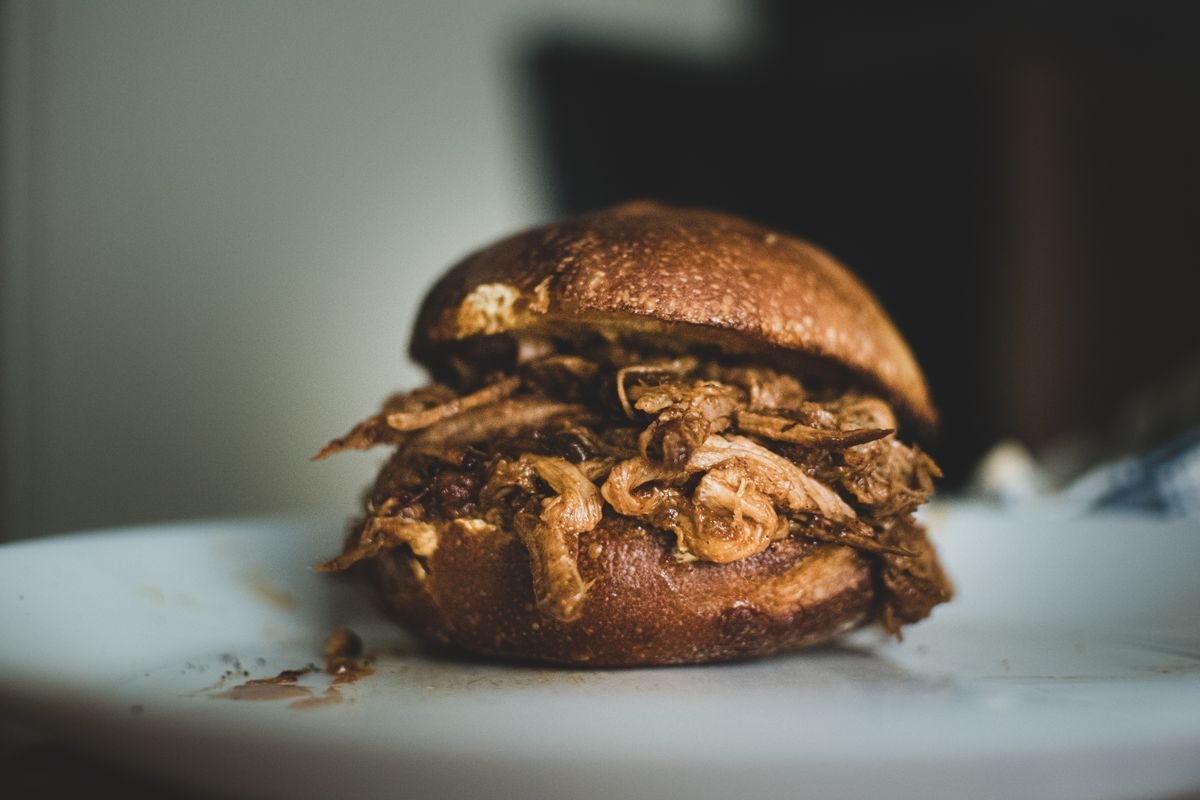
Reheat leftover pork gently: covered at 300°F with a splash of stock, or sliced into warm (not hot) sauce. Blasting leftovers in the microwave is how juicy pork becomes rubber.
24. Freeze Pork in Marinade
Put pork chops or tenderloin in a freezer bag with marinade and freeze. It marinates as it thaws in the fridge — dinner prep that does itself while you sleep.
25. Crisp Leftover Pulled Pork
Spread leftover pulled pork on a sheet pan and broil 5 minutes until the edges crisp. Crispy carnitas-style bits on tacos or nachos beat the original roast — leftovers as an upgrade.