25 Puff Pastry Hacks for Flaky Bakery-Style Bakes
Puff pastry is the ultimate shortcut to bakery-level baking — hundreds of buttery layers from a freezer box. These 25 puff pastry hacks cover thawing, handling, shaping, and filling tricks for maximum puff and shatter.
1. Thaw in the Fridge, Never the Microwave
Move puff pastry from freezer to fridge 4-6 hours (or overnight) before using. Microwave thawing melts the butter layers into the dough — and melted layers mean zero puff, just greasy flat pastry.
2. Keep It Cold at Every Step
If the pastry feels soft or the butter looks melty, refrigerate 15 minutes before continuing. Cold butter hitting a hot oven creates the steam that separates the layers — warm butter just soaks in.
3. Unfold Gently, Don't Force It
Let the folded sheet relax 5 minutes after unfolding before rolling. Forcing cold pastry to unfold cracks it along the fold lines; patience gives you a smooth, crack-free sheet.
4. Roll Lightly, in One Direction
Roll from the center outward in one direction to even the thickness. Aggressive back-and-forth rolling compresses the layers and reduces puff — gentle, minimal rolling preserves the lift.
5. Use a Sharp Cutter, Never a Dull One
Cut with a sharp knife or pizza wheel in one firm press. Dull cutters and sawing motions seal the layer edges shut — sealed edges can't separate, so they bake up dense instead of puffy.
6. Don't Twist When Cutting Rounds
Press biscuit cutters straight down and lift straight up. Twisting seals the edges just like a dull knife does — straight cuts give you maximum rise on every round.
7. Dock the Base for Flat Tarts
Prick the center of tart bases with a fork (docking) while leaving a 1-inch border undocked. The docked center stays flat for fillings while the border puffs into a gorgeous rim.
8. Chill Shaped Pastry Before Baking
Refrigerate cut and shaped pastry 15-20 minutes before it goes in the oven. This firms the butter back up after handling — the single biggest factor in getting tall, even puff.
9. Bake Hot: 400-425°F
Puff pastry needs fierce initial heat to generate the steam burst that lifts layers. A lukewarm oven melts butter before steam forms — always fully preheat, and don't open the door early.
10. Egg Wash Only the Tops, Never the Cut Edges
Brush egg wash on top surfaces for golden shine, but keep it off the cut edges. Egg wash dripping down the sides glues the layers together and prevents rising — the most common puff pastry mistake.
11. Use Parchment, Not Grease
Bake on parchment paper, never a greased pan. Grease fries the bottom layers and makes them heavy; parchment gives clean lift and effortless release every time.
12. Make Palmiers with Just Sugar
Spread a puff pastry sheet with 1/2 cup sugar, roll both long sides toward the center, slice 1/2-inch thick. Bake 15 minutes at 425°F, flipping once — crispy, caramelized elephant ears from two ingredients.
13. Turn Scraps into Cheese Straws
Brush pastry scraps with egg wash, sprinkle Parmesan and paprika, twist into sticks. Bake 12 minutes at 400°F. Scraps become the cocktail snack everyone asks about — zero waste.
14. Blind-Bake Shells with Weights
For filled tarts, line the shell with parchment, fill with pie weights or dried beans, and bake 15 minutes before adding filling. Unweighted shells puff into unusable domes.
15. Score a Border for Easy Tarts
Score a 1-inch border around a pastry rectangle with a knife (don't cut through), dock the center, and bake. The border puffs into a perfect rim — instant tart shell with no special pan.
16. Fill After Baking for Crispy Bottoms
For fruit tarts, bake the shell fully first, then fill with pastry cream and fresh fruit. Filling before baking steams the base soggy; baked-then-filled stays shatteringly crisp.
17. Use Thawed-But-Cold Pastry for Pinwheels
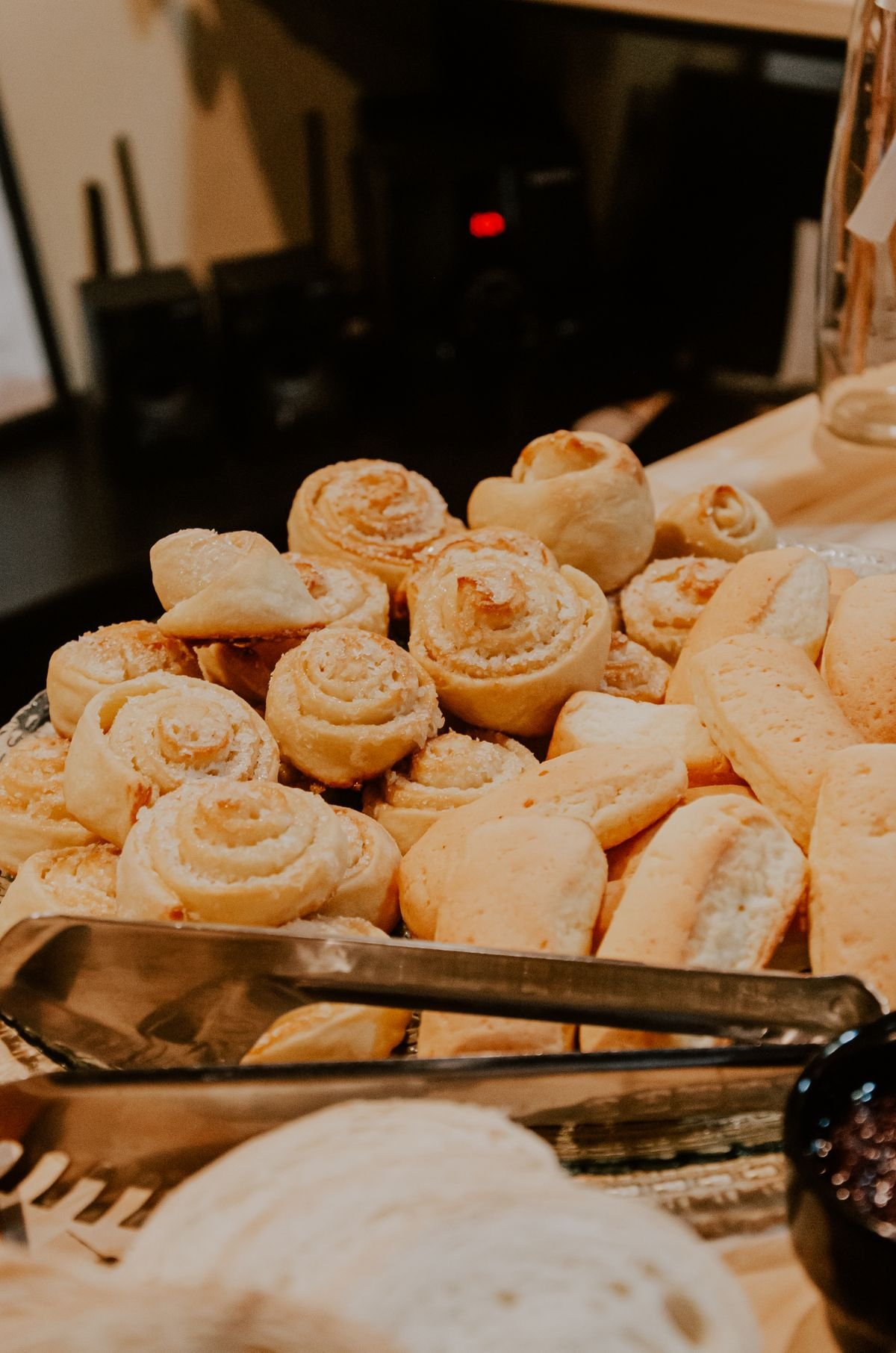
Spread fillings on cold pastry, roll tight, and slice with a sharp knife. Warm pastry stretches and squishes; cold pastry slices into clean spirals that hold their shape.
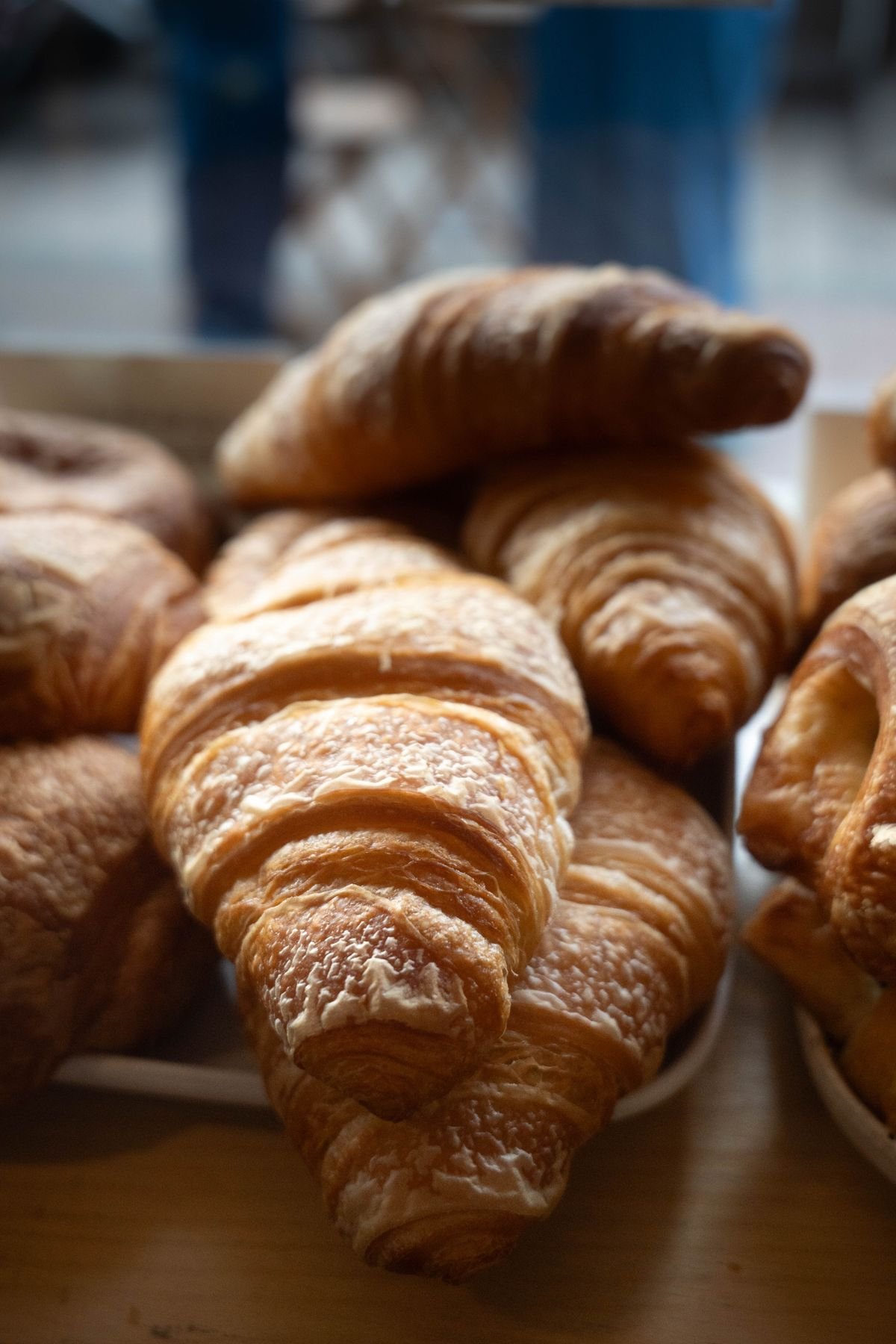
18. Brush with Syrup for Shine
Instead of egg wash, brush finished pastries with warm apricot jam thinned with water. It gives a professional patisserie gloss — especially beautiful on fruit tarts.
19. Make Quick Apple Turnovers
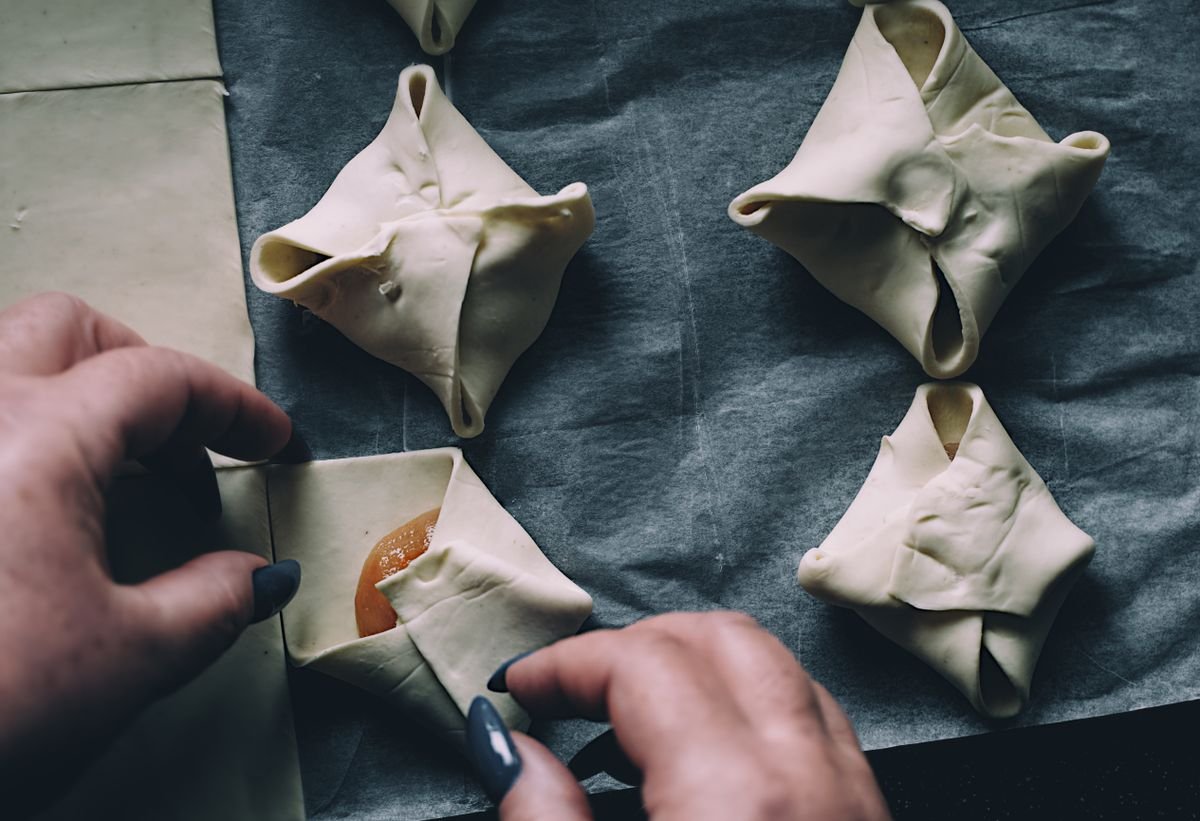
Cut pastry into squares, fill with cinnamon-spiced apple slices, fold into triangles, and seal with a fork. Twenty minutes at 400°F gives you turnovers better than the bakery's.
20. Freeze Shaped Pastries Before Baking
Shape palmiers, pinwheels, or vol-au-vents, freeze solid on a tray, then bag. Bake straight from frozen (add 3-4 minutes) — fresh-baked pastry on demand with zero morning effort.
21. Don't Re-Roll Scraps More Than Once
Gathered scraps can be re-rolled once for cheese straws or twists. A second re-roll compresses the layers beyond recovery — accept the slightly lower puff on repurposed scraps.
22. Add Coarse Sugar Before Baking
Sprinkle turbinado sugar over sweet pastries before baking. It caramelizes into a crackly, sparkling crust that looks professional and adds textural contrast.
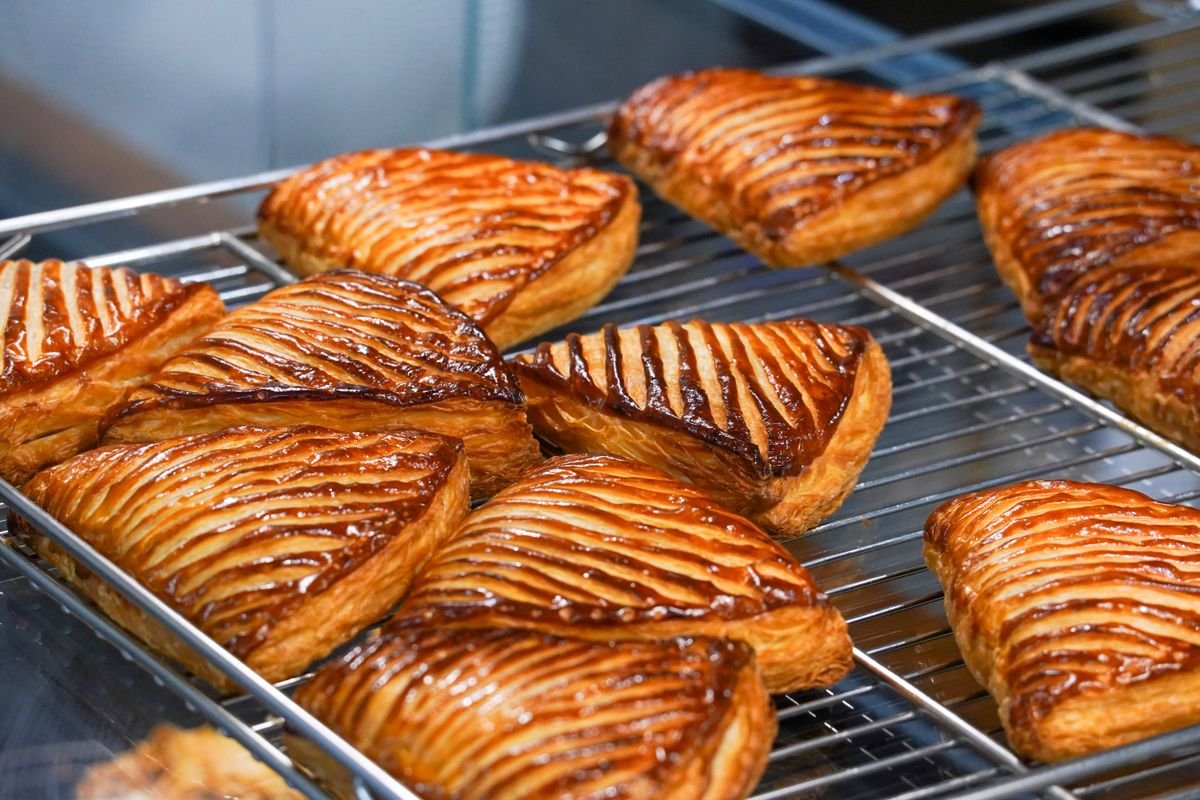
23. Use Two Sheets for Extra-Tall Napoleons
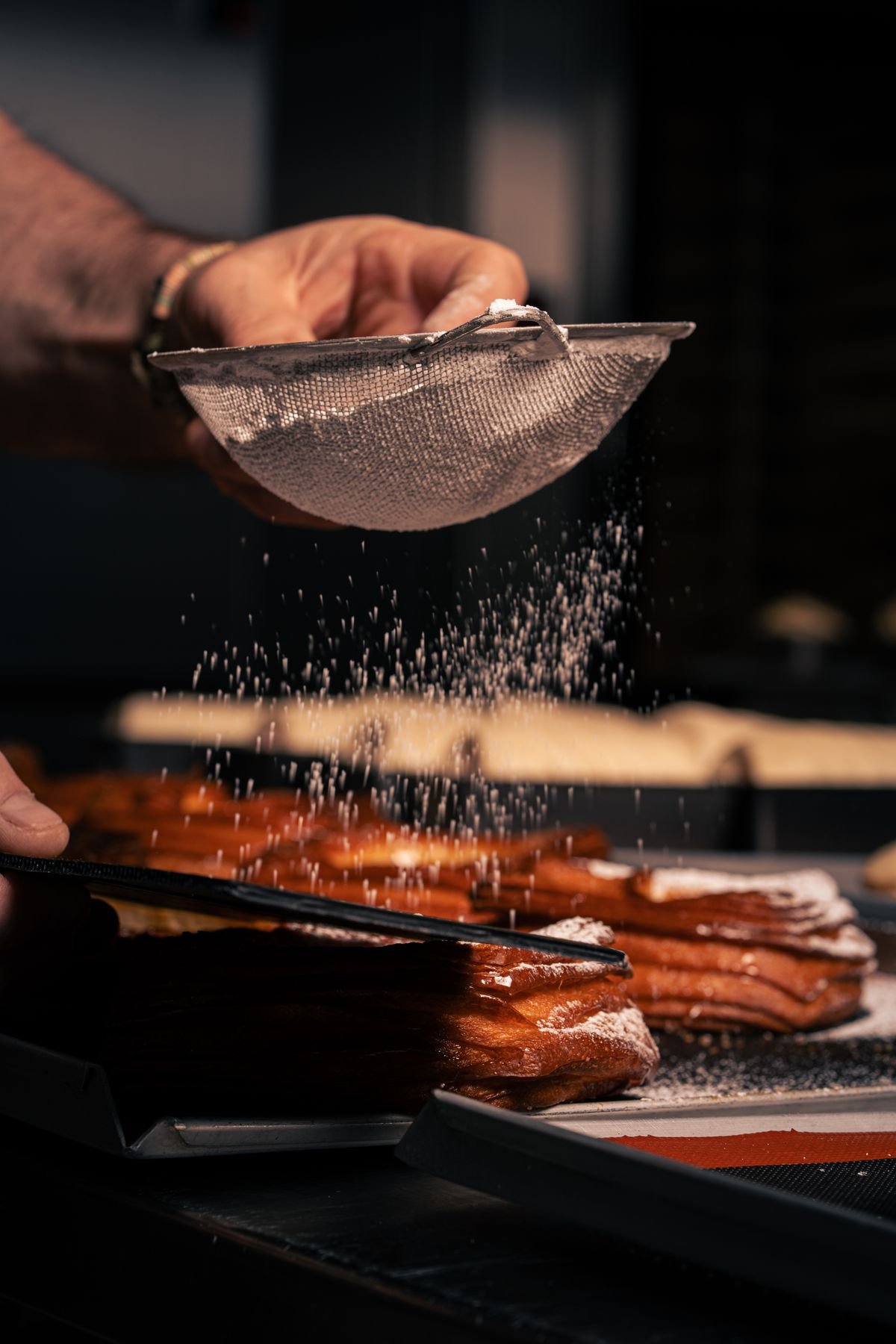
Bake two docked sheets, layer with pastry cream and berries. Docking keeps them flat enough to stack — the classic mille-feuille structure from the same freezer box.
24. Keep a Damp Towel Over Unused Sheets
Puff pastry dries out fast once unfolded. Keep waiting sheets covered with a barely-damp towel while you work — dry edges crack and won't seal or puff properly.
25. Serve Within Hours for Maximum Crisp
Puff pastry is at its peak within 4 hours of baking. After that, humidity softens the layers — refresh day-old pastries 5 minutes in a 350°F oven to re-crisp.