25 Salmon Hacks
Salmon is forgiving — but these 25 hacks make it spectacular. Crispy skin that crackles, fillets that stay silky, marinades that actually penetrate, and the thermometer trick that ends overcooking forever.
1. Pat the Skin Bone-Dry
Moisture is the enemy of crispy skin. Pat salmon skin with paper towels until completely dry, then salt it. Dry skin in a hot oiled pan renders and crisps like a potato chip.
2. Start Skin-Side Down in a Cold Pan
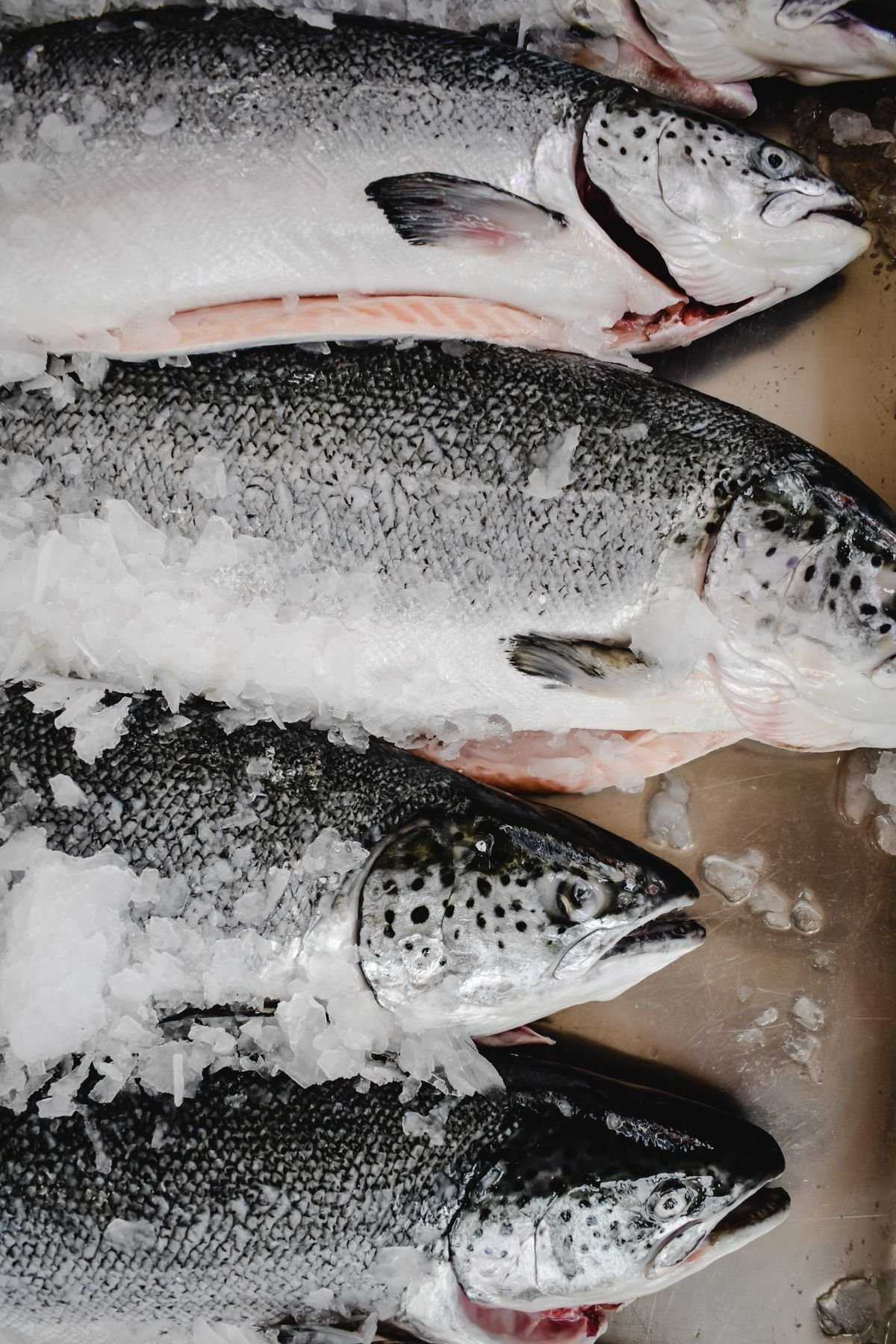
Lay salmon skin-side down in a lightly oiled cold pan, then turn the heat to medium-high. The gradual heat renders the fat layer slowly, giving you evenly crisp skin edge to edge with no curling.
3. Press the Fillet for 10 Seconds
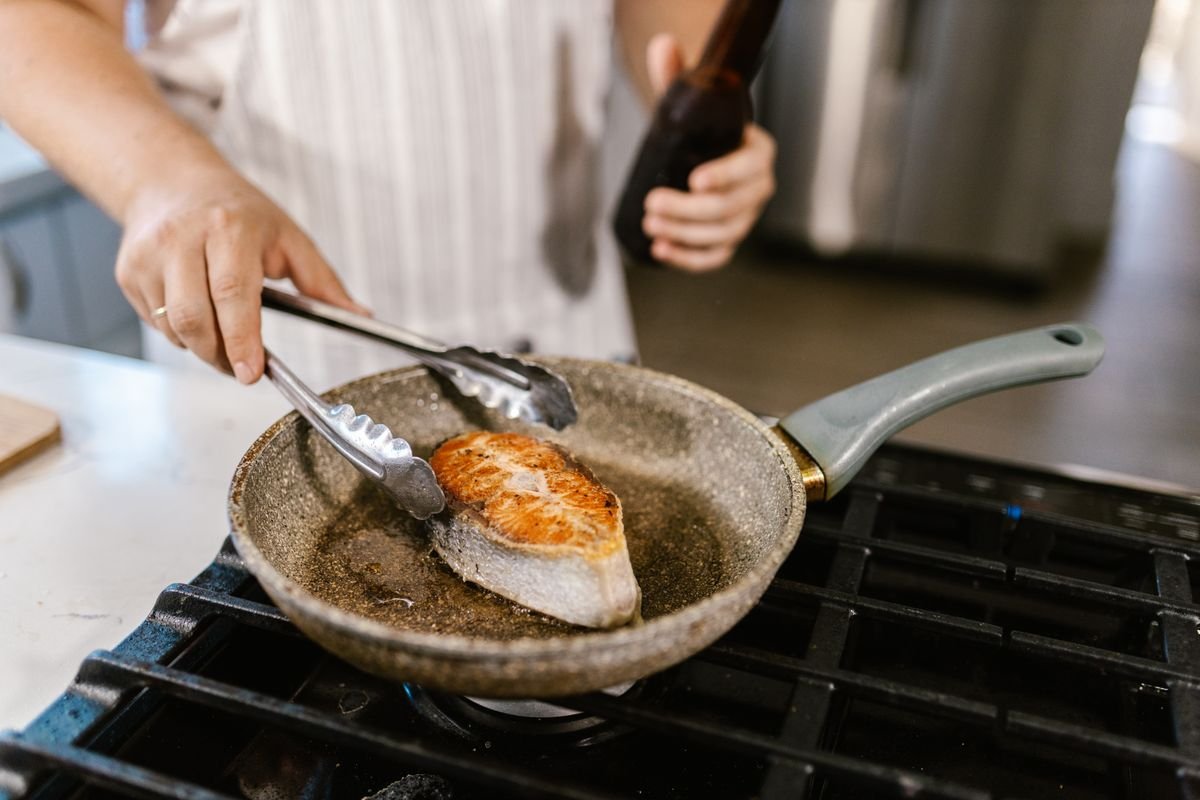
When the salmon hits the hot pan, press it gently with a spatula for 10 seconds. This keeps the skin in full contact with the pan so it crisps uniformly instead of curling up at the edges.
4. Cook to 125°F, Not 145
Pull salmon at 125°F internal for medium-rare — carryover heat brings it to a silky 130°F. The old 145°F guideline gives dry, chalky fish; 125°F is buttery and translucent in the center.
5. Salt 40 Minutes Ahead
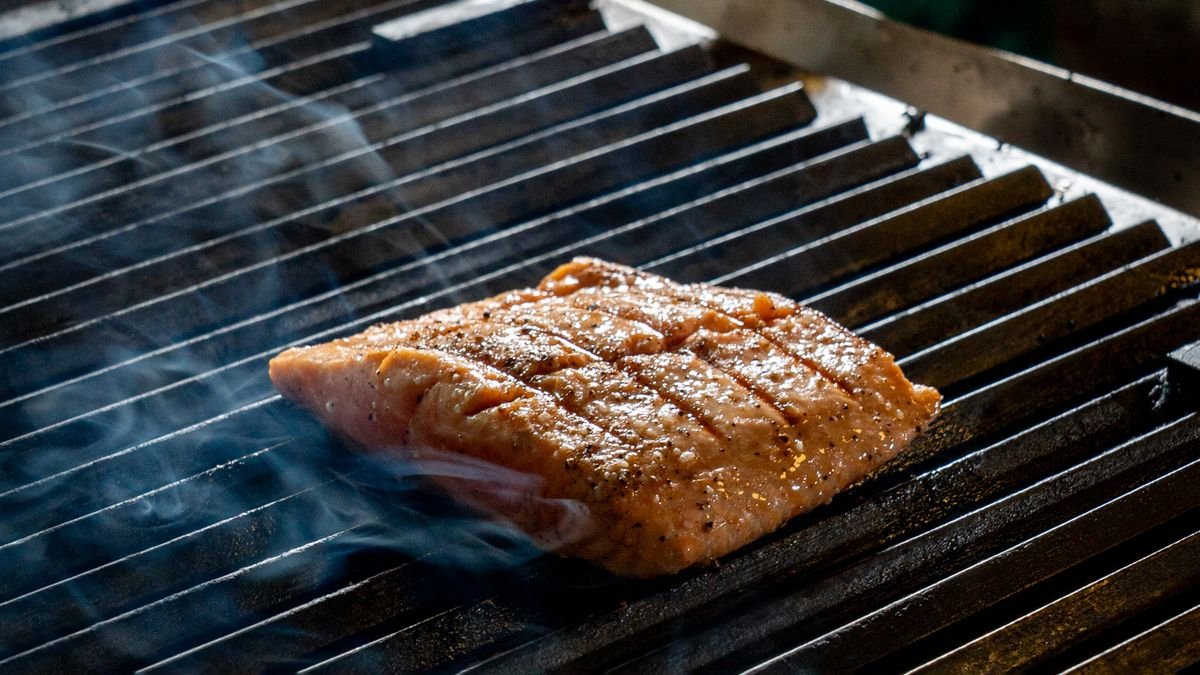
Salt salmon 40 minutes before cooking (or right before — never in between). The salt draws out moisture, then reabsorbs, seasoning the flesh deeply and helping the surface dry for better searing.
6. Score the Skin
Make 3 shallow slashes through the skin before cooking. It prevents curling, lets heat reach the fat layer, and gives you clean portion lines — plus it looks professional.
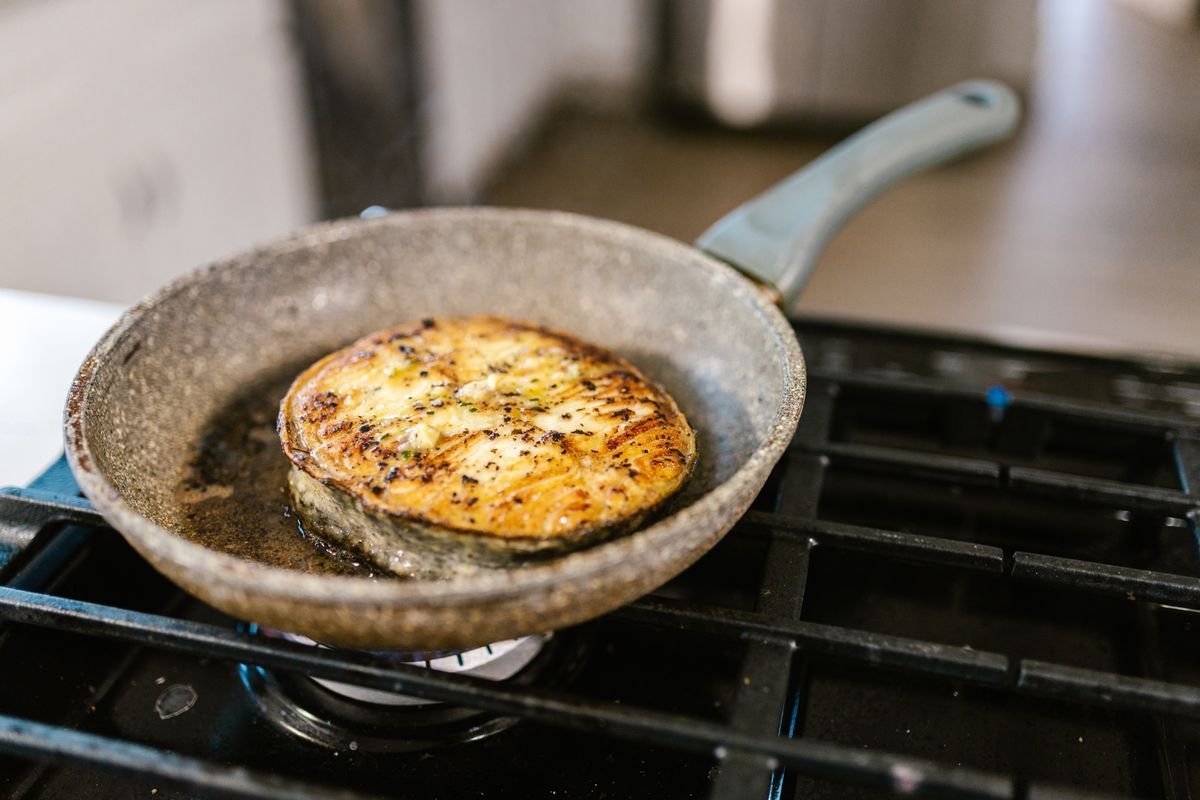
7. The White Stuff Is Albumin
Those white blobs are albumin, a harmless protein squeezed out by heat. Minimize it by cooking gently and brining briefly — and wipe it away with a paper towel for a clean presentation.
8. Brine for 15 Minutes
A quick brine (1 quart water + 1/4 cup salt + 2 tbsp sugar, 15 minutes) firms the flesh and seasons it throughout. It's the difference between good salmon and restaurant salmon.
9. Use a Fish Spatula
A thin, flexible fish spatula slides under delicate fillets without breaking them. If you're flipping salmon with tongs, you're shredding it — the spatula is a $12 upgrade that changes everything.
10. Miso Glaze: 3 Ingredients
Whisk white miso, mirin, and a touch of sugar; brush on salmon and broil 8 minutes. The miso caramelizes into a savory-sweet crust that's better than any bottled teriyaki.
11. Cedar Plank = Smoke Without a Smoker
Soak a cedar plank 1 hour, heat it on the grill, then cook salmon on it with the lid closed. The wood smolders gently and perfumes the fish with real smoke flavor.
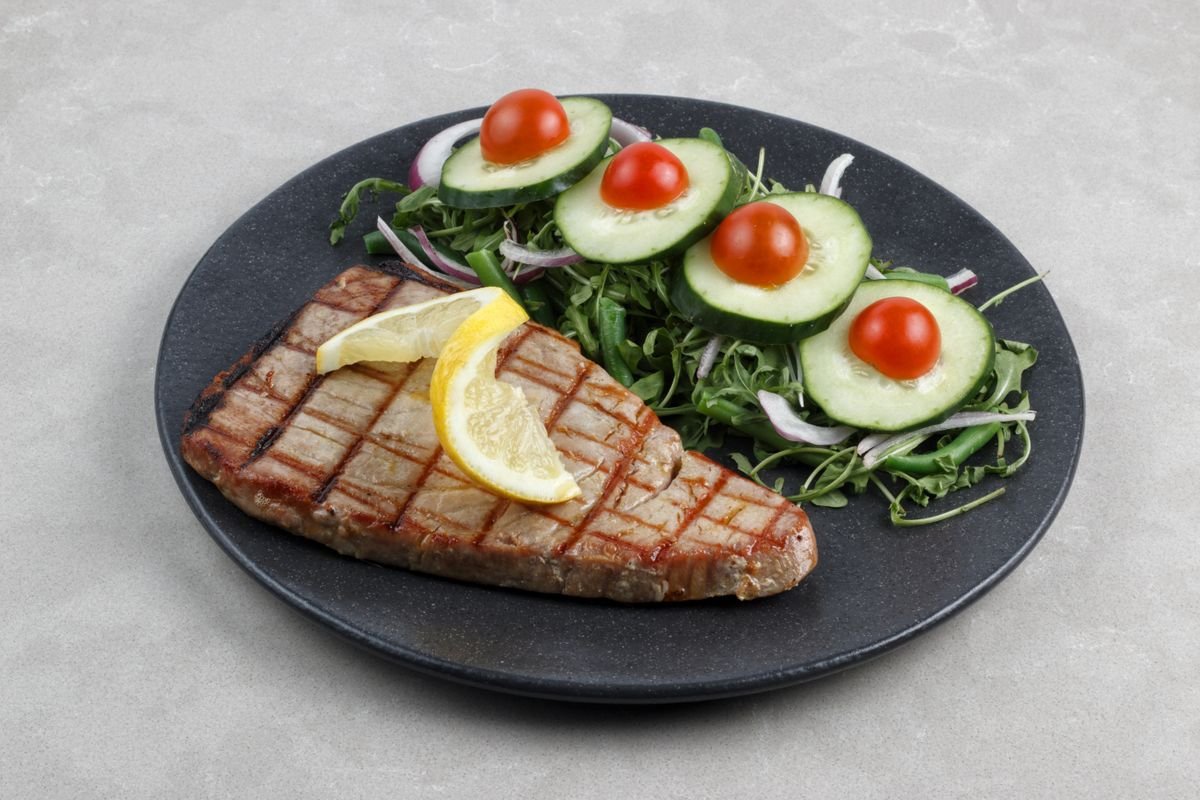
12. Don't Flip More Than Once
Salmon needs exactly one flip: skin-side down 90% of the cook, then 60 seconds flesh-side. Every extra flip breaks the crust and lets juices escape — patience makes perfect fish.
13. Room Temp Before Cooking
Let salmon sit out 15–20 minutes before cooking. A room-temp fillet cooks evenly; a fridge-cold one overcooks on the outside before the center is done.
14. Lemon Goes On After, Not Before
Acid 'cooks' fish like ceviche — lemon juice on raw salmon starts curing the surface and turns it mushy. Squeeze lemon over the finished fillet instead for bright flavor and perfect texture.
15. Poke Bowl: Cut Against the Grain
For poke or crudo, slice salmon against the grain into 3/4-inch cubes. With-the-grain cuts are chewy; against-the-grain gives that buttery, melt-in-your-mouth texture.
16. Frozen Salmon: Cook From Frozen
Don't thaw — rinse off ice crystals, pat dry, and roast at 425°F for 12–15 minutes from frozen. It cooks more evenly than thawed salmon because the exterior doesn't overcook while the center catches up.
17. Butter-Baste the Top
While the skin crisps, tilt the pan and spoon foaming butter over the top of the fillet. Basting cooks the top gently without flipping, keeping the presentation pristine.
18. Dill + Mustard Classic Pairing
Mix Dijon, chopped dill, and a touch of honey; spread on salmon before baking. The mustard's sharpness cuts the richness and the dill is salmon's best herbal friend.
19. Check Doneness with a Cake Tester
Slide a thin metal cake tester into the thickest part for 5 seconds, then touch it to your lip. Warm = medium-rare; hot = medium. Faster and more reliable than cutting the fillet open.
20. Save the Skin for Chips
Peel off cooked skin, scrape off any flesh, and crisp it in a hot oven between two sheet pans. Salmon skin chips are salty, crunchy, and dangerously snackable.
21. Smoke Salmon on a Stovetop
Line a wok with foil, add rice, sugar, and tea leaves, set a rack over it, and smoke salmon 10 minutes with the lid on. DIY tea-smoked salmon with zero special equipment.
22. Herb Crust in the Oven
Press a mix of panko, parsley, lemon zest, and garlic onto the top of fillets and bake at 425°F. The crust insulates the top so it stays moist while developing a golden crunch.
23. Cure Your Own Gravlax
Bury a fillet in equal parts salt and sugar with dill for 24–48 hours in the fridge, weighted. Rinse, slice thin — homemade gravlax costs a third of store-bought and tastes better.
24. Portion Before Cooking
Cut salmon into portions before it hits the pan. Portioned fillets cook faster and more evenly, and you get crispy skin on every piece instead of one big floppy fillet.
25. Rest It 3 Minutes
Let salmon rest 3 minutes off the heat before serving. The juices redistribute and the temperature evens out — cut too soon and they flood the plate instead of staying in the fish.