25 Seafood Hacks for Perfect Fish Every Time
Seafood cooks in minutes, which means there's no margin for error — but a few smart techniques make it nearly foolproof. These 25 seafood hacks cover buying, storing, seasoning, and cooking fish and shellfish so it comes out moist, flavorful, and never rubbery.
1. Buy Fish That Smells Like the Ocean
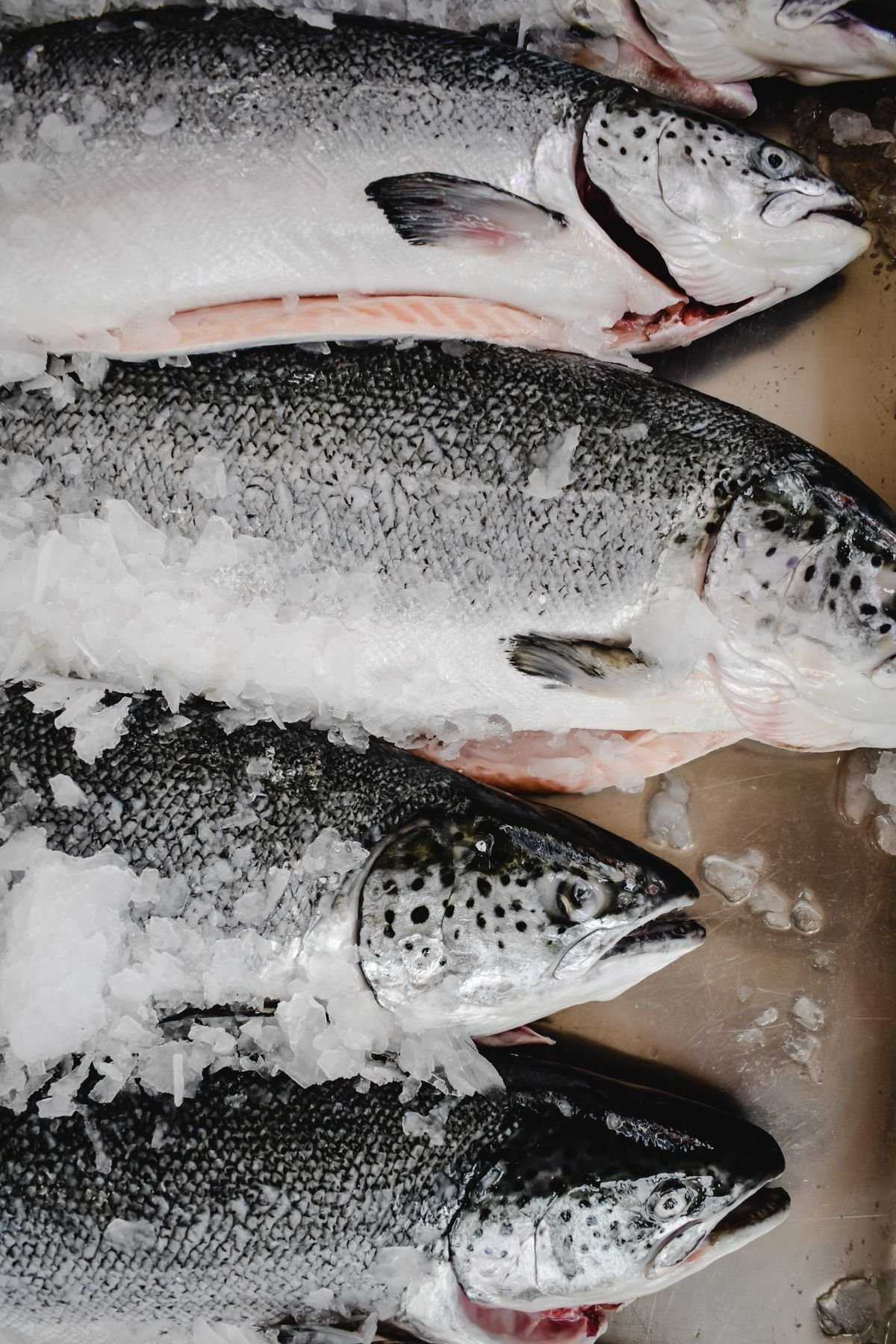
Fresh fish smells clean and briny, never fishy. A strong fishy or ammonia smell means it's past prime — trust your nose over the sell-by date every single time.
2. Check for Clear, Bulgy Eyes
On whole fish, eyes should be clear and slightly bulging, and gills bright red. Cloudy, sunken eyes and brown gills mean the fish has been sitting too long — pick another one.
3. Pat Fish Bone-Dry Before Cooking
Moisture is the enemy of browning. Pat fillets completely dry with paper towels before they hit the pan — this one step is the difference between a golden crust and steamed, pale fish.
4. Salt Fish 15 Minutes Before Cooking
Salt fillets and let them rest 15 minutes at room temperature. The salt seasons the flesh and draws surface moisture out (pat dry again), giving you better sear and more even seasoning.
5. Cook Fish Skin-Side Down First
For crispy skin, start skin-side down in a hot oiled pan and press gently for 10 seconds so it doesn't curl. Cook 70% of the time on the skin side — flip only to finish.
6. Use the 10-Minute-Per-Inch Rule
Measure the thickest part of the fillet: cook about 10 minutes total per inch of thickness at medium-high heat. It's the most reliable doneness guide when you don't have a thermometer.
7. Pull Fish at 130°F for Carryover
Fish keeps cooking off the heat. Pull fillets when a thermometer reads 130°F in the thickest part — carryover takes it to a perfect 140°F while it rests 3 minutes.
8. Don't Move Fish in the Pan
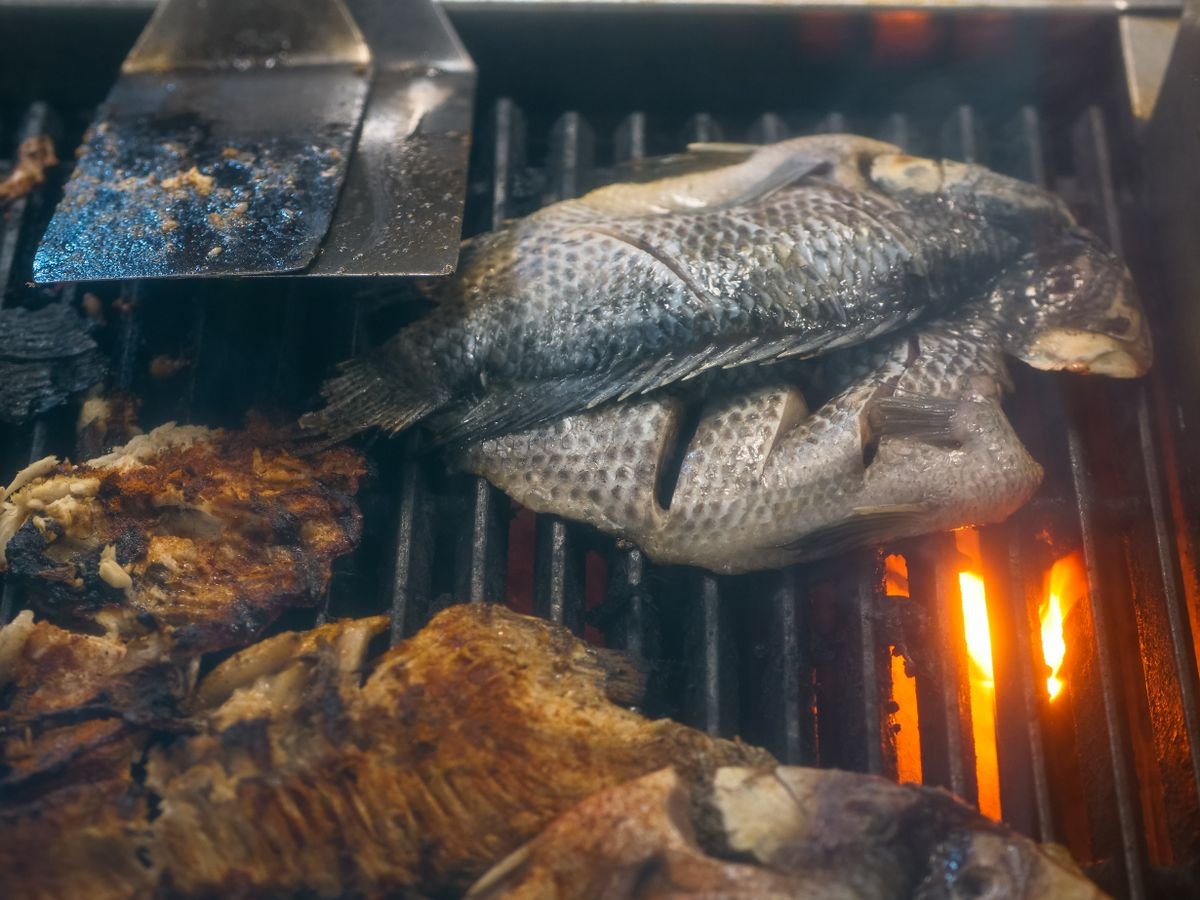
Once fish hits hot oil, leave it alone. Moving it tears the crust and the delicate flesh. It releases naturally when the sear is done — if it's sticking, it's not ready to flip.
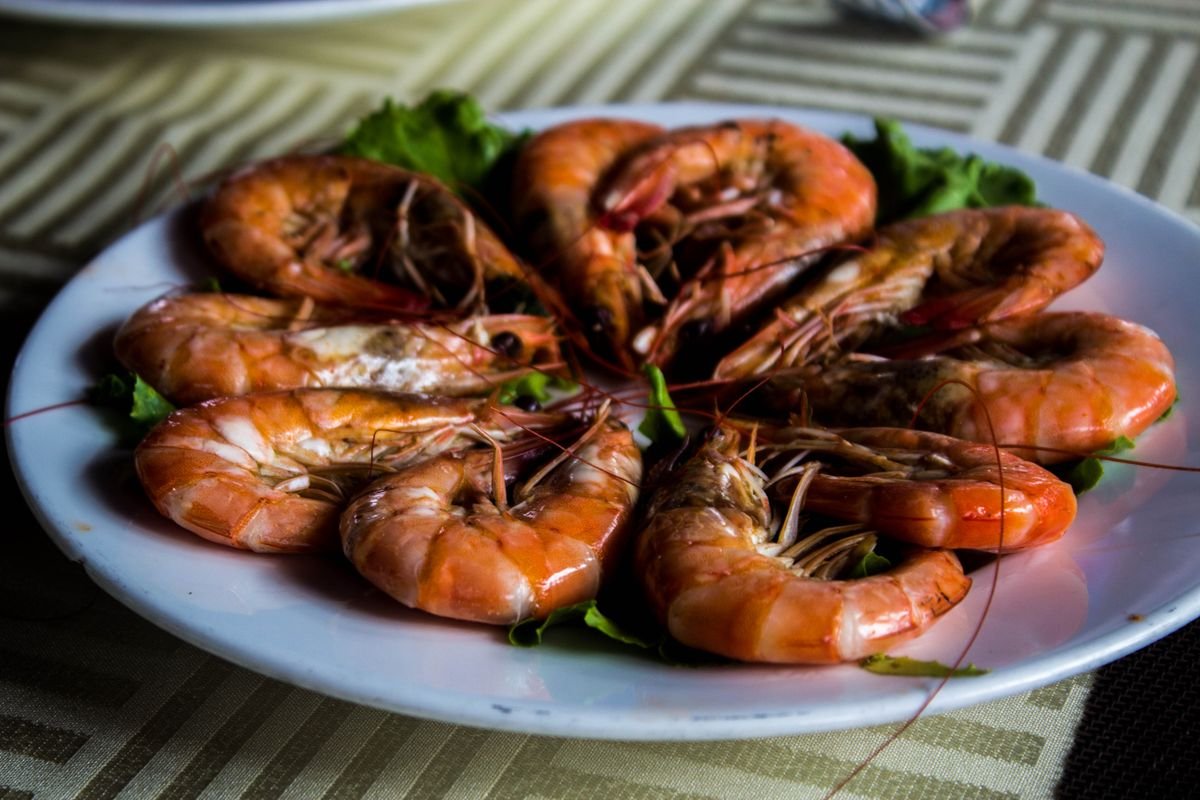
9. Use High Heat for Shrimp, Always
Shrimp need screaming-hot heat and 90 seconds per side, max. Low heat steams them into rubber bands; high heat gives you snappy, juicy shrimp with caramelized edges.
10. Devein Shrimp with Kitchen Shears
Skip the fussy deveining tool: snip along the shrimp's back with kitchen shears, rinse under cold water, and the vein lifts right out. Shears also butterfly shrimp for faster, more even cooking.
11. Brine Shrimp for 20 Minutes
Soak peeled shrimp in salted cold water (1/4 cup salt per quart) for 20 minutes, then rinse and pat dry. The brine seasons them throughout and keeps them plump and juicy even if slightly overcooked.
12. Thaw Frozen Seafood in Cold Water
Sealed frozen fish thaws in cold water in 30-60 minutes — never use hot water, which starts cooking the outside. Change the water once halfway through for even thawing.
13. Never Rinse Raw Shrimp After Peeling
Rinsing washes away flavor and adds water that ruins your sear. Peel, devein with shears, and pat dry — the shrimp are clean enough straight from the shell.
14. Score Thick Fillets Before Searing
Make 2-3 shallow diagonal cuts in the skin of thick salmon or sea bass fillets. The scores prevent curling, help heat penetrate evenly, and let seasoning reach the flesh.
15. Bake Fish en Papillote for Moisture
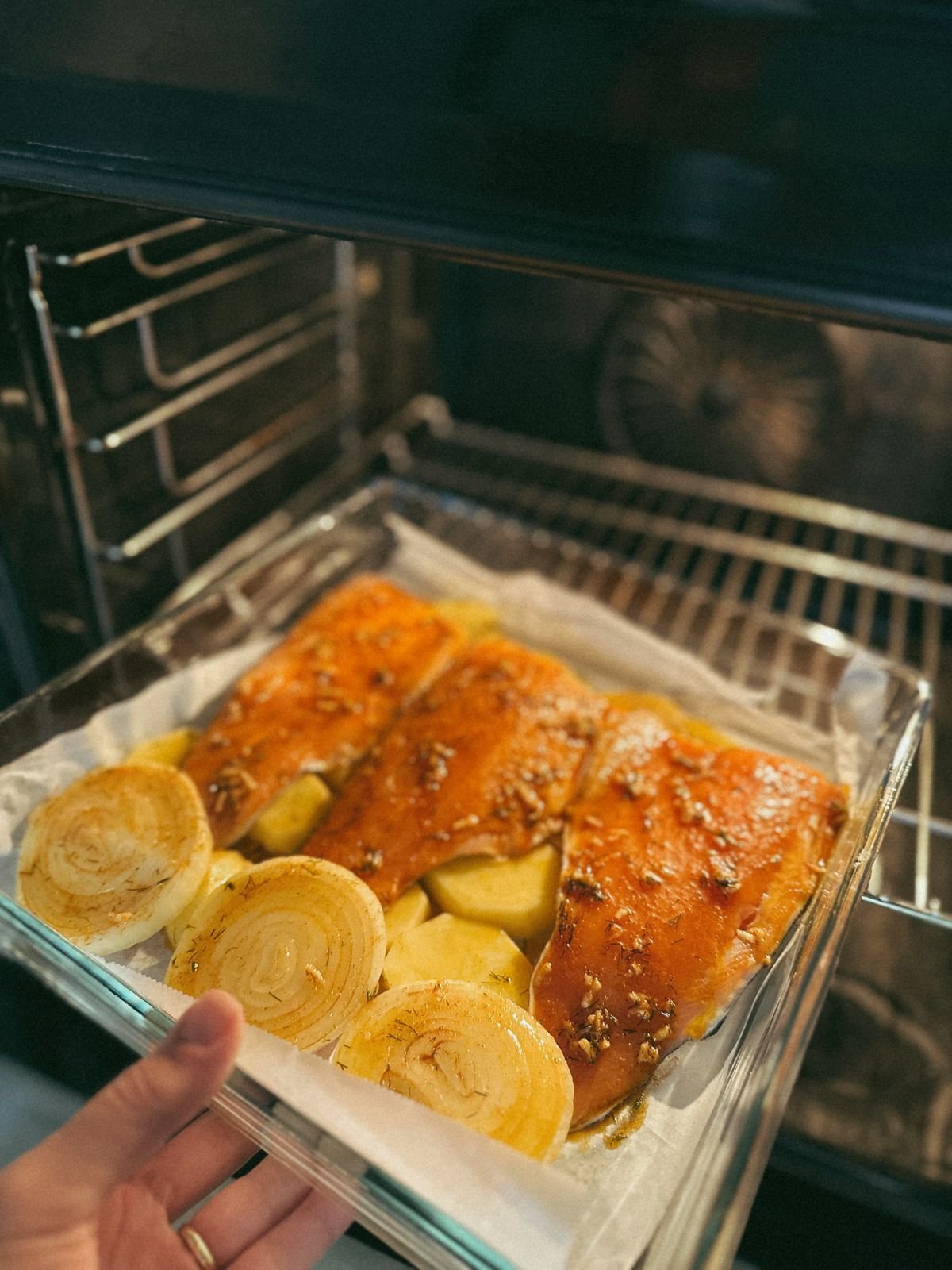
Wrap fillets in parchment with lemon, herbs, and a splash of wine, and bake at 400°F for 12-15 minutes. The sealed packet steams the fish in its own juices — nearly impossible to dry out.
16. Add Acid Only at the End
Lemon juice or vinegar added during cooking can make delicate fish mushy (ceviche works on this principle). Cook the fish first, then finish with acid right before serving for brightness without breaking down texture.
17. Make a Quick Beurre Blanc
Reduce 1/4 cup white wine with a minced shallot until nearly dry, then whisk in 6 tablespoons of cold butter one piece at a time off the heat. This 5-minute sauce makes any white fish taste like a bistro dish.
18. Oil the Grill Grates, Not the Fish
For grilling, soak a folded paper towel in oil and rub it on hot grates with tongs. Oiled grates release fish cleanly; oiled fish just drips and flares.
19. Use a Fish Spatula for Delicate Fillets
A thin, flexible fish spatula slides under fragile fillets without breaking them. If you cook fish regularly, this $10 tool pays for itself in unbroken salmon fillets alone.
20. Steam Mussels Until Just Opened
Discard any mussels that don't open after 5-7 minutes of steaming — but don't overcook the open ones waiting. Pull the pot off heat as soon as most have opened; they finish in residual steam.
21. Soak Clams in Salted Water
Purge clams in cold salted water for 20 minutes before cooking so they expel sand. Add a spoonful of cornmeal — the clams eat it and purge grit even faster.
22. Keep Scallops Dry for a Hard Sear
Buy dry-packed scallops (not wet-packed in preservative solution) and pat them very dry. Sear 90 seconds per side in a ripping-hot pan without crowding — that's the entire secret to the golden crust.
23. Don't Crowd the Pan, Ever
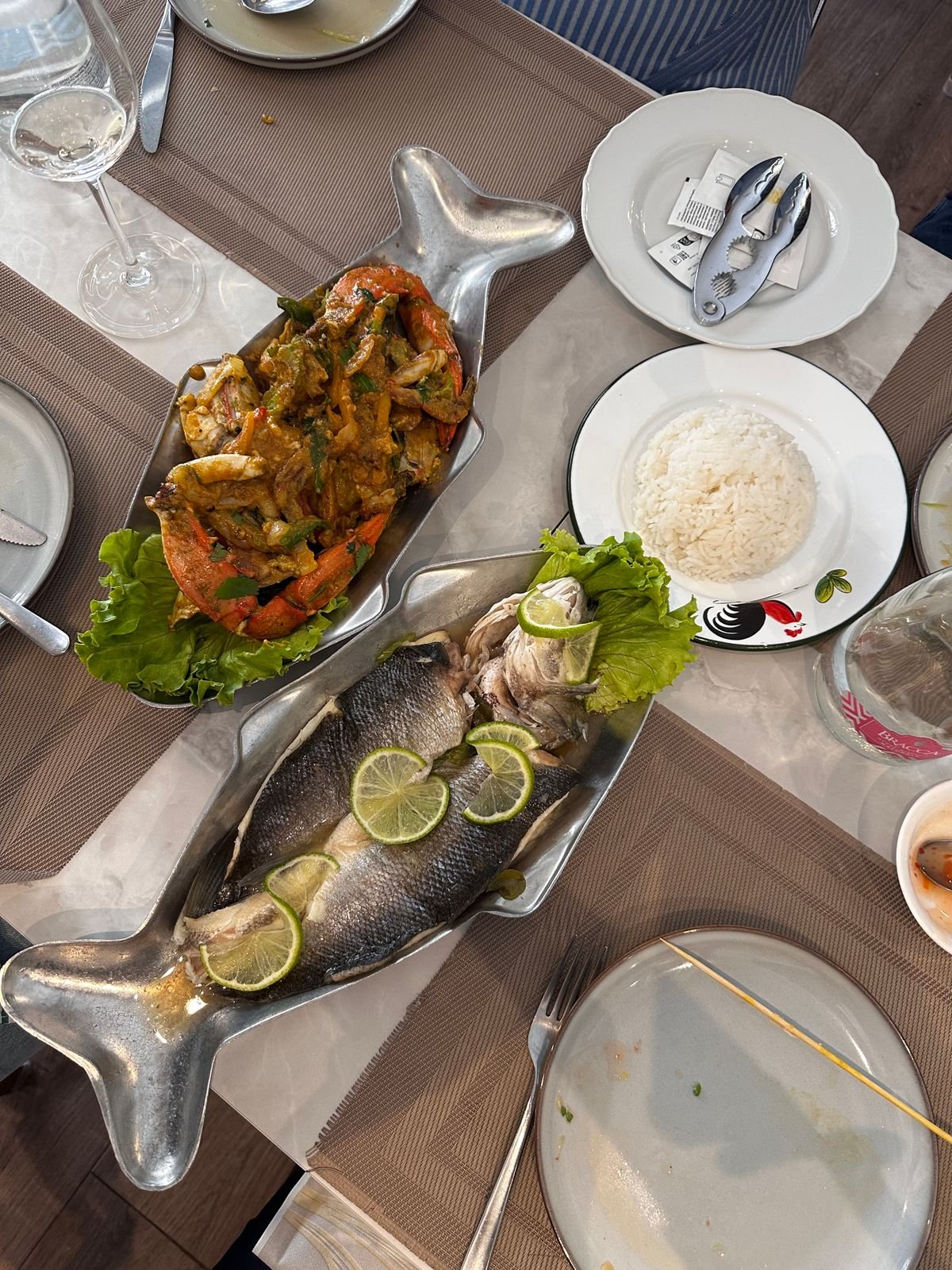
Seafood releases water as it cooks; crowding drops the pan temperature and everything steams. Cook in batches with space between pieces — two batches of perfect beats one batch of soggy.
24. Rest Fish Like Meat
Let cooked fish rest 3-5 minutes before serving. The juices redistribute instead of running out onto the plate, and the texture firms up to that ideal flaky-moist balance.
25. Save Shrimp Shells for Stock
Freeze shrimp shells in a bag until you have a few cups, then simmer 20 minutes with water, onion, and bay leaf. The resulting stock makes bisques, risottos, and paellas taste intensely of the sea.