
25 Sheet Pan Dinner Hacks for One-Pan Weeknights
Sheet pan dinners promise one pan and minimal cleanup, but soggy vegetables and uneven cooking can ruin the deal. These 25 sheet pan dinner hacks fix the common mistakes so everything comes out golden, crisp, and ready at the same time.
1. Line the Pan with Foil or Parchment
Line the Pan with Foil or Parchment — Cover the sheet pan before adding food so cleanup means lifting off the liner and tossing it. Parchment prevents sticking better than foil for fish and cheese, while foil holds up under high-heat roasting.
2. Preheat the Pan for Extra Crispness
Preheat the Pan for Extra Crispness — Slide the empty sheet pan into the oven while it preheats, then add oiled vegetables to the hot surface. The immediate sizzle sears the underside, giving you crisp edges without flipping halfway.
3. Cut Vegetables to Uniform Size
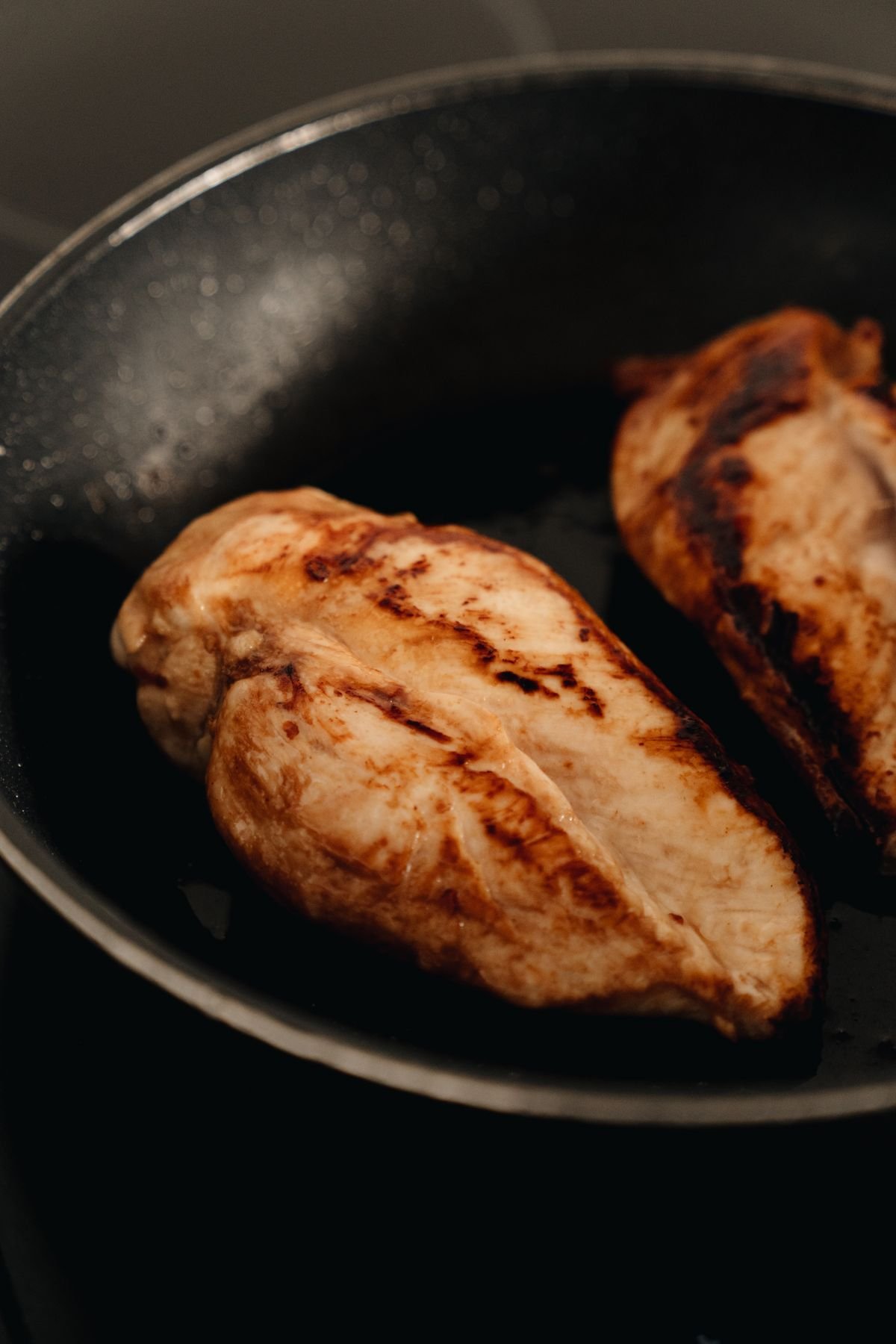
Cut Vegetables to Uniform Size — Cut all vegetables on a pan to roughly the same size so they finish cooking together. One-inch pieces are a reliable default, and uniform cuts are the single biggest fix for half-burnt, half-raw pans.
4. Give Everything Breathing Room
Give Everything Breathing Room — Spread ingredients in a single layer with space between pieces instead of crowding the pan. Crowded food steams instead of roasting, so use two pans rather than one overloaded pan whenever needed.
5. Toss Vegetables in Oil Before Roasting
Toss Vegetables in Oil Before Roasting — Coat vegetables evenly in oil in a bowl before spreading them on the pan. Bowl-tossing coats every surface, while drizzling oil on the pan leaves dry spots that burn and bare patches that never crisp.
6. Put Dense Vegetables in First
Put Dense Vegetables in First — Start potatoes, carrots, and squash ten minutes before adding quicker items like green beans or shrimp. Staggering the start times means dense and delicate foods finish together instead of one turning to mush.
7. Use High Heat for Roasting
Use High Heat for Roasting — Roast sheet pan dinners at 425 degrees Fahrenheit for the best browning. Lower temperatures steam vegetables slowly, while high heat caramelizes edges and keeps chicken juicy inside.
8. Pat Chicken Dry Before Seasoning
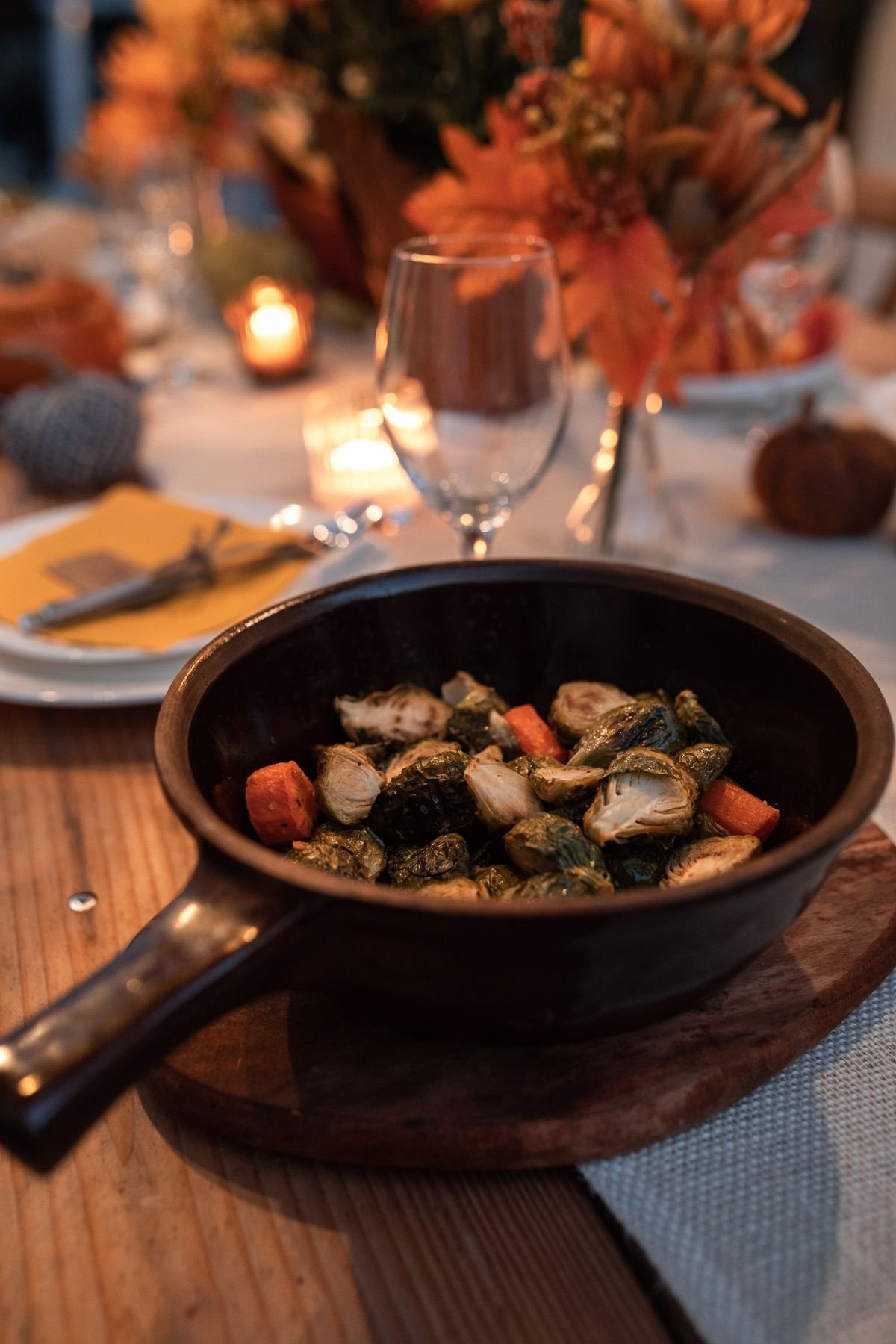
Pat Chicken Dry Before Seasoning — Dry chicken pieces thoroughly with paper towels before oiling and seasoning them. Dry skin crisps in the oven, while wet skin steams and stays pale no matter how long it roasts.
9. Add a Wire Rack for Crispy Chicken
Add a Wire Rack for Crispy Chicken — Set a wire rack inside the sheet pan and place chicken on top so hot air circulates underneath. The rack keeps the bottom crisp instead of sitting in its own juices, which is the secret to oven-fried texture.
10. Season in Layers, Not Just at the End
Season in Layers, Not Just at the End — Season vegetables and protein before roasting, then adjust with salt, acid, or herbs after. Food seasoned only at the end tastes flat, while early seasoning penetrates and builds flavor during cooking.
11. Use Parchment Packets for Fish
Use Parchment Packets for Fish — Wrap fish portions in parchment parcels on the sheet pan with lemon and herbs. The packets steam the fish gently, prevent sticking, and open at the table for a restaurant-style presentation.
12. Roast Lemons Alongside the Meal
Roast Lemons Alongside the Meal — Halve lemons and roast them cut-side down on the pan for the last fifteen minutes. Roasted lemons turn sweet and jammy, and squeezing them over the finished dish brightens every flavor.
13. Add Cheese Only in the Last Minutes
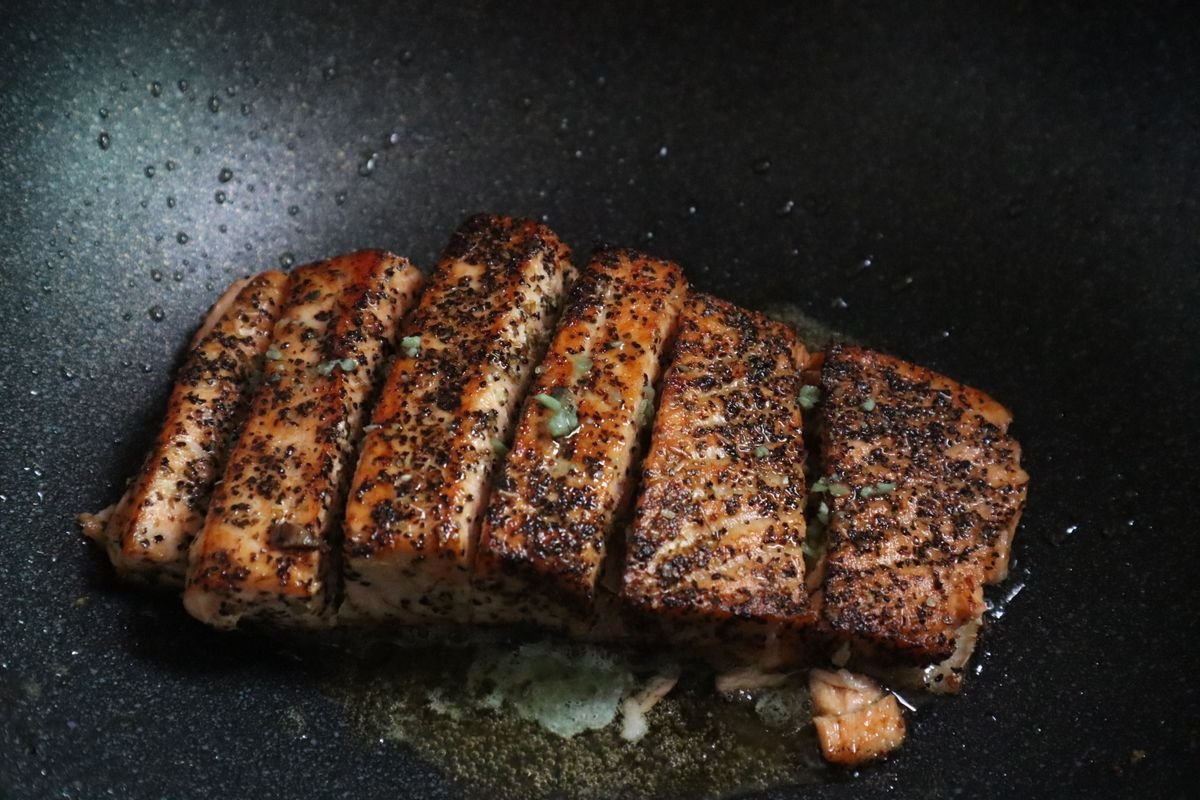
Add Cheese Only in the Last Minutes — Sprinkle cheese over a sheet pan dinner during the final five minutes of cooking. Cheese added too early burns and turns bitter, while a late addition melts into a golden, bubbly topping.
14. Use Two Pans for Different Cook Times
Use Two Pans for Different Cook Times — Split a dinner across two pans when ingredients need different temperatures or times. The extra pan is still far less cleanup than a full stovetop meal, and each component cooks perfectly.
15. Marinate Proteins on the Pan Itself
Marinate Proteins on the Pan Itself — Toss chicken or tofu with marinade directly on the lined pan and let it sit for fifteen minutes before roasting. The pan-marinade method saves a bowl, and the leftover marinade caramelizes around the edges.
16. Broil for Two Minutes at the End
Broil for Two Minutes at the End — Switch to the broiler for the last two minutes to crisp and brown the top of the dinner. Watch it constantly, since the line between golden and burnt under a broiler is about thirty seconds.
17. Keep Skin-On Chicken for Juiciness
Keep Skin-On Chicken for Juiciness — Choose skin-on, bone-in thighs for sheet pan dinners because they stay juicy through high-heat roasting. Boneless breasts dry out faster, so if you use them, pull the pan a few minutes earlier.
18. Add Fresh Herbs After Roasting
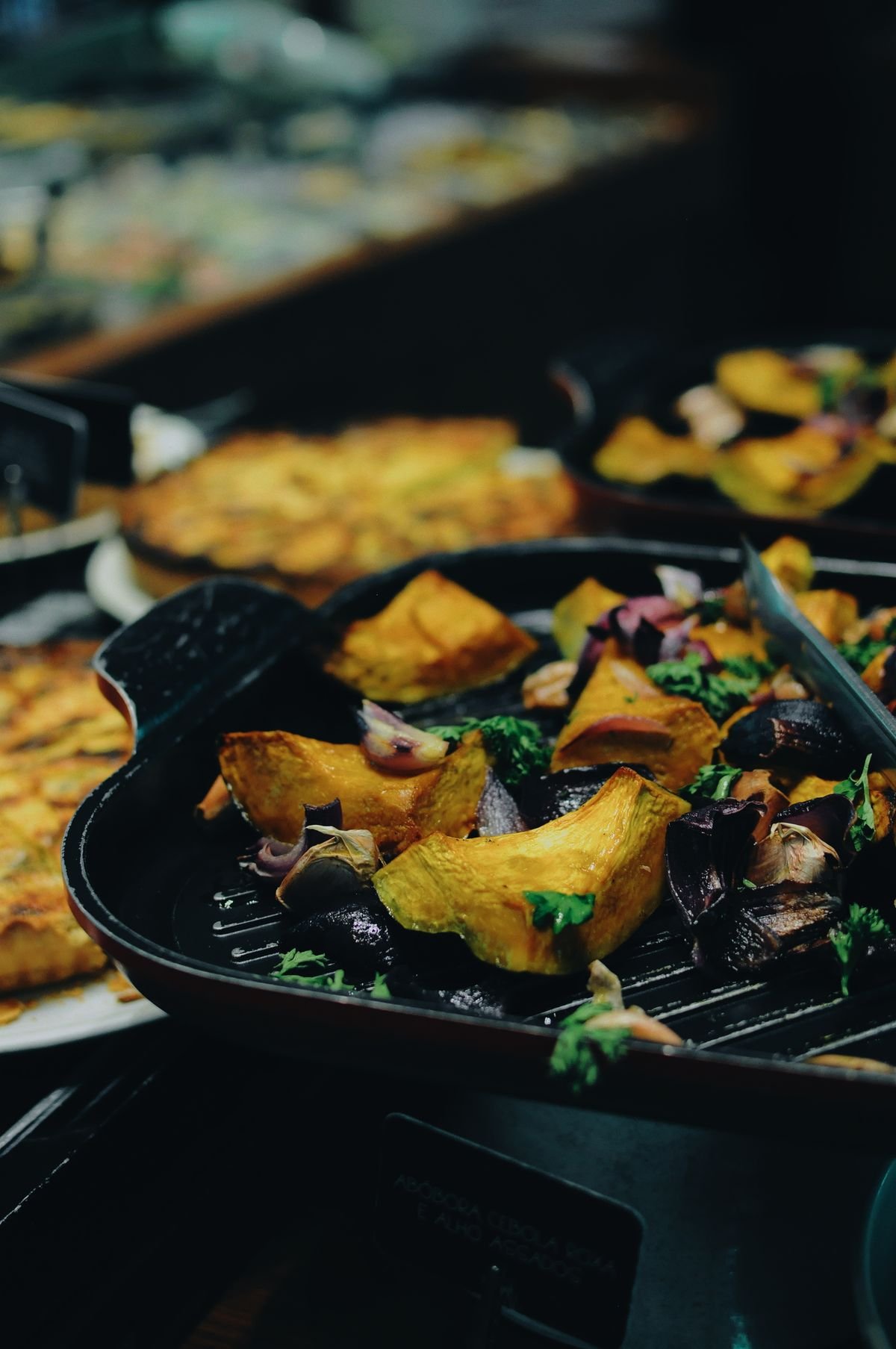
Add Fresh Herbs After Roasting — Scatter fresh parsley, basil, or cilantro over the pan after it leaves the oven. Delicate herbs burn and lose flavor in a hot oven, while a post-roast addition keeps them bright and aromatic.
19. Use Cornstarch for Extra-Crispy Tofu
Use Cornstarch for Extra-Crispy Tofu — Toss pressed tofu cubes in a tablespoon of cornstarch before oiling and roasting. The starch forms a thin, crackly crust that holds up to sauce, which plain tofu never achieves.
20. Roast Sausages with Grapes
Roast Sausages with Grapes — Add a handful of grapes to a pan of sausages and onions for the last twenty minutes. The grapes burst into a sweet-tart sauce that pairs perfectly with salty sausage, and the trick feels like a chef’s secret.
21. Make Cleanup Easier with a Rimmed Pan
Make Cleanup Easier with a Rimmed Pan — Always use a rimmed baking sheet rather than a flat cookie sheet for dinners. The rim contains juices and oil that would otherwise drip onto the oven floor and smoke.
22. Flip Only Once, Halfway Through
Flip Only Once, Halfway Through — Flip vegetables and proteins once at the halfway mark for even browning. Constant flipping cools the pan and prevents the caramelization that makes sheet pan food taste roasted rather than steamed.
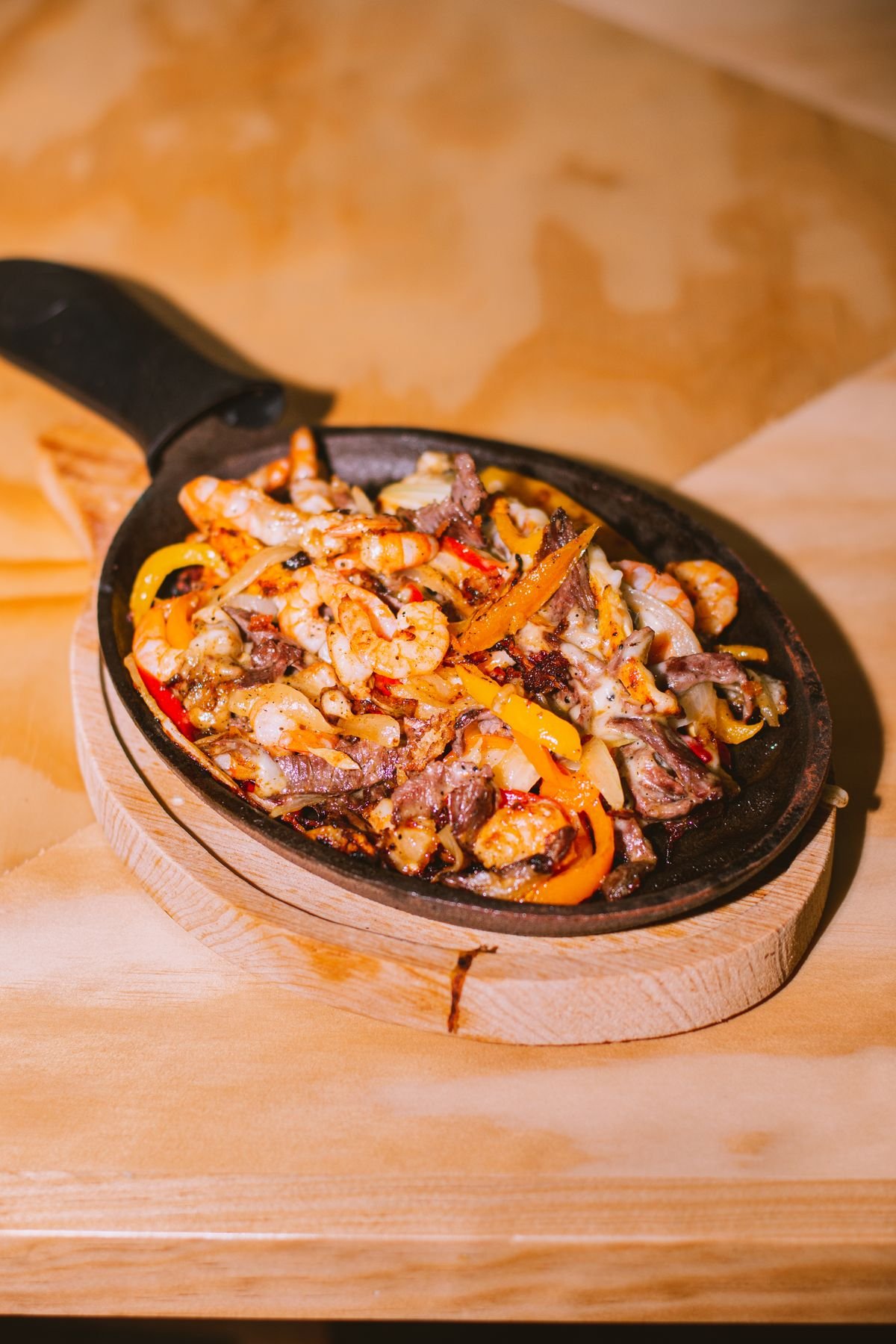
23. Use Frozen Vegetables Straight from the Bag
Use Frozen Vegetables Straight from the Bag — Frozen broccoli, green beans, and mixed vegetables roast well without thawing if spread in a single layer. The trick is high heat and space, which drives off moisture before it can make things soggy.
24. Add a Sauce Drizzle After Roasting
Add a Sauce Drizzle After Roasting — Finish the pan with a drizzle of tahini, chimichurri, or hot honey after cooking. A cold sauce against hot roasted food adds contrast and turns a simple pan into a complete-feeling dinner.
25. Reheat Leftovers on the Sheet Pan
Reheat Leftovers on the Sheet Pan — Spread leftover sheet pan dinner on a pan and reheat at 400 degrees for eight minutes. The oven re-crisps everything, while the microwave would turn yesterday’s crisp dinner into a soggy one.