25 Turkey Hacks for a Juicier, Easier Thanksgiving Bird
Turkey is the centerpiece of the table and the source of most holiday cooking anxiety — but it doesn't have to be. These 25 turkey hacks cover buying, thawing, brining, roasting, carving, and using up leftovers, so your bird comes out juicy, golden, and stress-free.
1. Buy 1.5 Pounds Per Person
A whole turkey yields far less meat than its weight suggests once you account for bones and shrinkage. Plan on 1.5 pounds per guest if you want generous portions plus leftovers; drop to 1 pound per person only if you genuinely don't want leftovers.
2. Thaw in the Fridge, Not the Counter
A frozen turkey needs about 24 hours of fridge time per 4-5 pounds — a 15-pound bird takes 3 full days. Thawing on the counter lets the outside enter the danger zone while the inside stays frozen; the fridge keeps everything at a safe, steady temperature.
3. Dry Brine Beats Wet Brine
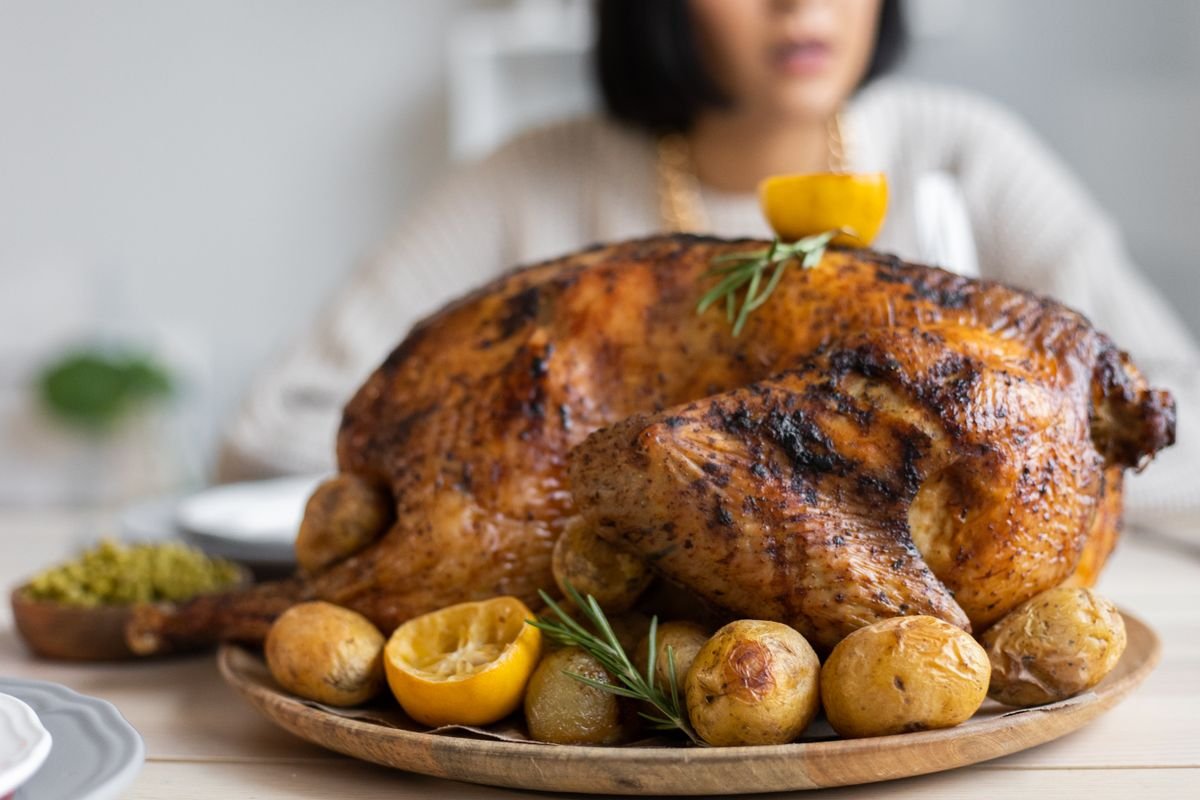
Skip the giant bucket of salt water. Rub the turkey all over with kosher salt (about 1 tablespoon per 5 pounds) 24-48 hours ahead and refrigerate uncovered. You get deeply seasoned, juicy meat with crisper skin and zero sloshing logistics.
4. Uncover the Skin the Night Before
After dry-brining, leave the turkey uncovered in the fridge overnight. The cold air dries the skin out, and dry skin is what renders and crisps in the oven — this one step is the difference between pale rubbery skin and golden crackling.
5. Bring the Bird to Room Temp First
Pull the turkey out of the fridge 1-2 hours before roasting. A cold bird hits a hot oven and the outside overcooks before the inside catches up; starting closer to room temperature gives you noticeably more even cooking.
6. Skip Stuffing the Cavity
Cook your stuffing in a separate baking dish, not inside the bird. In-bird stuffing forces you to overcook the breast waiting for the center to reach 165F — separate stuffing gets crispy edges and the turkey cooks faster and more evenly.
7. Aromatics in the Cavity Instead
Fill the empty cavity with halved lemons, quartered onions, fresh herbs, and smashed garlic. They perfume the meat from the inside as it roasts and you lose nothing to food-safety worries — discard them after carving.
8. Butter Under the Skin
Gently loosen the breast skin with your fingers and push softened herb butter underneath, spreading it evenly. The butter bastes the breast meat from the inside as it melts, protecting the leanest part of the bird from drying out.
9. Start Hot, Then Drop the Heat
Roast at 450F for the first 30 minutes to jump-start browning, then drop to 325F for the rest of the cook. You get deep golden color early without the skin burning during the long finish.
10. Use a Probe Thermometer, Not Time
Turkey is done when the thickest part of the breast reads 155-160F and the thigh reads 170-175F — never trust the clock alone. A leave-in probe thermometer removes all guesswork and is the single best turkey investment you can make.
11. Pull It Before It Hits 165F
Carryover cooking adds 5-10 degrees as the bird rests. Pull the breast at 150-155F and it will coast to a safe 165F while resting — pull at 165F and you'll be serving 175F sawdust.
12. Tent with Foil If Browning Too Fast
If the skin is perfectly golden but the bird needs another hour, tent loose foil over the top. It shields the skin from direct heat so it can't burn while the interior finishes cooking through.

13. Roast Breast-Side Down First
For maximum breast juiciness, roast the turkey breast-side down for the first half, then flip it breast-side up to brown. Gravity pulls the juices down into the breast meat instead of the pan — use clean oven mitts and a sturdy spatula for the flip.
14. Add Water or Broth to the Pan
Pour a cup or two of water or chicken broth into the roasting pan before it goes in the oven. It keeps drippings from scorching and smoking, and gives you a head start on flavorful pan juices for gravy.
15. Baste Sparingly, Not Constantly
Opening the oven every 20 minutes to baste drops the temperature and extends cooking time. Baste just 2-3 times total, or skip it entirely if you buttered under the skin — the results are barely different.
16. Spatchcock for Speed and Evenness
Cut out the backbone with kitchen shears, flatten the bird, and roast it flat on a sheet pan. A spatchcocked turkey cooks in about 90 minutes with evenly done breast and thigh — no more choosing which part to sacrifice.
17. Roast on a Bed of Vegetables
Scatter chunky carrots, celery, and onions under the turkey instead of using a rack. They catch the drippings, won't let the bottom steam, and roast into the best side dish of the day soaked in turkey flavor.
18. Rest a Full 30-40 Minutes
Tent the finished turkey loosely with foil and rest it at least 30 minutes before carving. The juices redistribute through the meat instead of flooding the cutting board — skip the rest and watch your juiciness run away.
19. Carve Against the Grain
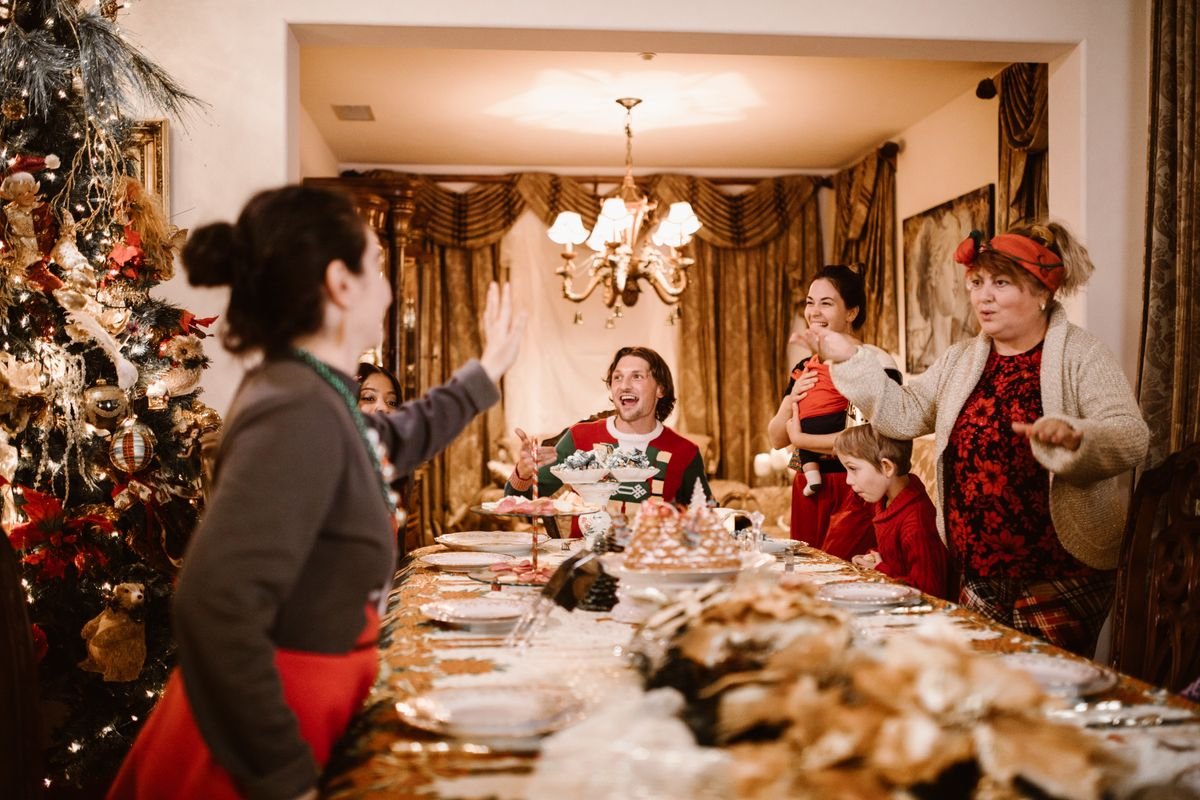
Slice the breast meat across the grain in even 1/4-inch slices, not with it. Cutting against the grain shortens the muscle fibers so each bite feels tender instead of stringy, even from the same bird.
20. Separate Legs and Wings First
Don't try to carve a whole intact bird at the table. Remove the legs and wings at the joints first, then slice each breast half off the bone in one piece and slice it on the board — cleaner cuts, less wrestling.
21. Save the Carcass for Stock
The picked carcass is liquid gold. Simmer it with onion, carrot, celery, and herbs for 4-6 hours for a rich turkey stock that beats anything from a box — freeze it flat in bags for soups all winter.
22. Make Gravy from the Drippings
Pour the pan drippings into a fat separator, make a roux with 3 tablespoons of the fat and flour, then whisk in the defatted juices plus broth. Season with soy sauce or miso for depth — homemade gravy takes 10 minutes and ruins you for the jarred kind forever.
23. Shred Leftovers Before Storing
Pull leftover meat off the bones and shred or dice it before refrigerating. Pre-shredded turkey reheats evenly and is instantly ready for sandwiches, soups, and casseroles — whole leftover pieces dry out when reheated.
24. Reheat Leftovers with Broth
Warm leftover turkey in a covered skillet with a splash of broth over low heat. The gentle steam reheats without drying, and the broth adds back moisture the fridge stole — the microwave just makes it rubbery.
25. Freeze Leftover Turkey in Meal Portions
Portion shredded leftovers into 2-cup bags, press flat, and freeze. Flat bags thaw in 20 minutes under warm water and each one is exactly right for a pot of soup, a casserole, or a round of sandwiches.