30 Baking Hacks
Great baking is equal parts science and shortcuts. These 30 baking hacks deliver fluffier cakes, chewier cookies, flakier crusts, and frostings that actually behave — plus storage and cleanup tricks from people who bake a lot.
1. Weigh Ingredients for Consistency
A $15 kitchen scale beats measuring cups for flour, where a cup can vary by 30%. Weighing means your cookies come out the same chewy-perfect batch every single time.
2. Spoon and Level Your Flour
If you must use cups, spoon flour into the cup and level with a knife — never scoop. Scooping compacts flour and can add 25% extra, making cakes dense and dry.
3. Bring Dairy to Room Temp Fast
Submerge cold eggs in warm water for 10 minutes and microwave butter in 10-second bursts. Room-temp ingredients emulsify into smooth batters instead of curdling.
4. Soften Butter Without Melting
Cut butter into small cubes and let it sit 15 minutes, or grate it on a box grater. You want pliable butter that holds a fingerprint — melted butter makes greasy, flat cookies.
5. Cream Butter and Sugar Fully
Beat butter and sugar 3-5 full minutes until pale and fluffy. This step whips in the air bubbles that leaven your cake — under-creaming is the #1 cause of dense bakes.
6. Don't Overmix After Adding Flour
Once flour hits liquid, gluten starts developing. Mix just until no dry streaks remain — overmixed muffins and cakes turn tough and tunnel-y.
7. Use the Toothpick Test Properly
Insert a toothpick in the center: moist crumbs are perfect for cakes, clean is overbaked. For brownies, you want a few fudgy crumbs clinging — clean means dry.
8. Rotate Pans Halfway Through
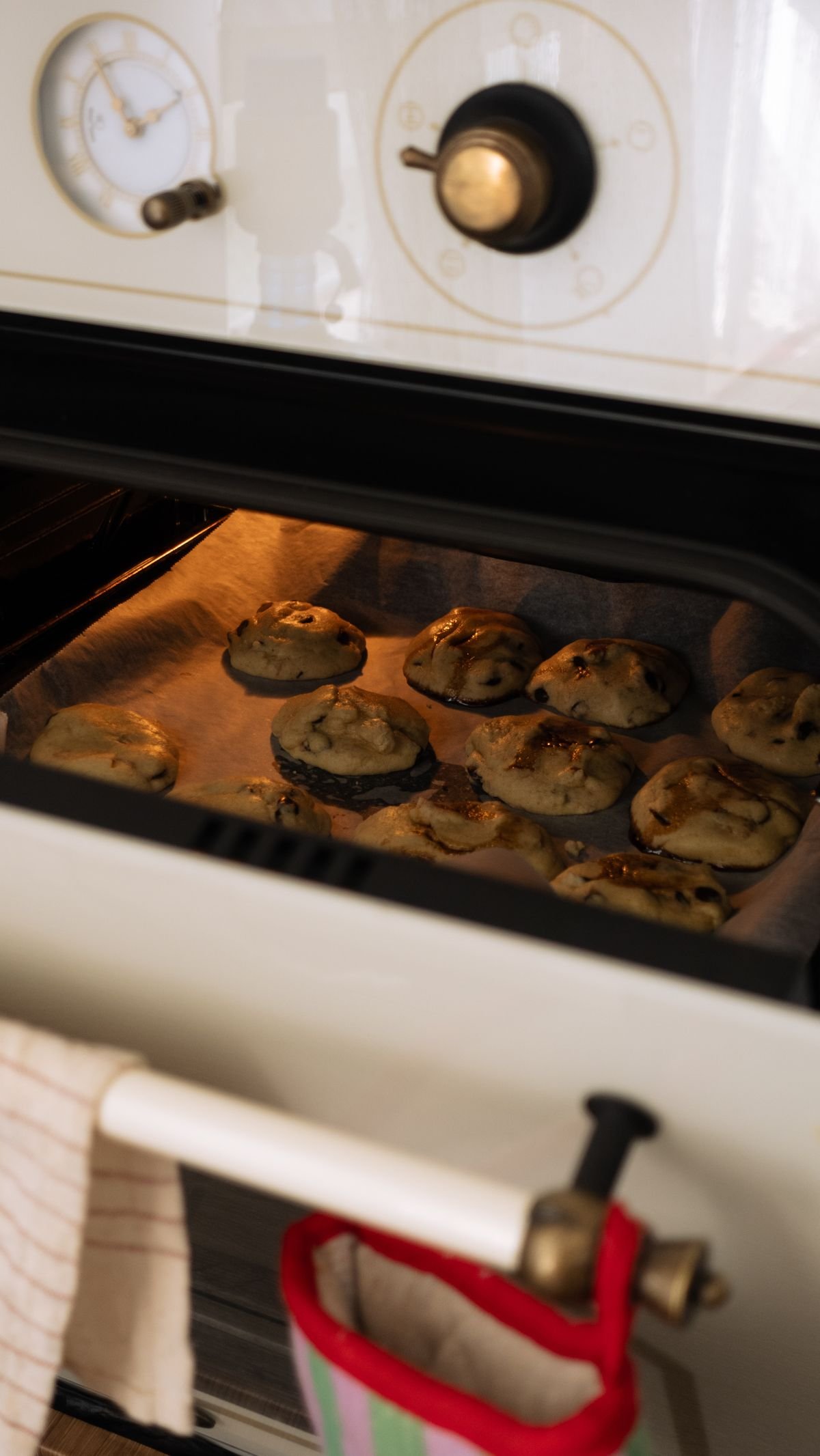
Most ovens have hot spots. Rotate pans 180° halfway through baking for even browning — especially important for cookies and sheet cakes.
9. Chill Cookie Dough Before Baking
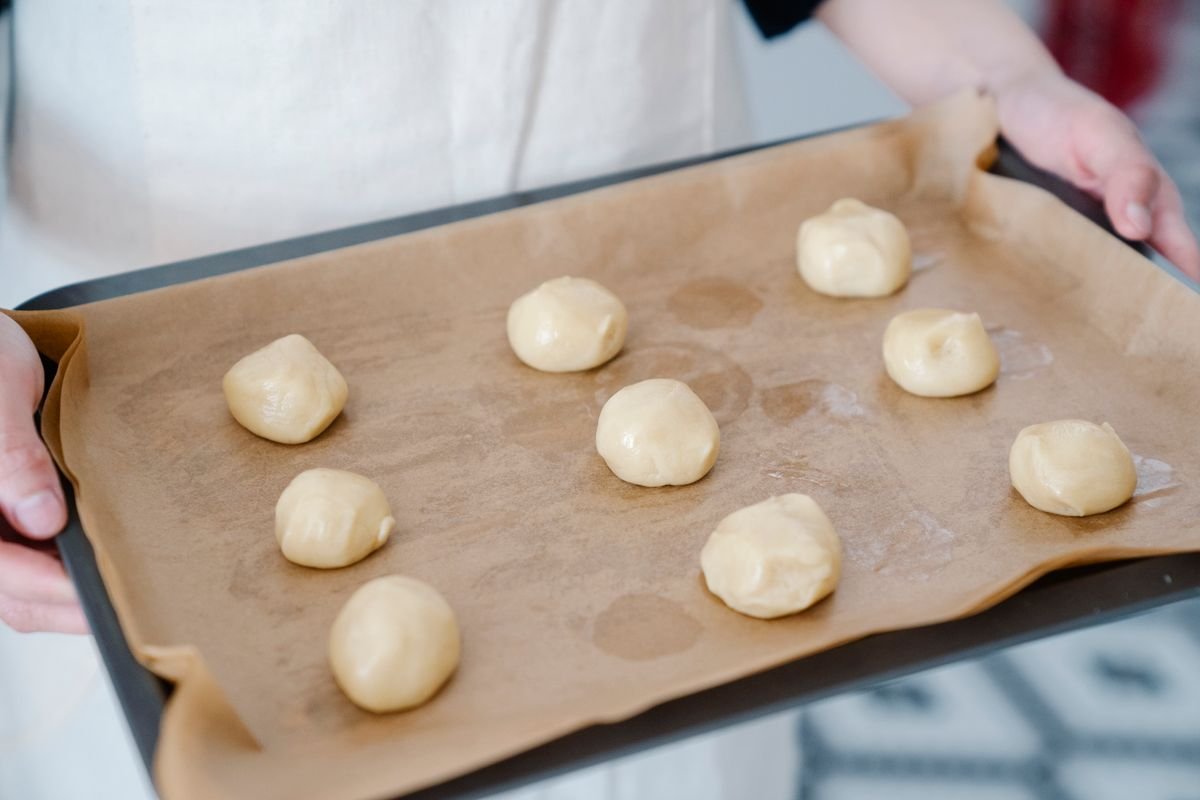
Chill dough at least 30 minutes (or overnight). Cold dough spreads less, so cookies bake thick and chewy with deeper caramel flavor from the resting flour.
10. Use a Cookie Scoop for Uniform Cookies
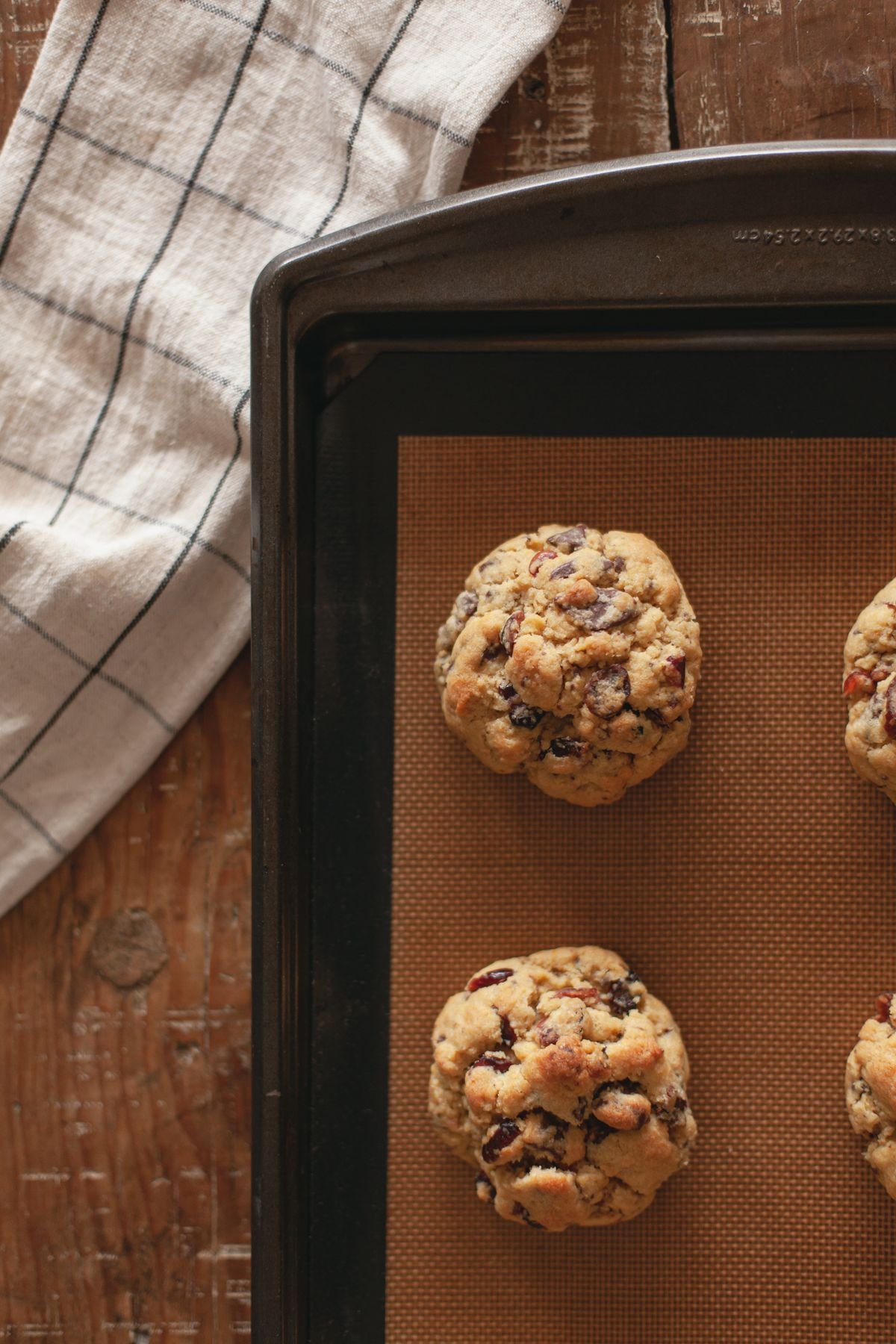
A spring-loaded scoop portions identical dough balls that bake evenly. No more tray with one burnt cookie and one raw one.
11. Bang the Pan for Crinkly Tops
Drop the brownie or cookie pan firmly on the counter 2-3 times mid-bake. It collapses air bubbles for dense, fudgy centers and those coveted crackly tops.
12. Add Cornstarch for Softer Cookies
Replace 2 tablespoons of flour with cornstarch in chocolate chip cookies. It tenderizes the crumb for bakery-soft centers that stay soft for days.
13. Freeze Cookie Dough Balls
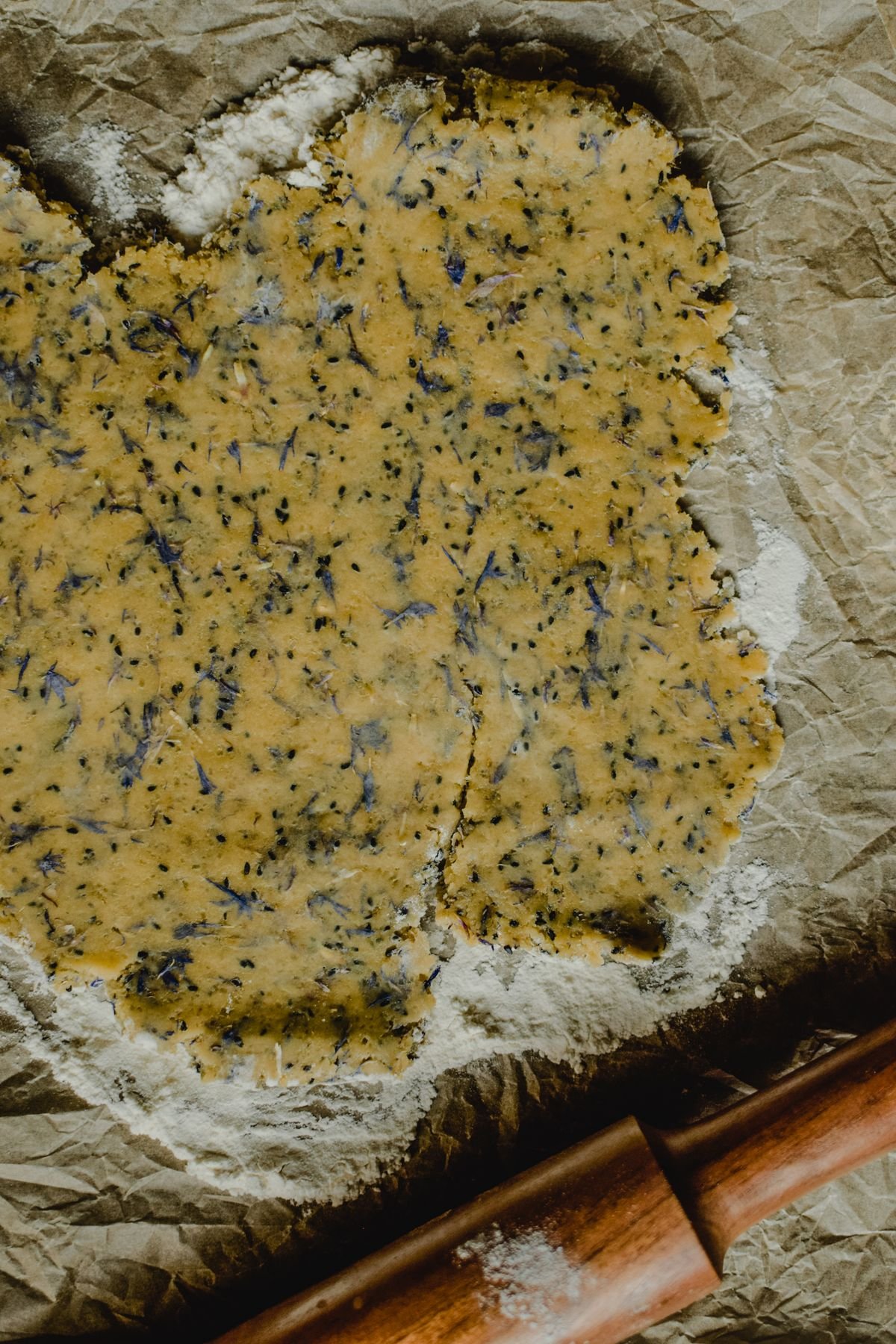
Scoop dough onto a sheet pan, freeze solid, then bag. Bake from frozen, adding 2-3 minutes — fresh-baked cookies on demand for months.
14. Line Pans With a Parchment Sling
Cut parchment to overhang two sides of the pan like a sling. Brownies and bars lift out cleanly with zero sticking and perfect edges.
15. Grease With the Butter Wrapper
Save butter wrappers in the fridge and use the residual butter to grease pans. It's the perfect thin, even layer — and one less thing to wash.
16. Make Buttermilk in 5 Minutes
Stir 1 tablespoon lemon juice or vinegar into 1 cup milk and rest 5 minutes. It curdles into a perfect buttermilk substitute for tender cakes and pancakes.
17. Bloom Cocoa in Hot Liquid
Whisk cocoa powder with hot coffee or water before adding to batter. Heat releases cocoa's flavor compounds for dramatically deeper chocolate taste.
18. Add Espresso Powder to Chocolate Bakes
A teaspoon of instant espresso intensifies chocolate without any coffee flavor. It's the secret ingredient in every great chocolate cake recipe.
19. Keep Brown Sugar Soft With Bread
Toss a slice of bread in the brown sugar bag. The sugar pulls moisture from the bread and stays soft for weeks; replace the slice when it hardens.
20. Revive Hard Brown Sugar in the Microwave
Microwave hardened brown sugar with a damp paper towel for 20-30 seconds. The steam loosens it instantly — break up any remaining clumps with a fork.
21. Use Dental Floss to Slice Cinnamon Rolls
Slide unflavored floss under the log, cross the ends over the top, and pull. Perfectly round slices with no squishing, unlike a knife.
22. Pipe Frosting With a Zip Bag
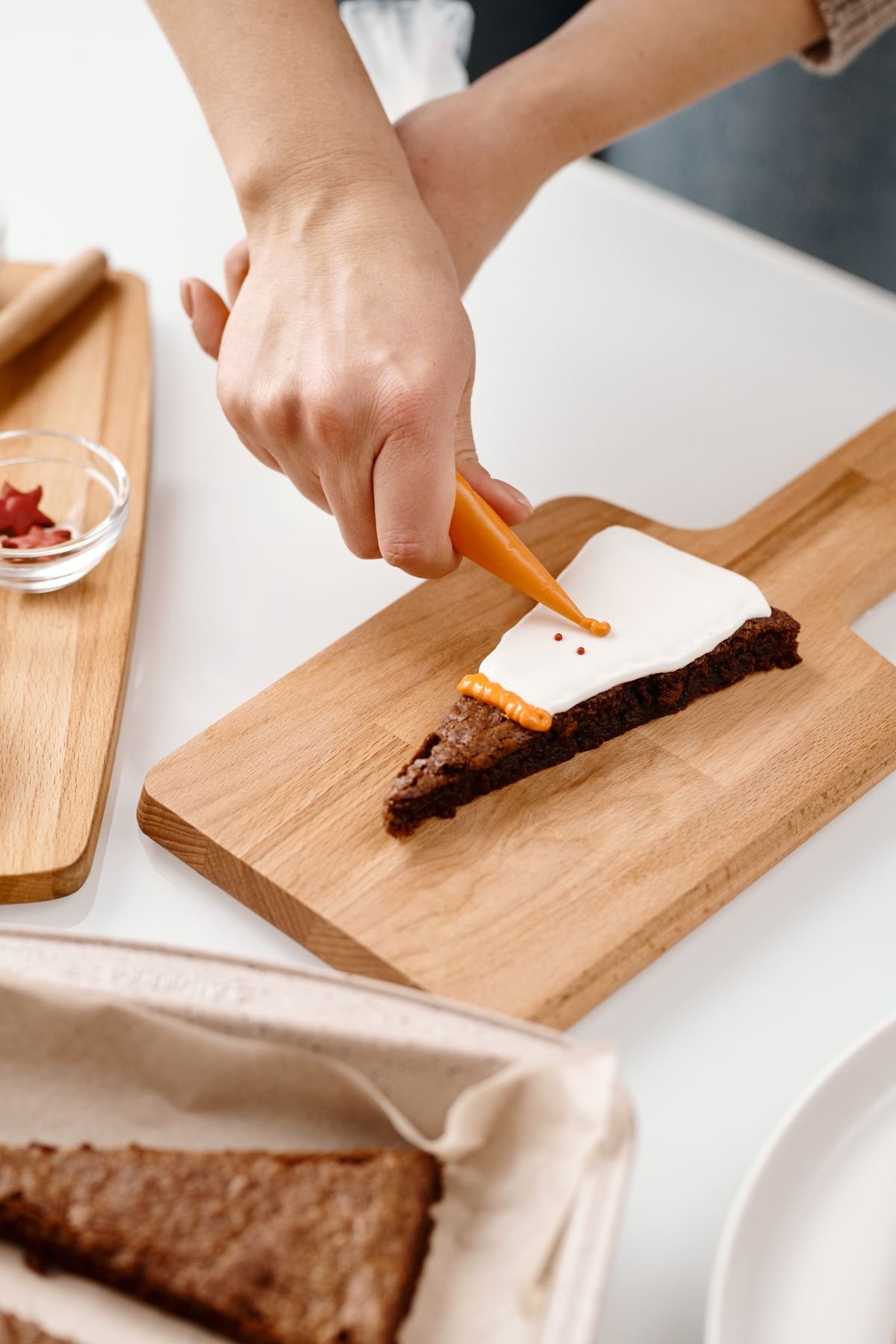
Fill a zip-top bag with frosting, snip the corner, and pipe. For fancier tips, drop a piping tip in before filling — no specialty bags to buy.
23. Crumb-Coat Cakes Before Frosting
Spread a thin layer of frosting, chill 20 minutes, then frost fully. The crumb coat traps loose crumbs so your final layer is perfectly smooth.
24. Level Cake Layers With a Serrated Knife
Mark the halfway point with toothpicks, then saw gently with a long serrated knife. Flat layers stack straight and frost without sliding.
25. Freeze Cake Layers Before Frosting
Wrap cooled layers and freeze 30+ minutes. Cold, firm cake is far easier to frost — fewer crumbs, no tearing, cleaner edges.
26. Make a DIY Piping Bag From Parchment
Roll parchment into a cone, fill, and snip the tip. It works for drizzles, dots, and writing when you don't own piping bags.
27. Test Baking Powder Freshness
Drop a teaspoon of baking powder in hot water — it should fizz vigorously. Dead leavener is the silent killer of flat cakes; replace every 6-12 months.
28. Use an Ice Cream Scoop for Cupcakes
A #20 scoop fills each liner with exactly the right amount of batter. Even cupcakes rise evenly and none overflow.
29. Cool Cookies on the Pan First
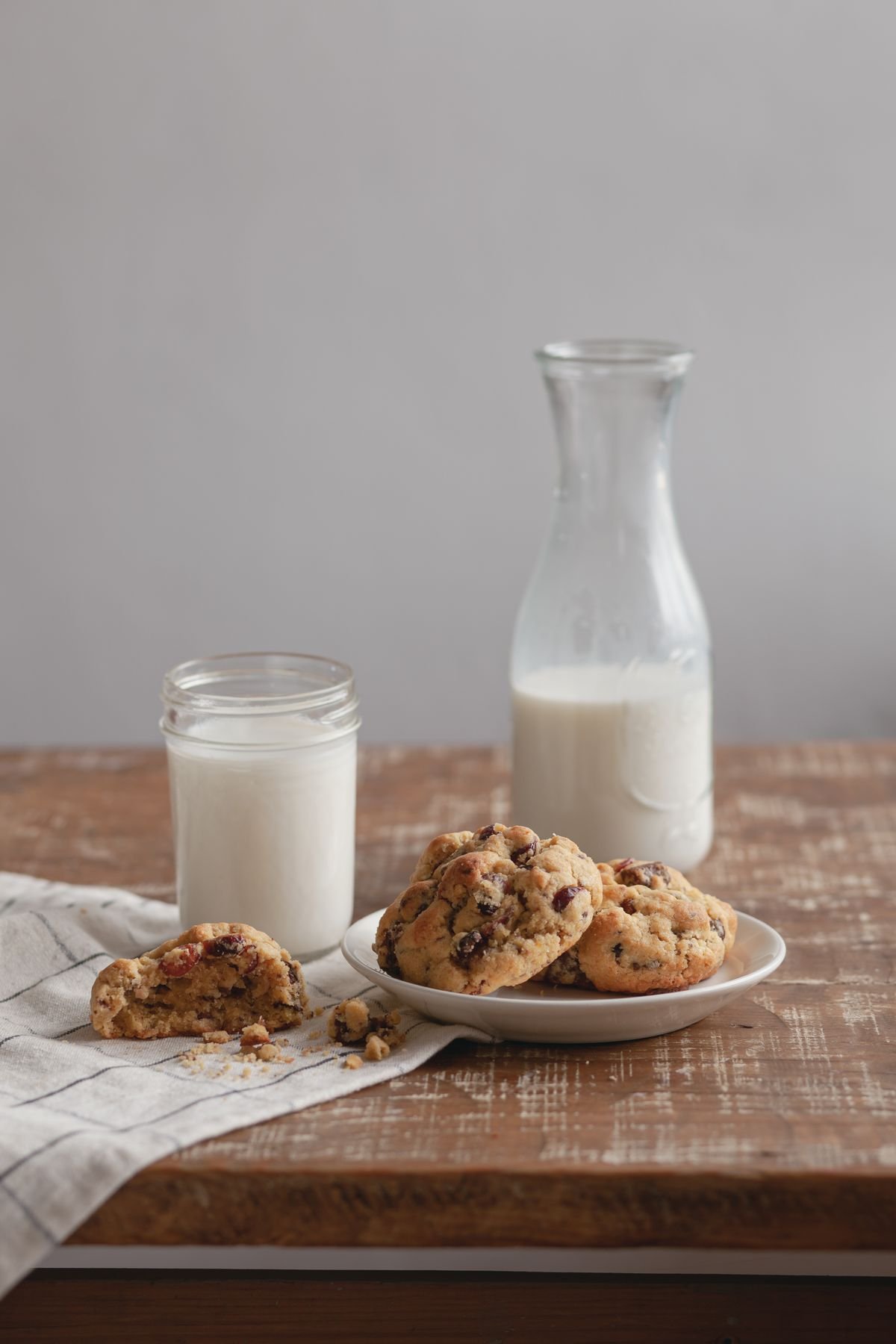
Let cookies rest on the hot pan 5 minutes before moving to a rack. They finish setting from residual heat — moving them too soon breaks warm, fragile cookies.
30. Store Cookies With Apple Slices
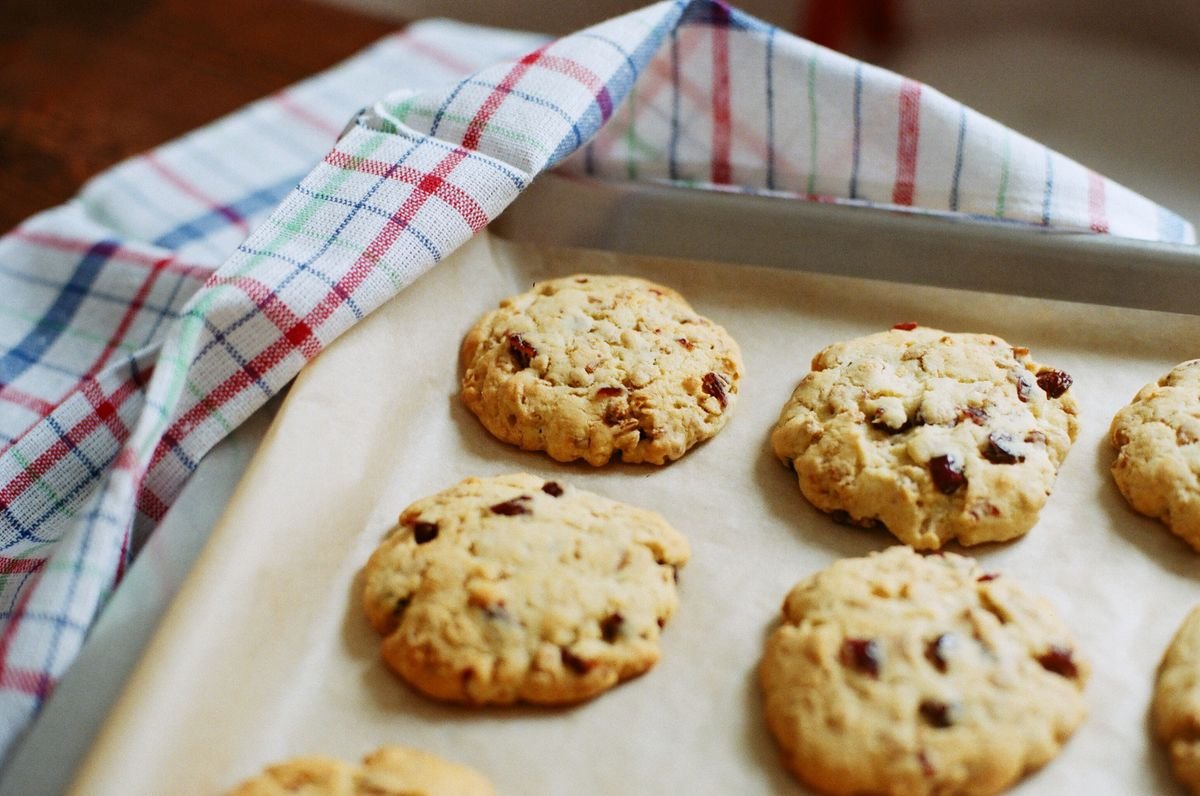
Add a slice of apple to the cookie tin. The cookies absorb its moisture and stay soft for days; the apple slice itself dries out instead.