30 Fall Comfort Food Hacks for Cozy Weeknight Dinners
When the air turns crisp, dinner should feel like a warm hug. These 30 fall comfort food hacks make cozy classics — stews, roasts, creamy pastas — easier, faster, and richer-tasting, with shortcut techniques that taste like you cooked all day.
1. Brown Meat in Batches, Not Crowds
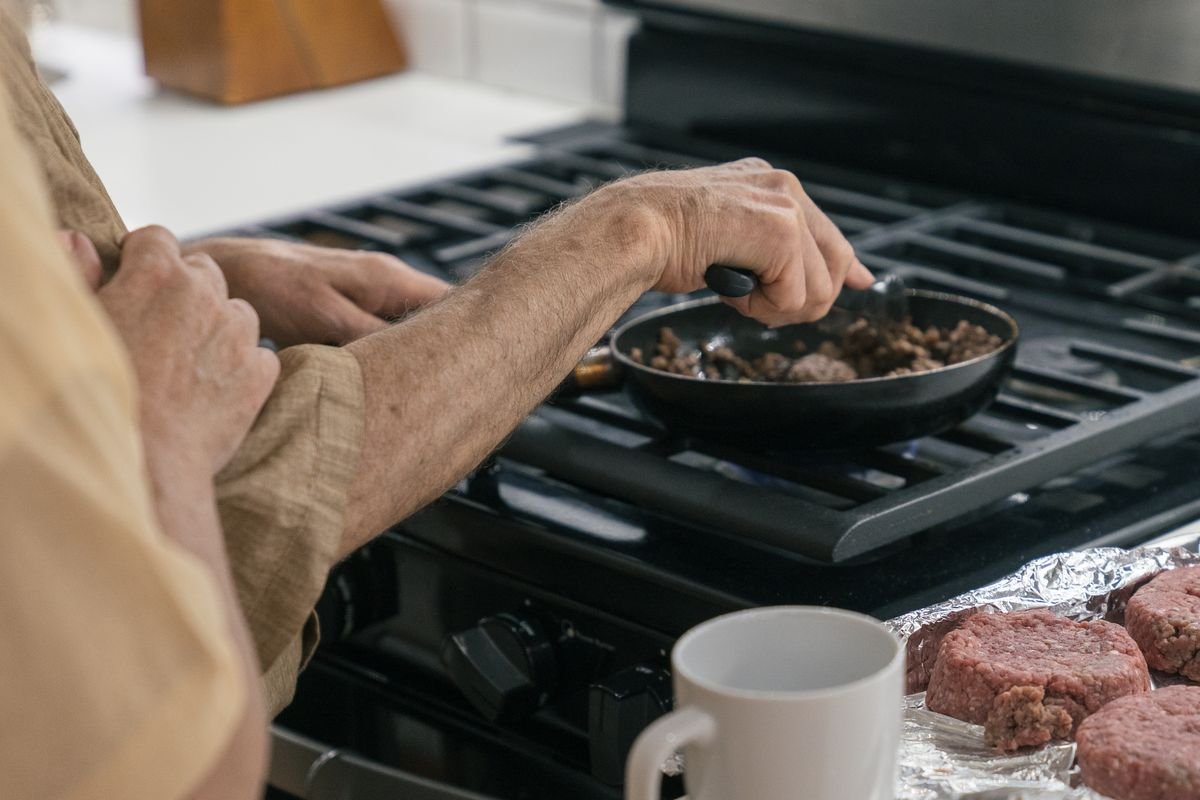
Overcrowded pans steam meat instead of searing it. Brown in two or three small batches with space between pieces, then deglaze with a splash of broth to capture the fond — instant deep flavor.
2. Finish Stews with a Splash of Vinegar
A teaspoon of apple cider vinegar or red wine vinegar at the very end brightens heavy stews without tasting sour. It cuts through fat and makes savory flavors pop after long simmering.
3. Toast Your Spices Before Adding Liquid
Sizzle dried spices in butter or oil for 30-60 seconds until fragrant before pouring in stock. Toasting wakes up dormant oils, so the same half-teaspoon tastes twice as bold.
4. Use a Rotisserie Chicken as Your Base
Skip raw-chicken cooking time entirely: shred a store rotisserie bird into soups, pot pies, and casseroles. Add it in the last 10 minutes so it stays juicy instead of stringy.
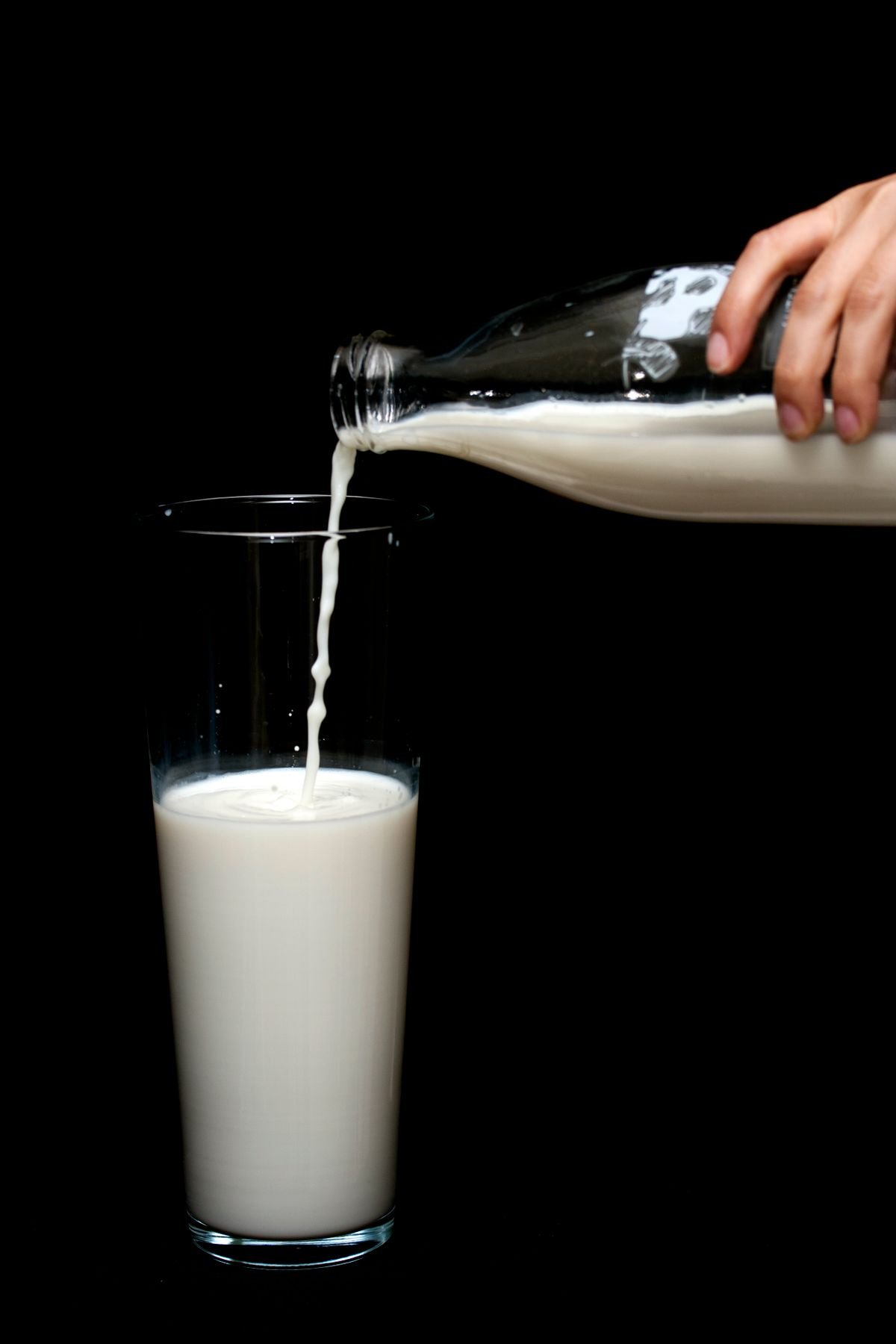
5. Swap Half the Cream for Evaporated Milk
Evaporated milk gives soups and sauces the same silky body as heavy cream with less cost and more stability — it won't curdle at high heat, so you can boil it confidently.
6. Roast Vegetables at 425F, Not 375
High heat caramelizes natural sugars fast, giving sweet potatoes, carrots, and Brussels sprouts crispy edges instead of soggy middles. Toss in oil and spread in a single layer for even browning.
7. Thicken Soups with a Potato Instead of Flour
Drop one peeled, cubed potato into thin soup and simmer 20 minutes, then mash it into the broth. It thickens naturally, adds body, and keeps the soup gluten-free without any pasty taste.
8. Add Umami with Miso or Soy Sauce
A tablespoon of white miso or soy sauce stirred into chili, gravy, or stew adds deep savory backbone you can't place. It works like salt but with complexity — start small and taste.
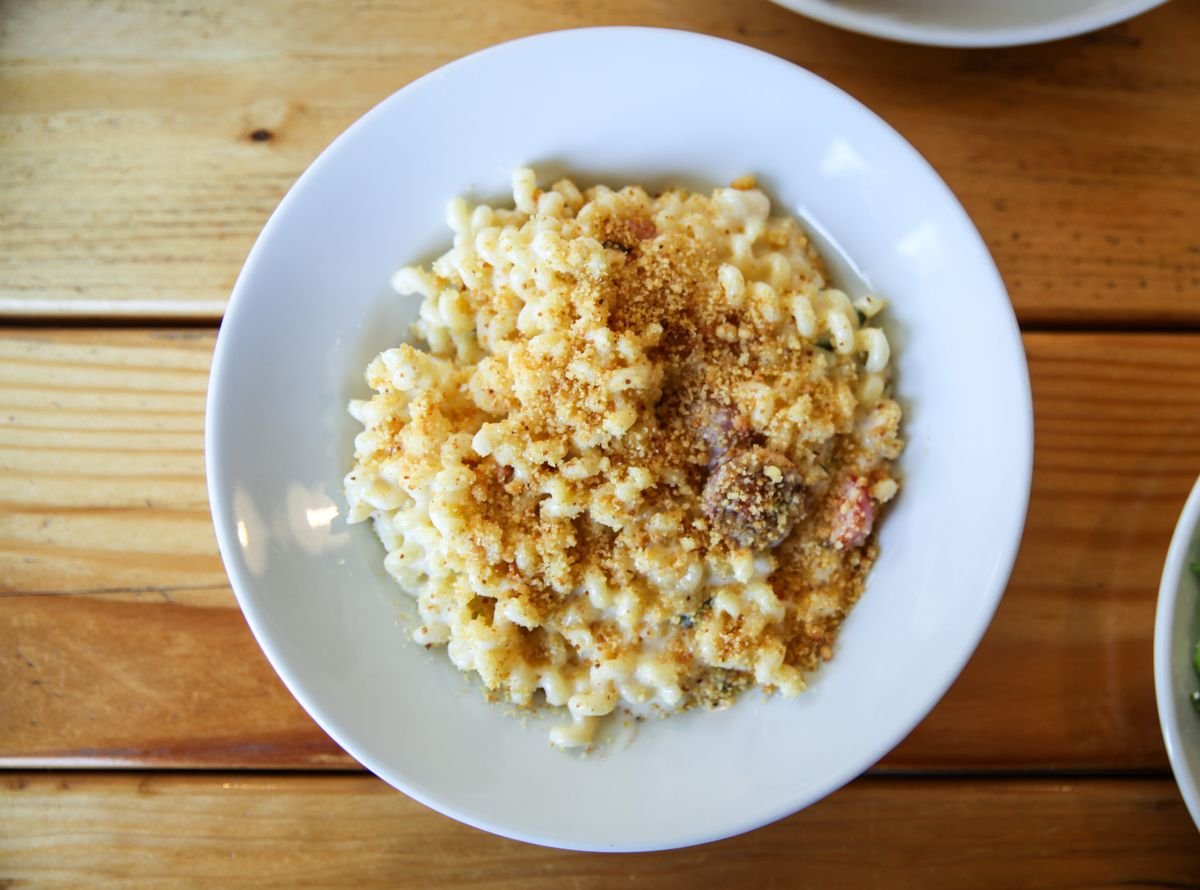
9. Layer Cheese Both Under and Over the Filling
In pot pies and baked pastas, sprinkle half the cheese directly on the bottom crust or pasta layer before the filling, then the rest on top. It forms a moisture barrier so nothing turns soggy.
10. Deglaze with Broth, Not Water
After searing, pour in warm broth instead of water to lift browned bits. Those caramelized drippings become free flavor — broth doubles down on it while water dilutes.
11. Warm Your Slow Cooker Insert First
Rinse the ceramic insert with hot water before adding ingredients. A pre-warmed crock hits safe cooking temperature faster, cutting the danger-zone window and total cook time.
12. Stir in Cream at the End, Off the Heat
Dairy splits when it boils. Take the pot off the burner, wait 60 seconds, then stir in cream or sour cream. The residual heat warms it through while the sauce stays perfectly smooth.
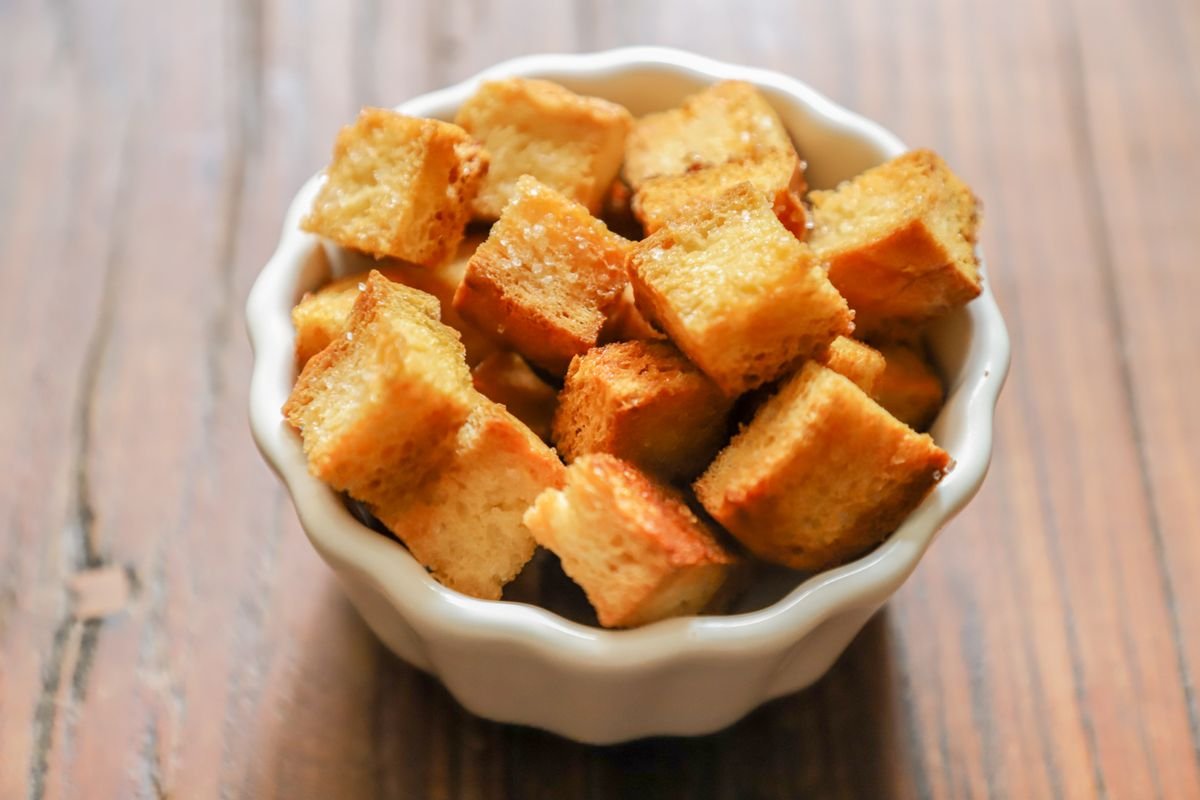
13. Crisp Toppings Separately
Bake breadcrumbs, fried onions, or puff pastry lids on their own sheet pan instead of on the casserole. You get golden crunch every time, and you can add them right before serving so they never go soft.
14. Double the Aromatics
Onion, carrot, and celery form the flavor base of nearly every comfort dish — doubling them roughly doubles depth. Sauté until the onions turn genuinely golden, not just soft.
15. Use Chicken Stock Concentrate Paste
A spoonful of stock concentrate delivers richer body than boxed broth at a fraction of the price. Whisk it into water for an instant upgrade to any soup, gravy, or braise.
16. Shred Cheese from a Block for Melting
Bagged shreds contain starch that makes sauces grainy and toppings greasy. Grate from a block for mac and cheese, gratins, and casseroles and everything melts silkier.
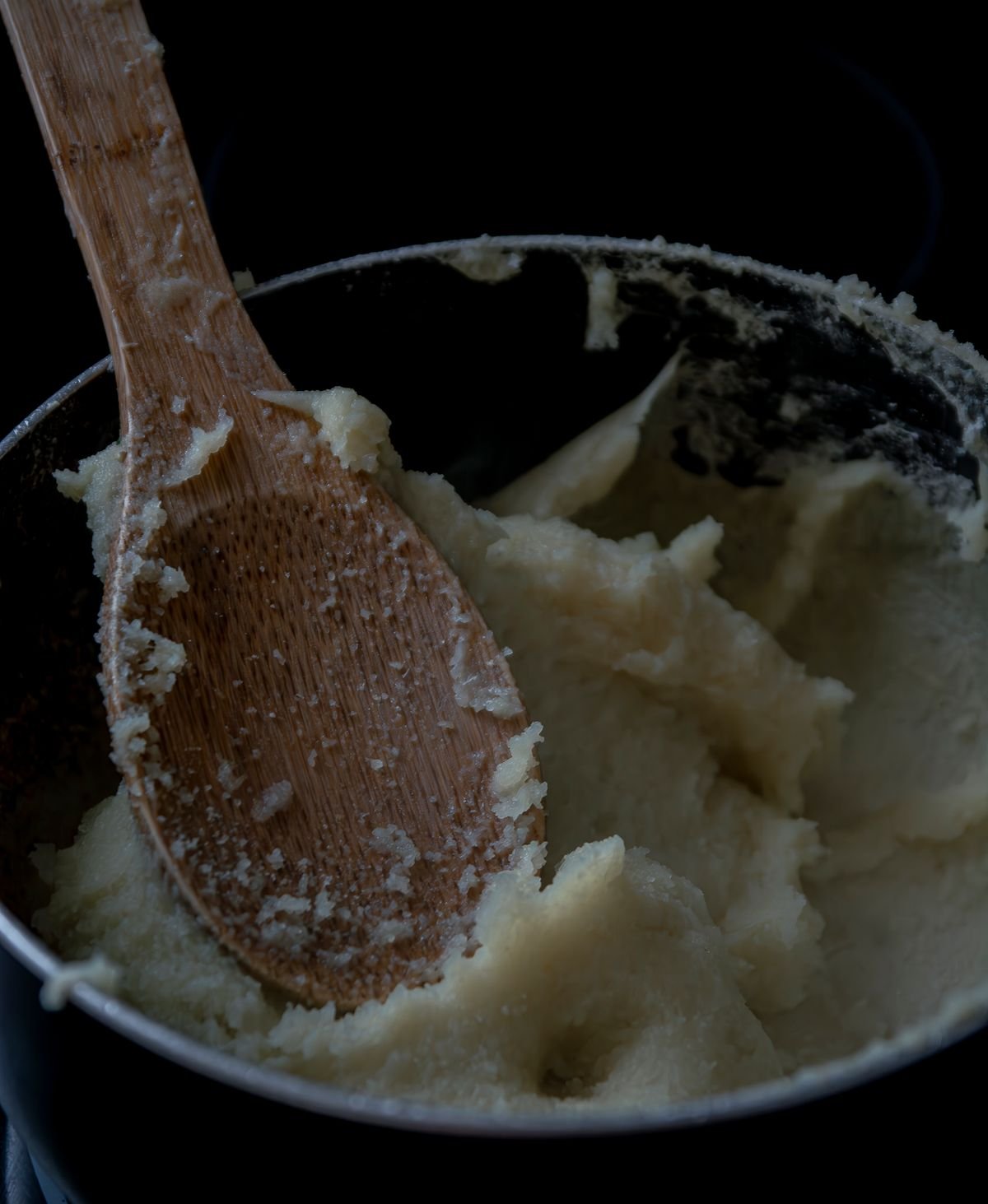
17. Finish Mashed Potatoes with Brown Butter
Cook butter until it smells nutty and turns amber, then stir it into mashed potatoes instead of plain melted butter. One swap, and an everyday side tastes restaurant-level.
18. Par-Cook Dense Vegetables Before Casseroles
Carrots, sweet potatoes, and winter squash need a head start — microwave cubes 4-5 minutes before layering into casseroles so everything finishes tender at the same time.
19. Add a Bay Leaf and Pull It Later
One bay leaf simmered in soups and braises adds subtle herbal depth for pennies. Set a timer or tie it to a wooden spoon so you remember to fish it out before serving.
20. Let Roasts Rest Before Slicing
Ten to fifteen minutes of resting lets juices redistribute instead of flooding the cutting board. Tent loosely with foil — the meat stays hot while the interior finishes perfectly.
21. Use the Broiler for Golden Tops
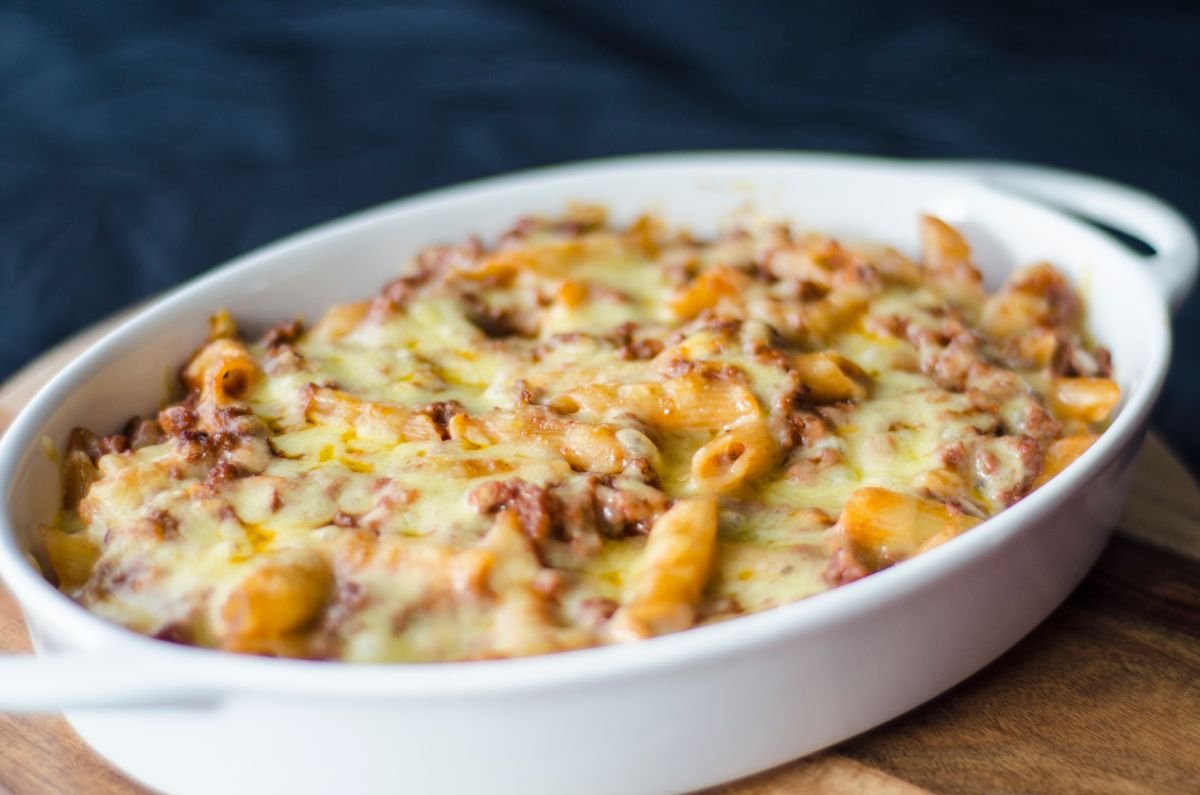
Two minutes under a hot broiler finishes mac and cheese, shepherd's pie, and gratins with a bubbly, browned crust no oven setting achieves. Watch it like a hawk — it goes from golden to burnt in seconds.
22. Season in Layers, Not Just at the End
Salt the onions, salt the meat, salt the broth. Seasoning each layer as you build means balanced flavor throughout, instead of a bland center that needs a salt shaker at the table.
23. Freeze Leftover Tomato Paste in Scoops
Most recipes need one tablespoon of a six-ounce can. Freeze the rest in tablespoon scoops on a tray, bag them, and grab one anytime for sauces, stews, and chili.
24. Brighten Rich Dishes with Fresh Herbs
A handful of chopped parsley, thyme, or chives scattered over heavy comfort food cuts richness and adds color. Add them at serving — heat kills their fresh punch.
25. Make a Quick Pan Sauce from Any Roast
While meat rests, pour off excess fat, splash in broth and a spoonful of jam or mustard, and reduce 5 minutes. You get a glossy sauce that tastes planned, not improvised.
26. Use Day-Old Bread for Stuffings and Crumbles
Slightly stale bread absorbs broth and custard better than fresh, giving stuffing and bread pudding structure instead of mush. Cube and dry fresh bread 20 minutes in a low oven if needed.
27. Sweat Onions Low and Slow for Sweetness
Cook sliced onions over medium-low 20+ minutes until deep amber. The slow caramelization builds natural sweetness that lifts French onion soup, gravies, and meatloaf.
28. Add Frozen Peas at the Very End
Frozen peas need only 2-3 minutes in hot liquid. Adding them last keeps them bright green and sweet instead of gray and mushy in pot pies and shepherd's pie.
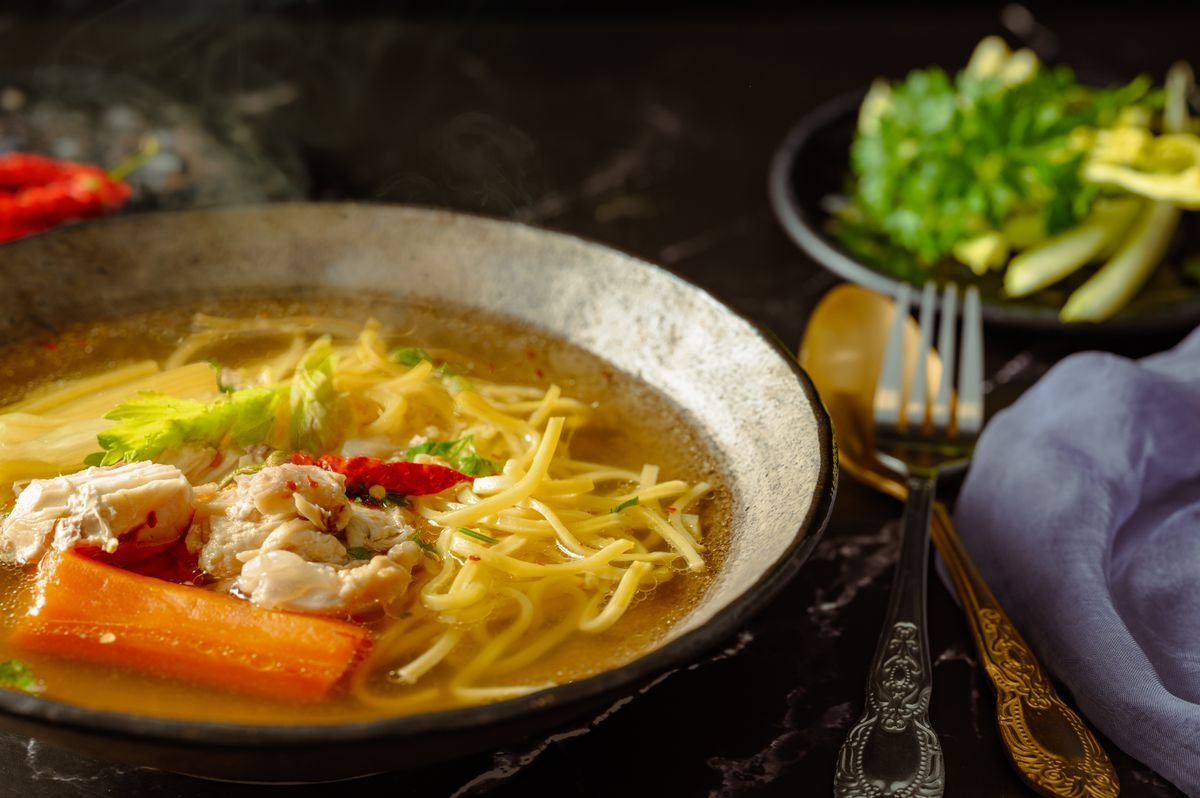
29. Warm Bowls Before Serving Soup
Fill serving bowls with hot water for 2 minutes, dump, then ladle in the soup. Warm bowls keep the first spoonfuls steaming-hot and make a simple soup feel special.
30. Batch-Cook Grains on Sunday
A big pot of rice, farro, or barley in the fridge turns any leftover stew or roasted veg into dinner in 5 minutes. Reheat grains with a splash of water to restore their texture.