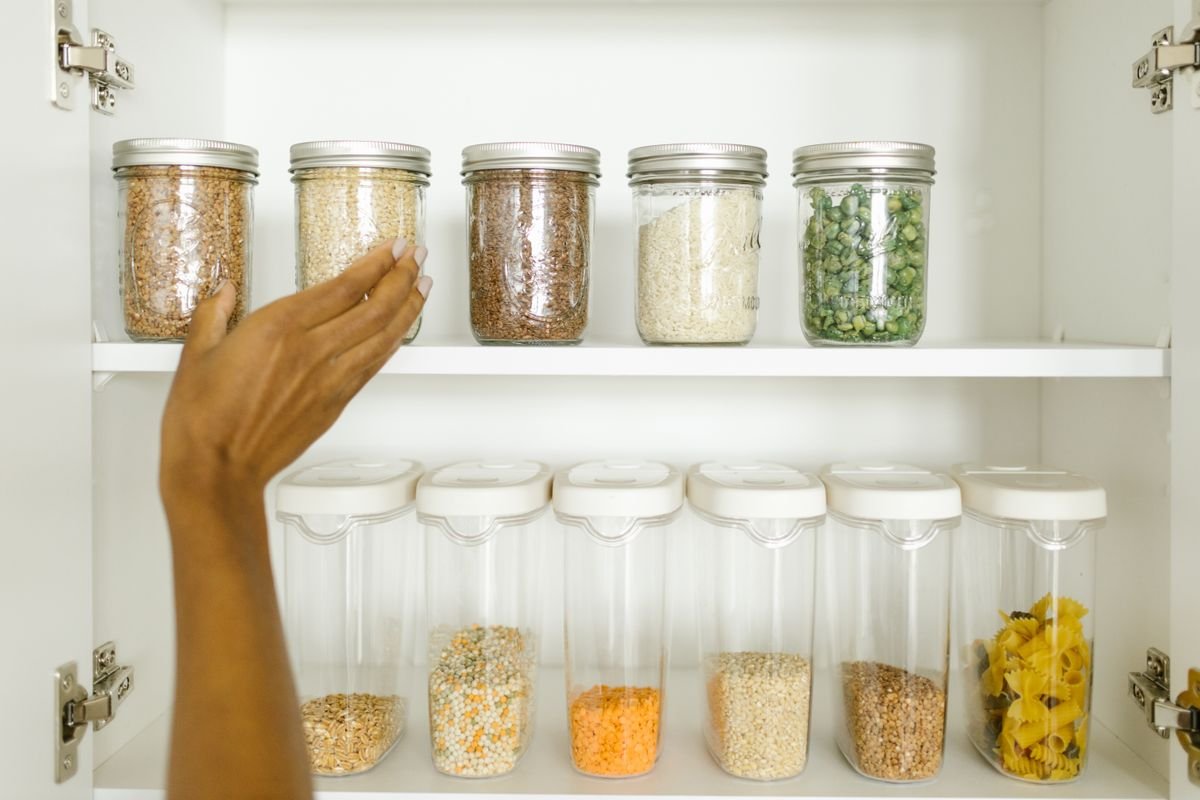
30 Fridge Hacks
Your fridge can keep food fresher twice as long — if it's organized right. These 30 fridge hacks cover zones that actually matter, storage that prevents waste, odor fixes, and the simple systems that end the mystery-leftover problem for good.
1. Learn Your Fridge Zones
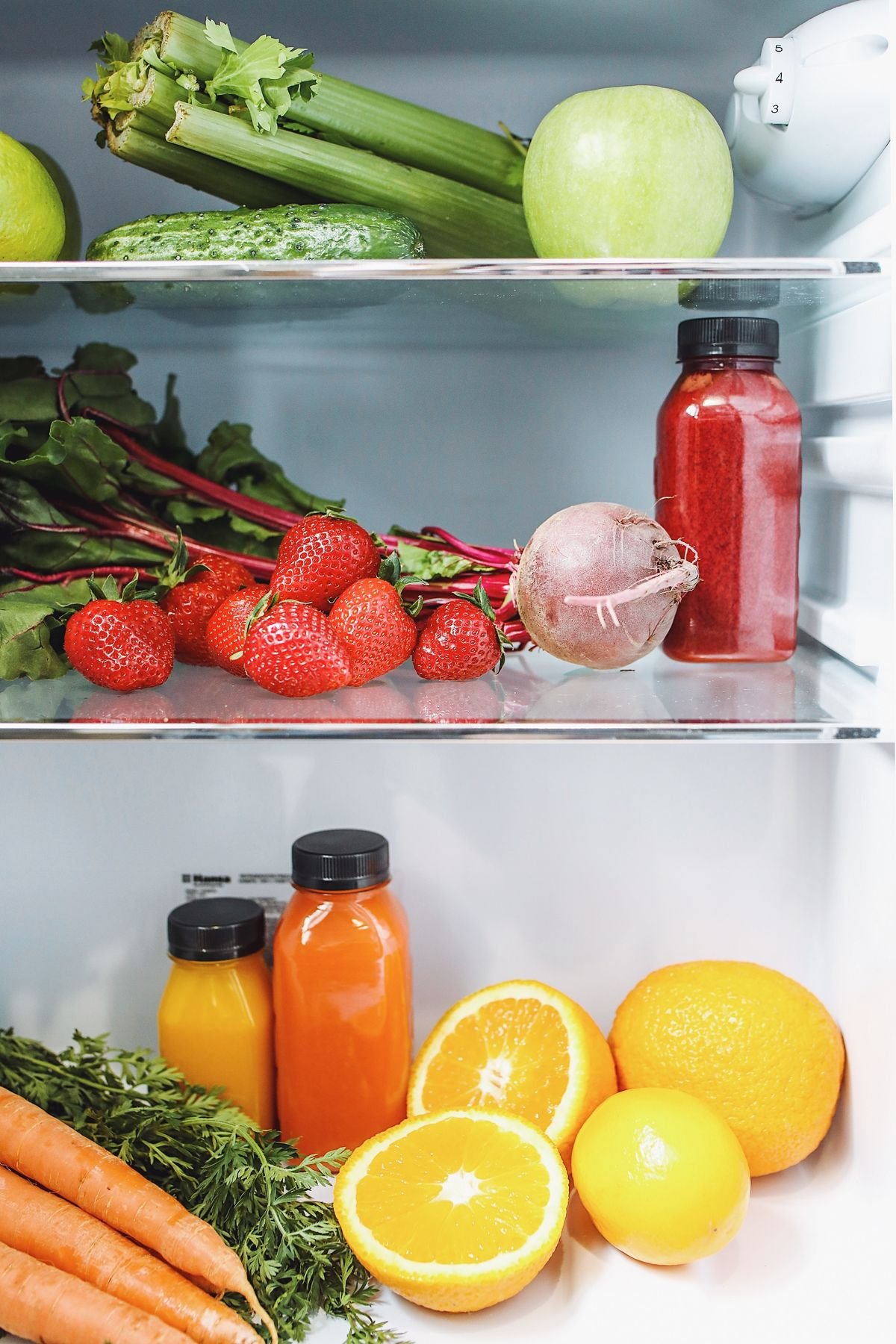
Top shelves are warmest (leftovers, drinks), middle is consistent (dairy, eggs), bottom is coldest (raw meat), drawers control humidity. Storing by zone keeps everything at its ideal temp.
2. Keep Raw Meat on the Bottom Shelf
Always store raw meat on the lowest shelf in a tray. If it drips, it can't contaminate food below — the single most important food-safety habit in your fridge.
3. Use Clear Bins Like Drawers
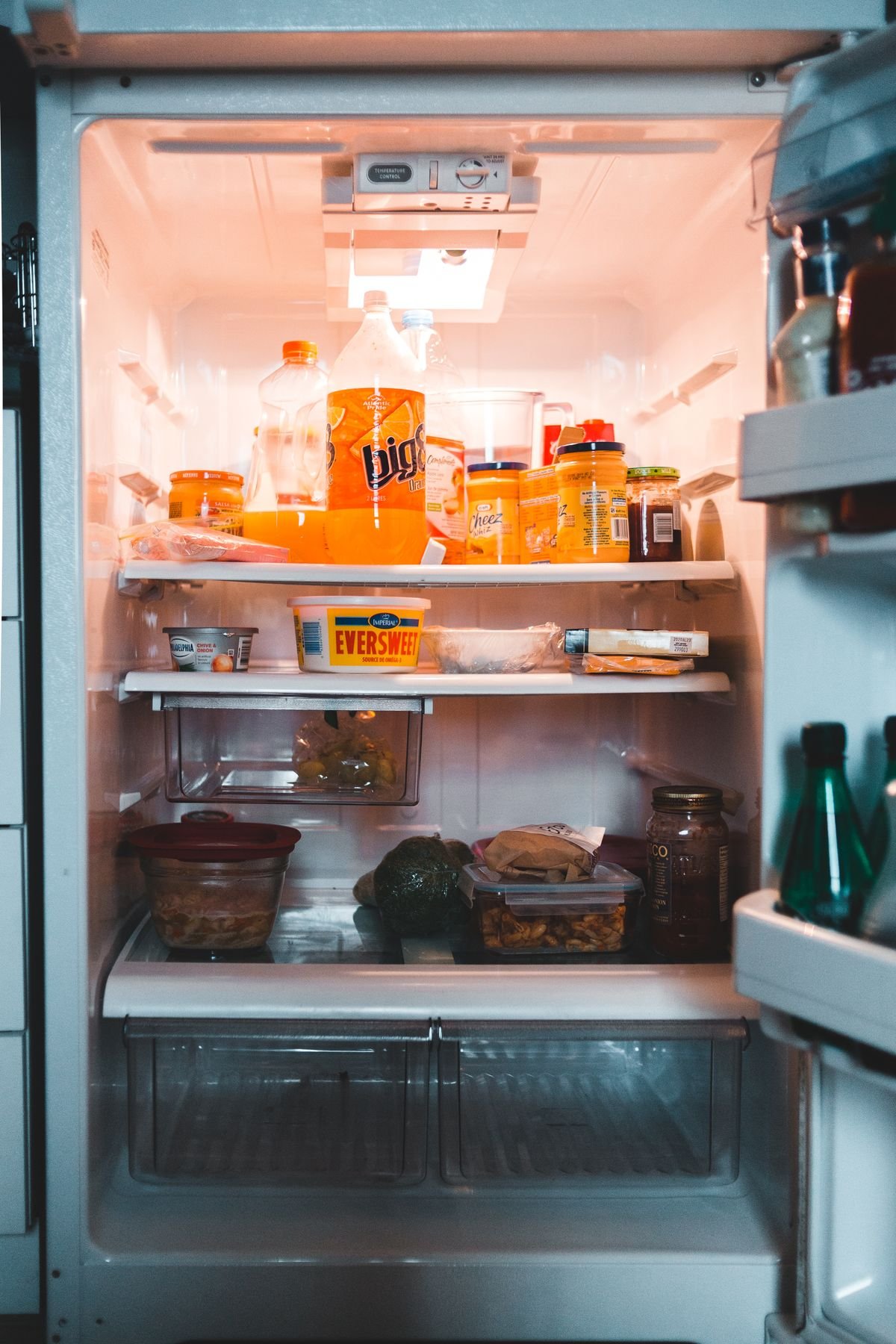
Group like items in clear, labeled bins — snacks, condiments, lunch supplies. You pull one bin instead of excavating the whole shelf, and nothing hides in the back.
4. Label Everything With Dates
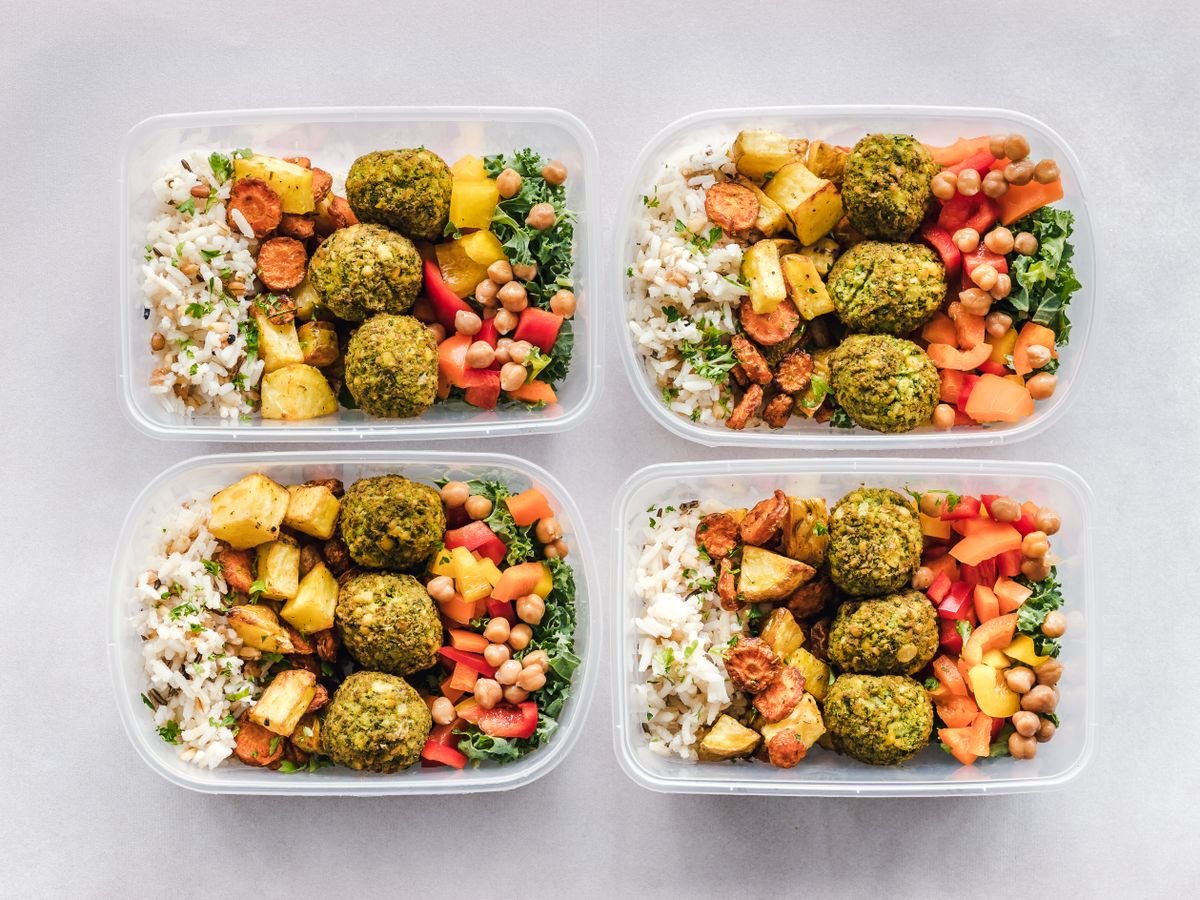
Painter's tape and a marker on every leftover container: contents + date. The 4-day rule becomes automatic and mystery containers disappear forever.
5. Store Herbs Like Flowers
Trim parsley and cilantro stems, stand them in a jar with an inch of water, and tent loosely with a bag. They stay fresh 2-3 weeks instead of wilting in 3 days.
6. Wrap Lettuce in a Damp Towel
Wash lettuce, spin dry, and roll in a slightly damp clean towel inside a bag. It stays crisp for 10+ days — the towel balances moisture perfectly.
7. Keep Milk Off the Door
The door is the warmest, most temperature-fluctuating spot. Milk, eggs, and dairy belong on interior shelves where the cold stays consistent.
8. Use the Door for Condiments Only
Mustard, ketchup, pickles, and jams are high-acid and stable — perfect door residents. They're also the items you grab most, so keep them accessible.
9. Set Humidity Drawers Correctly
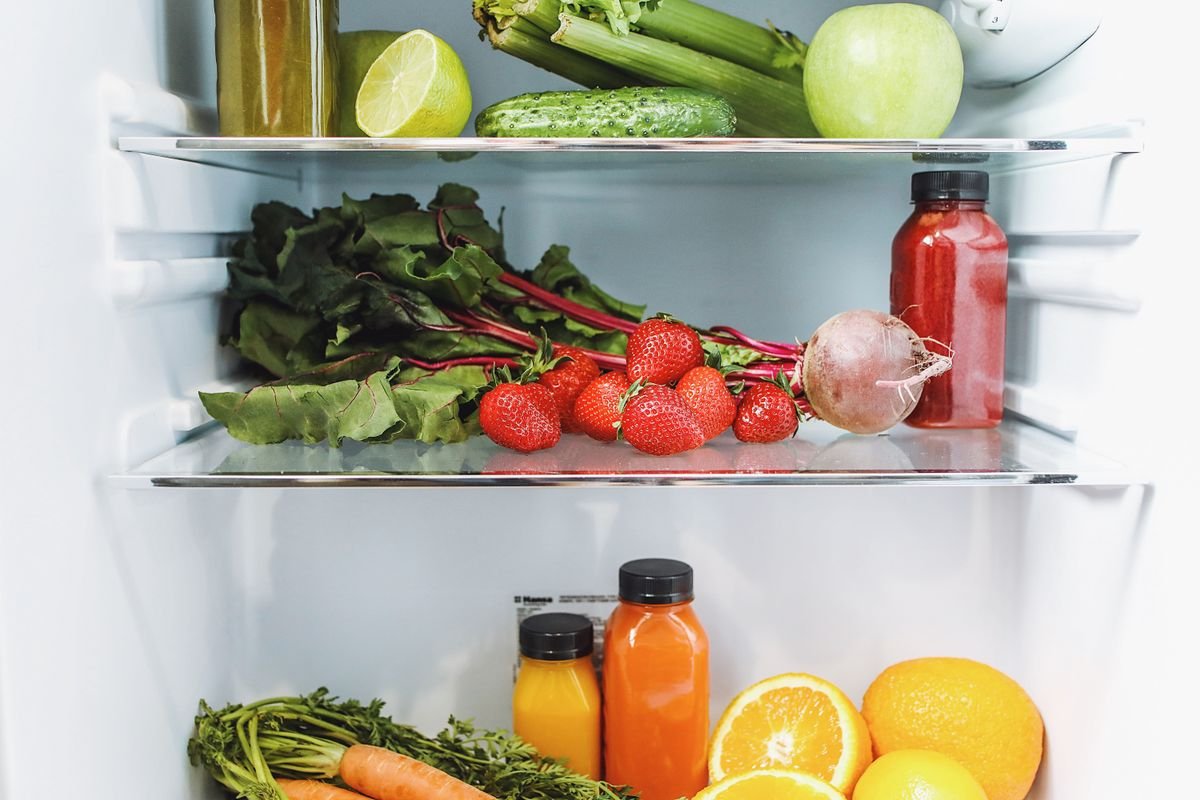
High humidity for leafy greens and herbs (closed vent), low humidity for fruits and ethylene producers (open vent). Two seconds of vent adjustment adds days of freshness.
10. Don't Wash Berries Until Eating
Moisture speeds mold on berries. Store unwashed in a breathable container lined with a paper towel; wash only the portion you're about to eat.
11. Freeze Half-and-Half in Ice Trays
Pour cream or half-and-half into ice cube trays before it expires. Frozen cubes go straight into coffee, soups, and sauces — zero waste.
12. Keep an Open Box of Baking Soda
Baking soda absorbs odors for about 30 days. Write the date on the box when you open it so you actually replace it on time.
13. Wipe Shelves With Vinegar Monthly
A quick wipe with diluted white vinegar kills odor-causing bacteria and cuts sticky residue. Monthly 10-minute wipe-downs prevent the deep-clean dread.
14. Store Leftovers in Shallow Containers
Spread leftovers in shallow, wide containers instead of deep bowls. They cool faster (food safety) and reheat more evenly with no cold centers.
15. Cool Food Before Refrigerating
Divide big pots into shallow containers and cool to room temp within 2 hours before refrigerating. Putting steaming pots in the fridge warms everything around them.
16. Use a Lazy Susan for Condiments
A turntable on a deep shelf ends the condiment avalanche. Spin to find what you need — nothing gets lost behind the mustard anymore.
17. Keep a Fridge Thermometer
Your fridge should hold 37-40°F. A $5 thermometer reveals if your dial setting is lying — many fridges run 5+ degrees warm, silently shortening food life.
18. Store Cheese in Wax Paper
Wrap cheese in wax or parchment paper, then loosely in a bag. It needs to breathe — plastic wrap suffocates cheese and makes it slimy.
19. Freeze Bread, Don't Refrigerate It
Refrigeration makes bread go stale 3x faster (starch retrogradation). Slice and freeze instead; toast straight from frozen for perfect slices.
20. Keep Eggs in Their Carton
The carton protects eggs from absorbing strong odors and prevents moisture loss through the porous shell. Skip the built-in door egg tray entirely.
21. Designate an Eat-Me-First Box
One clear bin labeled EAT FIRST holds items expiring soon and opened leftovers. The whole household knows what to grab, and waste drops dramatically.
22. Store Onions and Potatoes Separately
Onions release gases that sprout potatoes faster. Keep them apart (and potatoes out of the fridge — cold turns their starch to sugar, making them gritty and sweet).
23. Use Shelf Liners for Easy Cleaning
Washable shelf liners catch drips and spills. Pull and rinse instead of unloading the whole shelf to scrub sticky jam rings.
24. Decant Tall Bottles Into the Door
Move tall bottles and jars to door shelves to free interior shelf height. Suddenly you can actually stack containers and see what's on each shelf.
25. Keep Butter in a Covered Dish
Butter absorbs fridge odors fast. A covered butter dish on a middle shelf keeps it fresh-tasting and spreadable — salted butter is fine unrefrigerated for a week too.
26. Freeze Fresh Ginger Whole
Toss the whole ginger root in a freezer bag. Grate it frozen with a microplane — no peeling needed, and it keeps for months.
27. Store Tomato Paste in Tablespoon Dollops
Freeze leftover tomato paste in tablespoon mounds on parchment, then bag. Grab exactly what the recipe needs instead of opening a new can each time.
28. Keep a Running Grocery List on the Fridge
A magnetic notepad on the door catches 'we're out of…' the moment you notice. No more discovering the empty milk carton at breakfast.
29. Thaw Meat on a Tray in the Fridge
Thaw on a rimmed tray on the bottom shelf — never the counter. It takes longer but stays food-safe, and the tray catches any drips.
30. Do a Weekly 5-Minute Fridge Sweep
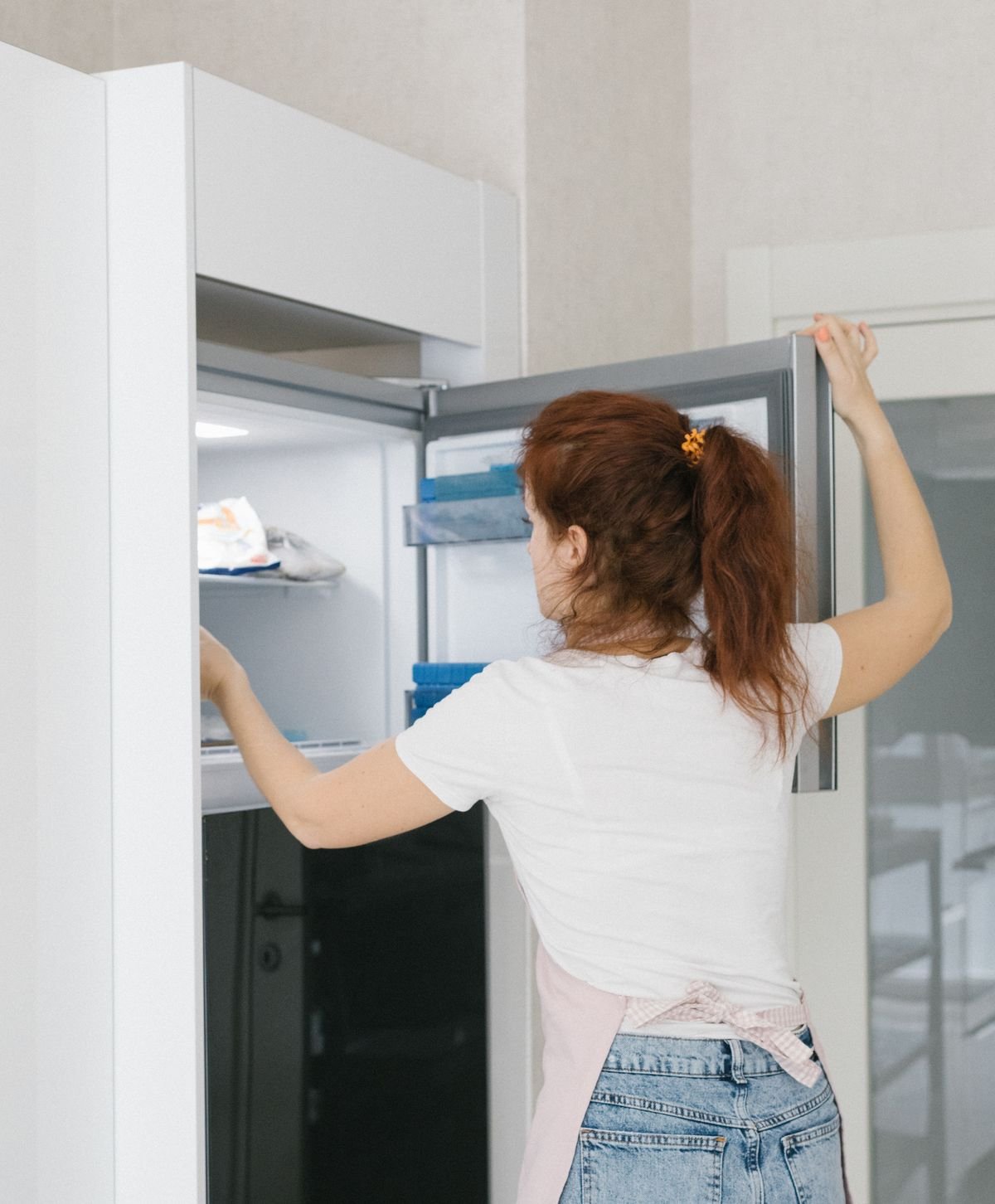
Every trash day, toss expired items and wipe one shelf. Five minutes weekly beats the dreaded quarterly deep-clean where you find science experiments.