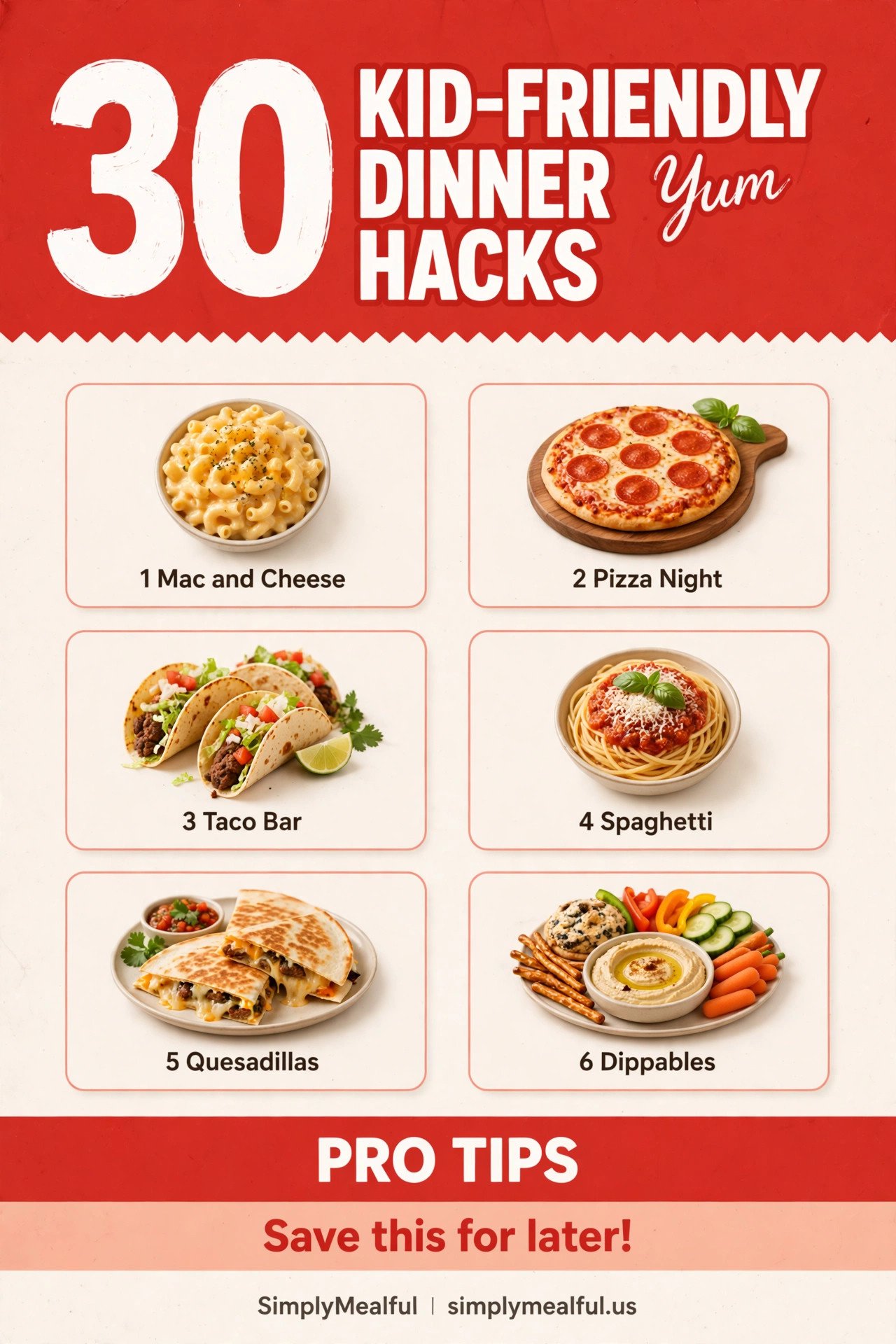
30 Kid-Friendly Dinner Hacks (No Complaints!)
Feeding kids shouldn’t be a nightly negotiation. These 30 hacks make dinners kids actually eat — with sneaky nutrition, fun formats, and zero short-order cooking — so the whole family finally eats the same meal.
1. Serve It Deconstructed
Serve It Deconstructed — Tacos, pasta, grain bowls — serve components separately and let kids assemble. Deconstructed meals end the ‘it’s touching!’ wars and everyone builds what they’ll eat.
2. Hide Vegetables in Sauces
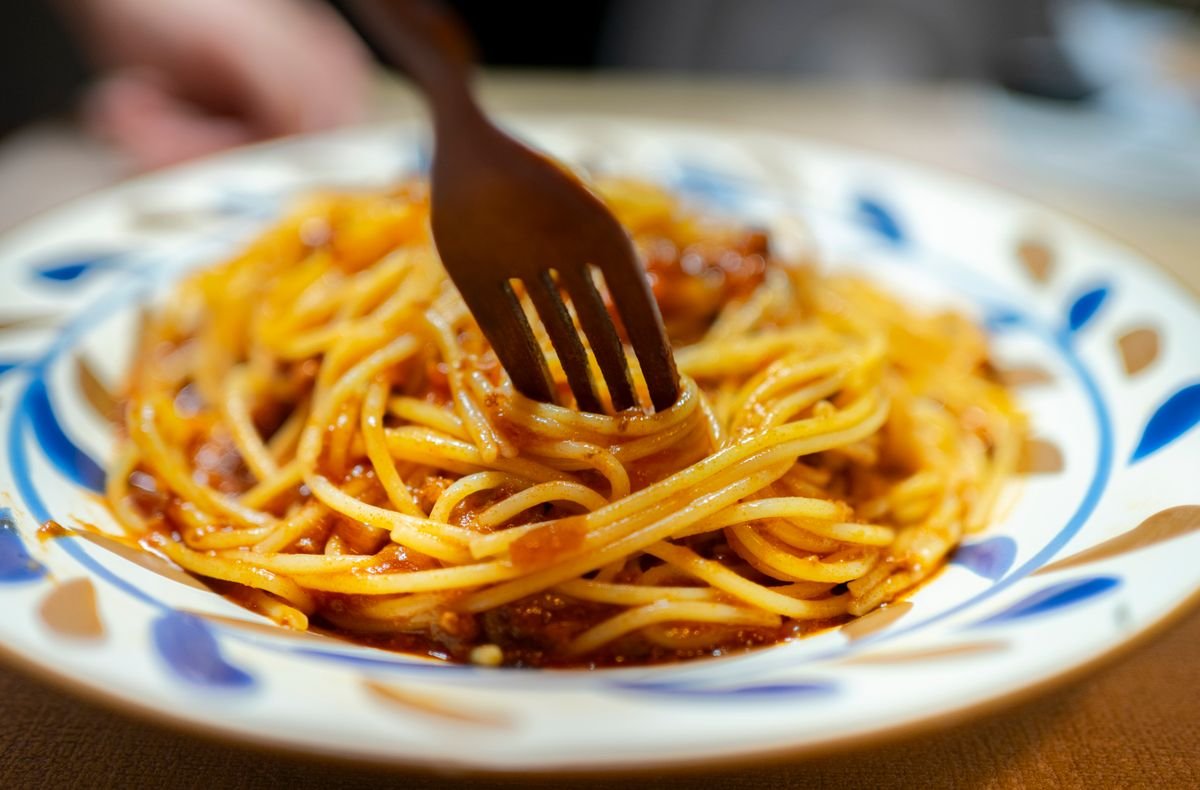
Hide Vegetables in Sauces — Blend carrots, zucchini and cauliflower into pasta sauce — kids taste only tomato and cheese. One blended sauce can carry a whole serving of vegetables invisibly.
3. Make It Dippable
Make It Dippable — Chicken strips, veggie sticks, quesadilla triangles — if kids can dip it, they’ll eat twice as much. Ranch, ketchup, hummus: the dip is the delivery system.
4. Use Fun Shapes
Use Fun Shapes — Cookie cutters turn sandwiches, quesadillas and pancakes into stars and dinosaurs. Shape doesn’t change flavor, but it changes willingness — presentation is persuasion.
5. Let Them Choose One Element
Let Them Choose One Element — Offer two vegetable options and let the child pick — autonomy ends power struggles. ‘Broccoli or carrots?’ works; ‘eat your vegetables’ doesn’t.
6. Blend Spinach into Smoothies and Sauces
Blend Spinach into Smoothies and Sauces — A handful of spinach disappears into berry smoothies and pesto. The color goes green but the flavor stays sweet — start small and build up.
7. Make Breakfast for Dinner
Make Breakfast for Dinner — Pancakes, eggs and breakfast burritos for dinner feel like a treat, not a compromise. Brinner is nutritionally solid and universally accepted — keep it in weekly rotation.
8. Involve Kids in Cooking
Involve Kids in Cooking — Kids eat what they make — stirring, tearing lettuce, sprinkling cheese. Even toddlers can wash vegetables; ownership turns skeptics into tasters.
9. Keep Flavors Mild, Add Heat at the Table
Keep Flavors Mild, Add Heat at the Table — Cook the family meal mild and let adults add hot sauce or chili flakes at the table. One base meal, two heat levels, zero extra cooking.
10. Use Familiar Formats
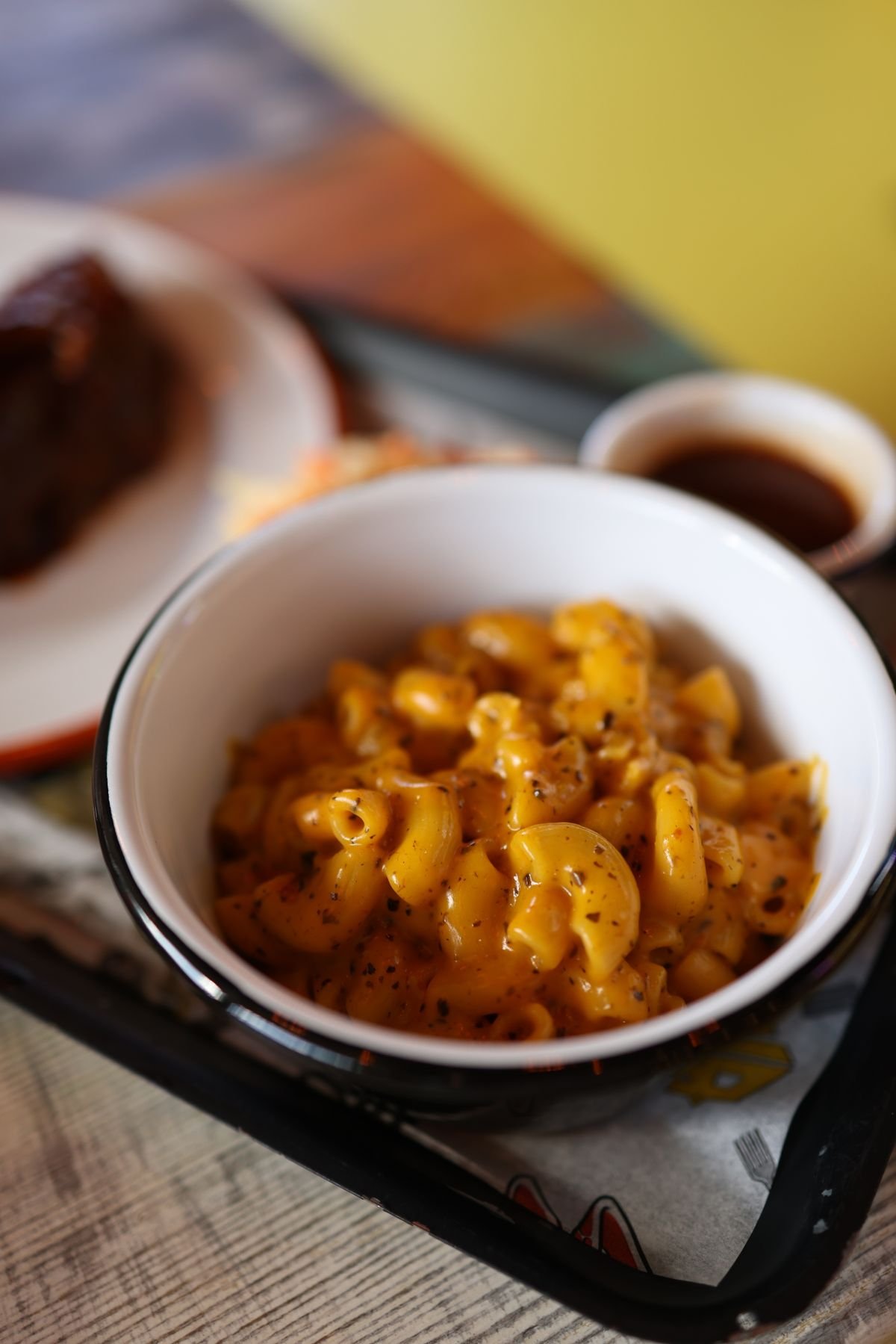
Use Familiar Formats — New ingredients succeed inside familiar formats — try cauliflower in mac and cheese, lentils in tacos, white beans in quesadillas. The format is the comfort zone.
11. Serve a ‘Safe’ Food Every Meal
Serve a ‘Safe’ Food Every Meal — Always include one thing you know they’ll eat — bread, fruit, plain pasta. The safe food lowers mealtime anxiety and they often try the new stuff once pressure’s off.
12. Make Mini Versions
Make Mini Versions — Mini meatloaves, mini pizzas, mini tacos — small food gets eaten. Kids engage with appropriately sized portions and the novelty factor does the rest.
13. Batch-Cook Freezer Favorites
Batch-Cook Freezer Favorites — Double batches of meatballs, chicken nuggets (homemade) and pasta sauce go in the freezer. Future busy nights get homemade food at drive-through speed.
14. Rename Dishes Playfully
Rename Dishes Playfully — ‘Power pasta,’ ‘dinosaur trees’ (broccoli), ‘x-ray carrots’ — silly names genuinely increase tasting. Marketing works on kids exactly like it works on adults.
15. Serve Vegetables First
Serve Vegetables First — Put the vegetable course out while dinner finishes — hungry kids graze on what’s available. Pre-dinner veggies get eaten; alongside-dinner veggies get negotiated.
16. Grate, Don’t Chop, Vegetables
Grate, Don’t Chop, Vegetables — Grated zucchini and carrots melt into meatballs, sauces and muffins invisibly. Chopped pieces get picked out; grated ones disappear into the dish.
17. Make Your Own Lunchables
Make Your Own Lunchables — Deli meat, cheese, crackers and fruit in a compartment box beats the packaged version nutritionally and costs a fraction. Kids love the assembly aspect.
18. Use Sweet Vegetables as Gateway
Use Sweet Vegetables as Gateway — Sweet potatoes, corn, peas and carrots are naturally kid-approved — lead with these while expanding the palate gradually. Sweet is the on-ramp to bitter greens.
19. Keep Textures Separate
Keep Textures Separate — Many ‘picky’ eaters are texture-sensitive, not flavor-picky. Serve sauce on the side, keep crunchy crunchy — respecting texture preferences ends half the battles.
20. Make Pizza Night DIY
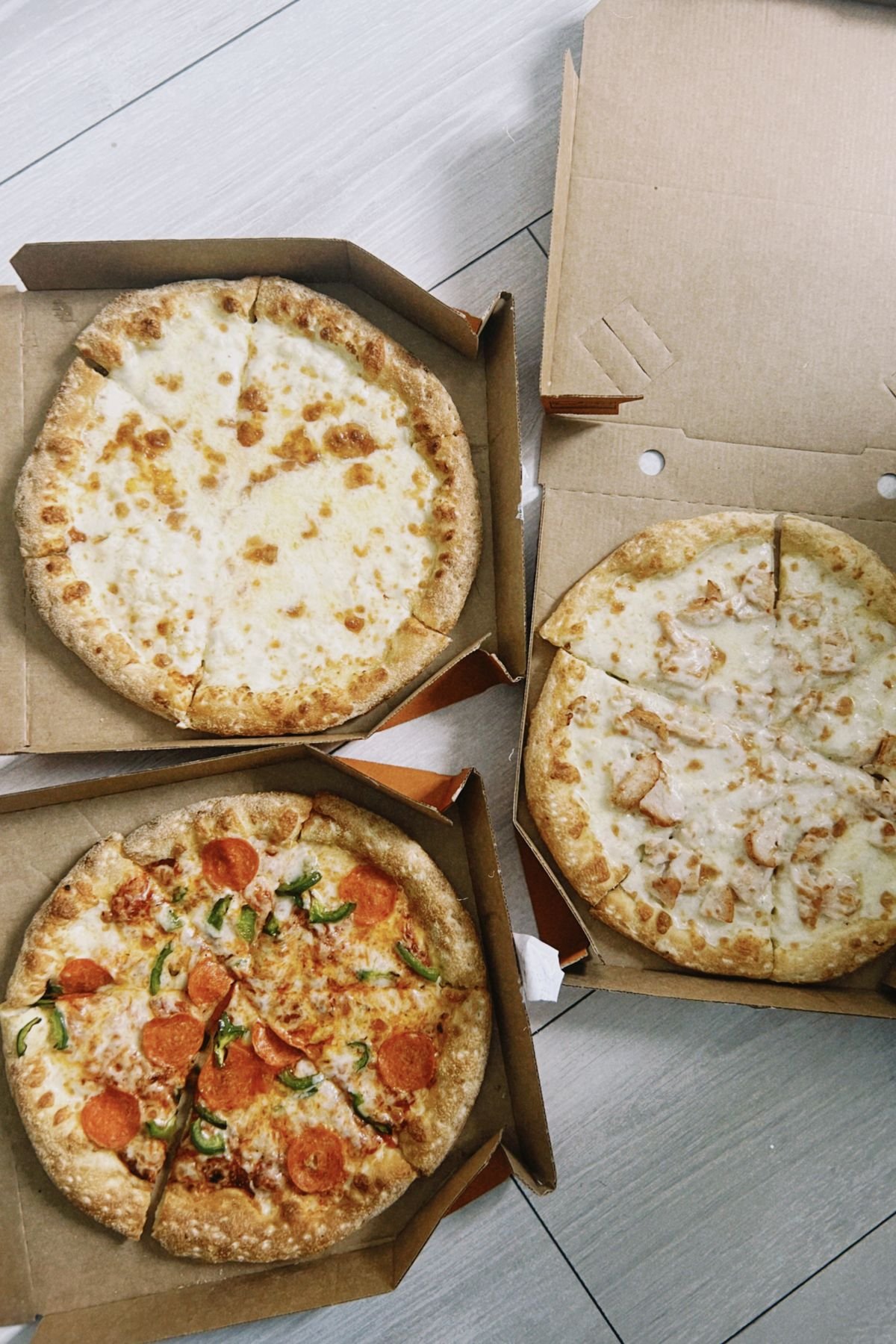
Make Pizza Night DIY — Dough (store-bought is fine), sauce, cheese, toppings bar — kids build their own and eat the evidence proudly. DIY dinner is entertainment and nutrition in one.
21. Freeze Smoothie Packs
Freeze Smoothie Packs — Portion fruit, spinach and yogurt into freezer bags — dump in the blender with milk for a 60-second nutritious side or breakfast. Prep once, blend all month.
22. Offer, Don’t Force
Offer, Don’t Force — Repeated low-pressure exposure works — it takes 10–15 tries for kids to accept new foods. Forcing creates aversions; offering creates familiarity.
23. Make It Colorful
Make It Colorful — A colorful plate (red peppers, corn, purple cabbage) attracts kids visually. ‘Eat the rainbow’ is a game they’ll play — and it happens to be great nutrition advice.
24. Cook Pasta in Broth
Cook Pasta in Broth — Boil pasta in chicken or vegetable broth instead of water — it absorbs savory flavor and a little nutrition with zero extra effort. Kids notice it tastes better.
25. Use Muffin Tins for Portions
Use Muffin Tins for Portions — A muffin tin with 6 different small foods is a tasting adventure — tiny portions feel low-commitment and kids sample more variety than from one big plate.
26. Make Quesadillas the Default
Make Quesadillas the Default — Quesadillas accept any filling — beans, chicken, vegetables, cheese — and take 5 minutes. It’s the most versatile kid dinner in existence; master it and weeknights are solved.
27. Serve Soup with Dunkers
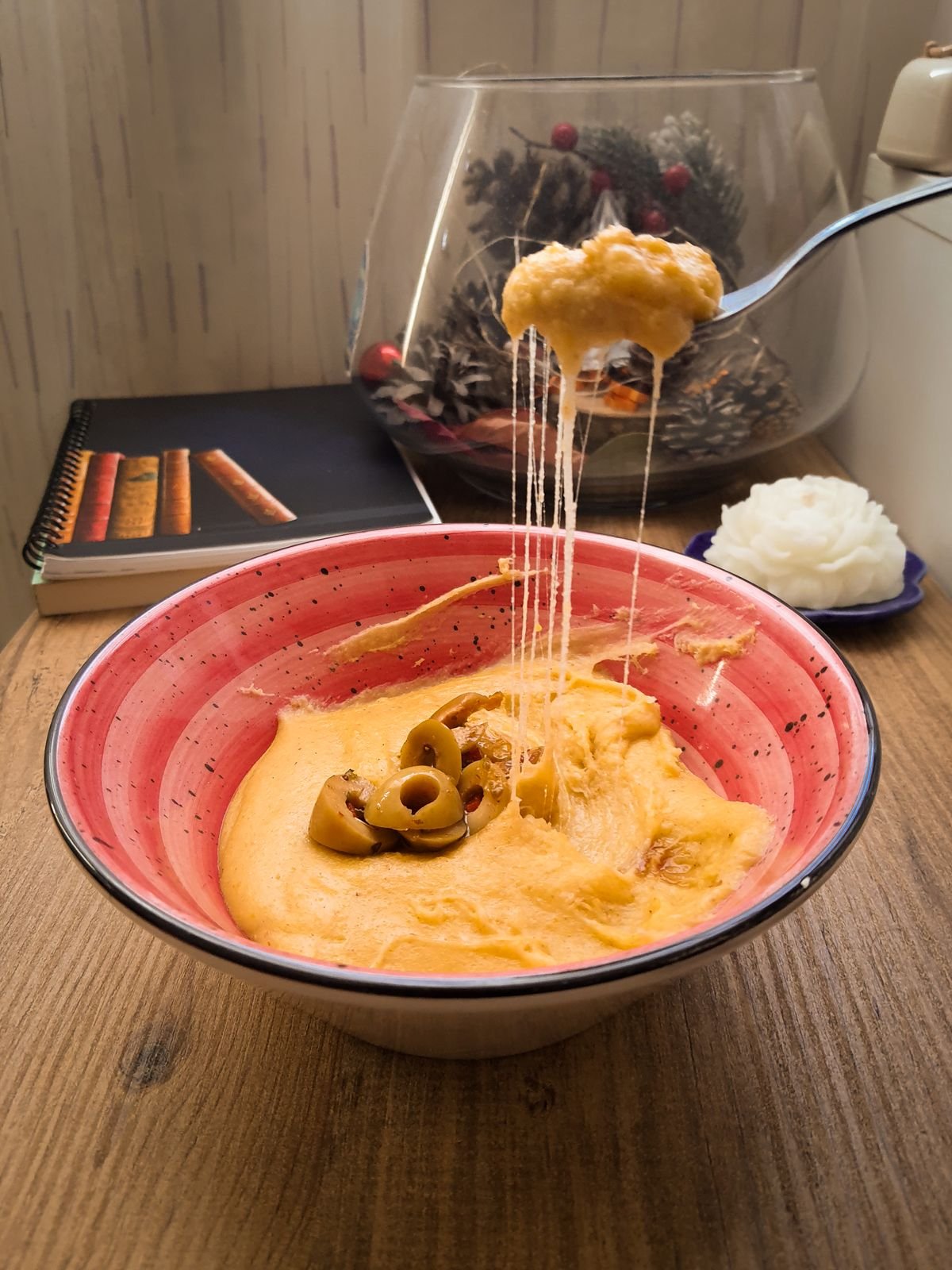
Serve Soup with Dunkers — Tomato soup with grilled cheese strips, chicken noodle with crusty bread — dunkable soup doubles consumption. The dunker is the hook.
28. Keep Dinner Timing Consistent
Keep Dinner Timing Consistent — Hungry-at-6 kids meltdown by 6:30 — consistent timing prevents hunger-fueled refusals. An overtired, over-hungry child rejects food they’d normally eat.
29. Celebrate Trying, Not Finishing
Celebrate Trying, Not Finishing — Praise the taste, not the clean plate — ‘you tried it!’ builds adventurous eaters. Pressure to finish teaches kids to ignore their own fullness cues.
30. Repeat Winners Weekly
Repeat Winners Weekly — When a meal gets devoured, put it in weekly rotation immediately — a reliable roster of 6–8 kid-approved dinners ends the nightly ‘what’s for dinner’ dread for everyone.