
Winter Slow Cooker Hacks – 30 Cozy Set-and-Forget Dinners
Winter is slow cooker season: cold nights, hearty stews, and a house that smells like dinner by the time you get home. These 30 winter slow cooker hacks cover layering, thickening, timing, and flavor, so every pot comes out rich, tender, and ready exactly when you need it.
1. Brown Meat Before It Goes In
Brown Meat Before It Goes In — Sear beef and pork in a hot pan for two minutes per side before adding it to the slow cooker. The browned crust adds deep flavor that eight hours of gentle cooking alone can never build.
2. Layer Root Vegetables at the Bottom
Layer Root Vegetables at the Bottom — Put potatoes, carrots, and onions underneath the meat so they sit closest to the heat. They cook through properly while the meat above stays moist and the juices drip down over them.
3. Use Less Liquid Than You Think
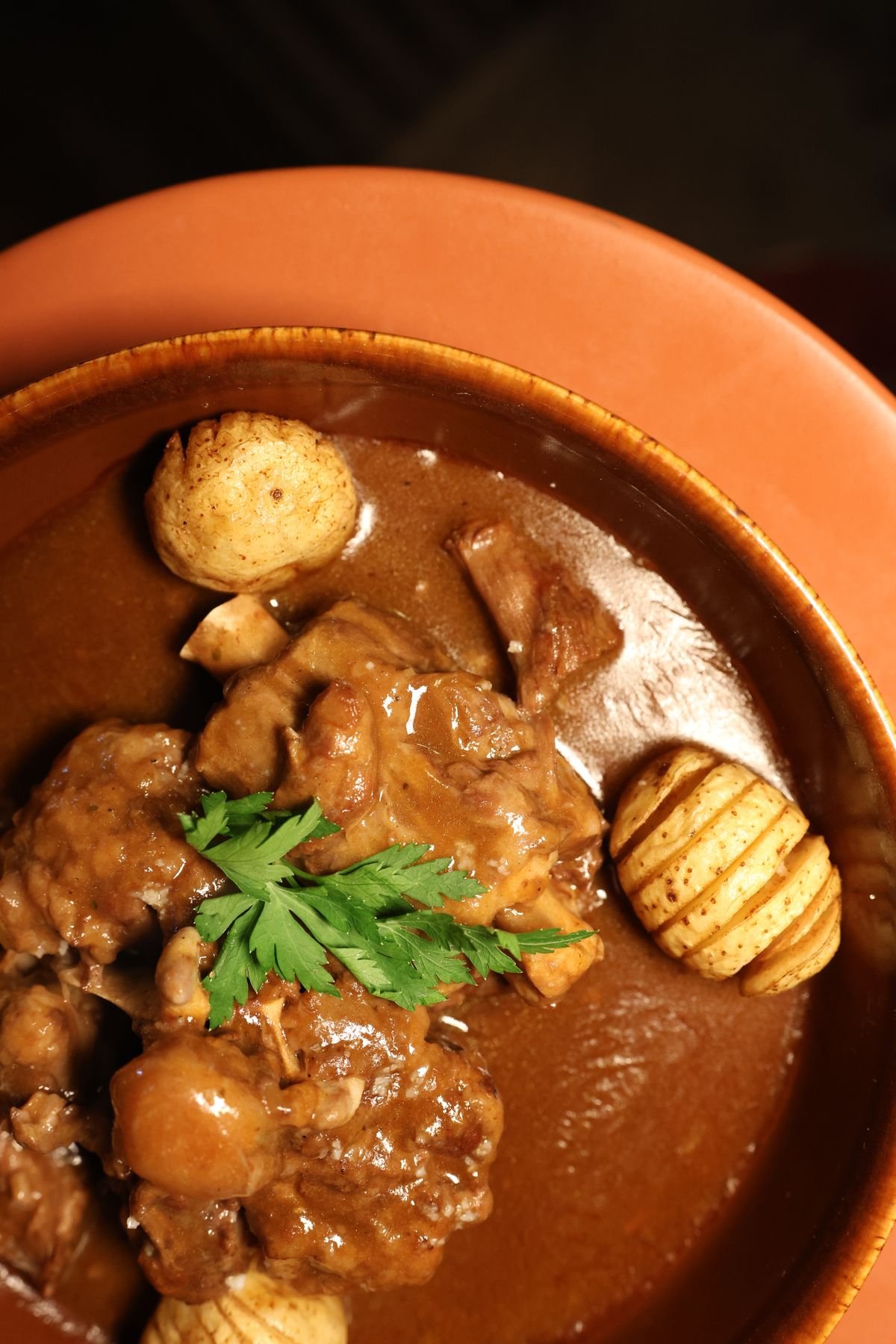
Use Less Liquid Than You Think — A slow cooker lid traps steam, so use about half the liquid a stovetop recipe calls for. Too much liquid is the number one reason winter stews turn watery and bland.
4. Add Dairy at the End
Add Dairy at the End — Stir cream, milk, or cheese in during the last 30 minutes, not at the start. Dairy curdles and splits after hours of heat, but added late it stays silky and rich.
5. Thicken with a Cornstarch Slurry
Thicken with a Cornstarch Slurry — Mix one tablespoon of cornstarch with two tablespoons of cold water and stir it in 30 minutes before serving. The sauce thickens into a glossy gravy without lumps or a floury taste.
6. Keep the Lid On
Keep the Lid On — Every time you lift the lid, the slow cooker loses up to 30 minutes of heat. Resist peeking and trust the timer, or your eight-hour dinner becomes a ten-hour one.
7. Cook Pasta Separately
Cook Pasta Separately — Boil pasta on the stove and stir it into the slow cooker at the end. Pasta cooked all day in the pot turns to mush, while separately cooked pasta stays firm and soaks up the sauce.
8. Use Parchment Under the Lid
Use Parchment Under the Lid — Lay a sheet of parchment paper between the pot and the lid when making bread or dumplings. It catches condensation so the top stays dry instead of soggy.
9. Freeze Dump Meals in Bags
Freeze Dump Meals in Bags — Fill a freezer bag with all the raw ingredients for one recipe and freeze it flat. On a busy winter morning, dump the frozen block straight into the cooker and dinner is handled.
10. Start on High, Finish on Low
Start on High, Finish on Low — Cook the first hour on high to bring everything up to temperature quickly, then switch to low for the remaining time. This is the safest way to cook when you are short on time in the morning.
11. Deglaze the Browning Pan
Deglaze the Browning Pan — After searing meat, pour a splash of stock or wine into the hot pan and scrape up the brown bits. Pour that liquid into the cooker and you have free flavor that would otherwise go down the drain.
12. Add Fresh Herbs Late
Add Fresh Herbs Late — Toss in parsley, thyme, or rosemary in the last 15 minutes. Delicate herbs lose all their flavor after hours of cooking, but added late they stay bright and fresh.
13. Make Stock from Winter Bones
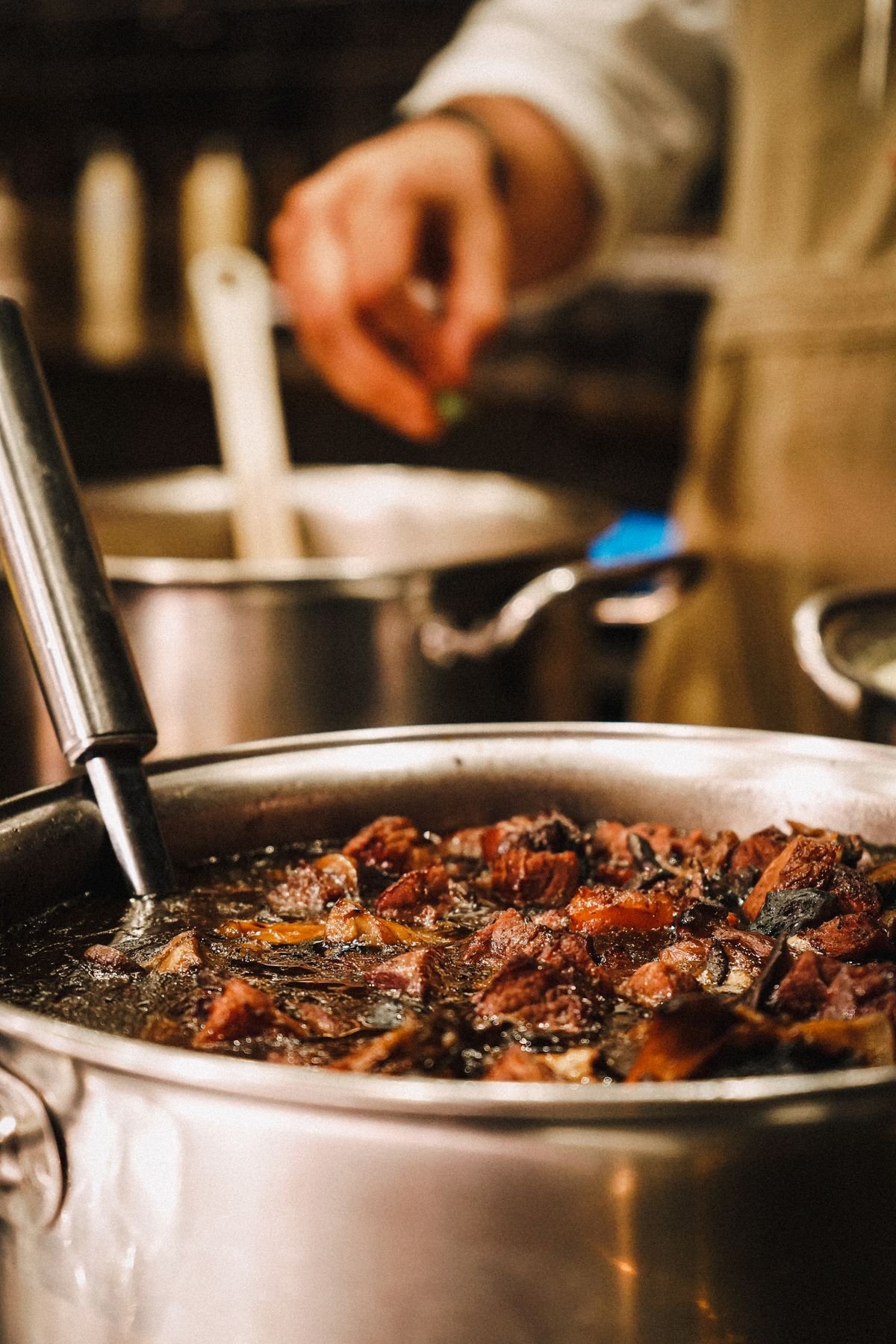
Make Stock from Winter Bones — Save chicken bones and vegetable scraps in a freezer bag, then cover with water and cook on low overnight. Strain in the morning and you have rich homemade stock for free.
14. Use a Tea Towel for Crispy Tops
Use a Tea Towel for Crispy Tops — Drape a clean tea towel under the lid when slow cooking bread or a crumble topping. The towel absorbs steam so the top crisps instead of turning damp.
15. Cook Dried Beans Without Soaking
Cook Dried Beans Without Soaking — Rinse dried beans and cook them on high for four hours in plenty of water. No overnight soak is needed, and they come out creamy and perfectly tender.
16. Shred Meat with Two Forks in the Pot
Shred Meat with Two Forks in the Pot — Leave the cooked meat in the pot and pull it apart with two forks right in the sauce. Shredding in the cooking liquid keeps the meat juicy instead of drying it out on a board.
17. Add a Splash of Vinegar at the End
Add a Splash of Vinegar at the End — Stir in a teaspoon of vinegar or lemon juice just before serving. The acidity wakes up flavors that have gone flat after hours of slow cooking.
18. Use Foil Balls to Lift a Roast
Use Foil Balls to Lift a Roast — Scrunch three balls of foil and set the roast on top of them. The meat cooks out of its own juices instead of boiling in them, so it roasts rather than steams.
19. Make Overnight Oats in the Cooker
Make Overnight Oats in the Cooker — Combine steel cut oats, water, and a pinch of salt in the cooker before bed and cook on low for eight hours. Breakfast is hot and ready the moment you wake up on a cold morning.
20. Line the Pot for Easy Cleanup
Line the Pot for Easy Cleanup — Use a slow cooker liner or a sheet of foil for sticky recipes like barbecue sauce or cheese dip. Cleanup becomes lifting out a bag instead of scrubbing a baked-on pot.
21. Cook Rice in the Slow Cooker
Cook Rice in the Slow Cooker — Combine one part rice with two parts water and cook on high for two hours. It frees up a hob ring on busy nights and the rice comes out fluffy and evenly cooked.
22. Turn Leftovers into Soup
Turn Leftovers into Soup — Tip leftover roast meat, vegetables, and their cooking juices into the cooker with stock and cook on low for four hours. Yesterday's roast becomes a completely new soup with almost no effort.
23. Add Potatoes Whole for Stew
Add Potatoes Whole for Stew — Drop small potatoes in whole instead of chopping them. They hold their shape through hours of cooking and you skip ten minutes of peeling and dicing.
24. Use the Warm Setting as a Buffet
Use the Warm Setting as a Buffet — Keep dips, meatballs, and mulled drinks on warm during a winter party. The cooker holds food at serving temperature for hours, so guests can help themselves all evening.
25. Make Apple Butter in a Batch
Make Apple Butter in a Batch — Fill the cooker with peeled apples, sugar, and cinnamon, and cook on low for ten hours. Blend it smooth and you have jars of apple butter that keep for weeks in the fridge.
26. Brown Onions First for Depth
Brown Onions First for Depth — Cook sliced onions in butter until golden before adding them to the pot. Raw onions stay sharp and pale in a slow cooker, while browned ones add sweetness and color.
27. Thaw Meat Before Slow Cooking
Thaw Meat Before Slow Cooking — Thaw meat in the fridge overnight before slow cooking it. Frozen meat spends too long in the danger zone in a slow cooker, so always start from thawed.
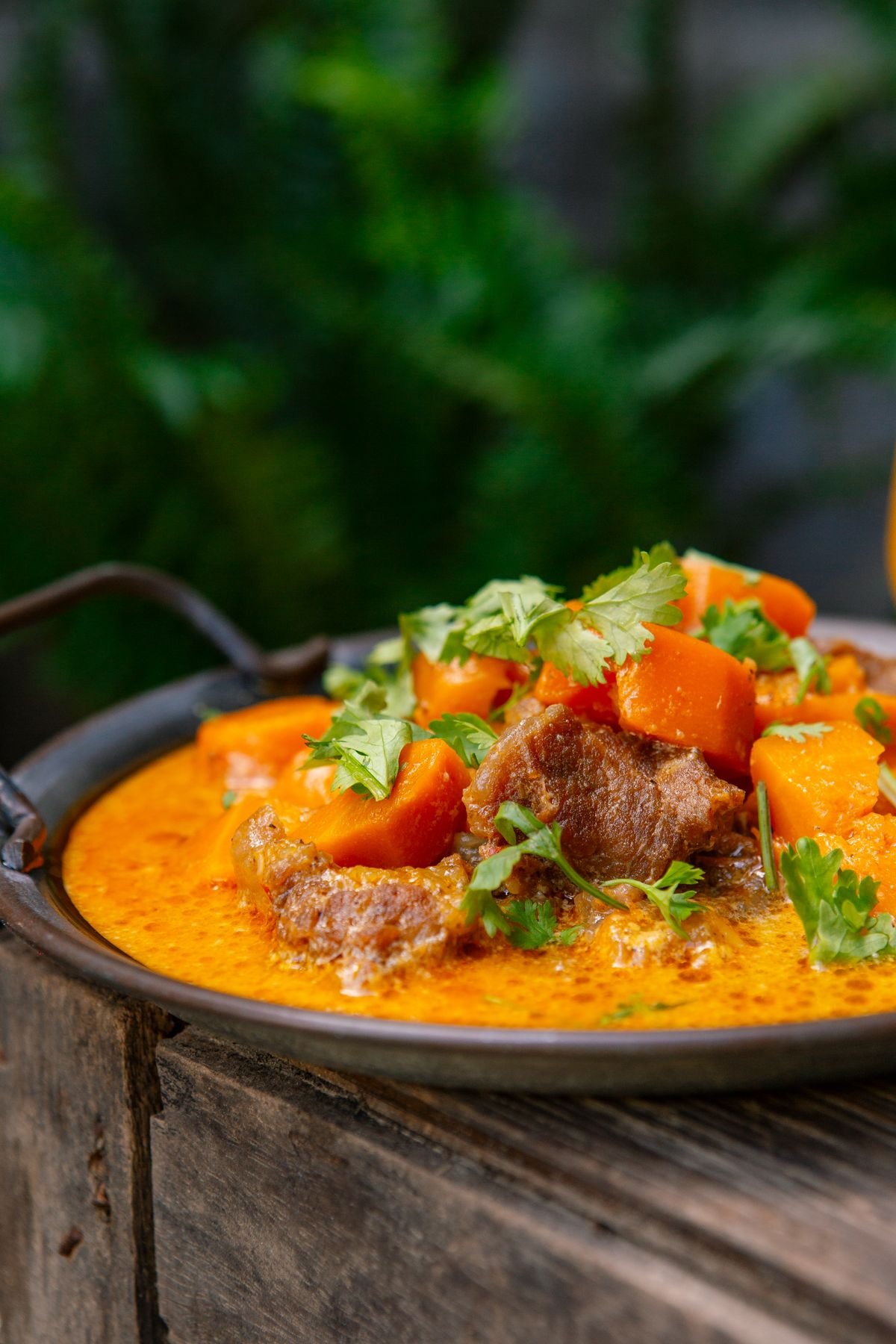
28. Use Coconut Milk for Creamy Curries
Use Coconut Milk for Creamy Curries — Add a tin of coconut milk in the last hour of cooking a curry. It stays smooth and rich, while milk or cream added early would split in the long heat.
29. Save the Cooking Liquid
Save the Cooking Liquid — Strain and freeze the liquid left after cooking a roast or stew. It is concentrated stock that makes the next soup or gravy taste like it cooked for hours.
30. Add Barley for Hearty Winter Soup
Add Barley for Hearty Winter Soup — Stir in pearl barley during the last hour of a vegetable or beef soup. It thickens the broth naturally and turns a light soup into a filling winter meal.