
Winter Slow Cooker Soup Hacks – 30 Cozy Bowls, Almost No Effort
A slow cooker is the best friend of winter cooking: load it in the morning, come home to a house that smells like dinner. These 30 winter slow cooker soup hacks cover dump-and-go recipes, thickening tricks, and the small moves that turn a good soup into a great one.
1. Brown the Meat First
Brown the Meat First — Sear stew meat in a hot pan before it goes into the slow cooker. Browning builds deep flavor that slow cooking alone cannot create, and it takes only five minutes.
2. Add Dairy at the End
Add Dairy at the End — Stir cream, milk, or cheese into soup in the last thirty minutes. Dairy curdles if it cooks all day, but added at the end it stays silky and rich.
3. Layer Root Vegetables at the Bottom
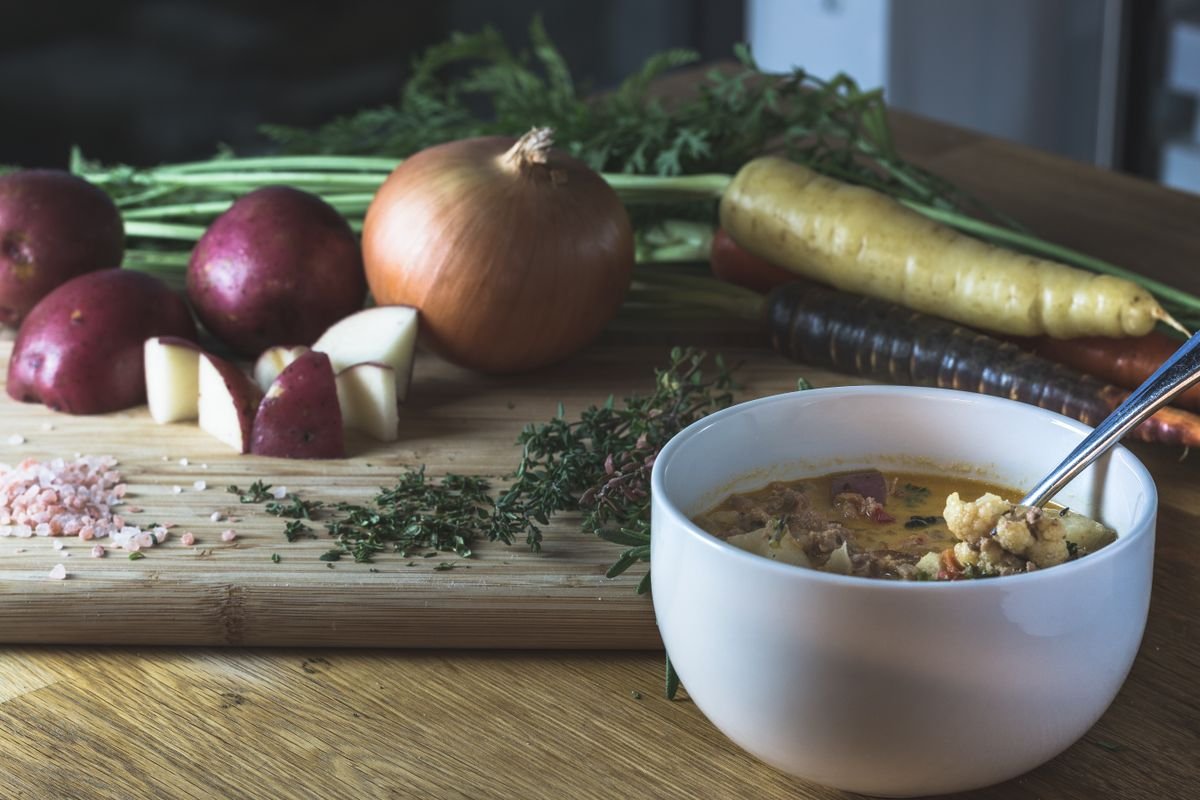
Layer Root Vegetables at the Bottom — Put potatoes, carrots, and onions at the bottom of the pot, under the meat. The bottom is the hottest zone, so hard vegetables cook through while the meat stays tender on top.
4. Use Less Liquid Than the Stovetop
Use Less Liquid Than the Stovetop — Slow cookers do not evaporate liquid, so use a cup less broth than a stovetop recipe calls for. Too much liquid is the most common slow cooker soup mistake.
5. Thicken with a Cornstarch Slurry
Thicken with a Cornstarch Slurry — Whisk a tablespoon of cornstarch with cold water and stir it in thirty minutes before serving. The slurry thickens the soup without changing its flavor, and it works on any thin soup.
6. Cook Pasta Separately
Cook Pasta Separately — Cook noodles on the stove and add them to bowls, not the pot. Pasta cooked all day in a slow cooker turns to mush, but pasta added at serving stays springy.
7. Make Chicken Noodle the Easy Way
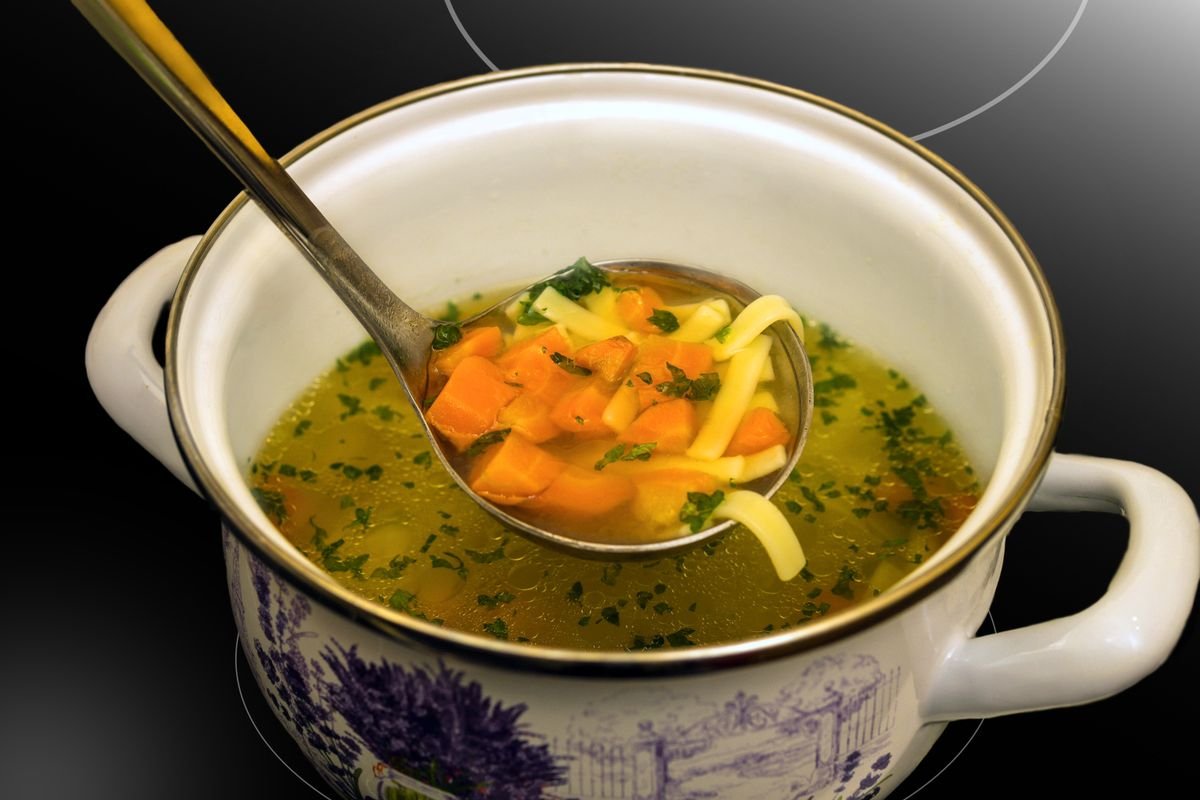
Make Chicken Noodle the Easy Way — Drop a whole chicken, carrots, celery, and onion into the pot with water and cook on low for eight hours. Shred the meat, add noodles, and you have the classic soup with ten minutes of work.

8. Add Fresh Herbs at the End
Add Fresh Herbs at the End — Stir in fresh parsley, dill, or basil in the last ten minutes. Long cooking kills fresh herbs, but a late addition keeps them bright and fragrant.
9. Use Dried Beans, Not Canned
Use Dried Beans, Not Canned — Add dried beans directly to the slow cooker with enough liquid and they cook perfectly in eight hours. Dried beans are cheaper than canned and they hold their shape better in soup.
10. Freeze Soup in Flat Bags
Freeze Soup in Flat Bags — Pour cooled soup into freezer bags, lay them flat, and freeze. Flat bags stack neatly, thaw fast, and turn one big batch into a month of lunches.
11. Make Tomato Soup with Canned Tomatoes
Make Tomato Soup with Canned Tomatoes — Combine canned tomatoes, onion, garlic, and broth in the slow cooker for four hours, then blend. Canned tomatoes make a rich soup in winter when fresh ones are pale and flavorless.
12. Add a Parmesan Rind
Add a Parmesan Rind — Drop a parmesan rind into the pot while the soup cooks and fish it out before serving. The rind melts into the broth and adds a savory depth that tastes like the soup cooked for days.

13. Cook Lentil Soup on Low
Cook Lentil Soup on Low — Simmer lentils with carrots, onion, and cumin on low for six hours. Lentils are the most forgiving slow cooker soup — they never overcook into mush the way beans can.
14. Deglaze the Pan into the Pot
Deglaze the Pan into the Pot — After browning meat, pour a splash of broth into the pan and scrape up the browned bits, then add it all to the slow cooker. Those browned bits are pure flavor, and they belong in the soup.
15. Add Greens in the Last Hour
Add Greens in the Last Hour — Stir kale or spinach into the soup in the final hour. Greens added early turn gray and slimy, but a late addition keeps them vivid and tender.
16. Use a Liner for Easy Cleanup
Use a Liner for Easy Cleanup — Line the slow cooker with a slow cooker liner before adding ingredients. Cleanup becomes lifting out a bag instead of scrubbing a ceramic pot for twenty minutes.
17. Make Bean Soup with a Ham Bone
Make Bean Soup with a Ham Bone — Drop a leftover ham bone into the pot with beans, carrots, and onion. The bone flavors the whole soup, and the meat falls off it by dinnertime.
18. Thicken with Mashed Potato Flakes
Thicken with Mashed Potato Flakes — Stir in a handful of instant mashed potato flakes to thicken a thin soup. The flakes dissolve invisibly, add body, and are faster than a roux.
19. Cook Rice Separately Too
Cook Rice Separately Too — Serve slow cooker soup over rice cooked on the stove. Rice cooked in the pot absorbs all the broth and turns soup into porridge, but rice on the side stays distinct.
20. Add a Splash of Vinegar at the End
Add a Splash of Vinegar at the End — Stir in a teaspoon of vinegar or lemon juice just before serving. Acidity brightens a long-cooked soup instantly, and it is the difference between flat and flavorful.
21. Make Mushroom Soup with Dried Mushrooms
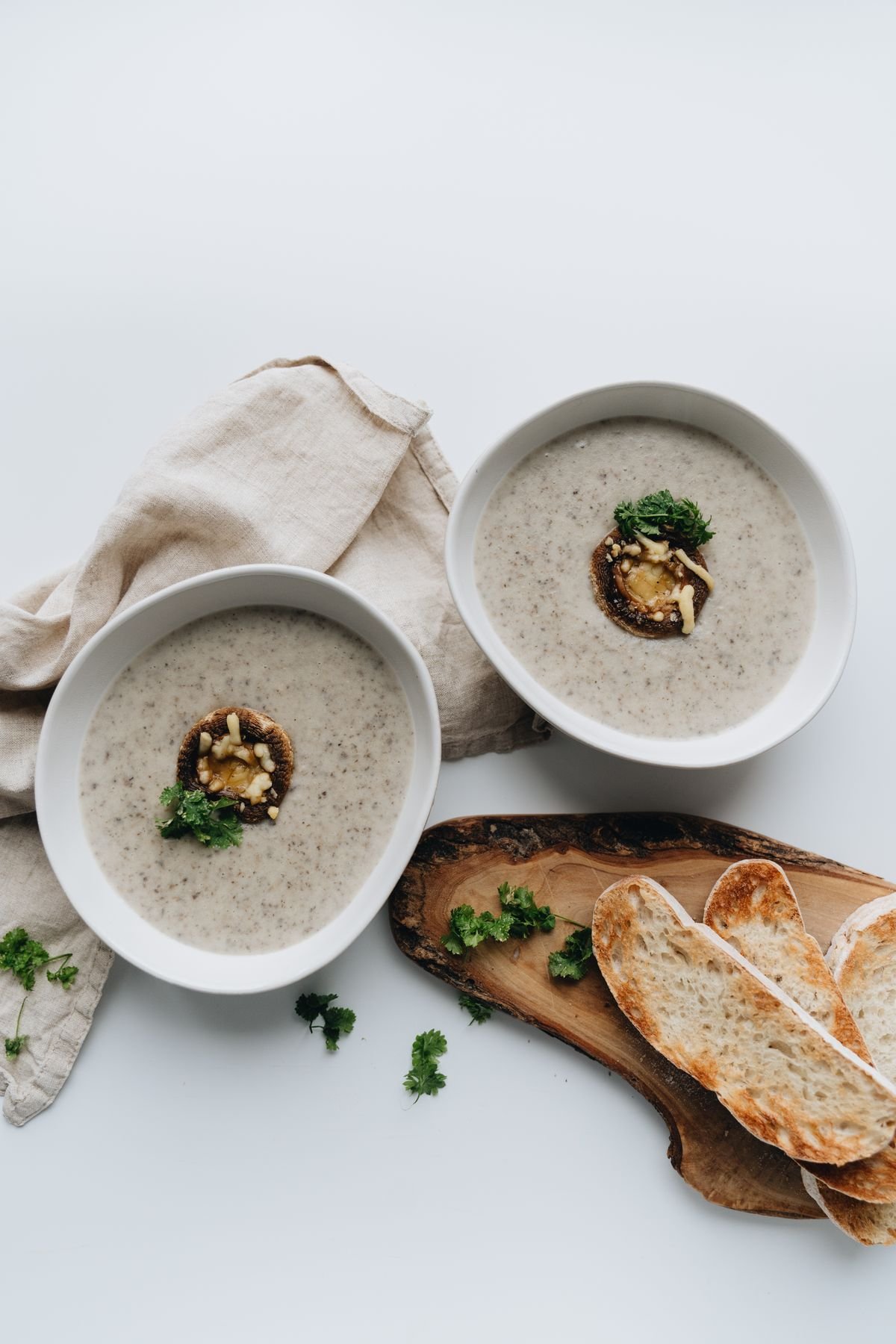
Make Mushroom Soup with Dried Mushrooms — Soak dried mushrooms in hot water, then add both mushrooms and soaking liquid to the pot. Dried mushrooms have deeper flavor than fresh ones, and their soaking liquid is liquid gold.
22. Use the Keep Warm Setting
Use the Keep Warm Setting — Switch the cooker to warm once the soup is done instead of letting it cook on. Keep-warm holds soup at serving temperature for hours without overcooking it.
23. Make a Big Batch and Freeze Half
Make a Big Batch and Freeze Half — Double every soup recipe and freeze half in meal-size bags. A slow cooker batch is barely more work than a single pot, and the frozen half is a free dinner later.
24. Add Coconut Milk for Creaminess
Add Coconut Milk for Creaminess — Stir a can of coconut milk into lentil or vegetable soup in the last hour. Coconut milk adds richness without dairy, and it pairs beautifully with curry spices.
25. Cook Beef Stew Low and Slow
Cook Beef Stew Low and Slow — Cook beef stew on low for eight hours, not high for four. Low heat breaks down tough meat gently, and the difference in tenderness is dramatic.
26. Add Barley for Hearty Texture
Add Barley for Hearty Texture — Stir pearl barley into beef or vegetable soup at the start. Barley thickens the soup as it cooks and adds a chewy, satisfying texture that makes soup feel like a meal.
27. Taste and Season at the End
Taste and Season at the End — Hold the salt until the last thirty minutes. Long cooking concentrates flavors, and salting early risks an over-salted soup that cannot be fixed.
28. Use Frozen Vegetables for Speed
Use Frozen Vegetables for Speed — Dump frozen mixed vegetables straight into the pot — no chopping needed. Frozen vegetables are picked at peak freshness, and they hold up better in long cooking than fresh ones.
29. Make Pozole with Hominy
Make Pozole with Hominy — Simmer pork with hominy, chili, and garlic on low for eight hours. Pozole is the ultimate slow cooker soup — it needs time, and the slow cooker gives it exactly that.
30. Serve Soup with Good Bread
Serve Soup with Good Bread — Warm a loaf of crusty bread in the oven while the soup finishes. Soup plus bread is a complete winter dinner, and warm bread is the part everyone remembers.