
30 Winter Soup Hacks for Cozy, Flavor-Packed Bowls
Great winter soup is about layering flavor, not simmering forever. These 30 hacks fix thin broth, bland vegetables, gummy noodles and sad leftovers — so every bowl lands rich, silky and satisfying.
1. Brown the Meat in the Pot First
Brown the Meat in the Pot First — Sear beef, chicken or sausage directly in the soup pot before adding liquid — the browned bits (fond) on the bottom dissolve into the broth and add a depth no bouillon can fake. Deglaze with a splash of water or wine, scraping up every bit.
2. Roast Vegetables Before They Hit the Broth
Roast Vegetables Before They Hit the Broth — Toss carrots, onions, celery and garlic with oil and roast at 425°F for 25 minutes before adding to the pot. Roasting caramelizes their sugars, so the soup tastes sweeter and deeper than boiled-vegetable versions.
3. Toast the Spices in Oil
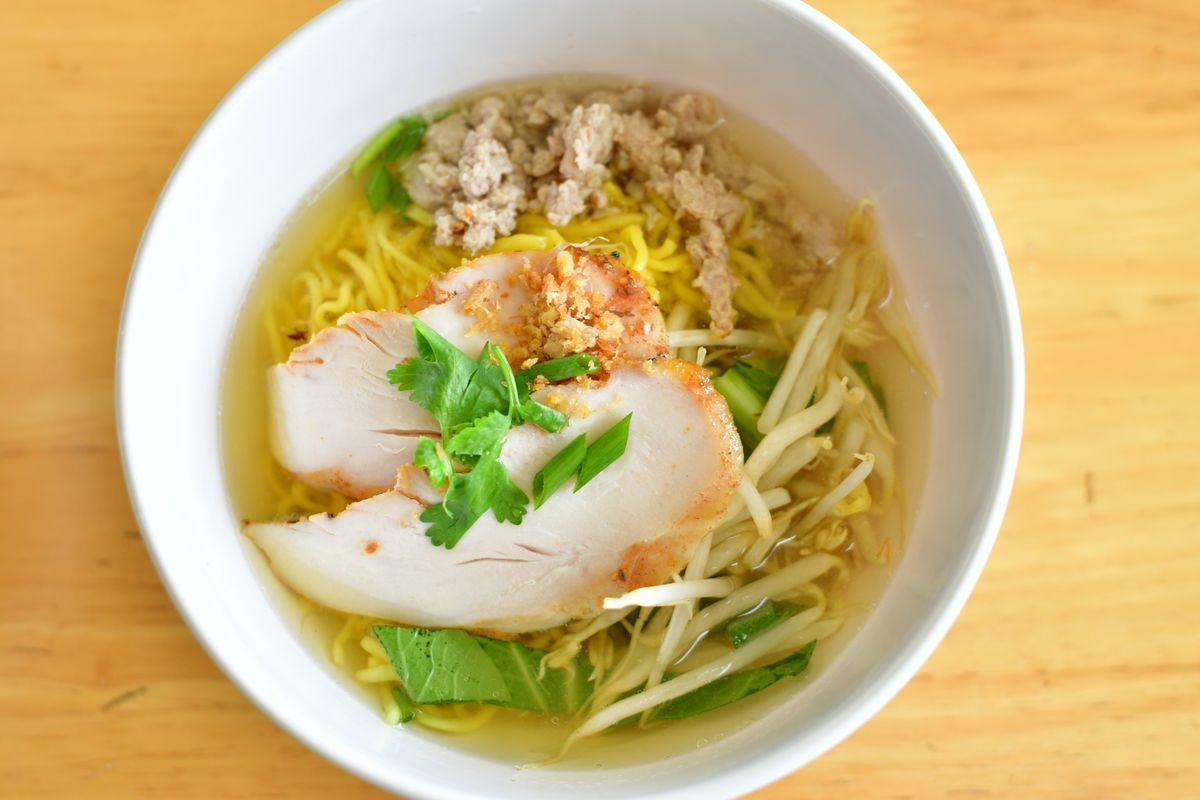
Toast the Spices in Oil — Add cumin, paprika, curry powder or chili flakes to the hot oil for 30 seconds before the liquid goes in. Heat blooms fat-soluble flavors in the spices — raw spice dumped into broth just tastes dusty.
4. Use a Parmesan Rind
Use a Parmesan Rind — Toss the hard rind of a Parmesan wedge into any simmering soup and fish it out before serving. It melts into the broth adding savory umami and body. Save rinds in the freezer for exactly this.
5. Finish with an Acid, Not More Salt
Finish with an Acid, Not More Salt — When soup tastes flat, squeeze in lemon juice or a teaspoon of vinegar before reaching for more salt. Acid wakes up all the other flavors — most pots need this step and most cooks skip it.
6. Blend Half, Not All
Blend Half, Not All — For creamy-without-cream texture, blend only half the pot and stir it back in. You keep some chunky vegetables for bite while the blended portion thickens the broth into something luxurious.
7. Add a Spoonful of Miso Off the Heat
Add a Spoonful of Miso Off the Heat — Stir 1–2 tablespoons of miso paste into the finished pot after it drops below a boil. Miso’s delicate fermented flavor dies at high heat but adds incredible savory depth when stirred in last.
8. Freeze Soup in Muffin Tins First
Freeze Soup in Muffin Tins First — Portion leftover soup into silicone muffin tins, freeze, then bag the pucks. Each puck is one perfect serving that thaws in minutes — no wrestling a giant frozen block.
9. Cook Noodles Separately
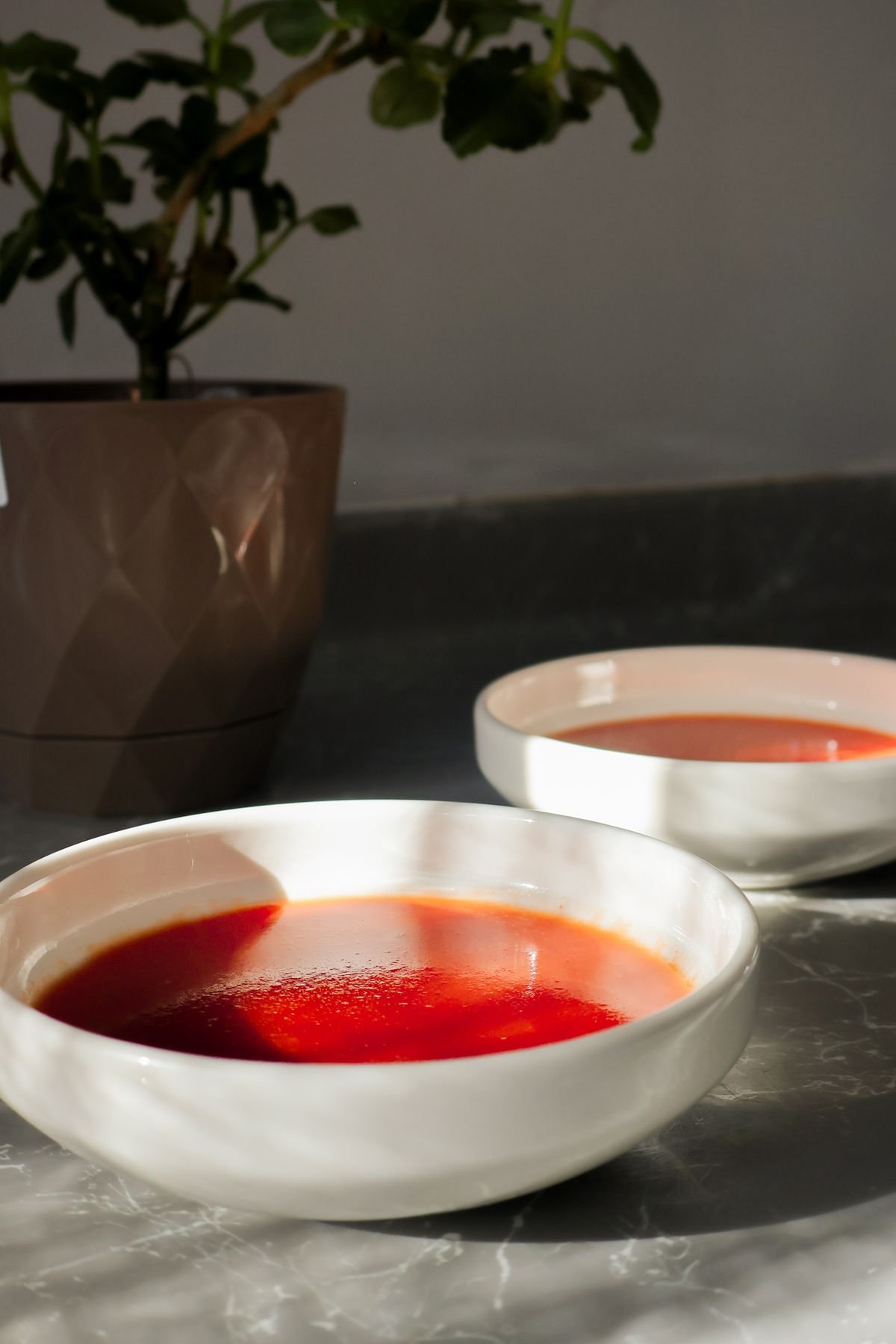
Cook Noodles Separately — Boil pasta or noodles in a separate pot and add to each bowl at serving. Noodles left simmering in the soup turn bloated and gummy, and they drink up all the broth overnight.
10. Drop in a Whole Onion, Then Remove It
Drop in a Whole Onion, Then Remove It — Simmer a peeled whole onion in the broth for sweetness and body, then lift it out before serving. It acts like a flavor sponge — you get the depth without onion pieces in the bowl.
11. Add Greens at the Very End
Add Greens at the Very End — Stir spinach, kale or chard into the pot in the last 2–3 minutes of cooking. They wilt perfectly but stay bright green and keep their texture instead of cooking down to swampy gray.
12. Freeze Fresh Herbs in Broth Cubes
Freeze Fresh Herbs in Broth Cubes — Chop leftover dill, parsley or thyme, pack into ice cube trays, top with broth and freeze. Drop a cube straight into any simmering pot for fresh-herb flavor with zero chopping.
13. Thicken with Mashed White Beans
Thicken with Mashed White Beans — Blend a can of cannellini beans into thick soups instead of using flour or cream. They add silkiness, protein and fiber with no dairy — nobody will guess the secret.
14. Toast Barley or Rice Before Adding
Toast Barley or Rice Before Adding — Give grains a 2-minute dry toast in the pot before pouring in broth. Toasting firms their texture and adds a nutty note, and it keeps them from going mushy as fast.
15. Use Two Broths, Not One
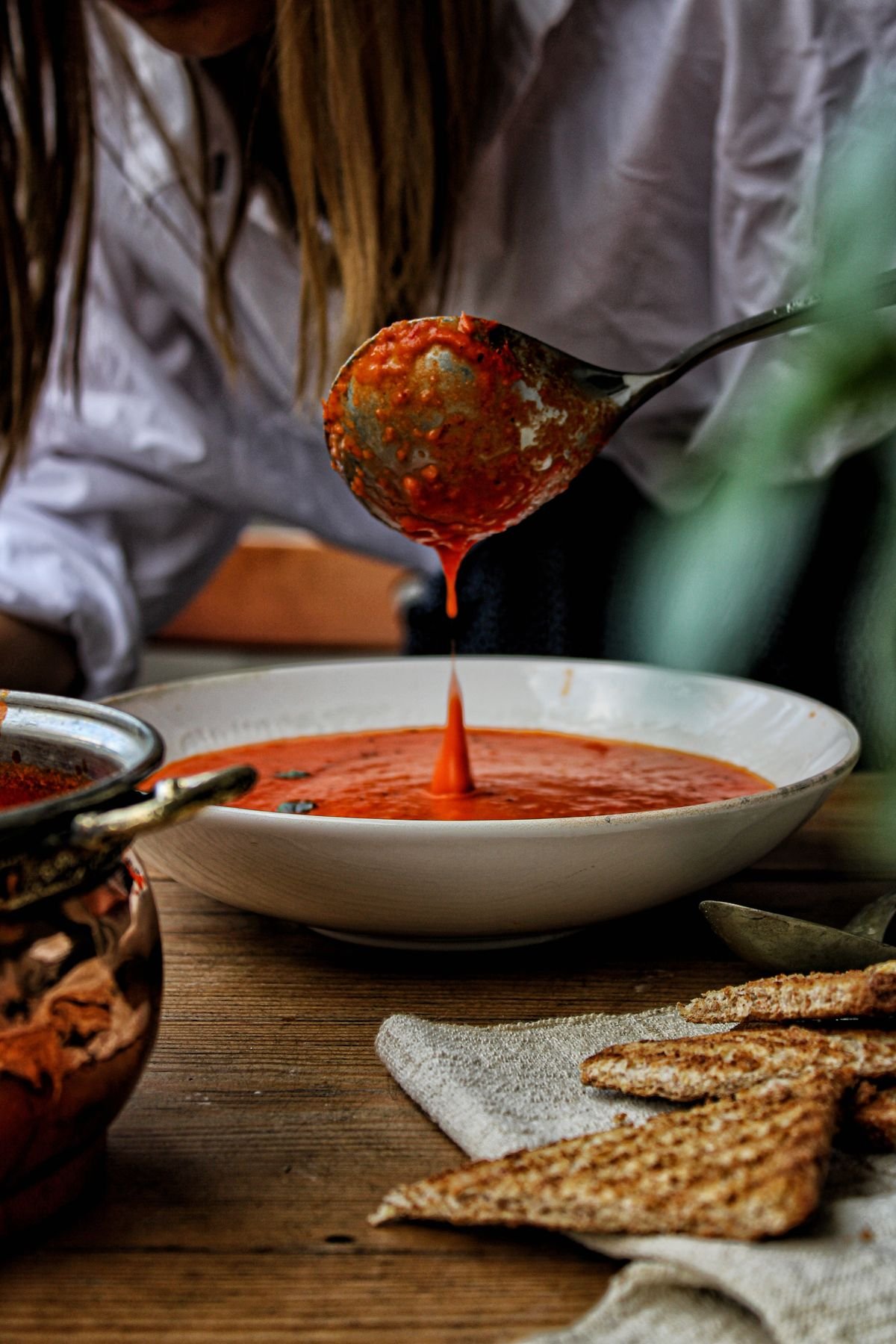
Use Two Broths, Not One — Mix chicken broth with beef broth, or broth with a splash of vegetable stock. Blending broths builds complexity the way a single carton never can — half-and-half is a great starting ratio.
16. Chill and Skim for a Cleaner Pot
Chill and Skim for a Cleaner Pot — Refrigerate the pot overnight, then lift off the solidified fat cap in the morning. This gives you a cleaner-tasting soup and you can spoon the saved fat back only as much as you want.
17. Add Potatoes for Accidental Oversalting
Add Potatoes for Accidental Oversalting — Tossed in an extra salty pinch? Simmer quartered potatoes in the pot for 15 minutes and remove them. They absorb a surprising amount of salt — it won’t fix a salt bomb, but it saves a mildly salty batch.
18. Simmer, Never Boil, Dairy Soups
Simmer, Never Boil, Dairy Soups — Once cream, milk or cheese goes in, keep the pot at a bare simmer with tiny bubbles. A rolling boil splits dairy and leaves grainy curdled soup — gentle heat keeps it silky.
19. Grate Garlic on a Microplane
Grate Garlic on a Microplane — Microplane-grated garlic dissolves completely into broth in under a minute, distributing flavor everywhere. Minced garlic floats in visible chunks and can bite raw in the middle.
20. Save Pasta Water for the Pot
Save Pasta Water for the Pot — That starchy pasta water is liquid gold for soup — a cup of it thickens broth naturally and helps it cling to noodles. Always scoop some out before draining.
21. Layer Salt at Every Stage
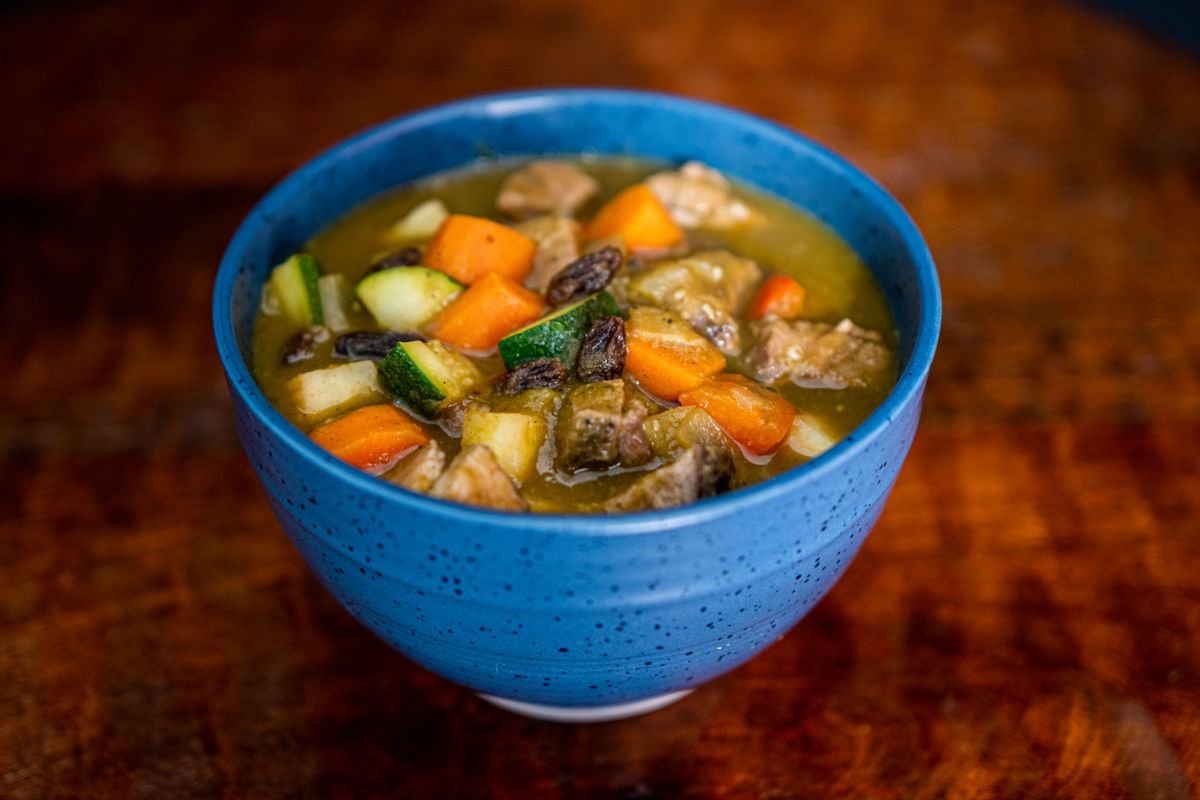
Layer Salt at Every Stage — Salt the aromatics as they sweat, salt after the broth goes in, then adjust at the end. Seasoning in layers builds flavor through the pot instead of tasting salty only on top.
22. Add a Bay Leaf Early, Remove It Late
Add a Bay Leaf Early, Remove It Late — Bay leaves need 20+ minutes to give up their flavor — add at the start with the broth, not near the end. One leaf per pot is plenty; fish it out before blending or serving.
23. Freeze Rice Separately for Reheating
Freeze Rice Separately for Reheating — Store cooked rice in its own container and add a scoop to each reheated bowl. Rice stored in soup turns to mush by day two and soaks up all your broth.
24. Stir in Frozen Peas Last
Stir in Frozen Peas Last — Frozen peas, corn or edamame only need the last 3 minutes of simmering. They bring sweet, bright contrast to heavy winter soups and won’t get wrinkled or gray.
25. Make a Parmesan Crisp Lid
Make a Parmesan Crisp Lid — Grate Parmesan into thin rounds on a baking sheet, bake 5 minutes at 400°F, and float one on each bowl. It looks restaurant-fancy, adds salty crunch, and takes almost no effort.
26. Double the Aromatics
Double the Aromatics — Most recipes under-shoot onion, carrot and celery — use double what the card says. Aromatics are the flavor foundation of every soup; this single change fixes more bland pots than anything else.

27. Deglaze with Wine or Beer
Deglaze with Wine or Beer — After sautéing aromatics, pour in a half cup of wine or lager and scrape the browned bits loose. The alcohol cooks off in minutes and leaves behind malty, caramel depth.
28. Add a Smoked Ingredient for Backbone
Add a Smoked Ingredient for Backbone — A smoked sausage link, a ham hock, or a teaspoon of smoked paprika gives lentil and bean soups a meaty depth that tricks everyone into thinking they simmered for hours.
29. Serve Bread in the Bowl
Serve Bread in the Bowl — Lay a thick slice of toasted bread across each bowl and ladle soup over it. The bread soaks up broth from underneath while the top stays crisp — ribollita-style, zero extra dishes.
30. Log Your Final Seasoning
Log Your Final Seasoning — Keep a tiny notebook or phone note of exactly what you added at the end (how much lemon, how much salt). Winter soup repeats are the best meals — your notes make the next pot identical or better.