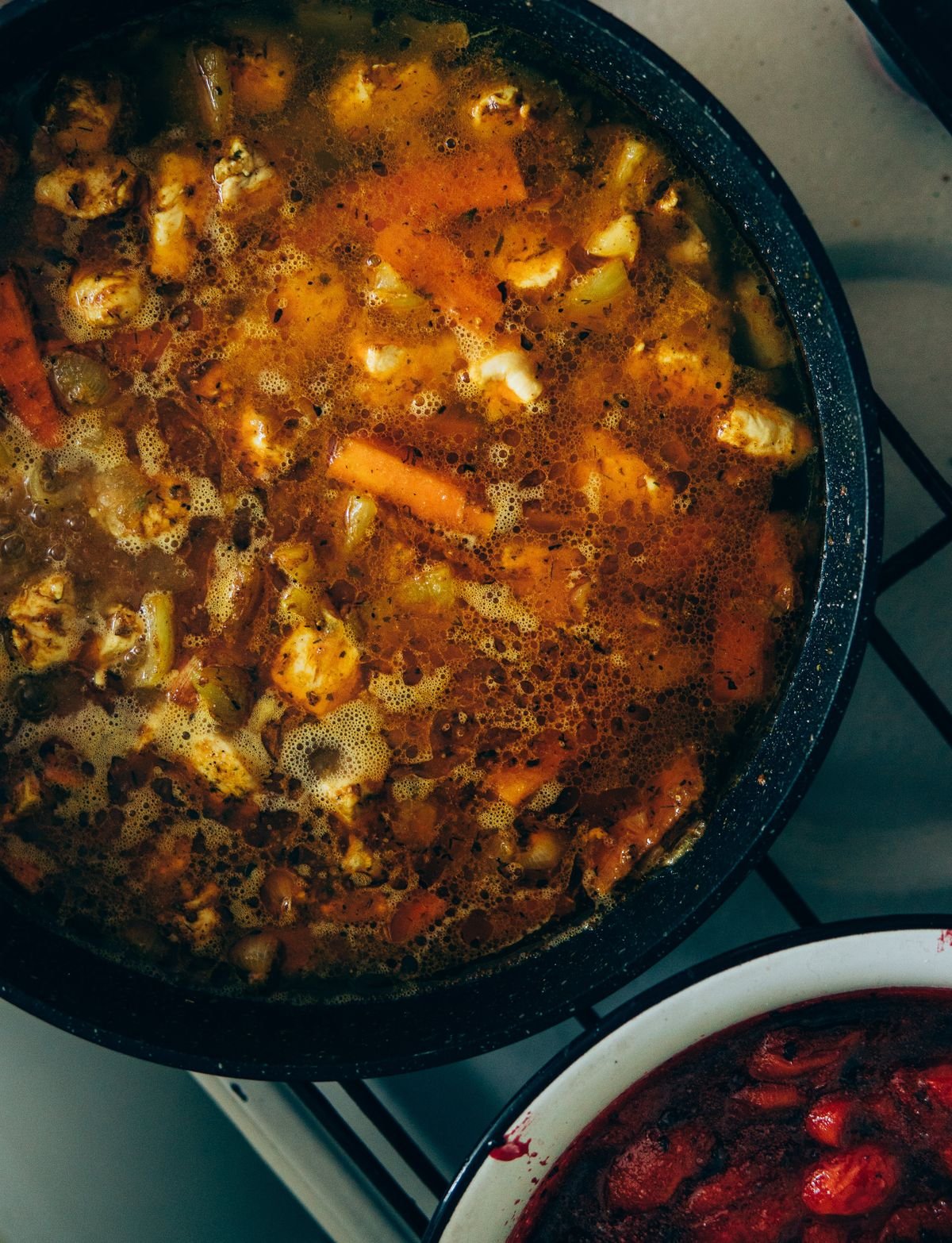
25 Dutch Oven Hacks
A Dutch oven is the most versatile pot in your kitchen — if you know its tricks. These 25 Dutch oven hacks cover no-knead bread, braising, frying, campfire cooking, cleaning and seasoning enameled cast iron, and one-pot dinners that practically cook themselves.
1. Preheat It Empty for Better Searing
Heat your Dutch oven empty over medium-high for 5 minutes before adding oil and meat. A properly preheated pot sears instantly instead of steaming — the foundation of every great braise and stew.
2. Use It as a Fryer for Small Batches
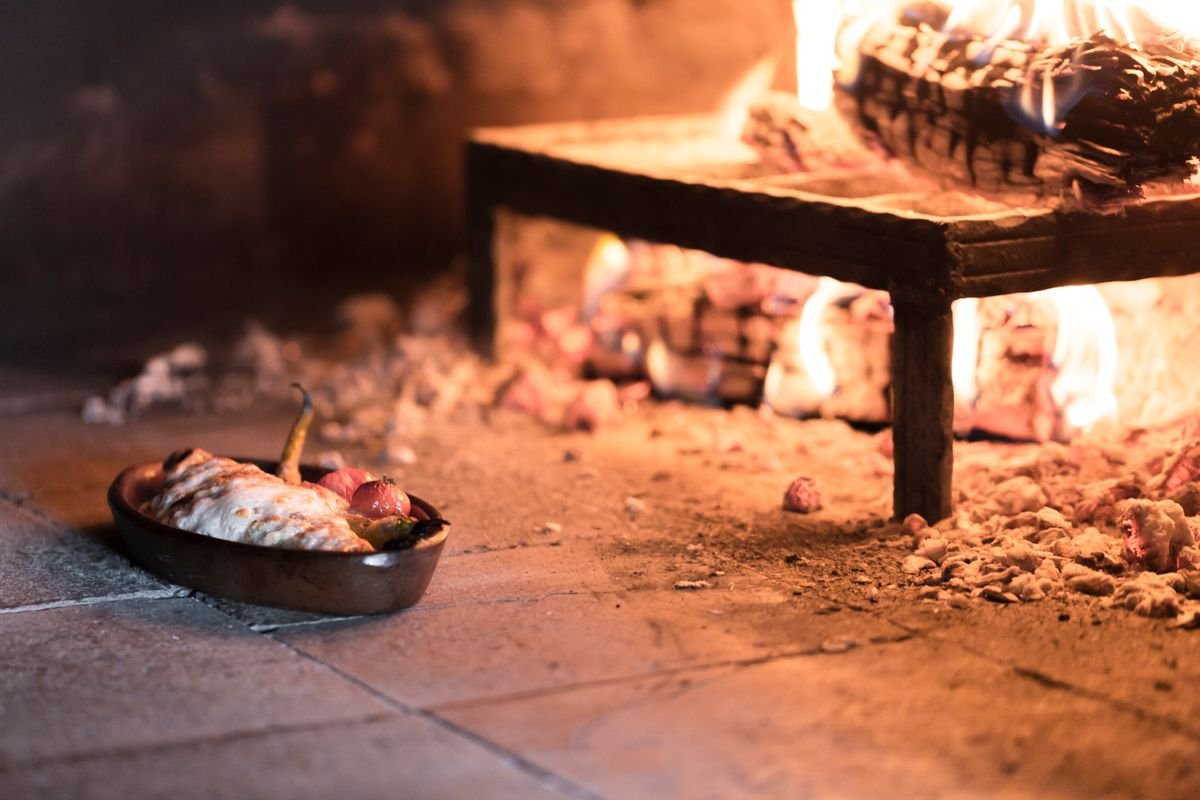
Fill with 2-3 inches of oil and fry chicken, donuts, or fries. The heavy walls hold oil temperature steady better than any thin pot, so food fries crisp instead of greasy.
3. Bake No-Knead Bread in It
Bake bread dough in a preheated Dutch oven with the lid on. The trapped steam creates a crackling, bakery-style crust that a regular baking sheet can never achieve — the pot's most famous trick.
4. Braise Tough Cuts Low and Slow
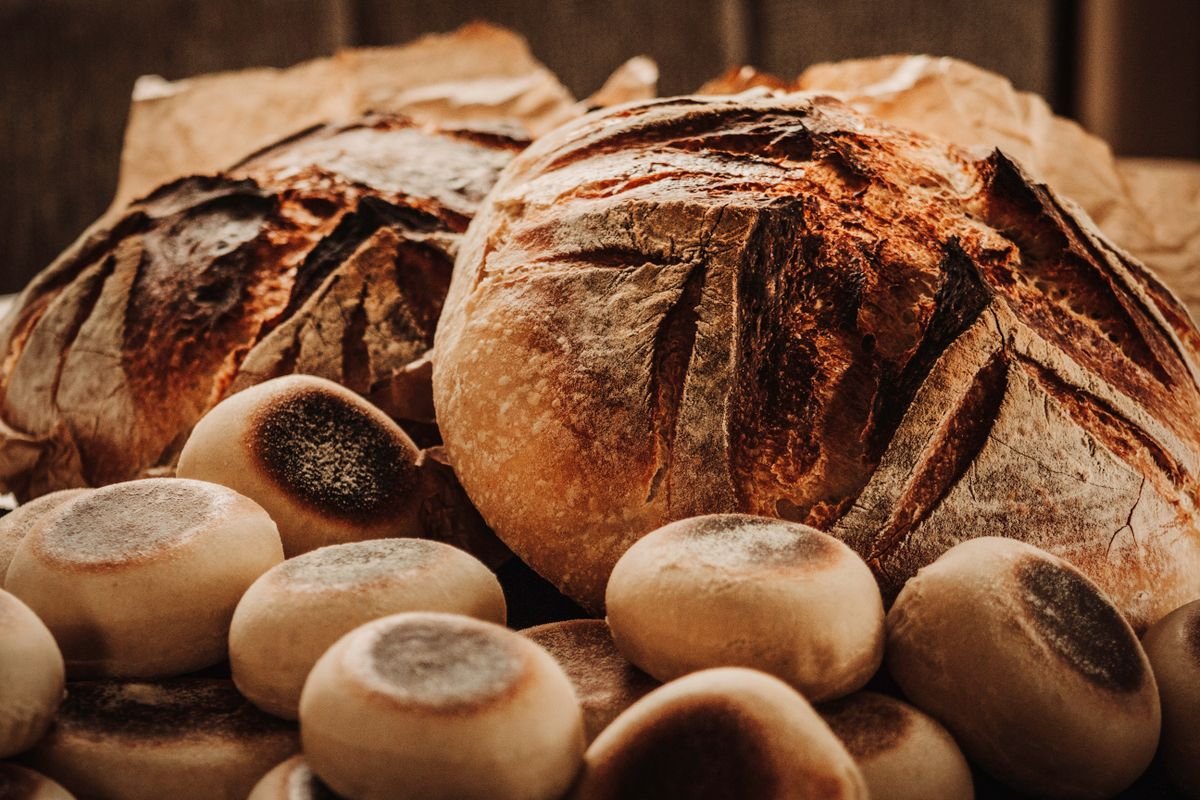
Sear chuck roast or short ribs, add liquid halfway up the meat, and braise covered at 325°F (165°C) for 3-4 hours. The heavy lid traps moisture while gentle heat melts collagen into silky gelatin.
5. Cook Pasta Sauce From Scratch in It
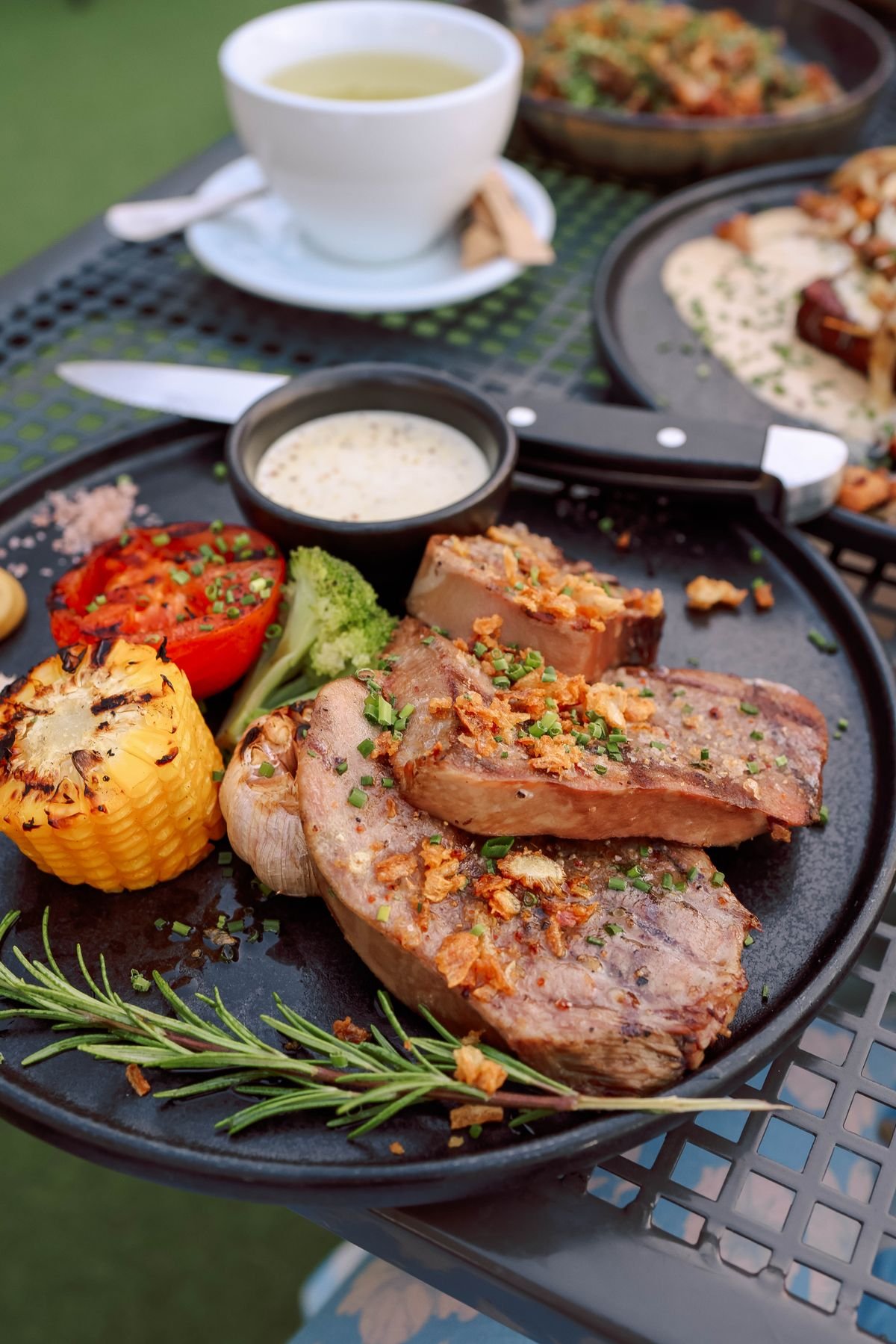
Simmer tomato sauce in the Dutch oven instead of a thin saucepan. The even heat prevents scorching on the bottom, and you can go straight from stovetop browning to oven simmering in one pot.
6. Make Campfire Cobbler With Coals
Place the Dutch oven on campfire coals, fill with fruit and biscuit topping, and heap coals on the lid. It bakes like an oven anywhere — the classic scout dessert that feeds a whole campsite.
7. Deglaze Every Time You Sear
After searing meat, pour in wine, broth, or even water and scrape up the browned bits. That fond is concentrated flavor — deglazing captures it into your braise instead of leaving it glued to the pot.
8. Don't Use Metal Utensils on Enamel
Use wood or silicone utensils in enameled Dutch ovens. Metal can chip the enamel coating, exposing the iron underneath — chips also create rough spots where food sticks.
9. Clean With Baking Soda, Not Steel Wool
For stuck-on food, simmer water with 2 tablespoons of baking soda for 10 minutes, then scrub with a non-abrasive sponge. Steel wool scratches enamel; the baking soda simmer lifts almost anything gently.
10. Dry It Completely After Washing
Towel-dry your Dutch oven immediately and heat it on the stove 2 minutes to evaporate every drop. Trapped moisture causes rust on raw cast iron edges and dulls enamel over time.

11. Make One-Pot Chicken and Rice
Sear chicken thighs, add rice, broth, and seasonings, then bake covered at 375°F (190°C) for 25 minutes. The rice absorbs the chicken drippings as it cooks — a complete dinner from one pot with one cleanup.
12. Use the Lid as a Serving Platter
Flip the heavy lid upside down to use as a rustic serving platter or a shallow braiser. The lid's flat top is enamel-coated and food-safe — one less dish to wash at a dinner party.
13. Simmer Soup Without Scorching
The Dutch oven's thick base distributes heat so evenly that soups and chilis rarely scorch, even on a long simmer. It's the best soup pot you own — better than any thin stockpot.
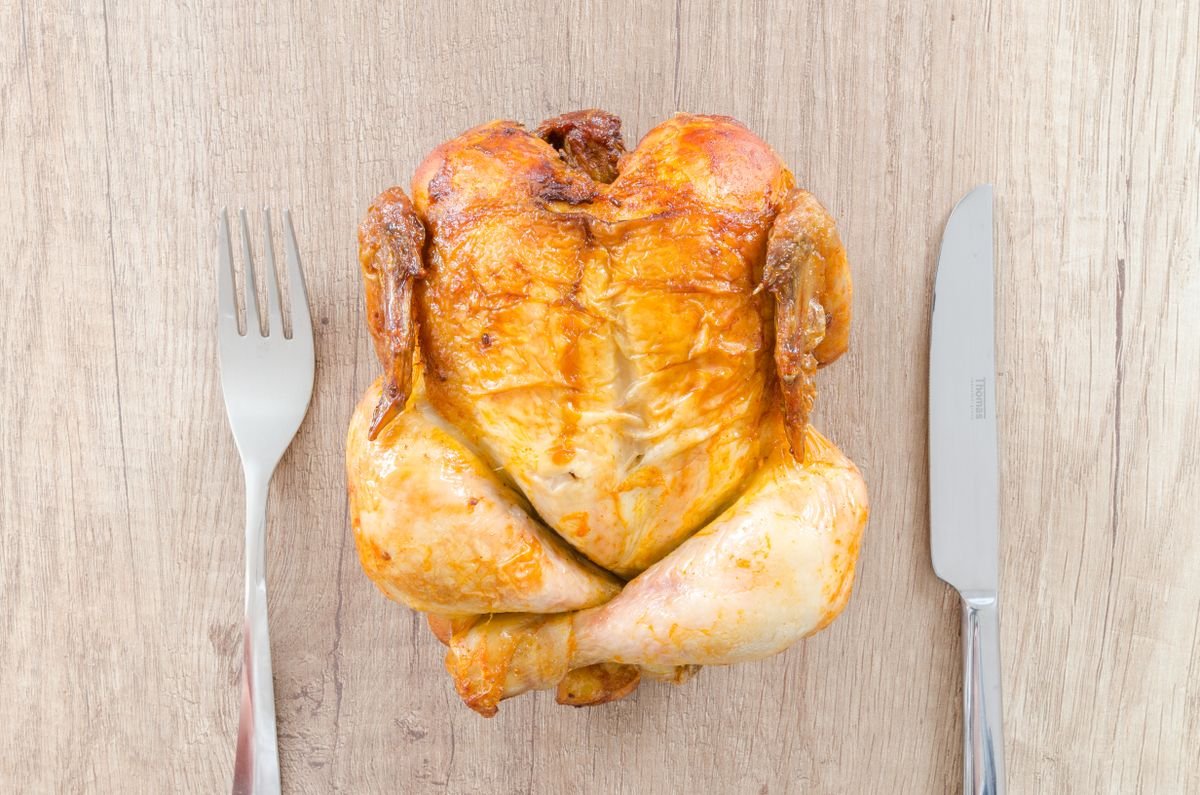
14. Roast a Whole Chicken in It
Roast a whole chicken uncovered in the Dutch oven at 425°F (220°C) for about an hour. The high walls contain splatter, the bird bastes in its own juices, and you get gravy-ready drippings in the bottom.
15. Make Popcorn in It
Heat 3 tablespoons of oil with 1/2 cup popcorn kernels, covered, shaking occasionally. The heavy pot heats evenly so fewer kernels burn — and the lid keeps every pop contained.
16. Proof Bread Dough in It
Let your final dough rise right in the (cool, oiled) Dutch oven. When it's ready, score, lid on, and bake — no transferring sticky risen dough between vessels.
17. Avoid Thermal Shock on Enamel
Never plunge a hot enameled Dutch oven into cold water. The sudden temperature change can crack the enamel — let it cool on the stove for 15-20 minutes before washing.
18. Make Deep-Dish Pizza in It
Press pizza dough into an oiled Dutch oven, add sauce and toppings, and bake at 450°F (230°C) for 20 minutes. The thick walls create a crispy, fried-like crust edge that's pure deep-dish heaven.

19. Use Parchment Slings for Bread
Lower bread dough into the hot pot using a parchment paper sling. It prevents burns from the screaming-hot walls and lets you lift the finished loaf out cleanly.
20. Cook Dried Beans From Scratch
Simmer soaked beans in the Dutch oven for 1-2 hours with aromatics. Even, gentle heat cooks them creamy without blowouts — and they taste infinitely better than canned.
21. Make Mulled Wine for a Crowd
Warm wine with spices, citrus, and honey in the Dutch oven over low heat (never boil — boiling cooks off the alcohol and dulls the spices). The big pot serves a party and keeps it warm on the stove.
22. Store It With the Lid Ajar
Place a folded paper towel between the pot and lid for storage. The gap allows airflow and prevents musty smells and moisture buildup inside the heavy pot.
23. Re-Season Raw Cast Iron Edges
If the exposed rim shows rust, scrub it off, rub with a thin layer of vegetable oil, and bake upside down at 450°F (230°C) for an hour. The polymerized oil rebuilds the protective seasoning.
24. Make a Big-Batch Breakfast Casserole
Layer bread cubes, eggs, sausage, and cheese in the Dutch oven and bake at 350°F (175°C) for 45 minutes. It feeds 8-10 from one pot — the ultimate holiday-morning or brunch-potluck hack.
25. Respect Its Weight — Use Two Hands
A full 7-quart Dutch oven can weigh 15+ pounds. Always lift with two hands and oven mitts, and set it on a trivet — dropping it can crack both the pot and your stovetop.