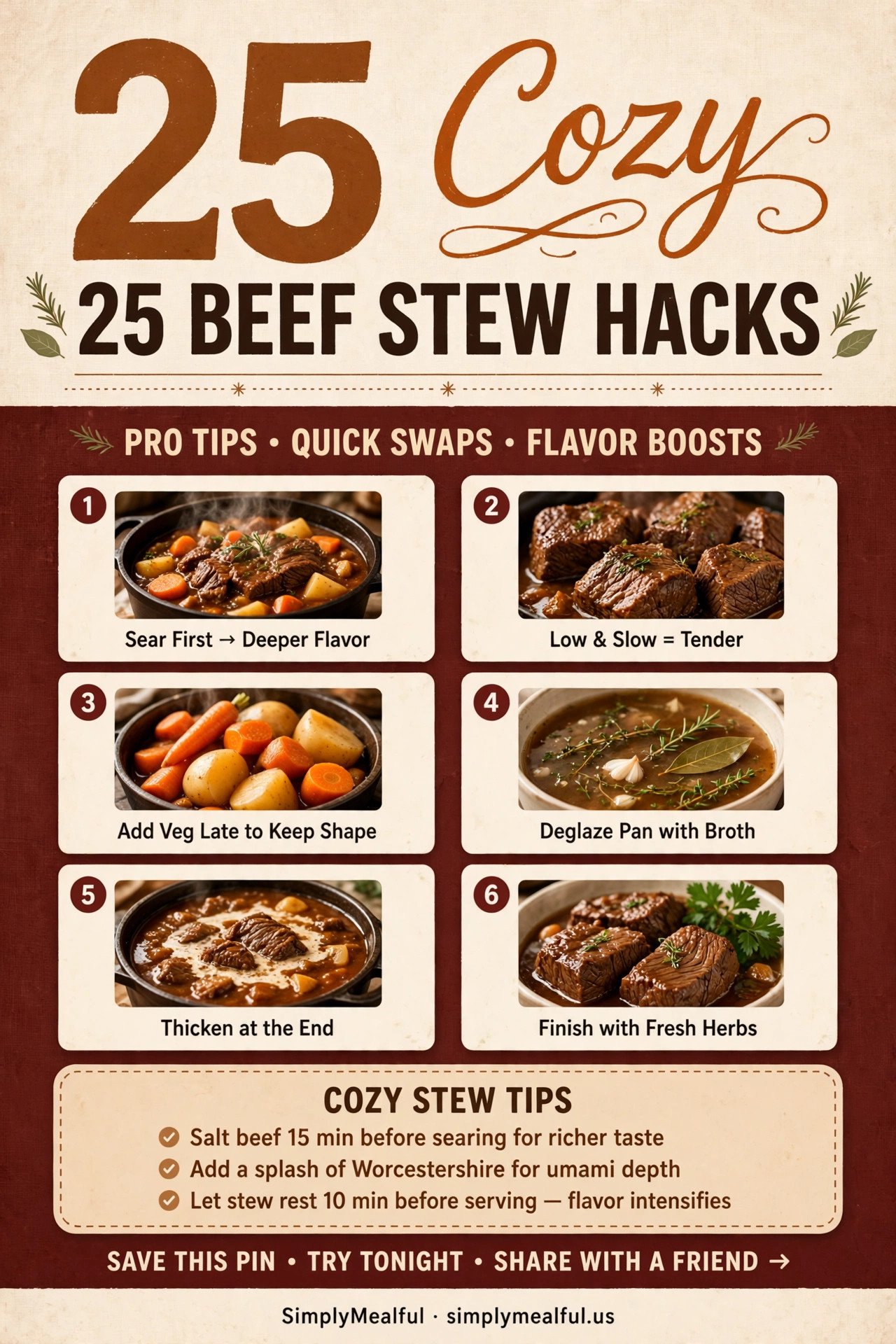
25 Beef Stew Hacks for Rich, Fall-Apart-Tender Stew
A great beef stew is deep, glossy, and spoon-tender — never thin, tough, or greasy. These 25 beef stew hacks cover choosing the right cut, building flavor, and fixing common problems so your pot tastes like it simmered all weekend.
1. Choose Chuck, Not Stew Meat
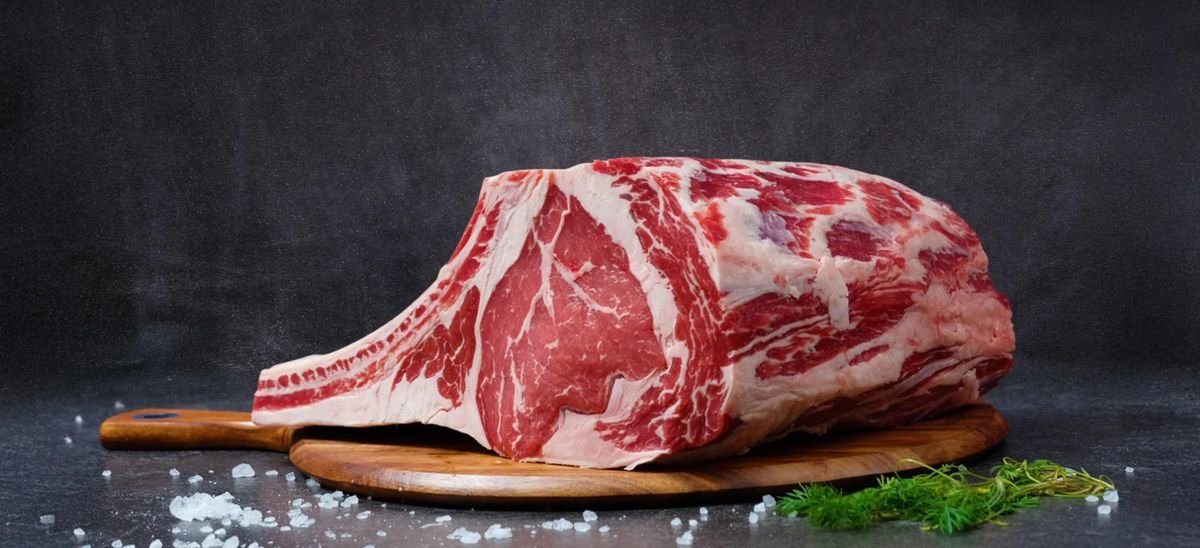
Choose Chuck, Not Stew Meat — Buy a whole chuck roast and cut it yourself instead of pre-cut stew meat. Pre-cut pieces mix different muscles that cook unevenly, while chuck has the collagen that melts into rich, silky broth.
2. Cut Pieces Larger Than You Think
Cut Pieces Larger Than You Think — Cut beef into 1.5-inch chunks. Small pieces overcook and shred into mush during a long braise; larger chunks stay intact, juicy, and satisfying while the collagen still melts.
3. Brown in Batches, Never Crowded
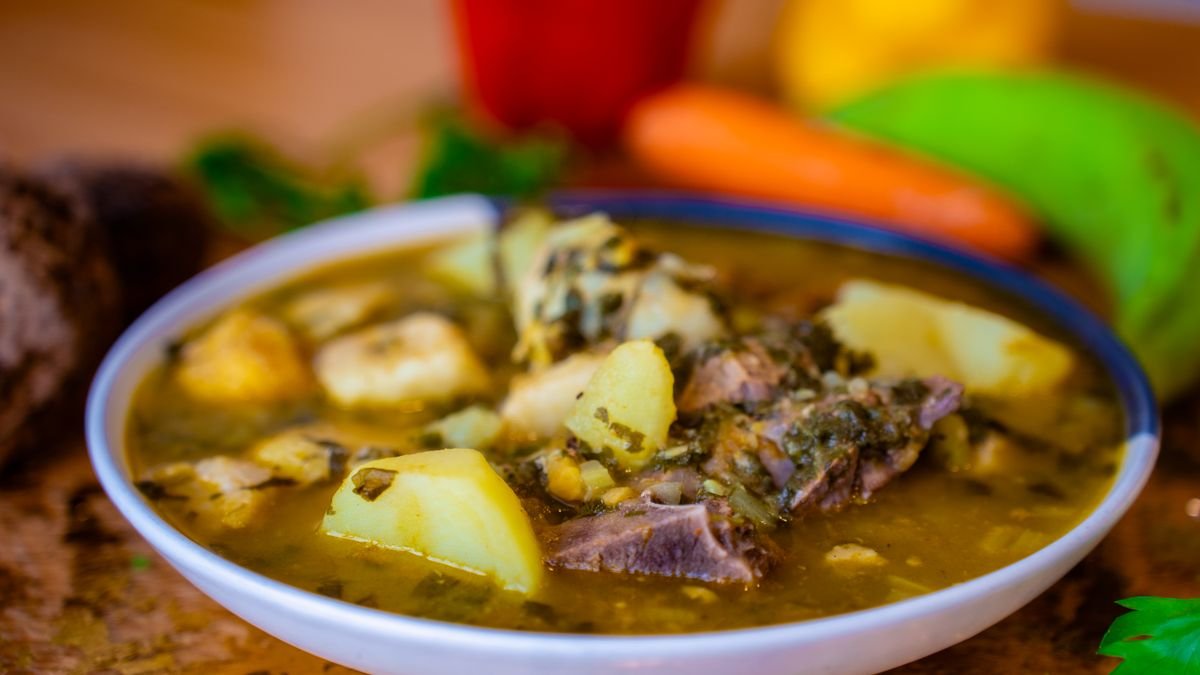
Brown in Batches, Never Crowded — Sear beef in a single layer with space between pieces, in two or three batches. Crowded beef steams and turns gray; properly browned beef builds the deep, savory fond that flavors the whole stew.
4. Dry the Beef Before Searing
Dry the Beef Before Searing — Pat every piece dry with paper towels before it hits the pot. Surface moisture is the number one reason beef will not brown — dry meat sears fast and dark, wet meat just steams.
5. Keep the Fond — It Is the Flavor
Keep the Fond — It Is the Flavor — After browning, do not wash the pot. Those browned bits stuck to the bottom dissolve into the broth when you deglaze, carrying more flavor than any spice you could add.
6. Deglaze with Red Wine
Deglaze with Red Wine — Pour in a cup of red wine and scrape the pot clean before adding stock. Wine lifts the fond, adds acidity that balances the richness, and deepens the color to a beautiful mahogany.
7. Use Stock, Not Water
Use Stock, Not Water — Build the stew on good beef stock, not water. Water dilutes flavor over hours of simmering; stock layers savory depth from the start, and the finished broth tastes like itself, not like boiled meat.
8. Add Tomato Paste Early
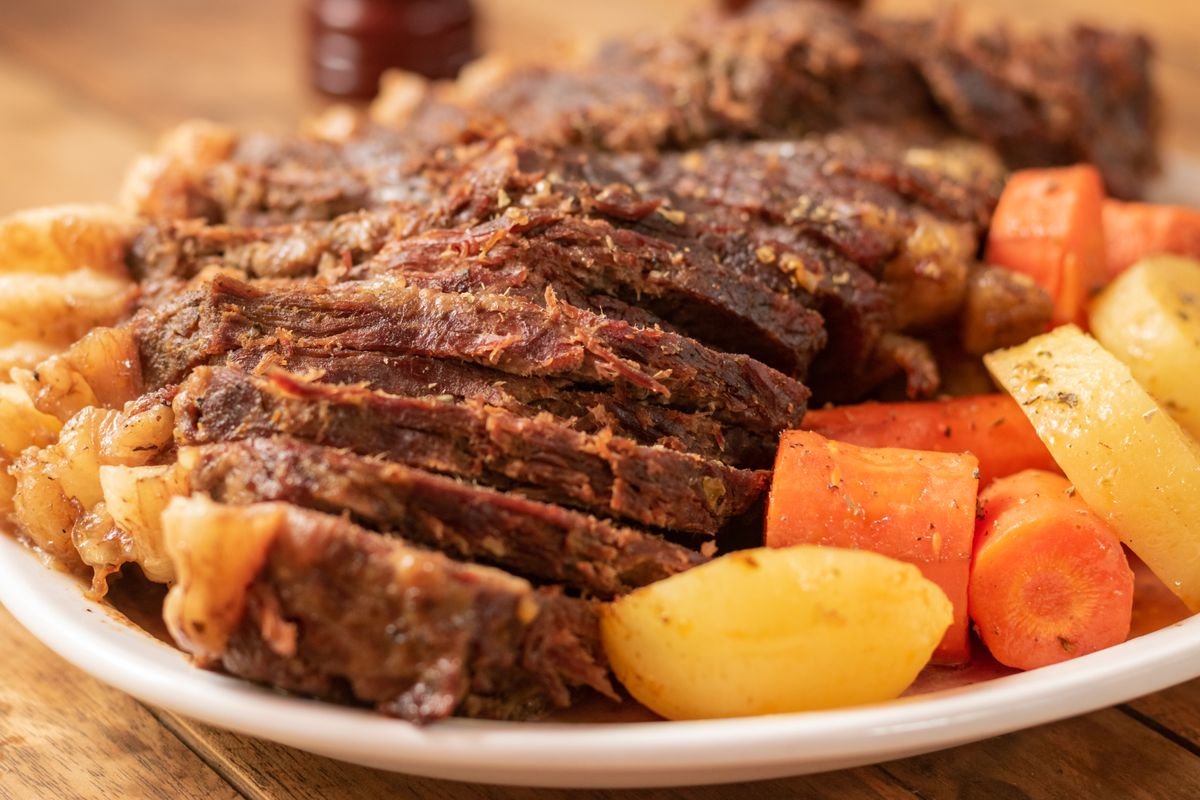
Add Tomato Paste Early — Stir tomato paste into the pot after the onions soften and cook it for 2 minutes until it darkens to brick red. Toasted tomato paste adds umami and body; raw paste stirred in late tastes tinny.
9. Simmer Low, Never Boil Hard
Simmer Low, Never Boil Hard — Keep the pot at the barest simmer, with bubbles breaking lazily. A rolling boil tightens the meat fibers and turns beef tough and dry, even after hours of cooking.
10. Use the Oven for Even Heat
Use the Oven for Even Heat — Braise in a 325-degree oven with the lid slightly ajar instead of on the stovetop. Oven heat surrounds the pot evenly, prevents scorching on the bottom, and needs almost no babysitting.
11. Add Potatoes Late
Add Potatoes Late — Add potatoes in the last 45 minutes, not at the start. Potatoes cooked for three hours disintegrate into starch and thicken the stew into glue; late potatoes stay intact and tender.
12. Layer Vegetables by Cooking Time
Layer Vegetables by Cooking Time — Add carrots early, potatoes mid-way, and peas or green beans in the last 10 minutes. Each vegetable finishes perfectly instead of everything collapsing into one mushy texture.
13. Thicken with Flour at the Start
Thicken with Flour at the Start — Toss the beef in flour before browning, or whisk flour into the fat before adding liquid. Flour added at the start cooks out fully; flour stirred in at the end tastes raw and pasty.
14. Fix Thin Stew with a Cornstarch Slurry
Fix Thin Stew with a Cornstarch Slurry — If the broth is still thin near the end, whisk a tablespoon of cornstarch with cold water and stir it in, then simmer 2 minutes. It thickens cleanly without the floury taste of a late roux.
15. Skim Fat as It Cooks
Skim Fat as It Cooks — Skim the fat that rises during simmering, or chill the finished stew and lift the solid fat cap off. Removing excess fat lets the beef flavor shine instead of coating your mouth in grease.
16. Add a Splash of Vinegar at the End
Add a Splash of Vinegar at the End — Finish with a tablespoon of red wine vinegar or balsamic stirred in off the heat. After hours of rich simmering, acid is what makes the stew taste bright and balanced instead of heavy.
17. Use a Parmesan Rind in the Pot
Use a Parmesan Rind in the Pot — Toss a saved parmesan rind into the simmering stew and fish it out before serving. It melts into the broth, adding a savory, nutty depth that tastes like the stew cooked twice as long.
18. Make It a Day Ahead
Make It a Day Ahead — Stew tastes better the next day — always. Overnight, the flavors meld and the meat relaxes into the broth. Cool, refrigerate, skim the fat, and reheat gently for the best bowl.
19. Freeze Stew Without Potatoes
Freeze Stew Without Potatoes — Freeze stew in portions, but leave potatoes out and add fresh ones when reheating. Frozen potatoes turn grainy and mealy; everything else in the stew freezes beautifully for months.
20. Add Mushrooms for Extra Meatiness
Add Mushrooms for Extra Meatiness — Brown a pound of mushrooms separately and stir them in near the end. Mushrooms add a second layer of savory, meaty flavor and make the stew feel even more generous without more beef.
21. Season in Stages
Season in Stages — Salt the beef before browning, season the vegetables as they cook, and adjust again at the end. Stew reduces as it simmers, so seasoning only at the start often ends up too salty — taste at each stage.
22. Use Pearl Onions Whole
Use Pearl Onions Whole — Add peeled pearl onions in the last hour. They stay whole, turn sweet and glossy, and give each spoonful a little jewel of flavor — a classic touch that elevates a simple stew.
23. Serve with Crusty Bread, Not Rice
Serve with Crusty Bread, Not Rice — Crusty bread is the right partner: it soaks up broth without turning to mush. Serve a thick slice alongside, or ladle the stew over a toasted baguette slice for a rustic presentation.
24. Turn Leftovers into Pot Pie Filling
Turn Leftovers into Pot Pie Filling — Spoon leftover stew into a baking dish, top with puff pastry, and bake. The thick, rich stew is already a perfect pot pie filling — a second dinner that tastes completely different.
25. Reheat Gently, Never Boil
Reheat Gently, Never Boil — Reheat stew over low heat, stirring occasionally, until just steaming. Boiling reheated stew toughens the meat again and breaks the vegetables; gentle heat keeps it as good as day one.