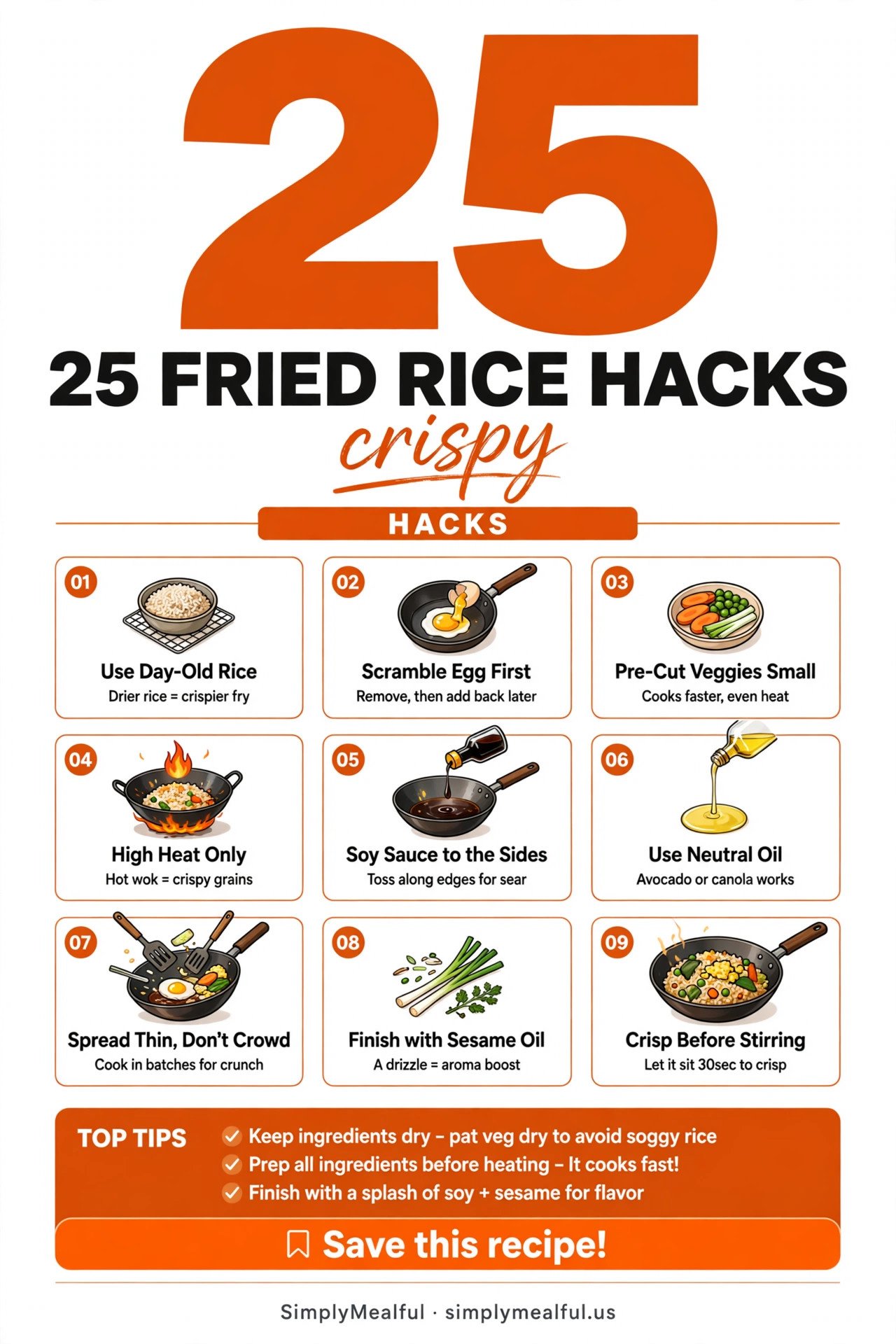
25 Fried Rice Hacks for Crispy, Restaurant-Style Fried Rice
Restaurant fried rice is smoky, crispy-edged, and never mushy — and it is easier at home than you think. These 25 fried rice hacks cover the right rice, wok heat, egg technique, and sauce balance, so your homemade version beats takeout.
1. Use Day-Old Cold Rice, Always
Use Day-Old Cold Rice, Always — Use rice cooked yesterday and chilled overnight. Freshly cooked rice is too wet and turns to mush, while cold, dried-out grains fry up separate and crispy.
2. Spread Rice on a Tray to Dry It
Spread Rice on a Tray to Dry It — If you only have fresh rice, spread it on a sheet pan and chill it uncovered for an hour. The surface dries out, which is exactly what you need for crispy fried rice.
3. Get the Wok Screaming Hot
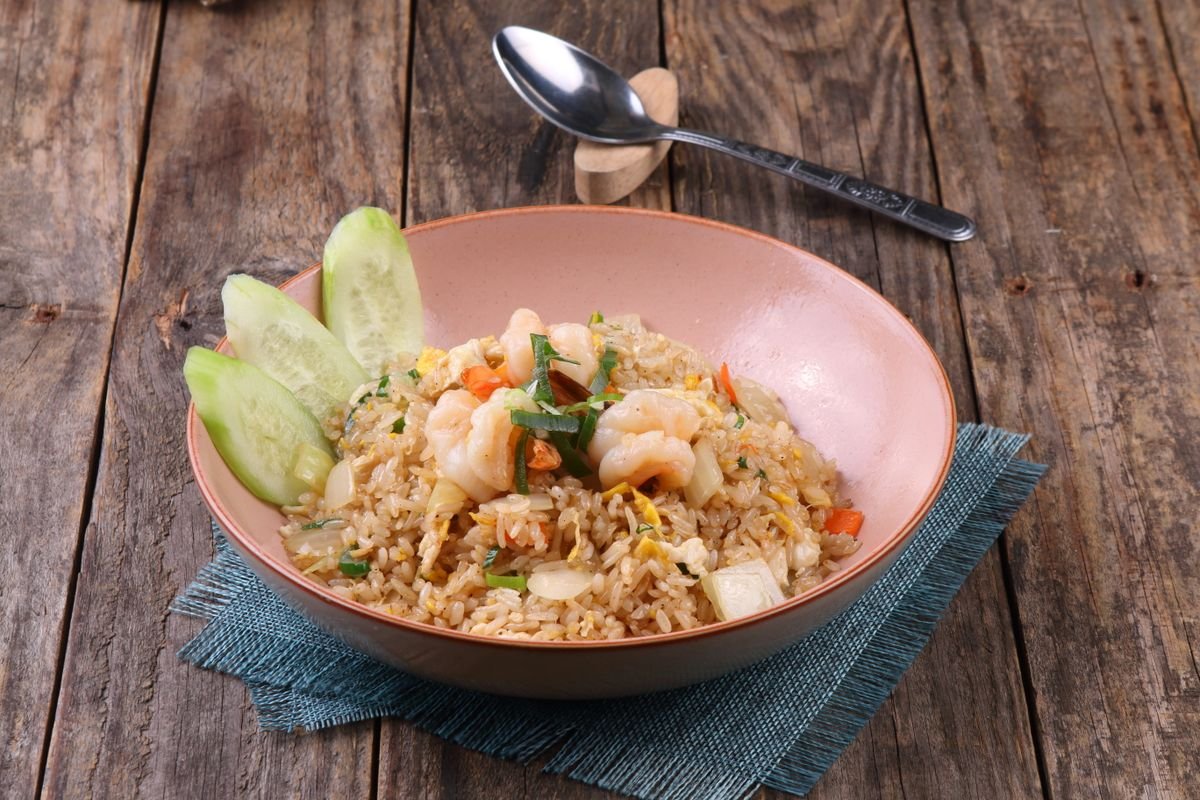
Get the Wok Screaming Hot — Heat the wok until it just starts to smoke before adding oil. High heat creates wok hei, that smoky restaurant flavor, and sears the rice instead of steaming it.
4. Cook in Batches, Never Crowd the Pan
Cook in Batches, Never Crowd the Pan — Fry the rice in two batches if your pan is small. Crowded rice steams in its own moisture and never crisps, no matter how hot the pan started.
5. Scramble Eggs First and Set Aside
Scramble Eggs First and Set Aside — Scramble the eggs first, remove them, and add them back at the end. Cooking eggs with the rice overcooks them into rubbery bits and they disappear into the dish.
6. Use High Smoke-Point Oil
Use High Smoke-Point Oil — Use peanut, avocado, or refined vegetable oil, not olive oil. Olive oil smokes and burns at wok temperatures, while high smoke-point oils stay clean and neutral.
7. Sauce Around the Edges, Not on Top
Sauce Around the Edges, Not on Top — Pour soy sauce around the hot edges of the wok so it sizzles and caramelizes before hitting the rice. Sauce poured on top just soaks in and makes the rice soggy.
8. Do Not Stir Constantly
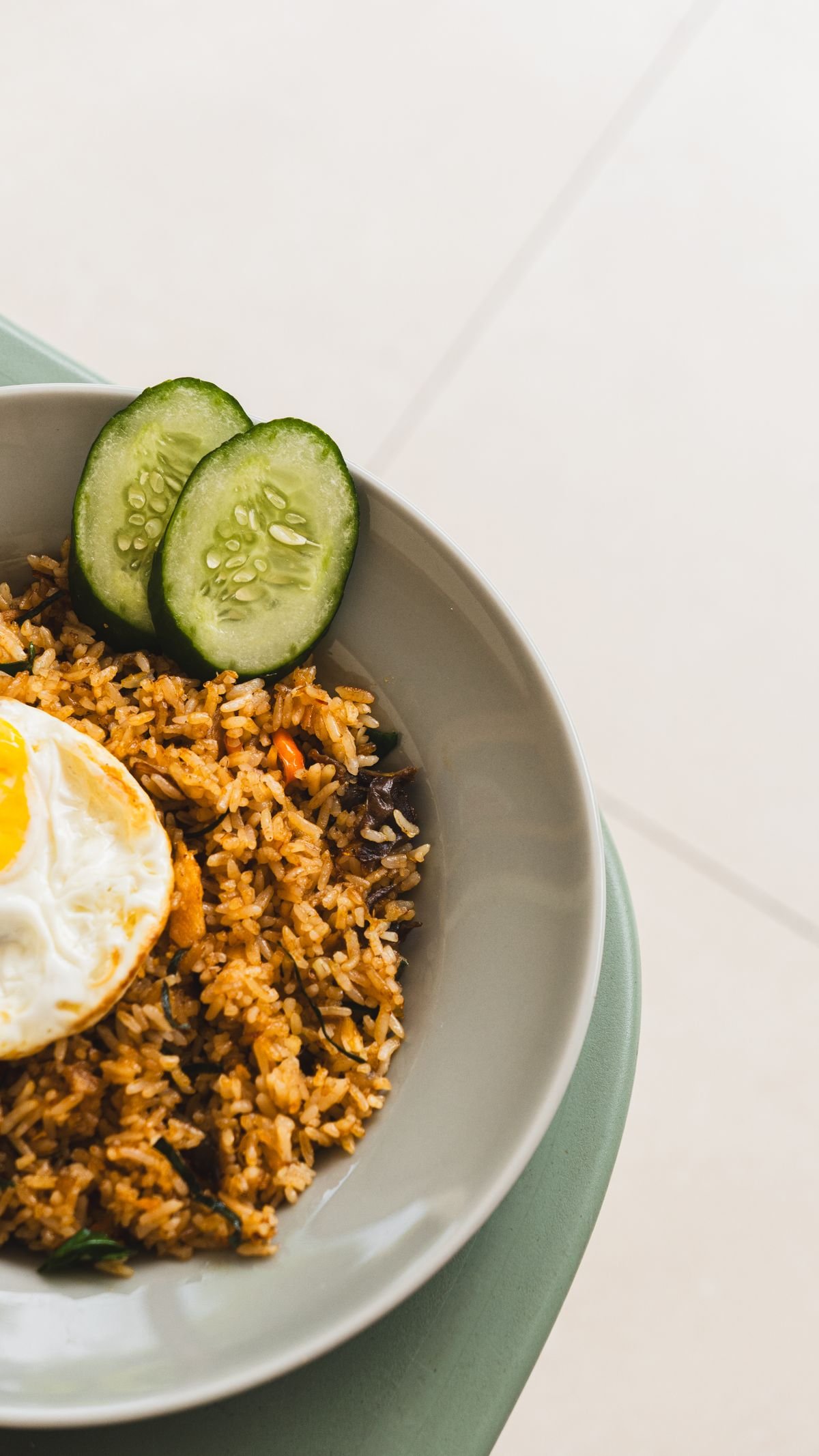
Do Not Stir Constantly — Let the rice sit undisturbed for 30 seconds at a time so it crisps against the hot pan. Constant stirring prevents browning and gives you steamed rice, not fried rice.
9. Add Butter at the End for Richness
Add Butter at the End for Richness — Stir in a tablespoon of butter at the very end for a rich, glossy finish. It is a restaurant trick that adds body without making the rice greasy.
10. Freeze Leftover Rice in Portions
Freeze Leftover Rice in Portions — Freeze cooked rice in flat zip-top bags in single-meal portions. Thawed rice is actually drier than fresh, making it ideal for emergency fried rice nights.
11. Season with White Pepper, Not Black
Season with White Pepper, Not Black — Use white pepper for authentic fried rice flavor. It has a sharper, more pungent heat that matches Asian cooking better than the milder taste of black pepper.
12. Toast Garlic Until Just Golden
Toast Garlic Until Just Golden — Fry minced garlic until just golden, then immediately add the rice. Garlic goes from golden to burnt in seconds, and burnt garlic ruins the whole pan.
13. Add Frozen Peas and Carrots Last
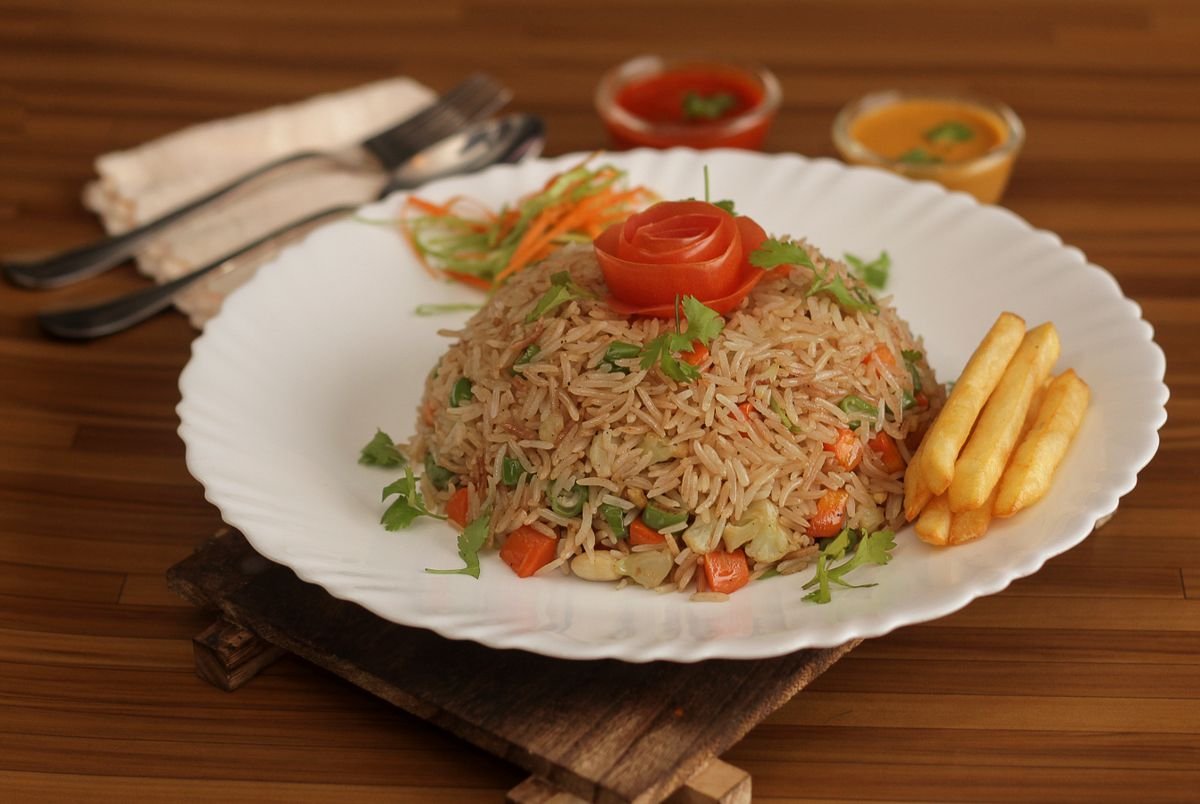
Add Frozen Peas and Carrots Last — Add frozen vegetables in the last few minutes so they stay bright and slightly firm. Added too early, they release water and turn the rice soggy.
14. Use Jasmine Rice for Best Texture
Use Jasmine Rice for Best Texture — Jasmine rice fries up with the best balance of separate grains and slight chew. Short-grain rice clumps, and long-grain basmati can be too dry and brittle.
15. Make a Well in the Center for Sauce
Make a Well in the Center for Sauce — Push rice to the sides, pour sauce into the center well, let it bubble, then toss. This caramelizes the sauce evenly instead of leaving some grains soaked and others plain.
16. Add Sesame Oil Off the Heat
Add Sesame Oil Off the Heat — Drizzle toasted sesame oil at the very end, off the heat. Sesame oil is a finishing flavor, not a cooking oil, and high heat destroys its nutty aroma.
17. Cut Ingredients Small and Uniform
Cut Ingredients Small and Uniform — Dice all add-ins to roughly the size of a pea so they mix evenly with the rice. Large chunks fall to the bottom and make the dish hard to eat with chopsticks.
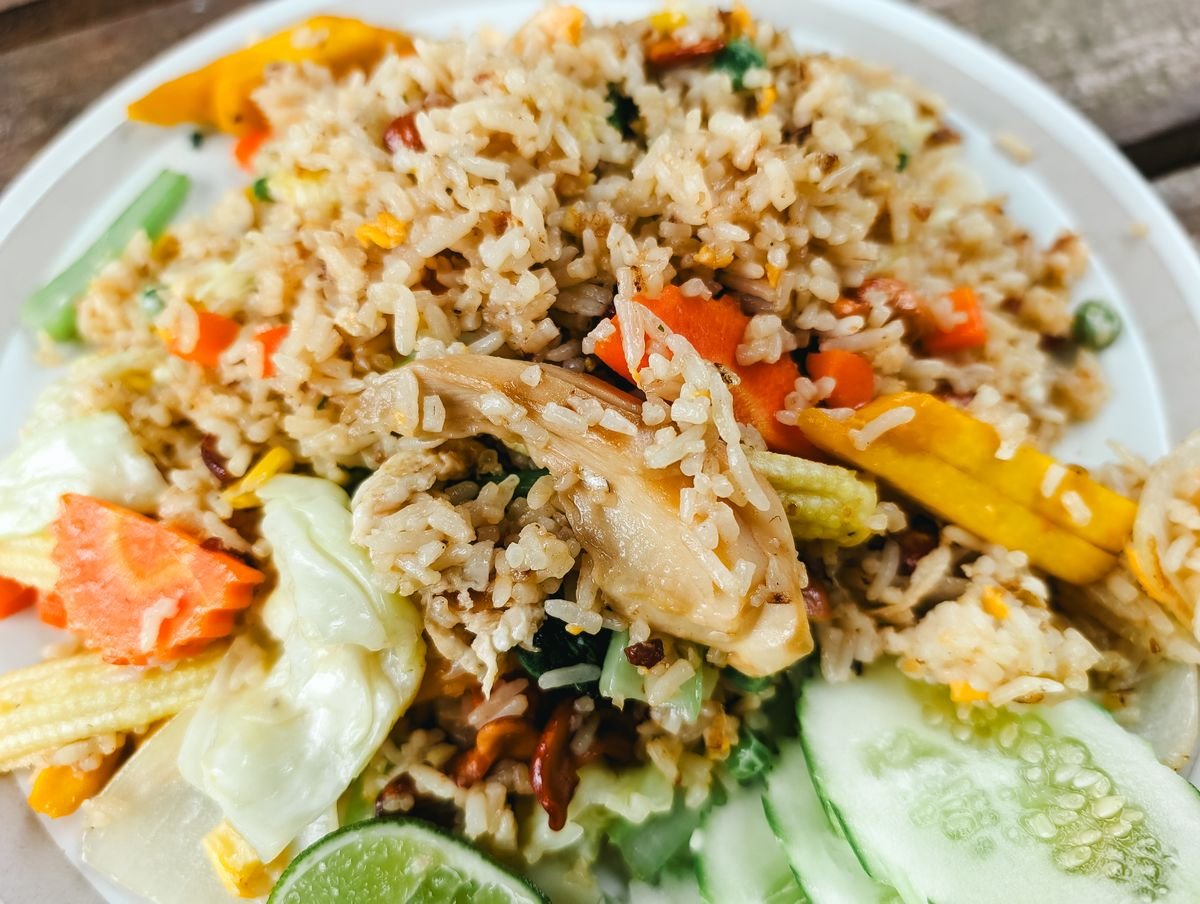
18. Pre-Cook Proteins Separately
Pre-Cook Proteins Separately — Cook chicken, shrimp, or tofu separately and add them back at the end. Cooking everything together overcooks the protein and crowds the pan.
19. Use Less Soy Sauce Than You Think
Use Less Soy Sauce Than You Think — Start with two tablespoons of soy sauce per four cups of rice and taste before adding more. You can always add salt, but you cannot remove sogginess from too much sauce.
20. Add a Splash of Rice Vinegar
Add a Splash of Rice Vinegar — A teaspoon of rice vinegar at the end brightens the whole dish. Fried rice can taste heavy and flat, and a little acid wakes up all the other flavors.
21. Keep the Rice Moving After Saucing
Keep the Rice Moving After Saucing — Once sauce is added, toss continuously for a minute so every grain gets coated before the liquid absorbs. Uneven tossing leaves pale, unseasoned patches.
22. Use Day-Old Brown Rice Too
Use Day-Old Brown Rice Too — Brown rice works beautifully for fried rice if it is cold and dry. Its nutty flavor and chewy texture actually hold up better than white rice in some recipes.
23. Add Kimchi for a Spicy Twist
Add Kimchi for a Spicy Twist — Stir in chopped kimchi and a spoonful of its brine for kimchi fried rice. The fermented tang and heat transform basic fried rice into something restaurant-worthy.
24. Serve Immediately from the Wok
Serve Immediately from the Wok — Serve fried rice the moment it comes off the heat. It loses its crispy edges within minutes as steam softens the grains, so have bowls ready before you start.
25. Save Takeout Rice for Tomorrow's Fried Rice
Save Takeout Rice for Tomorrow's Fried Rice — Order extra rice with takeout and refrigerate it for tomorrow's fried rice. Takeout rice is already a day old by morning, which makes it perfect.