25 Curry Hacks for Rich, Flavorful Curries at Home
Restaurant curries taste deep and complex because of technique, not secret ingredients. These 25 curry hacks cover blooming spices, building gravies, fixing common mistakes, and finishing touches — everything you need for rich, layered, genuinely delicious curries at home.
1. Bloom Spices in Hot Oil First
Never dump ground spices straight into liquid. Fry them in hot oil or ghee for 30-60 seconds until fragrant before adding anything else — this wakes up the fat-soluble flavor compounds and is the single biggest difference between flat and restaurant-worthy curry.
2. Use Ghee for Deeper Flavor
Swap neutral oil for ghee when sautéing aromatics. Its nutty, buttery depth layers beautifully with warm spices, and it handles the high heat needed to properly brown onions without smoking like butter would.
3. Brown Your Onions Dark, Not Golden
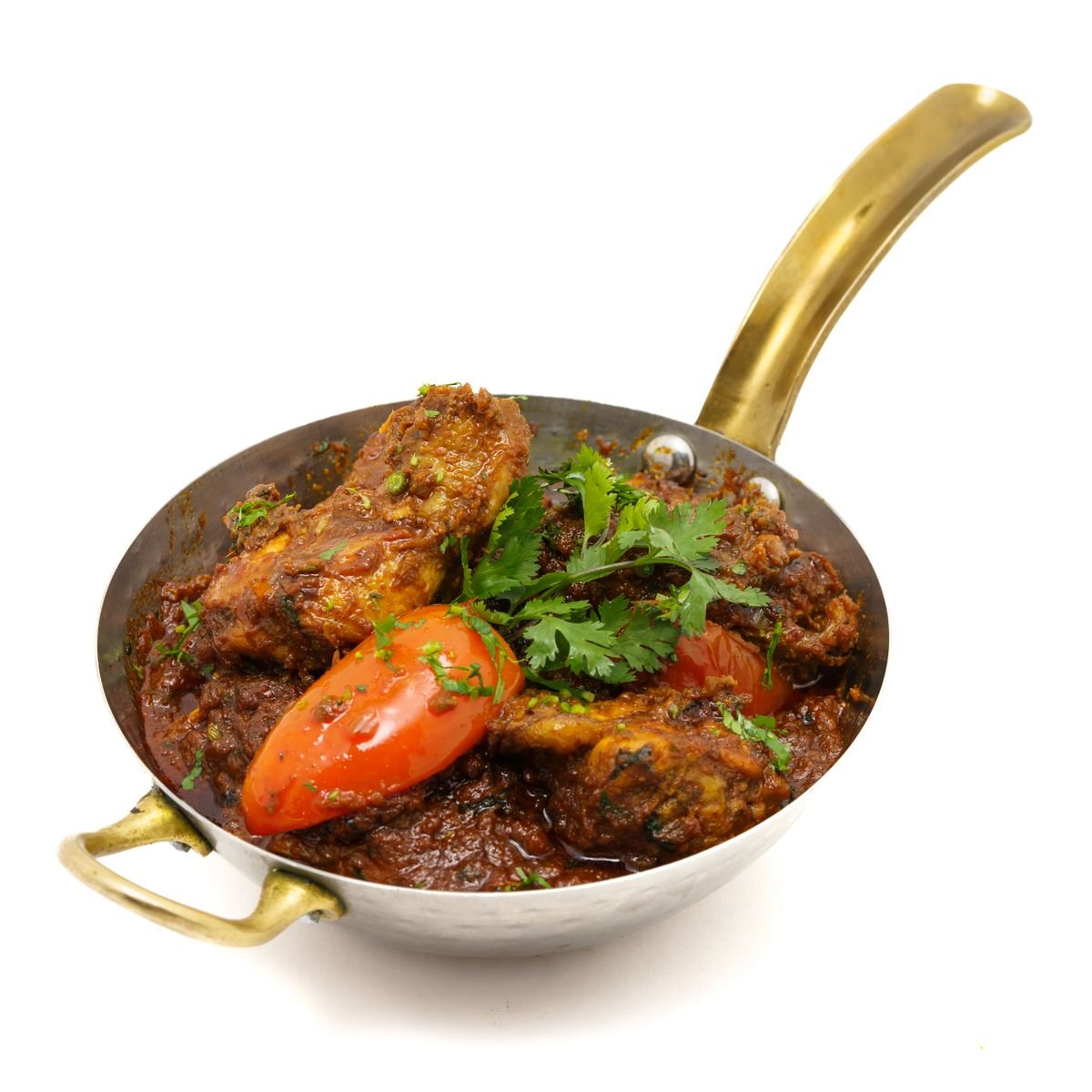
For most Indian-style curries, cook onions past golden — aim for deep mahogany, about 20-25 minutes over medium heat. That caramelization is the backbone of the gravy; pale onions give you a pale, one-note sauce.
4. Add Ginger-Garlic Paste Late
Ginger-garlic paste turns bitter if fried too long. Sauté onions and tomatoes first, then add the paste and cook just 1-2 minutes until the raw smell disappears. You keep the punch without the bitterness.
5. Grind Whole Spices Fresh
A spice grinder transforms curry. Toast cumin, coriander, and black peppercorns in a dry pan for 90 seconds, then grind — the aroma is dramatically stronger than pre-ground jars that have sat open for months.
6. Toast and Grind Your Own Garam Masala
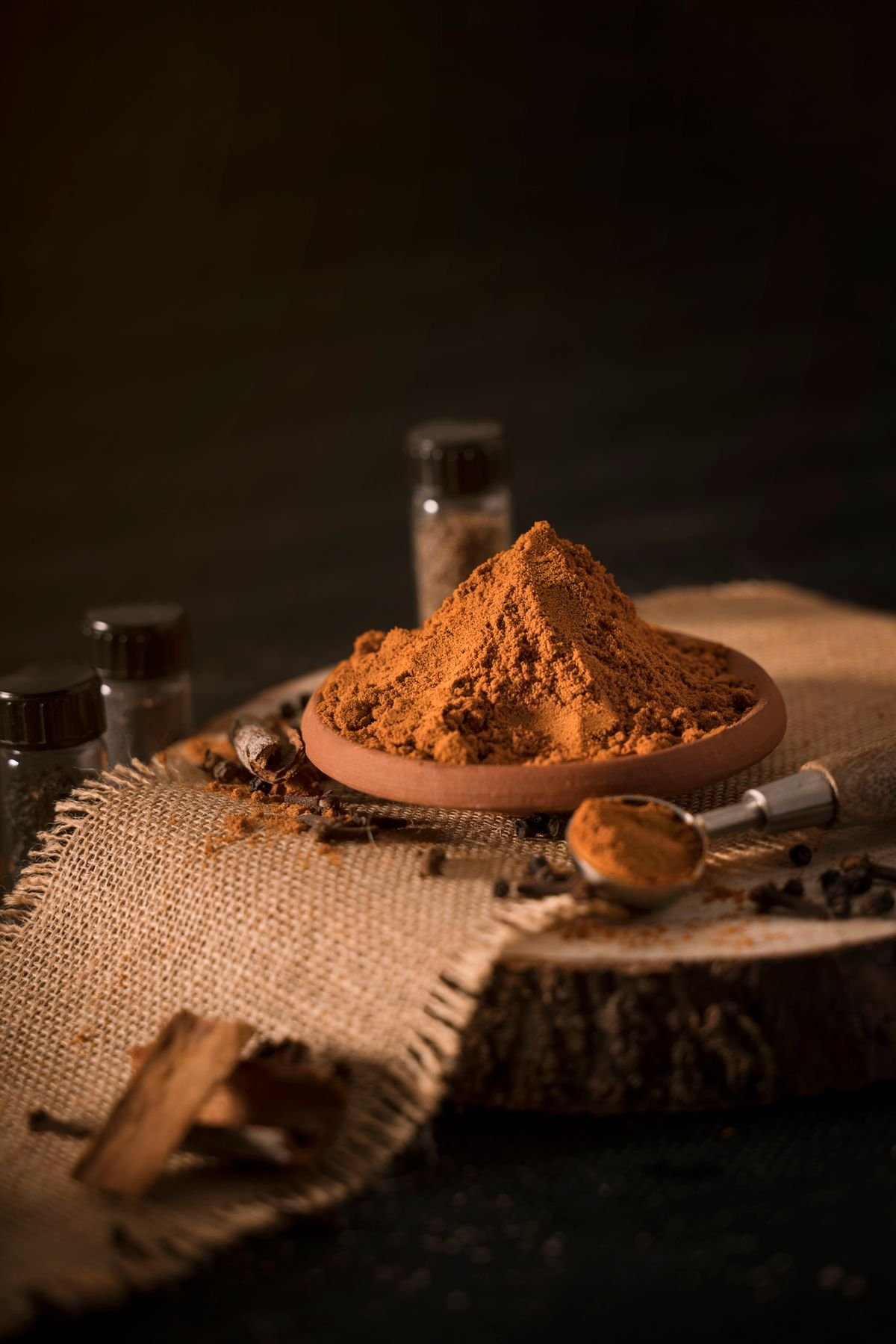
Garam masala loses potency within weeks. Toast cardamom, cloves, cinnamon, and cumin whole, grind, and store airtight. Add it in the last 2 minutes of cooking so its volatile aromatics don't cook off.
7. Use Tomato Paste as a Shortcut
Out of fresh tomatoes? Fry 2 tablespoons of tomato paste with the onions for 3 minutes until darkened. It gives concentrated tomato depth faster and thickens the gravy without extra simmering time.
8. Deglaze with the Tomato Juices
When onions are browned, add chopped tomatoes and let their juices release the fond stuck to the pan bottom. That browned layer is pure flavor — scrape it up and dissolve it into the gravy.
9. Add Yogurt Off the Heat
Stirring cold yogurt into a boiling curry makes it split. Temper it first: whisk a ladle of hot curry into the yogurt, then stir the warmed mixture back in with the heat low. Smooth, creamy, no curdling.
10. Use Coconut Milk in Two Stages
For Thai curries, fry the curry paste in the thick coconut cream that floats on top of the can first — the fat carries the flavor. Stir the thin coconut milk in later for the sauce body.
11. Don't Skimp on Salt Early
Salt the onion base as it cooks, not just at the end. Spices taste muted without salt at each stage; salting early lets every layer absorb seasoning instead of sitting on top of a bland base.
12. A Pinch of Sugar Balances Acidity
If tomato-heavy curry tastes sharp, add 1/2 teaspoon of sugar or jaggery. It won't make it sweet — it rounds off the acidity so the spices read as warm and complex instead of harsh.
13. Finish with Fresh Cilantro Stems
Chop cilantro stems (not just leaves) into the curry in the last minute. The stems carry more of that bright, citrusy flavor than the leaves and hold up to heat better.
14. Squeeze Lemon Over Rich Curries
Heavy coconut or cream-based curries wake up dramatically with acid. A squeeze of lime or lemon right before serving cuts the richness and makes every spice note pop — add it at the table, not during cooking.
15. Simmer Bone-In Meat Longer
Bone-in chicken or goat needs a full 45-60 minutes of gentle simmering for the meat to turn tender and enrich the gravy. Rushing it gives you tough meat and thin sauce; low and slow is non-negotiable.
16. Marinate Meat in Spiced Yogurt
Even 30 minutes in yogurt, turmeric, salt, and a little mustard oil tenderizes chicken and infuses flavor deep into the meat. The lactic acid works faster than you'd think — overnight is ideal, 30 minutes still helps.
17. Sear Meat Before the Sauce
Brown chicken, lamb, or beef pieces in batches before building the curry around them. That Maillard crust adds a roasted depth that simmering alone can never create, even in a quick weeknight curry.
18. Thicken with Ground Nuts
Instead of cream, blend soaked cashews or almonds into a paste and stir in during the last 10 minutes. It gives kormas their signature silky body with a subtle sweetness cream can't match.
19. Use Dried Fenugreek Leaves at the End
Crush kasuri methi between your palms and sprinkle it over the curry in the final 2 minutes. That smoky, slightly bitter aroma is what makes restaurant butter chicken taste like restaurant butter chicken.
20. Temper with a Final Tadka
For dals and some vegetable curries, finish with a tadka: heat ghee until shimmering, fry mustard seeds, cumin, dried chilies, and curry leaves for 20 seconds, then pour over the dish. The sizzle is aromatherapy and flavor in one.
21. Cook Lentils Until They Collapse
Dal should be creamy, not brothy with intact lentils. Simmer red lentils 25-30 minutes until they completely fall apart, then whisk vigorously — that's what creates the velvety texture without any cream.
22. Freeze Curry in Flat Bags
Curry freezes beautifully. Portion into zip bags, lay flat to freeze — they stack like files and thaw in 20 minutes under warm water. Most curries taste even better the next day as flavors meld.
23. Revive Leftover Curry with Fresh Tadka
Day-old curry can taste flat. Reheat it and pour a fresh small tadka of ghee, garlic slices, and dried red chilies over the top. It tastes like it was just made.
24. Serve Rice with a Bay Leaf and Cardamom
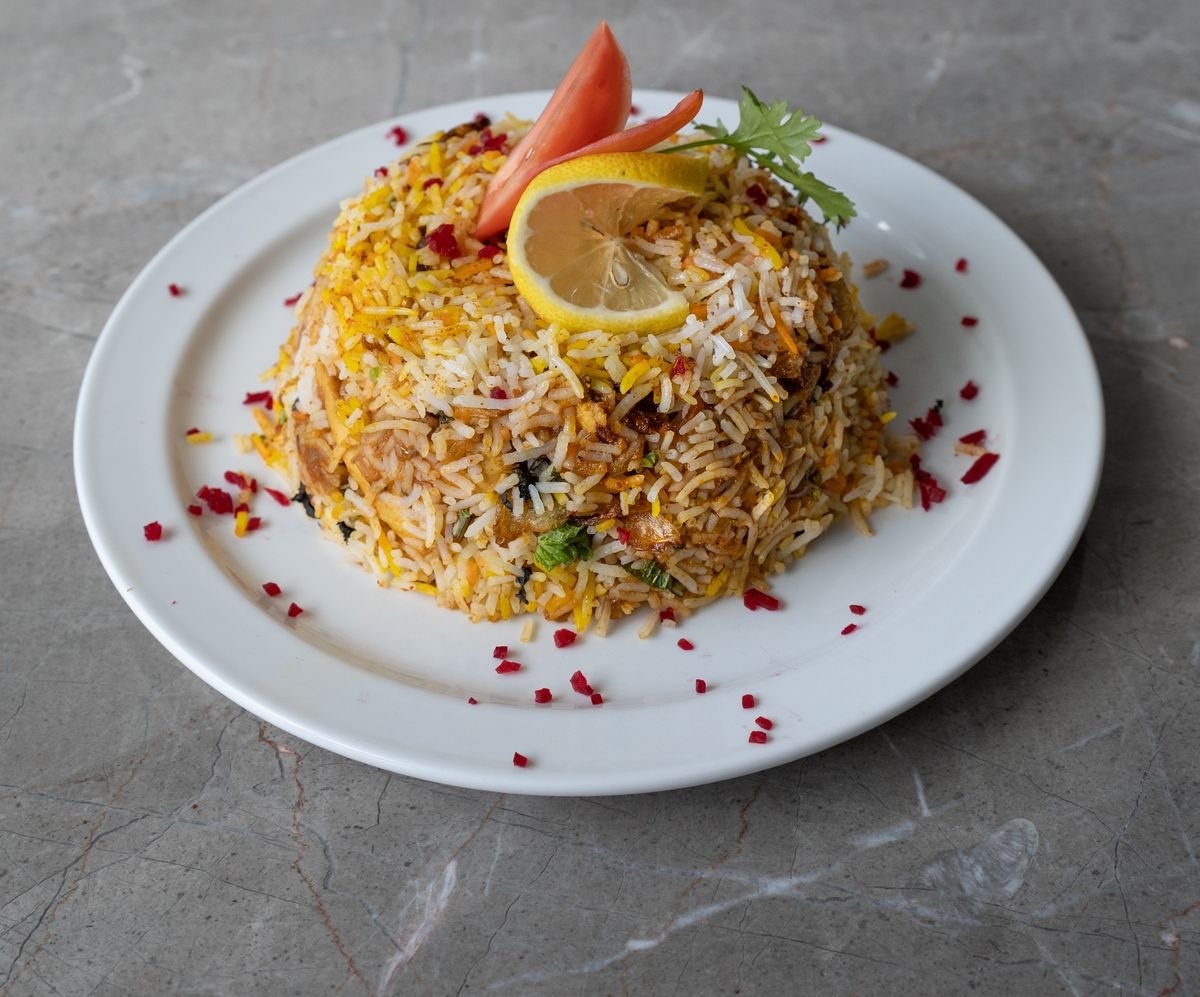
Cook basmati with one bay leaf and two cracked cardamom pods in the water. The subtle aroma elevates plain rice into something that belongs next to a great curry — remove before serving.
25. Rest Curry 10 Minutes Before Serving
Let the finished curry sit covered off the heat for 10 minutes. The oil rises slightly, the flavors settle and marry, and it reaches the perfect eating temperature instead of scorching mouths.