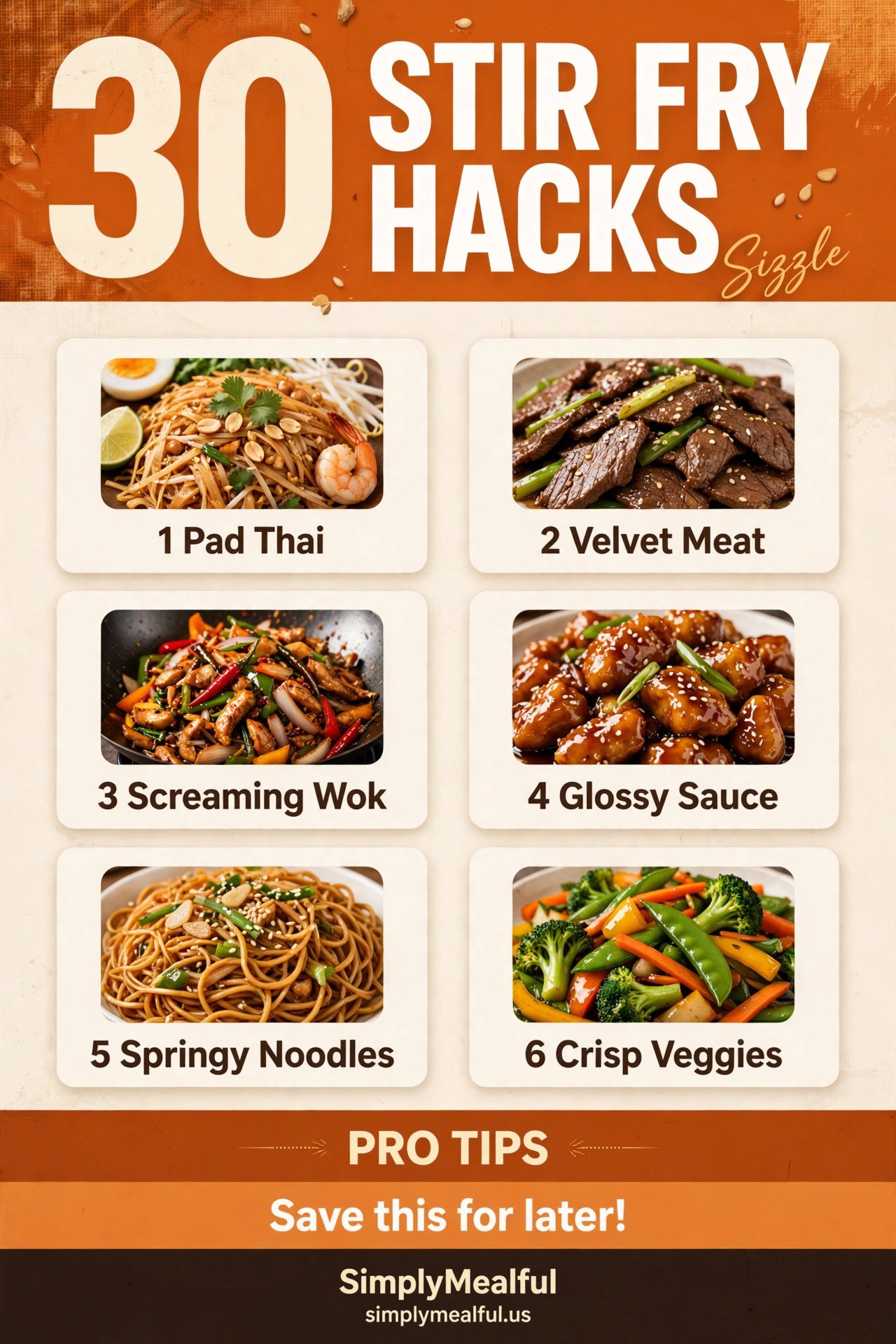
30 Stir Fry Hacks for Crispy, Takeout-Beating Dinners
Restaurant stir fry is about heat management, not exotic ingredients. These 30 hacks fix soggy vegetables, tough meat, and watery sauces — so your home wok turns out crispy, glossy, and better than takeout.
1. Get the Wok Screaming Hot
Get the Wok Screaming Hot — Heat the wok until it just starts to smoke before oil goes in — that sear is what creates wok hei, the smoky breath of a real stir fry. A timidly heated wok steams food instead of searing it.
2. Cut Everything Before You Start
Cut Everything Before You Start — Stir frying moves too fast for mid-cook chopping — have every ingredient cut, measured and lined up. The French call it mise en place; in stir fry it’s survival.
3. Dry Proteins Thoroughly
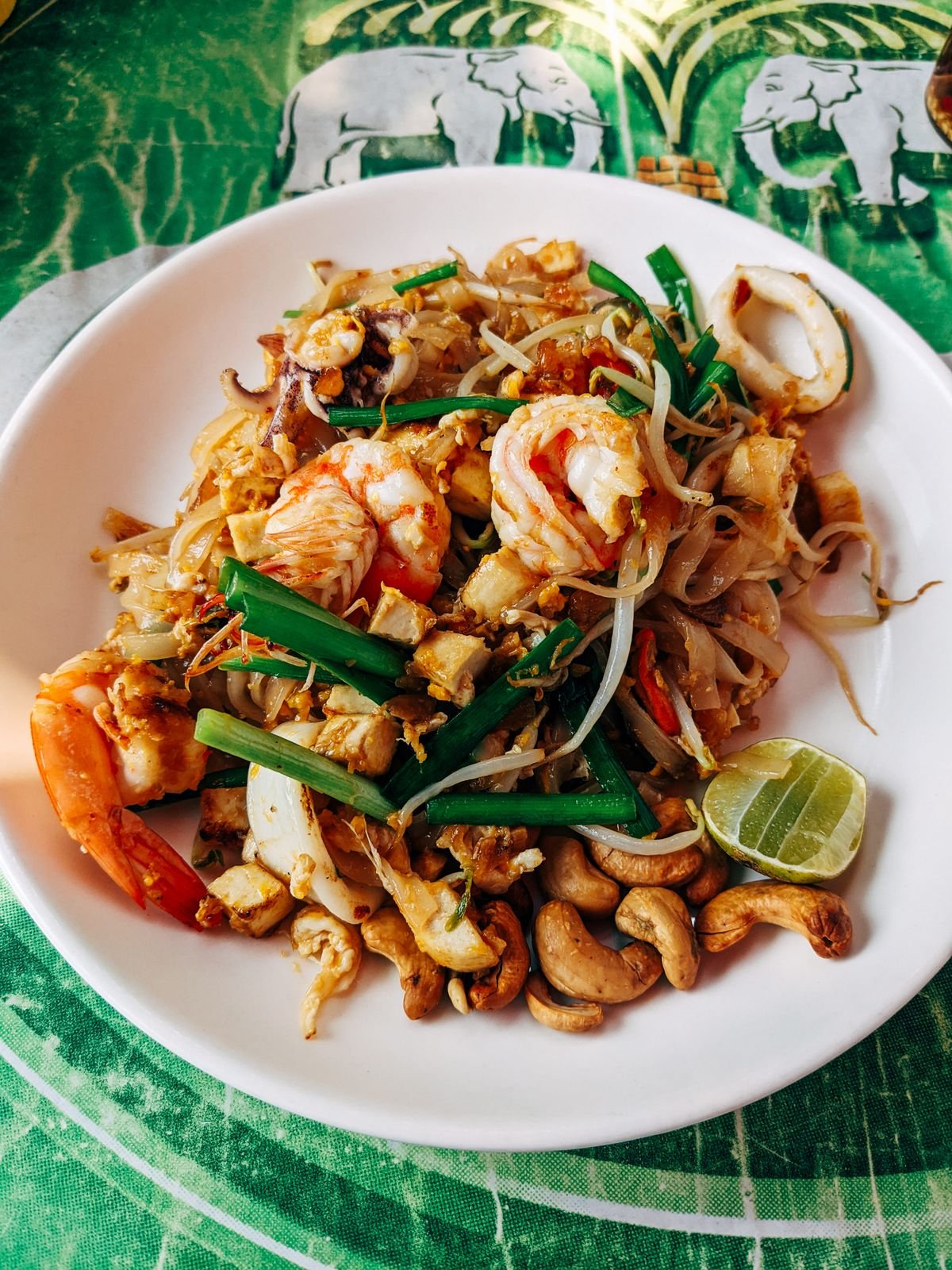
Dry Proteins Thoroughly — Pat chicken, beef or shrimp bone-dry with paper towels before they hit the wok. Surface moisture is the enemy of browning — wet meat steams gray instead of searing golden.
4. Velvet the Meat
Velvet the Meat — Toss sliced meat with 1 teaspoon cornstarch, 1 teaspoon soy sauce and 1 teaspoon oil; rest 15 minutes. This Chinese-restaurant technique gives impossibly silky, tender strips that stay juicy at high heat.
5. Cook in Batches
Cook in Batches — Crowding drops the wok temperature and everything steams. Sear meat in two batches if needed, remove, then cook vegetables — combine at the end. Patience here is the whole game.
6. Use a High-Smoke-Point Oil
Use a High-Smoke-Point Oil — Peanut, avocado or refined coconut oil handle wok heat; olive oil smokes and turns bitter. Save the toasted sesame oil for finishing — its flavor dies at searing temperatures.
7. Slice Meat Against the Grain
Slice Meat Against the Grain — Look for the lines in the meat and cut across them in thin, even slices. Against-the-grain slices stay tender; with-the-grain slices chew like rubber bands no matter how you cook them.
8. Freeze Meat 20 Minutes Before Slicing
Freeze Meat 20 Minutes Before Slicing — Partially frozen meat slices paper-thin with zero struggle. This is how you get those uniform restaurant strips — 20 minutes in the freezer, then slice.
9. Add Aromatics in Order
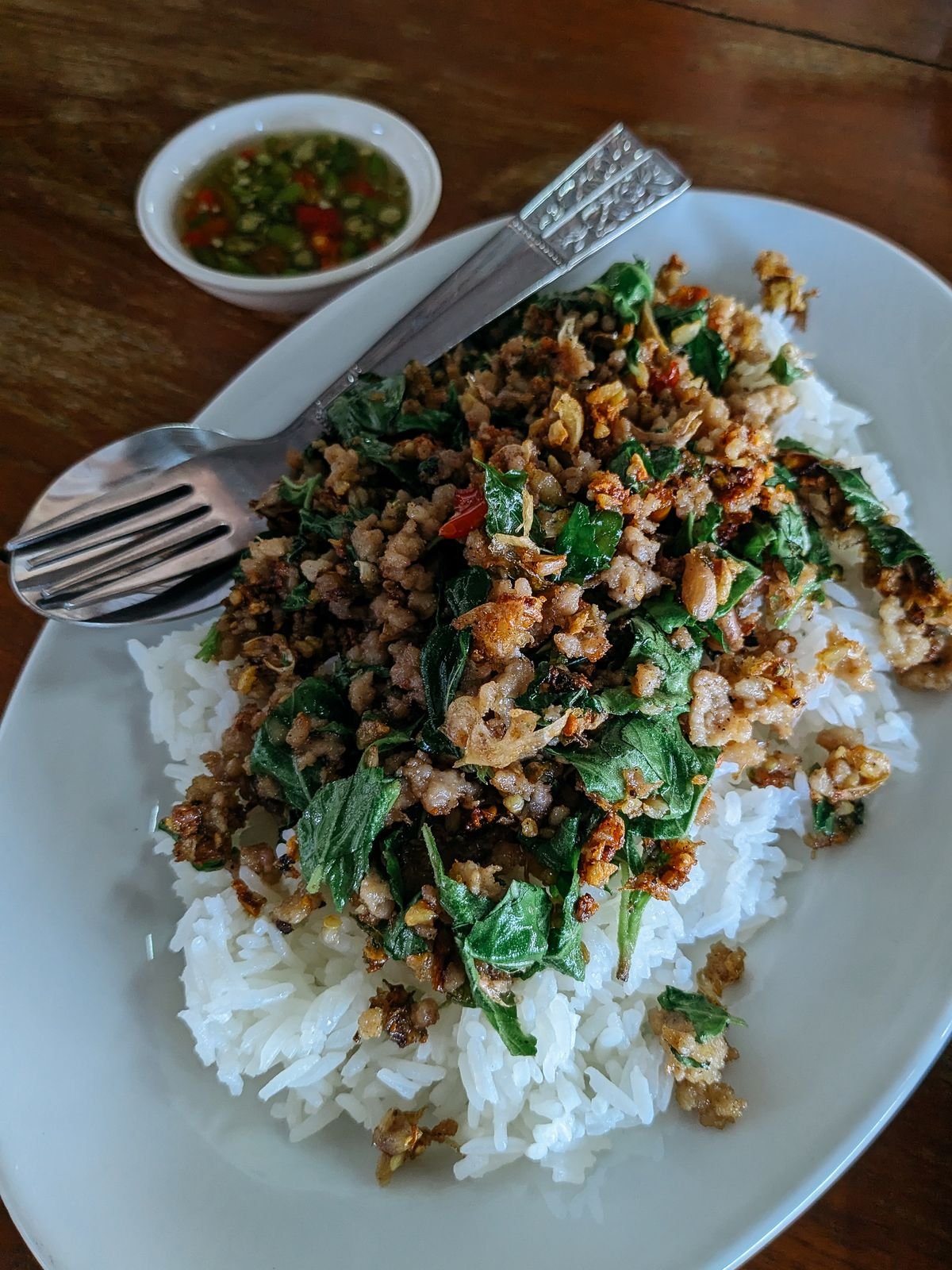
Add Aromatics in Order — Garlic and ginger go in first for 15 seconds, then hard vegetables, then soft ones, then leafy greens last. Each ingredient gets exactly the heat time it needs — nothing mushy, nothing raw.
10. Keep Vegetables in Big Pieces
Keep Vegetables in Big Pieces — Chop stir fry vegetables larger than you think — high heat shrinks them fast. Big pieces stay crisp-tender; small dice turn to mush before they brown.
11. Make the Sauce Separately
Make the Sauce Separately — Whisk soy, oyster sauce, sugar, cornstarch slurry and aromatics in a bowl before cooking. Pouring it in at the end coats everything in 30 seconds — dumping ingredients in one by one never balances right.
12. Cornstarch Slurry Is the Secret
Cornstarch Slurry Is the Secret — A teaspoon of cornstarch shaken with cold water, added with the sauce, turns thin liquid into glossy restaurant coating. Add it last and stir 30 seconds — it thickens almost instantly.
13. Deglaze with Shaoxing Wine
Deglaze with Shaoxing Wine — A splash of Shaoxing wine (or dry sherry) after searing lifts the browned bits into the sauce. The alcohol cooks off in seconds and leaves deep, savory complexity.
14. Don’t Skip the Sugar
Don’t Skip the Sugar — A teaspoon of sugar in savory stir fry sauce doesn’t make it sweet — it balances salt and rounds out flavors. This is the missing ingredient in most bland homemade stir fries.
15. Finish with Toasted Sesame Oil
Finish with Toasted Sesame Oil — A drizzle of toasted sesame oil off the heat adds nutty aroma that high-heat cooking destroys. It’s a finishing oil, not a cooking oil — treat it like perfume.
16. Blanch Hard Vegetables First
Blanch Hard Vegetables First — Broccoli, carrots and green beans benefit from a 60-second blanch before the wok — they finish crisp-tender in the stir fry instead of staying raw in the middle.
17. Use Day-Old Rice for Fried Rice
Use Day-Old Rice for Fried Rice — Fresh rice is too wet and turns gummy; day-old refrigerated rice fries into distinct, chewy grains. Spread fresh rice on a tray and chill 1 hour if you’re in a hurry.
18. Scramble Eggs First, Set Aside
Scramble Eggs First, Set Aside — Cook beaten eggs in the wok first until just set, remove, and add back at the end. Eggs cooked with everything else turn into invisible shreds; separately they stay in silky ribbons.
19. Taste and Adjust at the End
Taste and Adjust at the End — Stir fry sauce needs final tuning — more soy for salt, vinegar for brightness, sugar for balance, chili for heat. Taste with a piece of everything, not just the sauce.
20. Serve Immediately
Serve Immediately — Stir fry waits for no one — plate it the second it’s done. Have serving bowls warm and diners ready; 5 minutes of sitting turns crisp into soggy.
21. Try Velveting with Egg White
Try Velveting with Egg White — For extra-silky chicken, add an egg white to the velveting marinade. The protein coating keeps juices locked in even at screaming wok temperatures.
22. Char the Vegetables Deliberately
Char the Vegetables Deliberately — Let peppers and onions sit undisturbed 30 seconds per side to develop charred spots. Those caramelized edges are where the deep flavor lives — constant stirring prevents them.
23. Add Nuts at the Very End
Add Nuts at the Very End — Cashews and peanuts go in last so they stay crunchy. Added early, they absorb sauce and turn soft — the crunch contrast is the point.
24. Use Fish Sauce Sparingly
Use Fish Sauce Sparingly — A teaspoon of fish sauce adds umami depth no soy sauce can match, without tasting fishy. It’s the background note that makes people ask what your secret is.
25. Keep a Wok Spatula Handy
Keep a Wok Spatula Handy — A proper wok spatula’s curved edge scoops under food for real tossing. Tongs and flat spatulas can’t move food fast enough at stir fry speed.
26. Marinate While You Prep Veg
Marinate While You Prep Veg — Toss meat in its marinade first, then chop vegetables during the 15-minute rest. The timing works out perfectly — no idle waiting, no rushed chopping.
27. Add Greens Last for Color
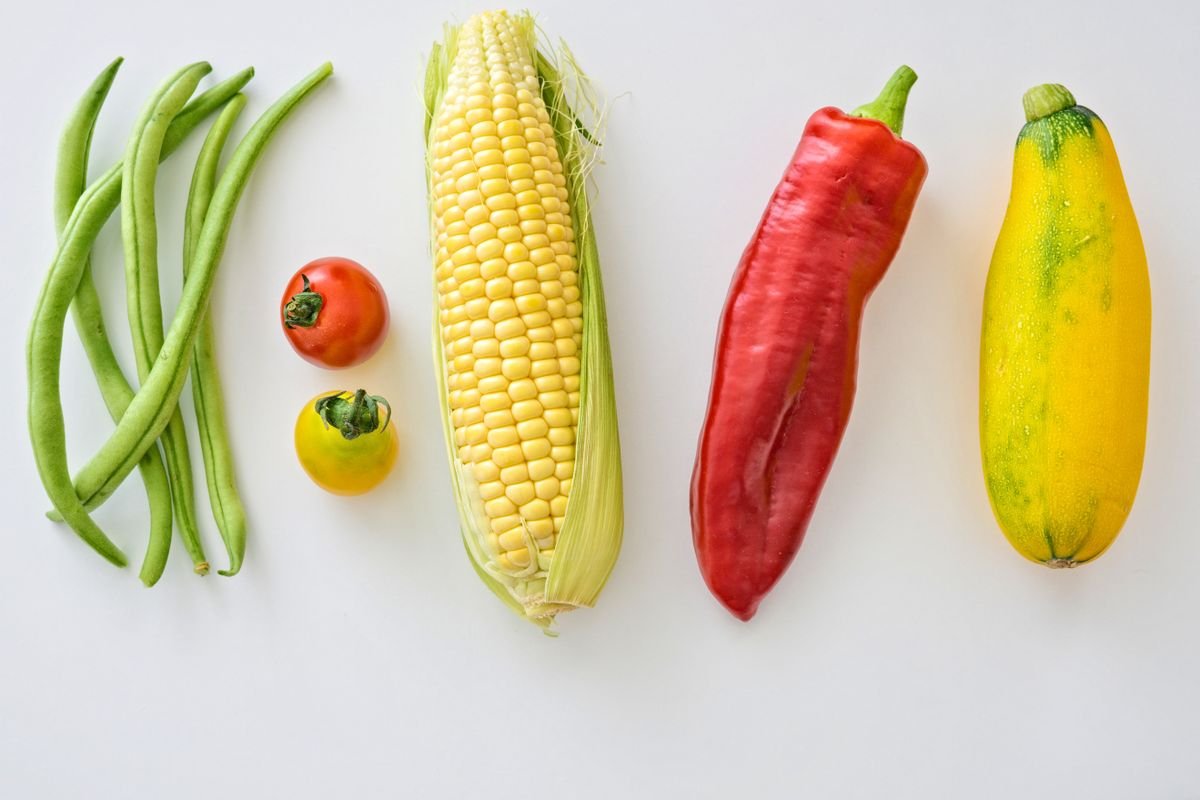
Add Greens Last for Color — Bok choy, spinach and basil go in for the final 30 seconds — they wilt bright green instead of cooking down to olive drab. Color is flavor’s first impression.
28. Double the Garlic and Ginger
Double the Garlic and Ginger — Recipes chronically under-season aromatics. Double both and your stir fry will taste like the restaurant version you’ve been chasing.
29. Rinse Noodles in Cold Water
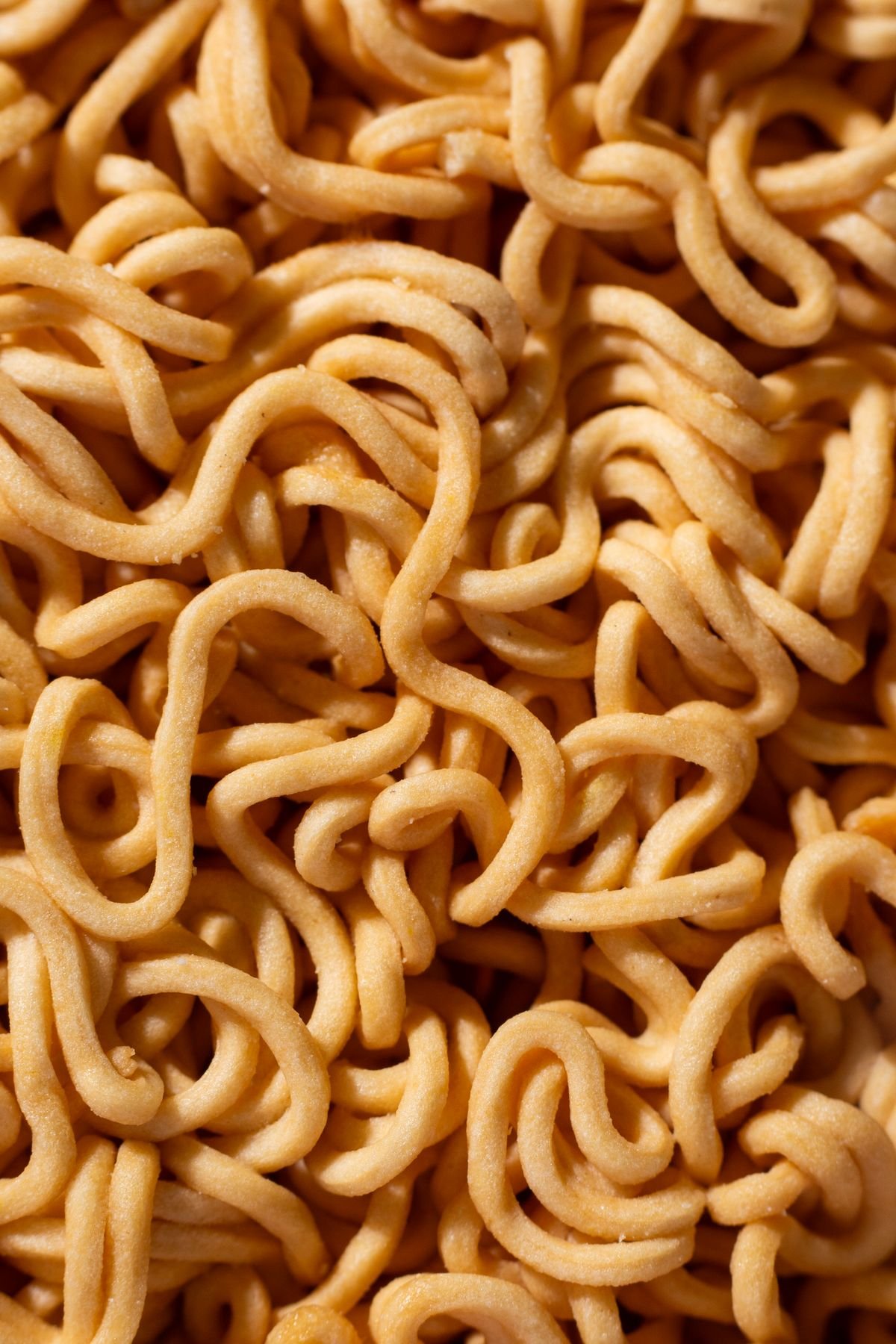
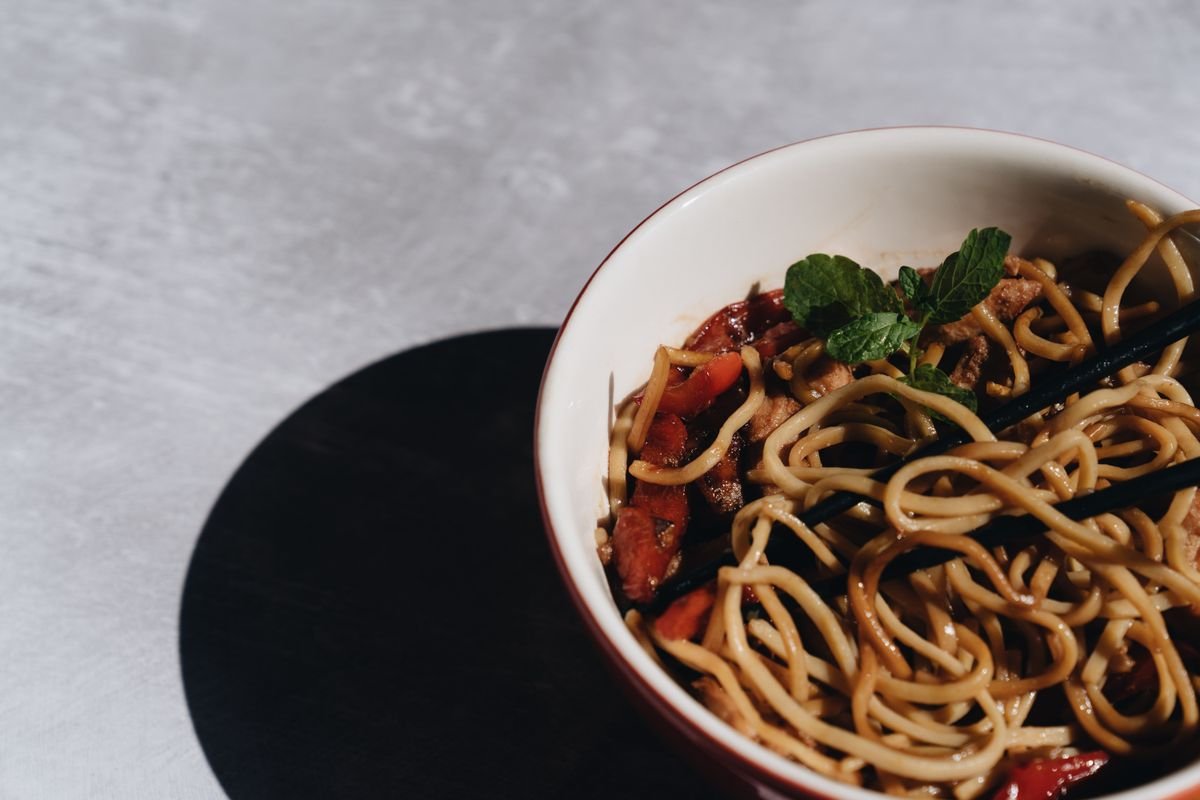
Rinse Noodles in Cold Water — After boiling stir fry noodles, rinse cold to stop cooking and wash off surface starch. They’ll stay springy in the wok instead of clumping into one mass.
30. Save Sauce for Drizzling
Save Sauce for Drizzling — Hold back a spoonful of sauce to drizzle over the plated dish — it looks restaurant-glossy and the first bites hit with full flavor.