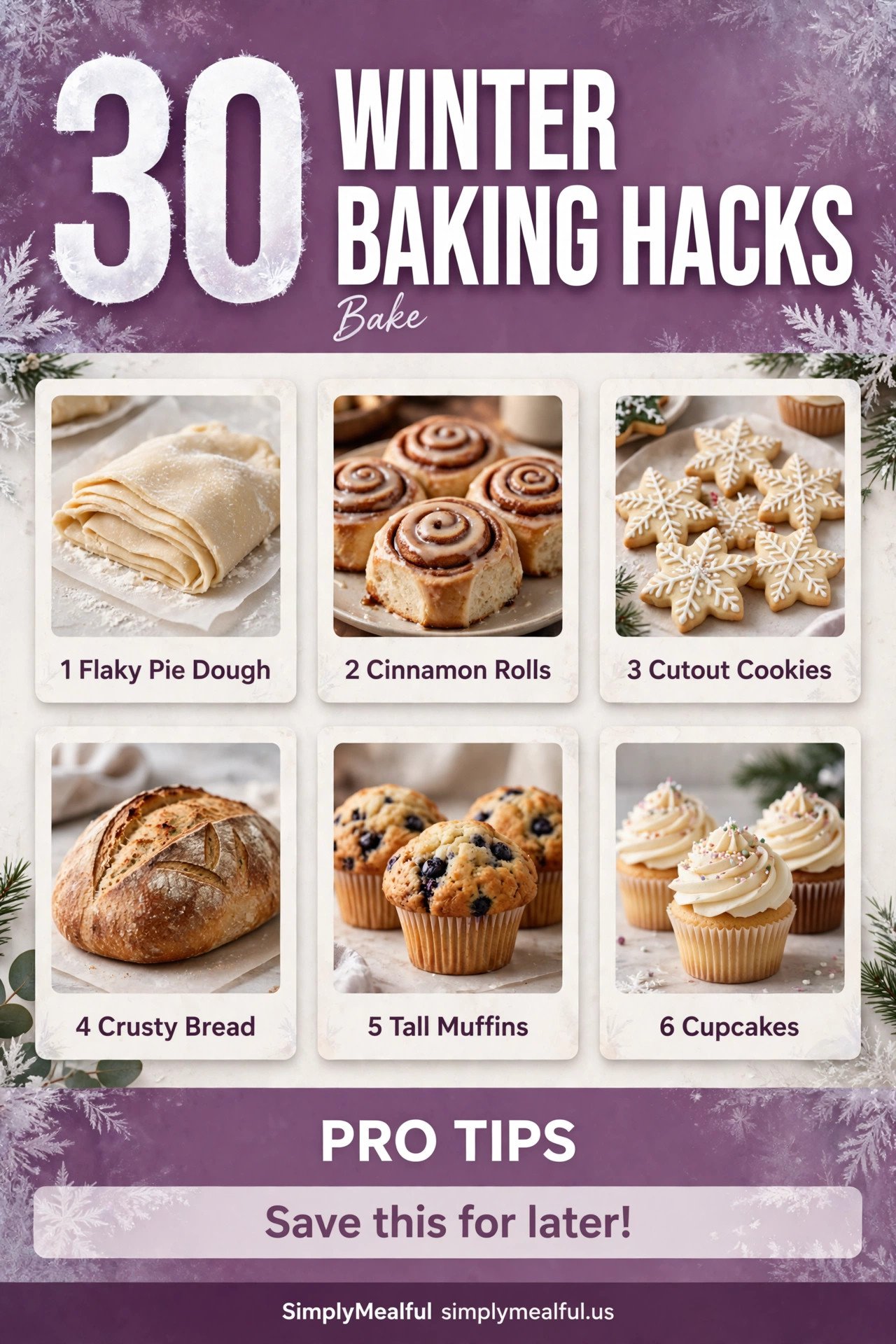
30 Winter Baking Hacks for Cozy Kitchen Days
Winter is baking season — cold kitchens are actually ideal for pastry, and the oven warms the whole house. These 30 hacks fix tough pie crust, flat cinnamon rolls, dry cakes and pale cookies, so every cold-weather bake comes out cozy and perfect.
1. Keep Everything Cold for Pastry
Keep Everything Cold for Pastry — Cold butter, cold water, even a chilled bowl — cold fat creates the steam pockets that make flaky layers. If your kitchen is warm, chill the flour too; winter is pastry’s best friend.
2. Use Vodka in Pie Dough
Use Vodka in Pie Dough — Replace half the water with vodka — it hydrates flour without developing gluten, so the dough rolls easily and bakes flaky-tender. The alcohol burns off completely in the oven.
3. Don’t Overwork the Dough
Don’t Overwork the Dough — Mix just until the dough holds together with visible butter chunks. Overworked dough = tough crust; those butter chunks are future flaky layers, not flaws.
4. Chill Shaped Dough Before Baking
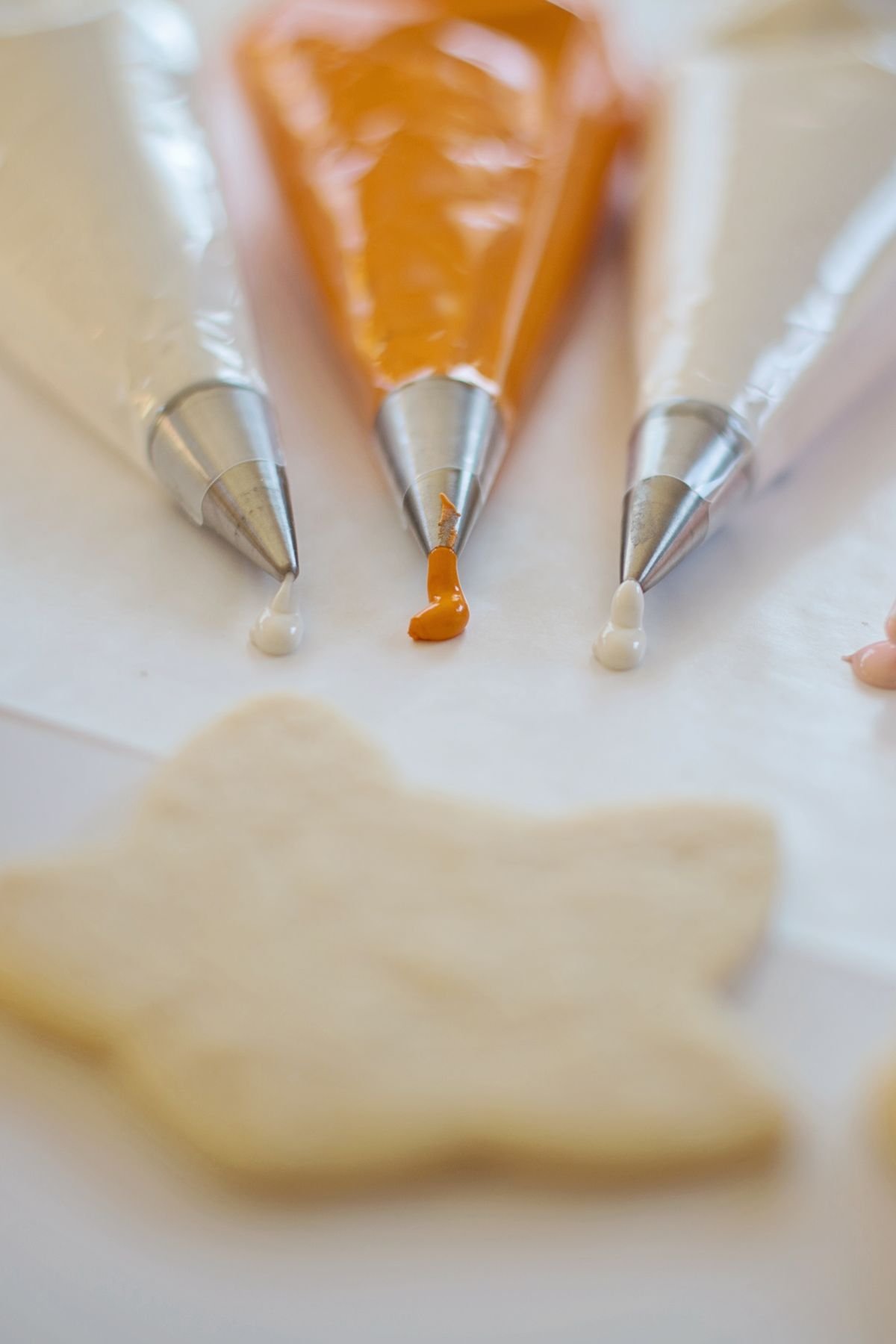
Chill Shaped Dough Before Baking — Refrigerate cut cookies, shaped rolls and lined pie shells 15–30 minutes before the oven. Cold dough holds its shape; warm dough spreads into blobs.
5. Proof Dough in a Warm Oven
Proof Dough in a Warm Oven — Heat the oven to its lowest setting for 2 minutes, turn it OFF, and proof dough inside with the door closed. Winter kitchens run cold — this gives yeast the warmth it needs to rise on schedule.
6. Bloom Cocoa in Hot Liquid
Bloom Cocoa in Hot Liquid — Whisk cocoa powder with hot coffee or water before adding to batter — blooming dissolves it fully and deepens chocolate flavor dramatically. Unbloomed cocoa can taste dusty.
7. Bring Dairy to Room Temperature
Bring Dairy to Room Temperature — Cold butter won’t cream, cold eggs curdle batter. Set everything out an hour ahead — or warm eggs in warm water and cube butter to speed it up.
8. Weigh Ingredients for Consistency
Weigh Ingredients for Consistency — Winter humidity swings change how flour packs into cups. A scale eliminates the variable — your December cookies match your November ones exactly.
9. Rotate Pans Halfway
Rotate Pans Halfway — Most home ovens have hot spots. Rotate pans 180 degrees halfway through baking for even browning — the back of the oven always runs hotter.
10. Tent with Foil to Prevent Over-Browning
Tent with Foil to Prevent Over-Browning — If the top browns before the center sets, lay foil loosely over the top. It shields without steaming — the difference between golden and burnt.
11. Use Bread Flour for Chewy Cookies
Use Bread Flour for Chewy Cookies — Swapping half the all-purpose flour for bread flour gives bakery-chewy chocolate chip cookies. The extra protein builds chew without toughness.
12. Melt Butter for Chewy, Cream for Cakey
Melt Butter for Chewy, Cream for Cakey — Melted butter = dense, chewy cookies; creamed butter = light, cakey ones. Choose your method by the texture you want — the recipe’s fat treatment decides the outcome.
13. Add an Extra Yolk for Richness
Add an Extra Yolk for Richness — One extra egg yolk in cakes and cookies adds richness and tenderness without making them eggy. It’s the quiet upgrade in every great bakery recipe.
14. Don’t Open the Oven Door Early
Don’t Open the Oven Door Early — Every peek drops the temperature 25 degrees and can collapse rising cakes and soufflés. Trust the timer and the oven light for the first two-thirds of baking.
15. Cool Completely Before Frosting
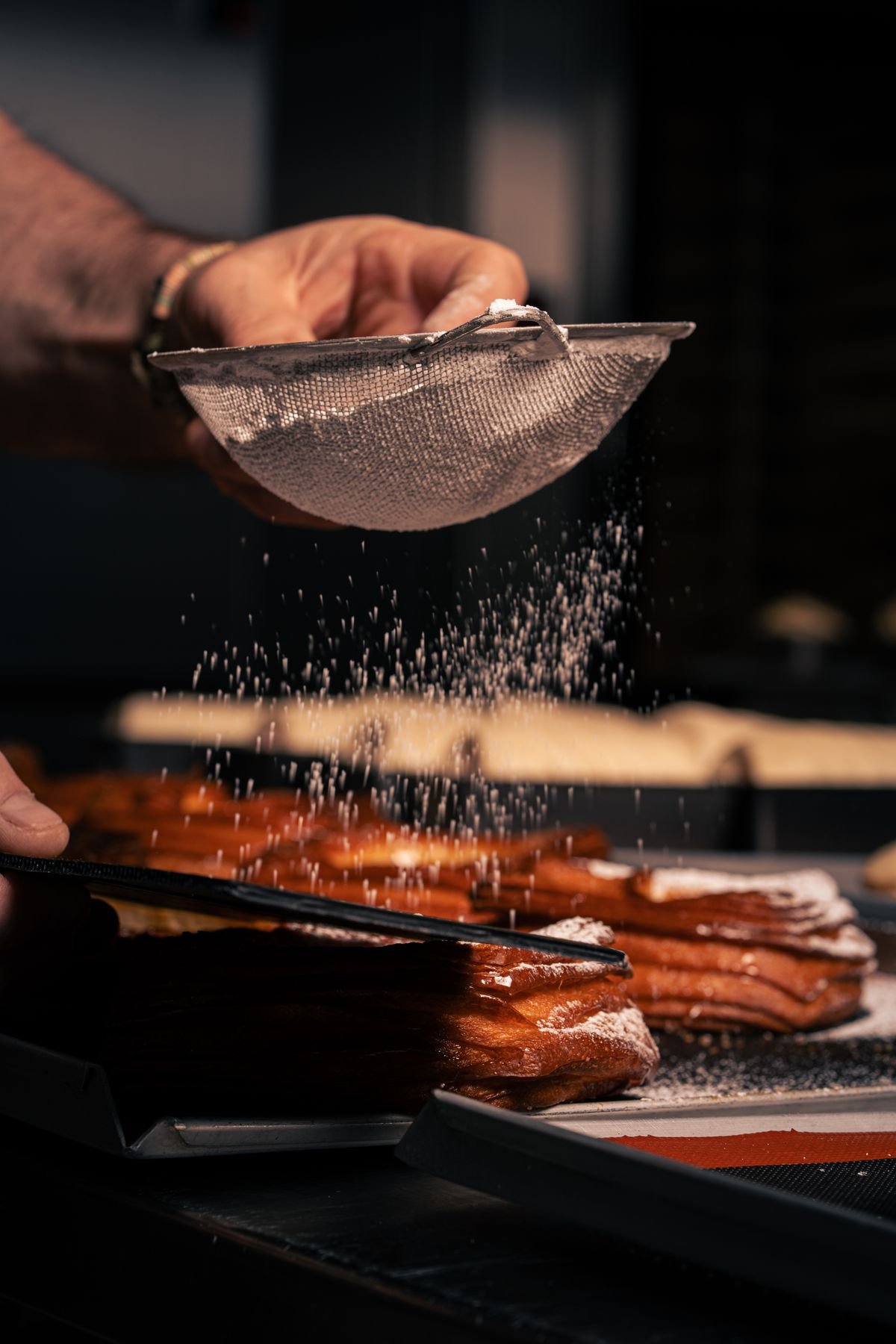
Cool Completely Before Frosting — Warm cake melts frosting into a sliding mess — cool layers fully, then chill 20 minutes for insurance. Patience here is structural.
16. Brush Rolls with Butter Twice
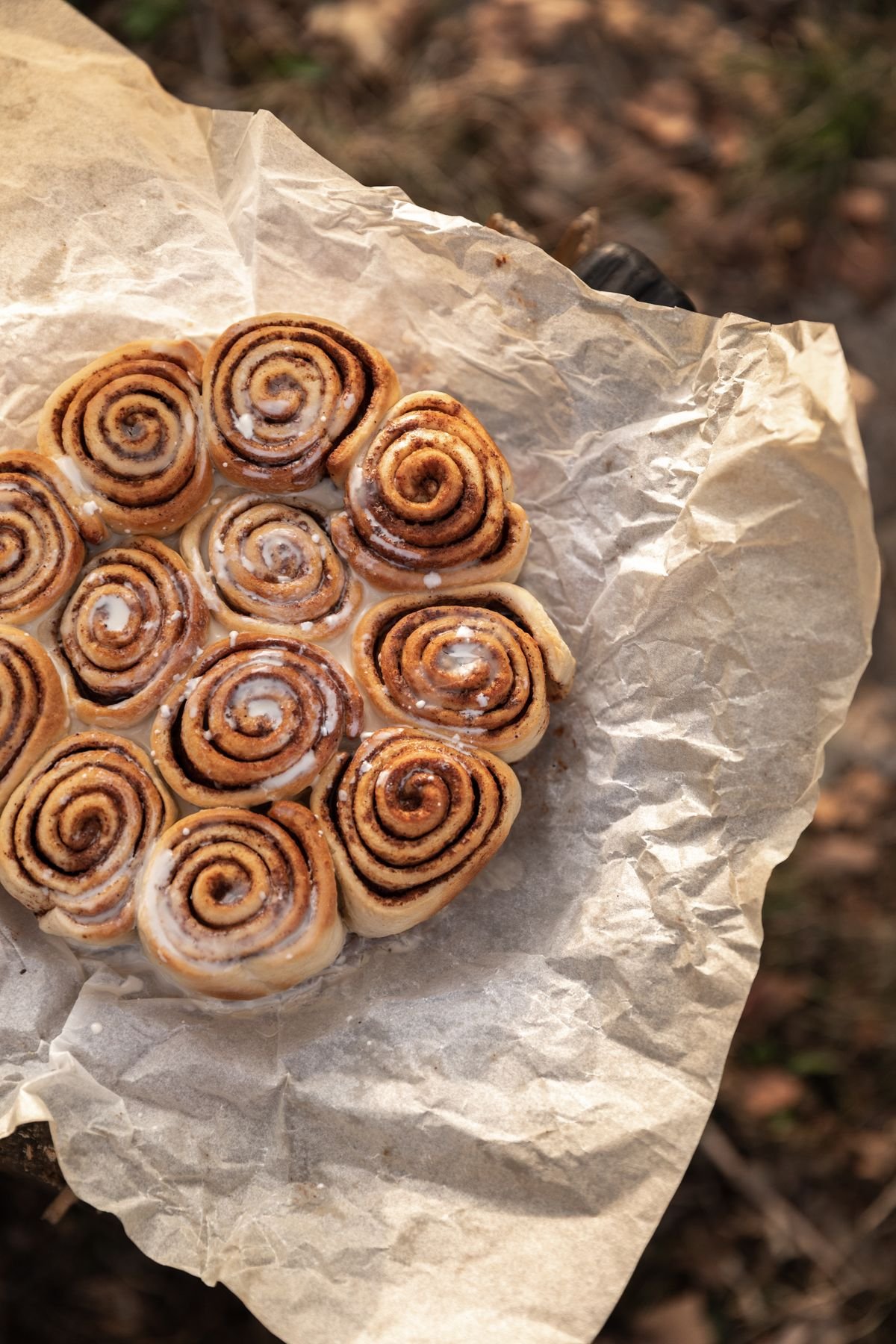
Brush Rolls with Butter Twice — Brush cinnamon rolls with melted butter before baking and again the second they come out. The double buttering gives glossy, soft tops that stay tender for days.
17. Use a Thermometer for Bread
Use a Thermometer for Bread — Bread is done at 190–200°F internal (lean loaves) or 200–210°F (enriched). Tapping the bottom is folklore; the thermometer is fact.
18. Score Bread Deep and Confident
Score Bread Deep and Confident — A shallow slash seals shut; a confident 1/2-inch cut at an angle opens into a beautiful ear. Use a sharp serrated knife or razor — dull blades drag.
19. Steam the Oven for Crusty Loaves
Steam the Oven for Crusty Loaves — Place a pan of boiling water on the oven floor when baking crusty bread — steam keeps the crust soft long enough to expand fully, then it crisps into a crackling shell.
20. Feed Sourdough Before a Cold Snap
Feed Sourdough Before a Cold Snap — Cold kitchens slow starters down — feed yours twice daily for two days before a winter bake. A vigorous starter is the difference between lofty and leaden.
21. Line with Parchment, Not Just Grease
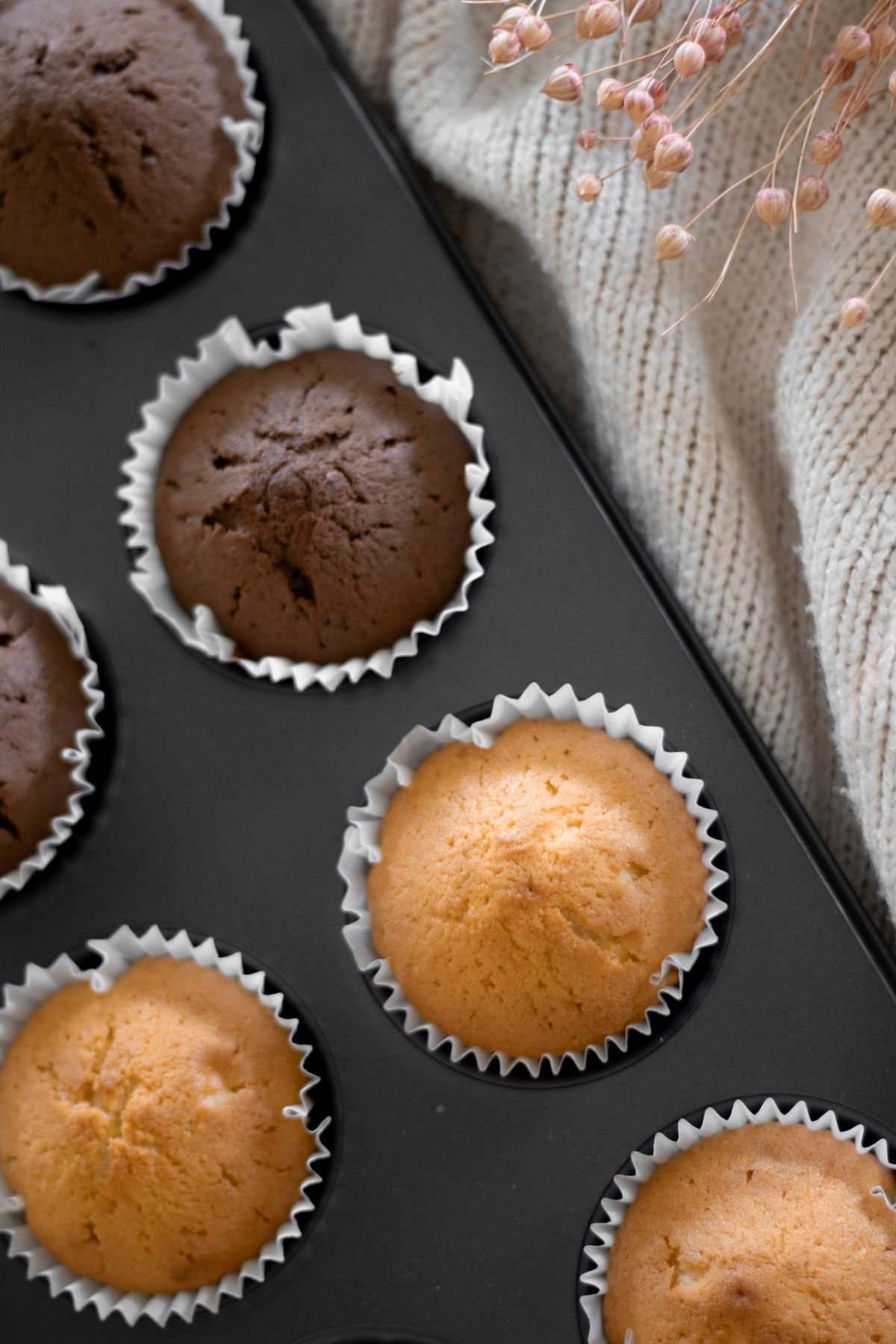
Line with Parchment, Not Just Grease — Grease fails on intricate pans and sticky batters; parchment never does. For bundt cakes, grease AND flour — the combination releases what neither manages alone.
22. Sift Leaveners with Flour
Sift Leaveners with Flour — Whisk baking powder and soda thoroughly through the flour — pockets of unleavened batter bake into dense spots and bitter bites. Thirty seconds of whisking prevents it.
23. Warm Spices Bloom in Butter
Warm Spices Bloom in Butter — Toast cinnamon, cardamom and clove in the melting butter for 30 seconds before adding to batter. Heat unlocks their volatile oils — the whole kitchen will smell like the holidays.
24. Chill Cookie Scoops for Clean Release
Chill Cookie Scoops for Clean Release — A quick chill firms sticky doughs so the scoop releases cleanly. For ultra-sticky dough, dip the scoop in water between portions.
25. Bake Bars Slightly Underdone
Bake Bars Slightly Underdone — Pull blondies and brownies when the center still jiggles slightly — residual heat finishes them into fudgy perfection. Fully-set in the oven means overbaked on the counter.
26. Freeze Baked Goods Unfrosted
Freeze Baked Goods Unfrosted — Freeze cake layers and cookie bases plain, then frost fresh on serving day. Frosting freezes fine but fresh frosting tastes like you baked today.
27. Revive Stale Baked Goods in the Oven
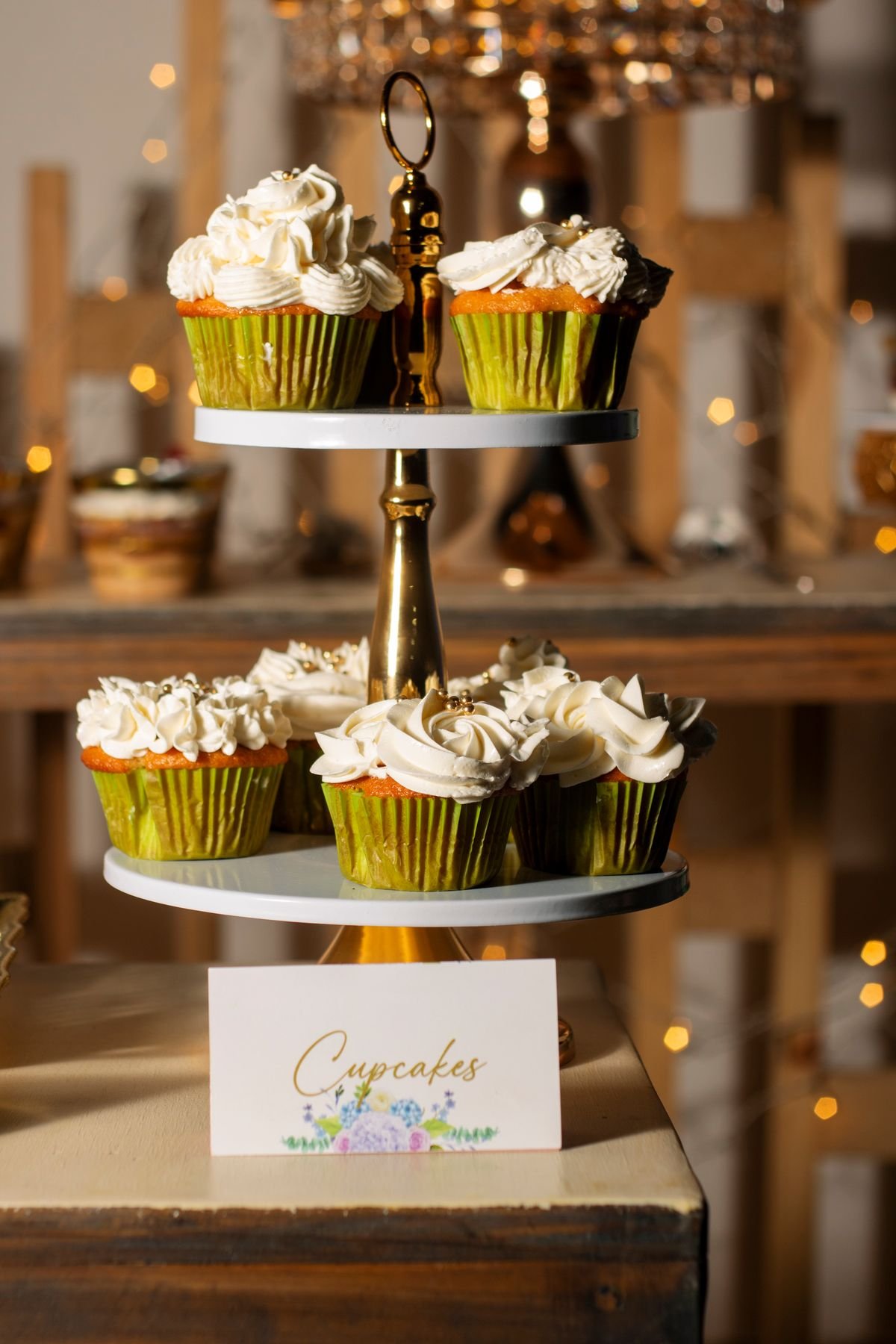
Revive Stale Baked Goods in the Oven — Day-old rolls and muffins spring back with 5 minutes at 350°F — the heat re-crisps crusts and re-softens crumbs. The microwave makes them tough; the oven resurrects them.
28. Use Dark Pans Carefully
Use Dark Pans Carefully — Dark metal absorbs more heat — drop the oven temperature 25°F when using dark pans or your bottoms burn before the tops set. Light aluminum is the most forgiving.
29. Let Pies Cool Fully Before Slicing
Let Pies Cool Fully Before Slicing — Fruit pies need 3–4 hours to set — slicing early gives soup, not slices. The filling thickens as it cools; patience is literally the thickener.
30. Keep a Baking Log
Keep a Baking Log — Note oven temp quirks, timing tweaks and winning ratios in a notebook. Winter baking repeats constantly — your log turns this year’s experiments into next year’s traditions.